Summary
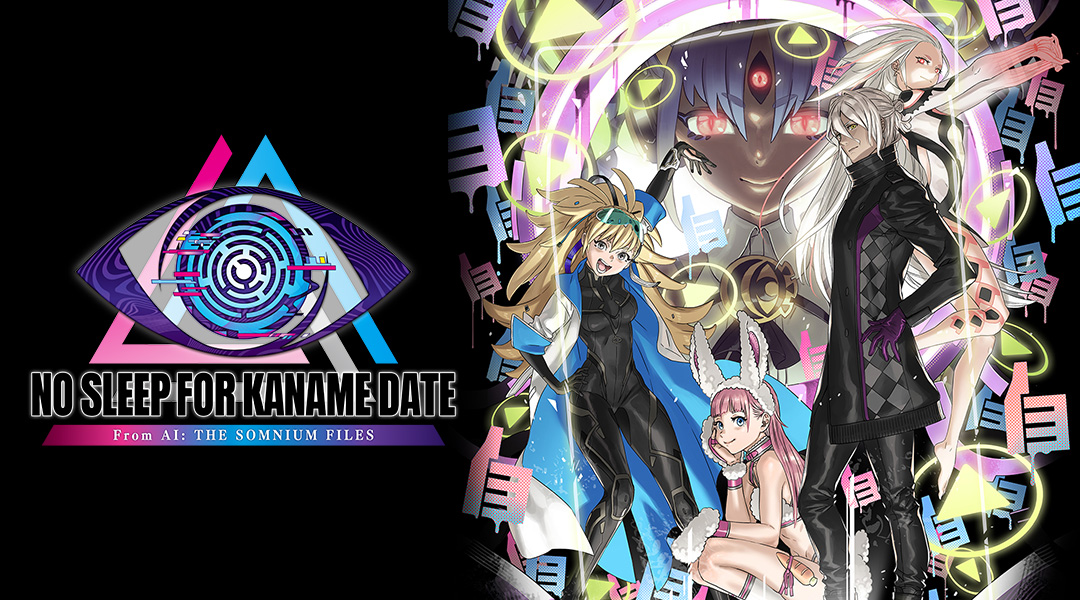
No Sleep For Kaname Date does not try to be a full sequel, and that works in its favor. It is a focused, gripping side story that builds on everything that made AI: The Somnium Files memorable. Longtime fans will appreciate the returning cast and deeper lore, while newcomers might find it a weird but fascinating entry point. It is not as sprawling or thematically rich as nirvanA Initiative, but it offers a more compact, puzzle-heavy experience that still packs a punch.
At its core, this is a game about dreams, delusions, and the connections that transcend reality. It is all wrapped in a murder mystery involving aliens, sentient eyeballs, and idol songs. If that sounds like your kind of strange, don’t sleep on it.
Developer – Spike Chunsoft Co., Ltd.
Publisher – Spike Chunsoft Co., Ltd.
Platforms – Nintendo Switch/ Switch 2 ,PC (Reviewed)
Review copy given by Developer

In a series known for its mind-bending narratives and dreamlike logic puzzles, No Sleep For Kaname Date is both a thrilling continuation and a clever evolution of AI: The Somnium Files. While technically a spin-off or side story, it might as well be considered essential canon. It expands the world of Psyncing, dream diving, and AI-enhanced detective work with a more claustrophobic yet emotionally charged mystery: the abduction of internet idol Iris Sagan, also known as A-set, and her bizarre imprisonment inside an alien escape game. And yes, you read that right. Aliens.
To fully understand No Sleep For Kaname Date, it helps to know where it comes from. The original AI: The Somnium Files, released in 2019 and directed by Kotaro Uchikoshi, who also created the Zero Escape series, introduced players to a strange fusion of crime thriller, science fiction, and psychological drama. The New Cyclops Serial Killings formed the core mystery, but the real hook was the interplay between its protagonist, Special Agent Kaname Date, and his snarky, all-seeing AI partner Aiba. Their dynamic carried the game through surreal dreamscapes and grounded investigations alike.
This time around, the New Cyclops case is closed, but the weirdness is far from over. Iris is abducted under mysterious circumstances and awakens in what appears to be a UFO. Her captors force her to participate in something called The Third Eye Game, an elaborate and deadly escape room gauntlet. Meanwhile, back in Tokyo, Date comes across a strange coffin-like device labeled only with the cryptic instruction: “Psync me.”
The setup is classic Uchikoshi, filled with cryptic clues, high-stakes mysteries, and a story that dances on the edge of science fiction and metaphysical horror. Once again, gameplay is divided into three main segments: Investigation, Somnium, and Escape, each playing a crucial role in how the narrative unfolds.
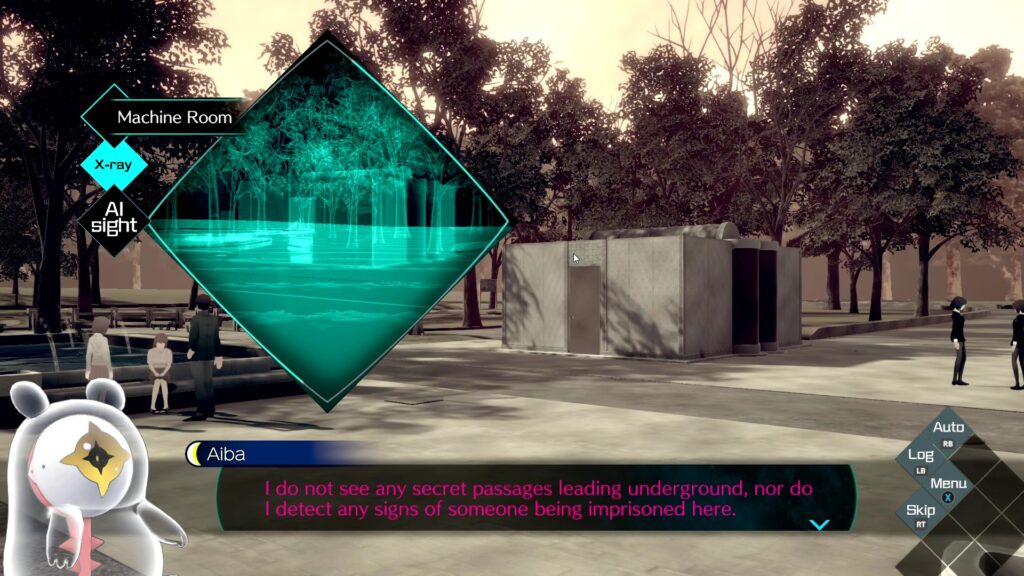
Investigation sequences have you stepping into Date’s shoes as he chases down leads, interviews suspects, and uses Aiba’s suite of high-tech visual tools to gather evidence. These sections feel like a visual novel mixed with a light detective sim, filled with clever dialogue, returning characters, and just enough intrigue to keep the plot pacing tight. Aiba’s abilities like X-ray vision or thermal imaging make a welcome return, and they are put to good use here, revealing things others miss and adding depth to otherwise static environments.
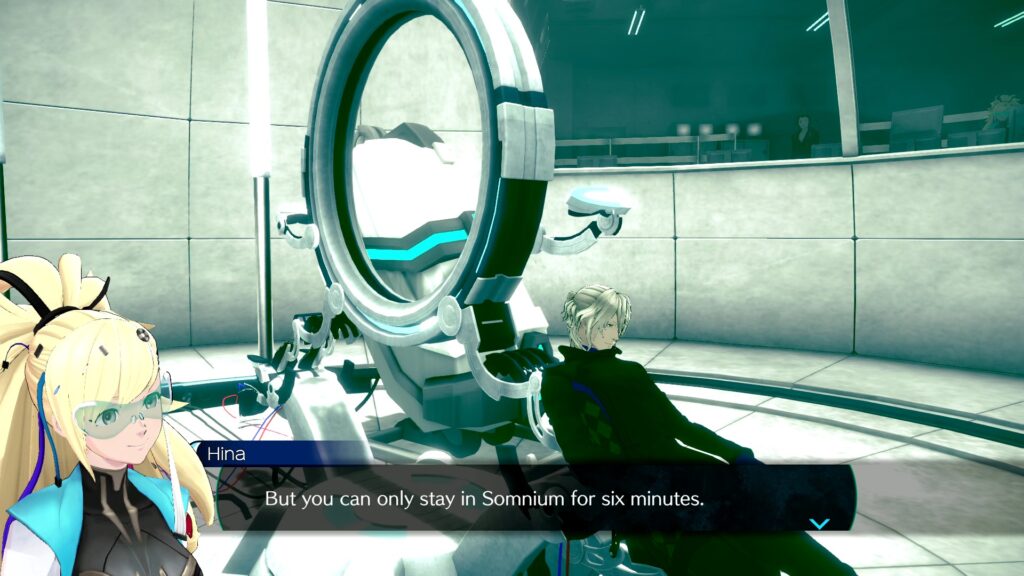
Somnium segments are where the game flexes its creative muscles. As always, these dream dives are a bizarre, illogical trip into the subconscious of suspects and witnesses. Aiba takes on a humanoid form to explore these fractured dream worlds, each crafted around a subject’s mind and memories. With only six minutes per dive, you need to experiment with objects and break through mental locks to find buried truths. These segments range from funny to terrifying, and the developers lean even harder into abstract storytelling this time. One moment you’re balancing on floating toasters to reach a disco ball of secrets, the next you’re decoding childhood trauma hidden behind a smiley face emoji.
The newest and perhaps most surprising addition is the Escape segments, where the player controls Iris directly. These puzzle-focused sequences lock her inside alien-themed rooms and task her with solving deviously layered mysteries. Unlike the Somnium, where dream logic reigns, these rooms obey grounded rules of deduction. It is here that the game borrows a bit from Zero Escape, merging codebreaking, inventory-based puzzles, and limited environmental interactions. The fact that Iris is only allowed to contact one person, Date, adds a welcome narrative pressure. Their sparse, heartfelt communication becomes the emotional core of the game.
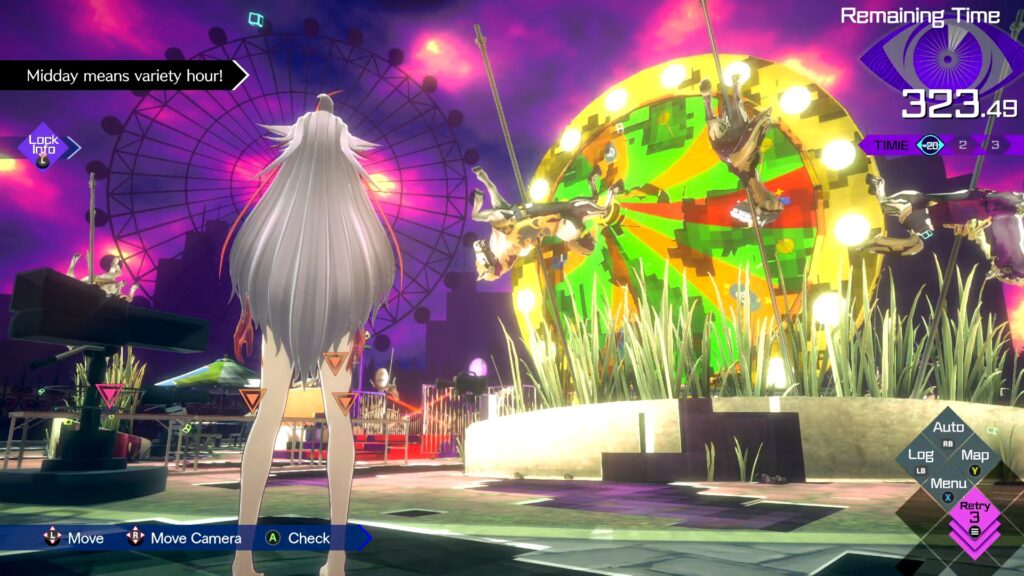
While No Sleep For Kaname Date is filled with science fiction flair and over-the-top antics, it never loses sight of its characters. Date remains one of the most unique protagonists in any visual novel-adjacent game, a perverted goofball one second and a sharp, driven investigator the next. His chemistry with Aiba continues to be a highlight, their banter perfectly balancing the otherwise dark subject matter. Iris also gets a lot of spotlight here, evolving beyond the manic pixie internet idol persona of the first game and showing strength, fear, and vulnerability in equal measure.
Visually, the game sticks close to the vibrant, anime-inspired style of the original, with slightly sharper character models and more dynamic camera work during investigations and dream dives. Sound design continues to shine, with a synth-heavy score that adds mood without becoming intrusive. Voice acting is once again strong across both English and Japanese language tracks.
What elevates this spin-off is how it plays with its structure. The way the Investigation, Somnium, and Escape sequences interlock feels more cohesive this time. Clues found in dream worlds can hint at solutions in locked rooms, and discoveries in those rooms shed light on suspects’ motives. It is a tighter weave than the branching timelines of the first game, though with slightly less replayability. The mystery is complex but not overly convoluted, and while the sci-fi elements go off the rails in the final act, the emotional payoff remains strong.
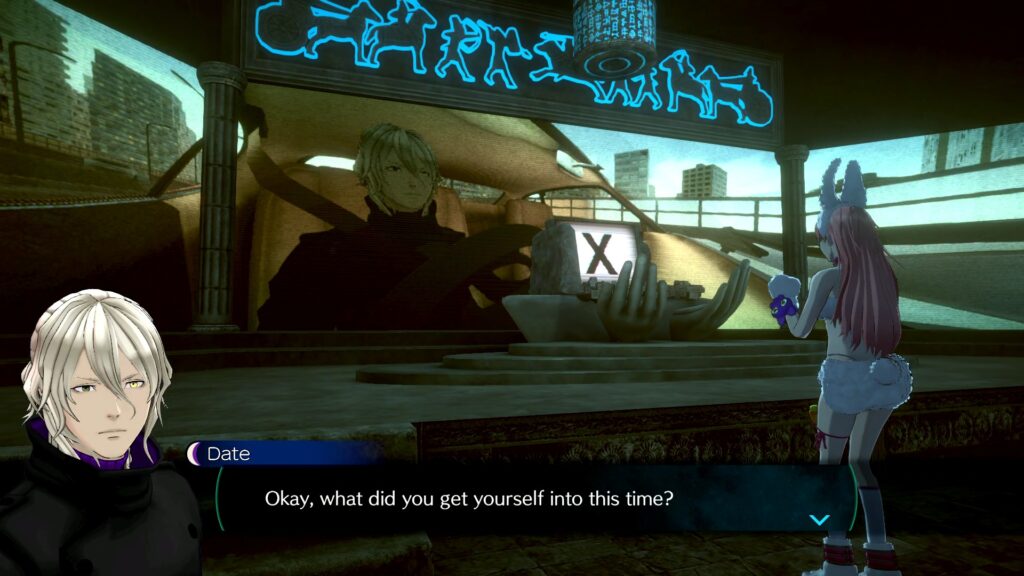
A few criticisms are worth noting. The Escape sections, while clever, sometimes lean on trial-and-error logic that can frustrate. A couple of Somnium puzzles feel more obtuse than surreal. And the final twist, while impactful, may divide players depending on their tolerance for narrative weirdness. But the game’s heart, humor, and style never falter.
No Sleep For Kaname Date does not try to be a full sequel, and that works in its favor. It is a focused, gripping side story that builds on everything that made AI: The Somnium Files memorable. Longtime fans will appreciate the returning cast and deeper lore, while newcomers might find it a weird but fascinating entry point. It is not as sprawling or thematically rich as nirvanA Initiative, but it offers a more compact, puzzle-heavy experience that still packs a punch.
At its core, this is a game about dreams, delusions, and the connections that transcend reality. It is all wrapped in a murder mystery involving aliens, sentient eyeballs, and idol songs. If that sounds like your kind of strange, don’t sleep on it.