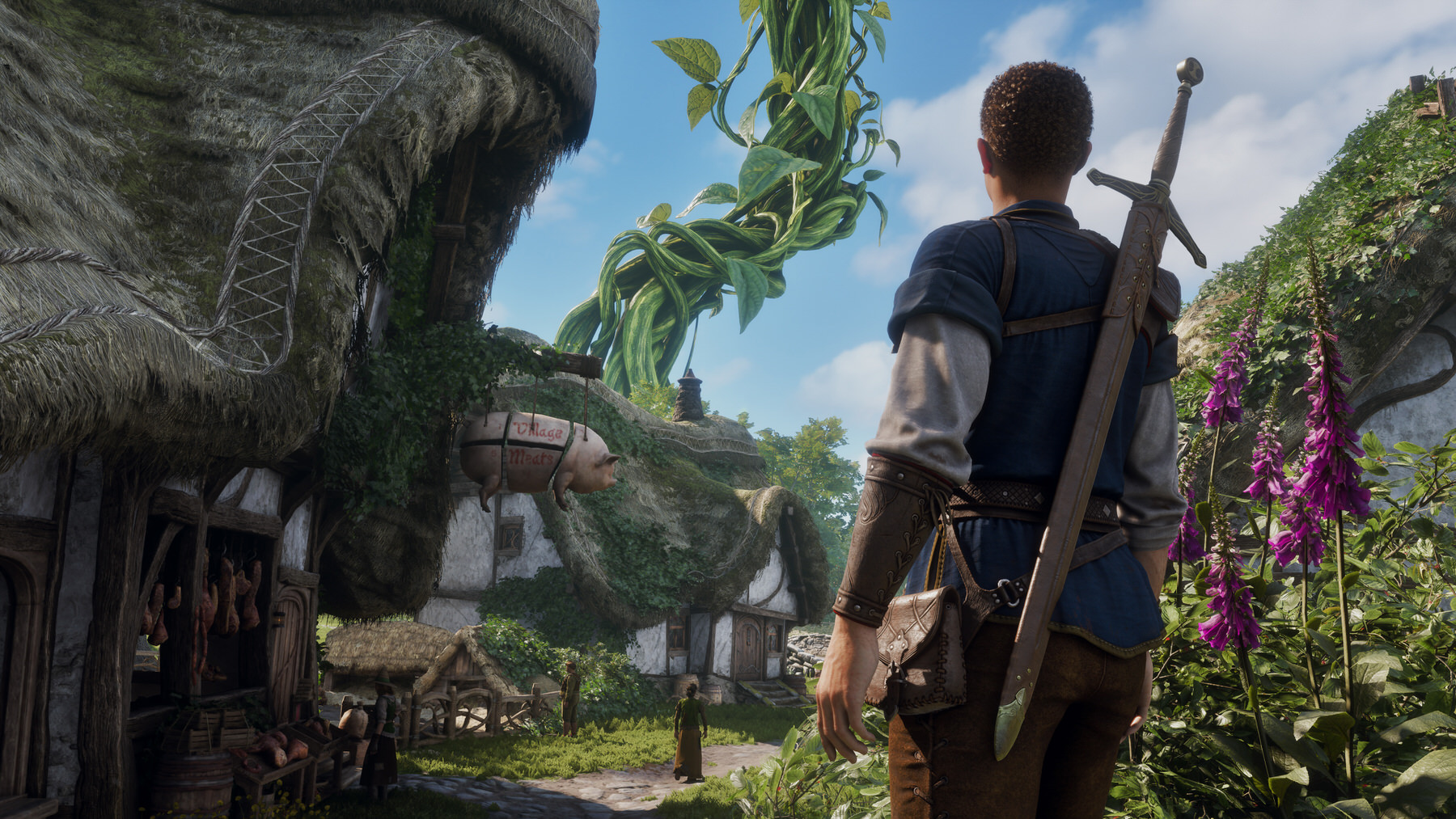

Discover everything you need to know about 15 beginner tips and tricks for Nioh 3, including how to progress during exploration.
Nioh 3 is the latest installment in the Nioh action‑RPG series that requires players to explore the world, complete objectives, defeat enemies, and collect useful items to progress. Players can switch seamlessly between Samurai style and Ninja style during combat. The early game is perfect to experiment with swords, spears, and dual weapons to see what suits your playstyle.
Early skill points should go toward core mechanics and basic weapon skills. Exploration reveals shrines, secret paths, gear, and fast travel points. Blocking and dodging at the right times, along with mastering Burst Counters, can turn difficult fights in your favor.
Table of contents
- 1. Choose the Best Weapon Early On
- 2. Explore As Soon Possible
- 3. Allocate Stat Points in Attributes
- 4. Unlock light/heavy Attack Combos
- 5. Gain Amrita Quickly
- 6. Blessings and Titles
- 7. Switch Between Styles
- 8. Use the Best Gear
- 9. Respec Points
- 10. Get Training Inside the Arena
- 11. Parry the Attacks
- 12. Use Stealth To Defeat Enemies
- 13. Obtain Onmyo Magic Key
- 14. Change the Controls
- 15. Experiment With Builds
1. Choose the Best Weapon Early On
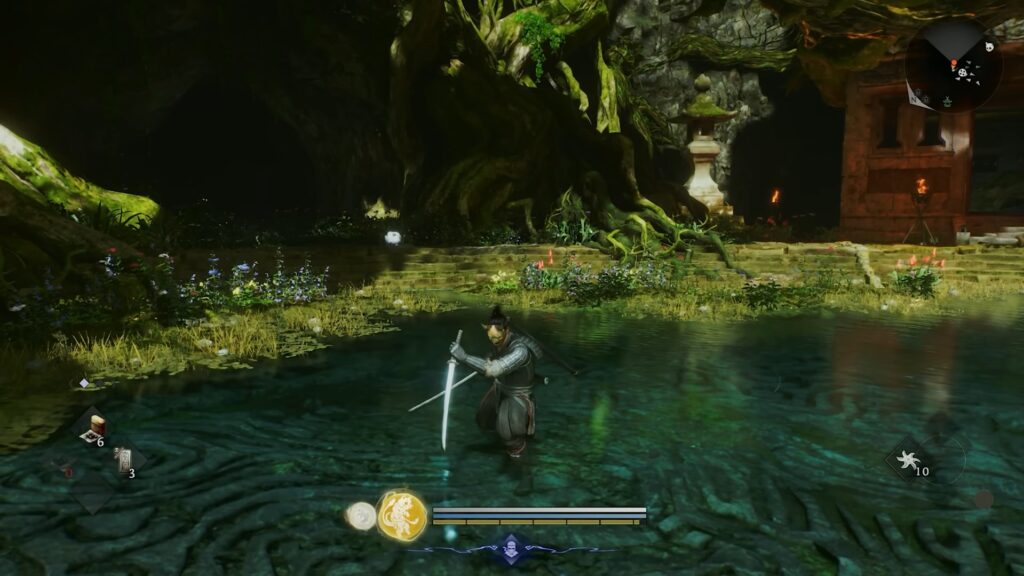
Nioh 3 lets you choose multiple weapons based on Samurai style and Ninja style. Choosing the best weapons early on is essential to eliminate the enemies quickly and make the progression smooth. Spear has excellent reach that helps you hit enemies before they reach you.
Tonfa is for the Ninja style that comes with fast attacks and is excellent at breaking enemy Ki and guards. Samurai can use the Sword and have a balanced moveset. Ninja Sword is easy to pick up and fast-attacking for quick fights. These weapons don’t require advanced combat knowledge and have decent damage.
Switchglaive, on the other hand, has great range and stance versatility. Talons is best suited for aerial combos, fast, and aggressive play. Axe & Odachi come with the massive damage-dealing capability, but slow swings can leave you open.
Try a few weapons in early missions to see what feels right to you. Use the Samurai weapons for balanced stances and Ki management, and Ninja weapons for mobility and devastating combos.
2. Explore As Soon Possible
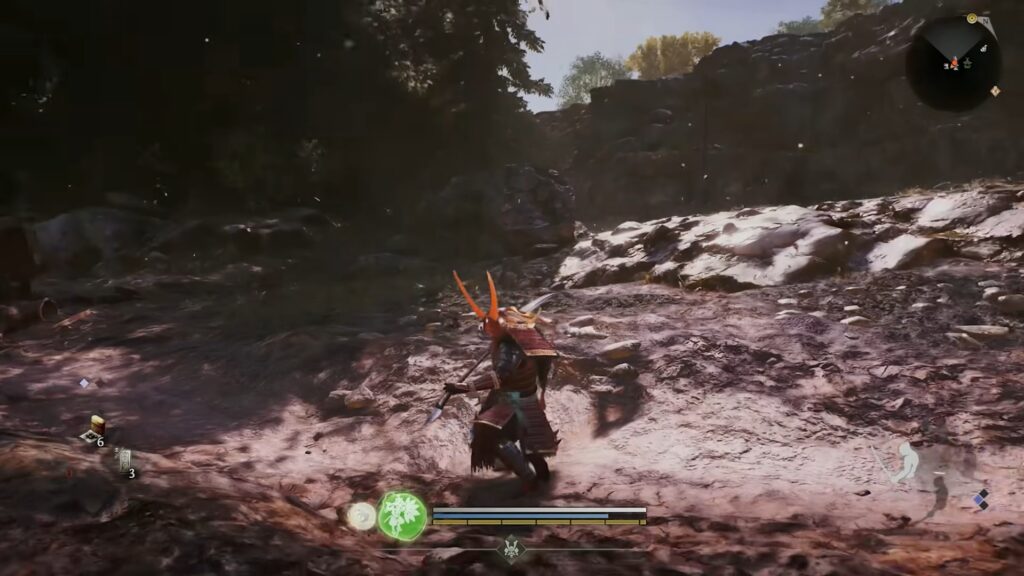
Every region has an Exploration Level from 0 to 4. As you explore, this level goes up and grants more benefits. A higher level allows you to reveal more of the map and collectibles. Once you unlock shrines, you can fast travel to any other shrine.
You can find valuable loot, skill texts, shrines, and shortcuts. While exploring the map thoroughly. Myths, enemy bases, crucibles, and collectibles all add to your exploration level.
Increase your elixir healing capacity by finding Kodama and returning them to shrines. Chijiko Spirit Balloons & Scampuss are special objects that often hide in overlooked areas. Shoot the spirit balloons to get useful rewards and follow Scampuss for better loot or secrets. Interact with breakable walls, ladders, and Nurikabe Yokai walls unlock shortcuts.
Using Spirit Vision during exploration, mark the hidden objects, paths, and interactive elements. Make sure to place markers on the map as reminders of places you want to revisit. I recommend using in‑game controls to check how many collectibles are left in an area. Many open‑field enemies and camps are high‑risk, but provide better rewards.
3. Allocate Stat Points in Attributes
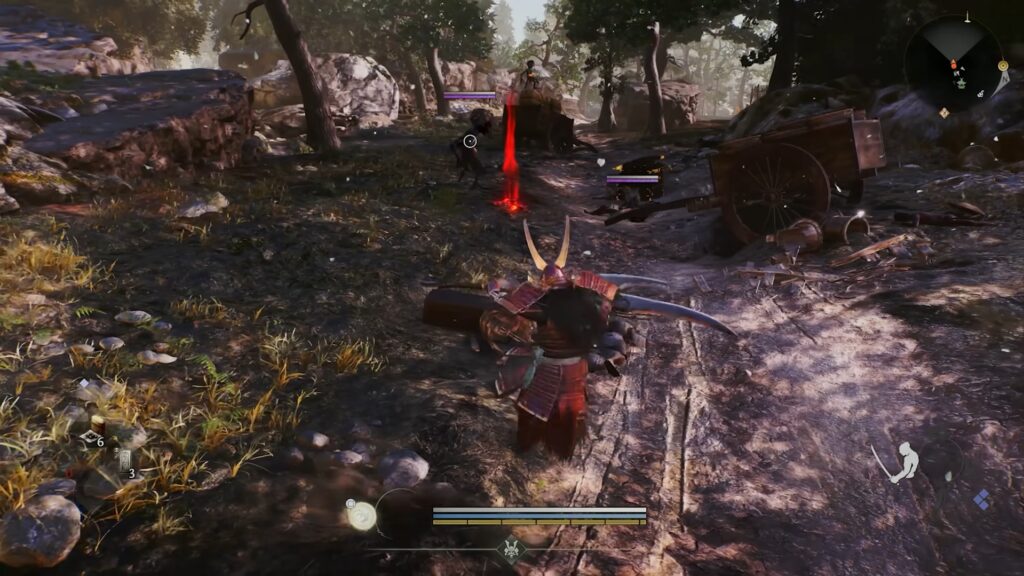
The game allows you to allocate stat points to attributes that affect your combat efficiency, survivability, and weapon effectiveness while leveling up. You earn Amrita by defeating enemies, completing missions, and exploring open fields.
Spending Amrita at a shrine lets you increase your character level. Doing so allows you to gain stat points to distribute them on different attributes based on your build.
Completing different challenges can award prestige points that give additional passive bonuses to stats. You can respec your stats at any shrine after making decent progress in Nioh 3. Spreading points somewhat evenly helps you handle exploration, gear requirements, and survival. Below are all the stats you can invest your points in at the Shrine.
- Heart: Increases Ki and Ki regeneration, which is essential for attacking, dodging, and blocking.
- Skill: Improves weapon effectiveness and unlocks better weapon abilities.
- Strength: Increases attack power, especially for heavy weapons.
- Stamina: Boosts health in fights, making it crucial to increase your survivability.
- Magic: Focus on magic spells, ranged attacks, and ninja tools.
- Intellect: Helps Ki recovery and supports some weapon effects.
Managing Ki is crucial early on in Nioh 3. Without it, you can’t attack, dodge, or block effectively. Putting points into Heart increases your Ki regen and stamina pool. Invest in Skill and Strength if you want to create a stronger melee build.
More Stamina gives you higher HP, which matters especially against tougher enemies. Magic is not required unless you want a spell or ninja tech focus playstyle. Make sure to pay attention to your weapon’s stat requirements and scaling.
4. Unlock light/heavy Attack Combos
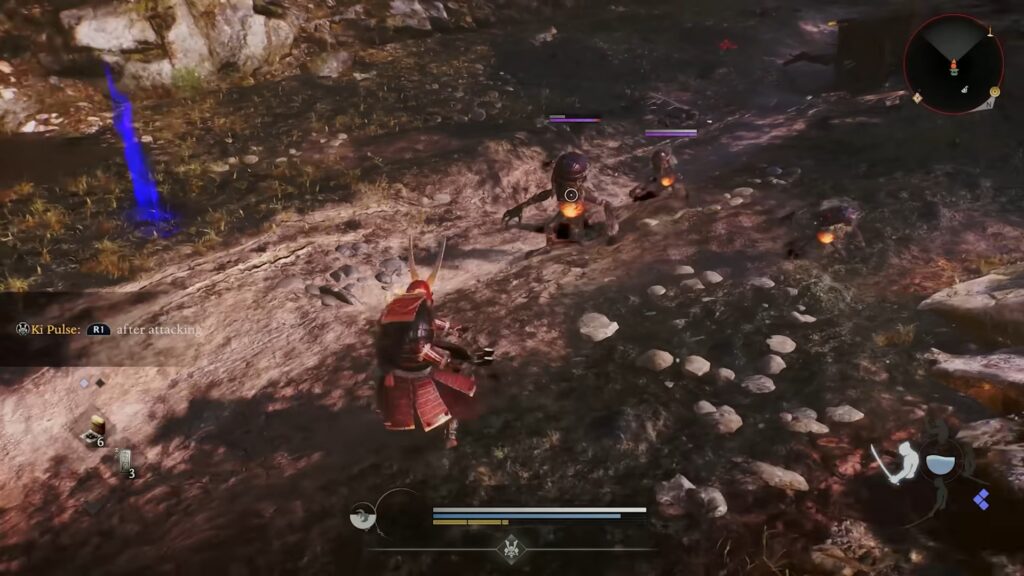
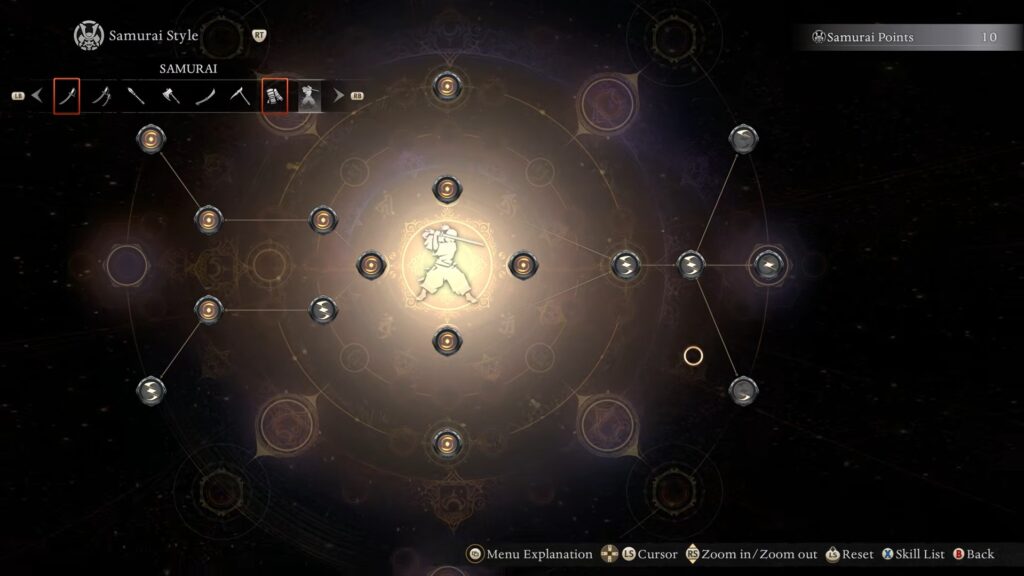
You can unlock advanced light/heavy attack combos using the skills and martial arts you buy with points. Go to the Acquire Martial Arts / Ninjutsu menu after earning Samurai or Ninja skill points. Now, spend these points on skills that add new moves to your combos. Without those skills, your character only has the basic light and heavy attacks.
Fighting the enemies with these basic attacks can lead you into bigger trouble. Earn Samurai or Ninja points by leveling, completing missions, and exploring. Some advanced combo moves also unlock through Battle Scroll missions. Completing them lets you access new weapon/martial art skills that add more combo potential.
After unlocking, equip those skills in the Skill Management menu to allow the light and heavy buttons to perform new moves. Light attacks are fast and use less stamina. Heavy attacks deal more damage but use more Ki, and are used at the end of a combo. Running out of Ki stops your combos, so make sure to work on Ki Pulse timing to refill stamina during the fight.
5. Gain Amrita Quickly
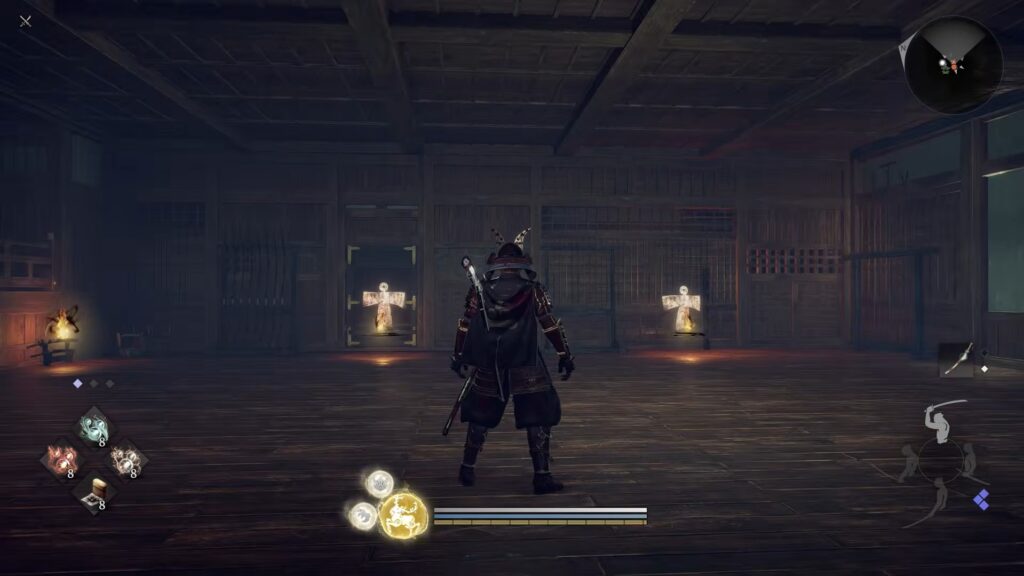
Amrita in Nioh 3 is the EXP that is obtained by defeating enemies, completing missions, opening chests, breaking objects, or offering gear at Shrines. You use them to level up your character at a Shrine. If you die, you drop all your collected Amrita at the spot of your death.
You can get them back by returning there and interacting with your grave. If you die again before reaching it, it’s lost forever. The best sources of Amrita are killing foes in combat.
Make sure to focus on areas with dense enemy groups to gain a huge amount of XP. Completing main missions gives big Amrita rewards, but side missions and Battle Scroll missions also reward decent Amrita. You can see Amrita’s stash icons on the map while exploring the world. These hide Amrita guarded by enemies, so eliminate them and collect the stash for free experience.
Make an Offering at any shrine and exchange gear you don’t need for Amrita. Higher‑quality items give more of this XP. Some items and skills, like Vital Spirit, increase the amount of Amrita earned. Kill enemies near a Shrine, fast travel, and return to kill the respawn enemies.
6. Blessings and Titles
Kodama are small spirits found throughout regions. You earn Kodama Merit after finding and guiding them back to a Shrine. Doing so allows you to unlock Kodama Blessings. They provide useful buffs that affect your performance while exploring and fighting.
Kodama Blessings provide increased elixir drop rate, spirit force bonuses after using elixirs, and increased damage dealt or decreased damage taken. Spend more Kodama Merit at the shrine to level up the Blessing.
You can find Six Jizo statues inside the tougher Crucible challenges. Praying at all of them gives Jizo Merit, which unlocks Jizo Blessings at Shrine menus. They reduce life corrosion effects and increase melee damage or elixir drops during Crucible runs. Make sure to redistribute these points anytime, just like Kodama Blessings.
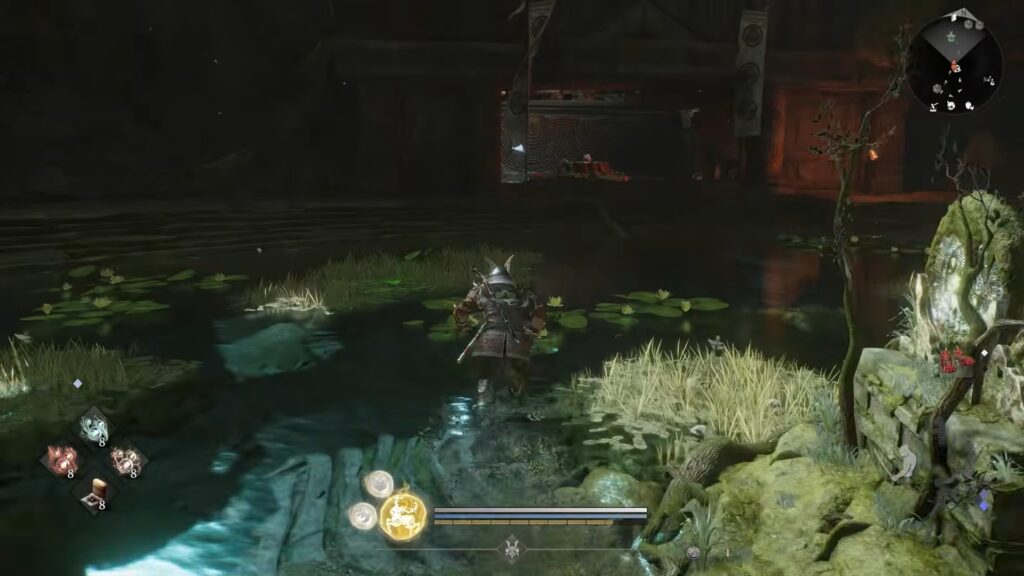
Titles in Nioh 3 are in‑game achievements you unlock by completing specific objectives. You need to defeat a set number of enemies with certain weapons or perform feats in missions. Prestige Points are a meta progression resource separate from leveling up.
Use this in the Titles menu to unlock permanent character bonuses. They provide better item drops, more Ki, increased Amrita gains, improved damage against Yokai, and better elixir effects. Find all Kodama in a region before progressing to make the healing and damage easier.
7. Switch Between Styles
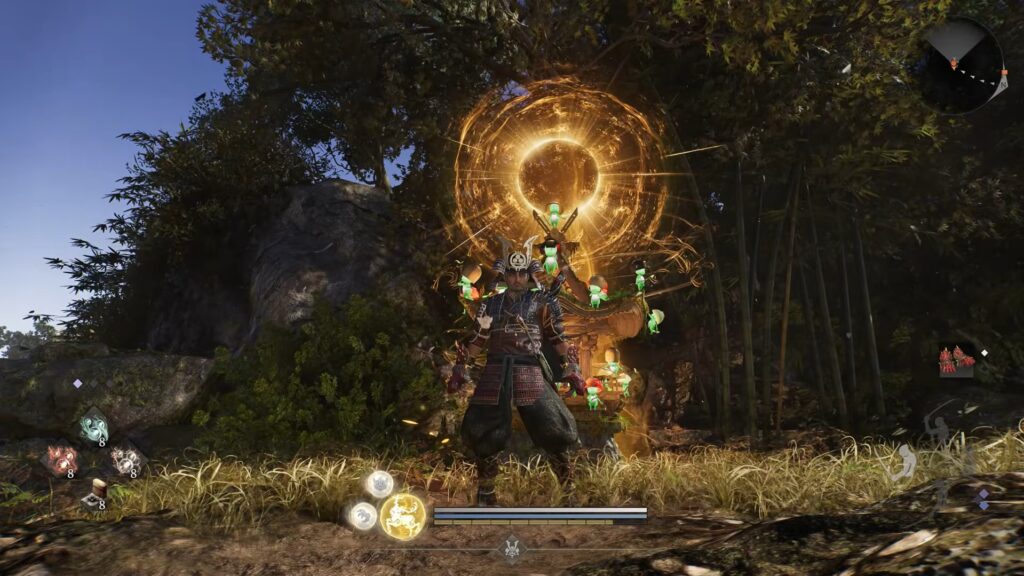
Samurai Style in Nioh 3 focuses on melee combat, stances, Ki management, and powerful attacks. Using this one is ideal to eliminate enemies in a fight effectively. Use stance to change attack patterns and damage output.
Learn Ki Pulse timing to stay aggressive in combat and use Deflect to block at the right moment to negate damage. The objective while playing as a Samurai is to break enemy Ki with thoughtful defenses and finish with heavy hits.
Ninja style offers speed, quick attacks, and evasive movement. Switch to this style for hit and run tactic quickly. Mist and Evade replace Ki Pulse, allowing you to restore Ki and reset gauges by dodging successfully. Make sure to use Mist to reposition and avoid big attacks. Deal damage to enemies with fast strikes and avoid damage through movement.
The hybrid playstyle uses both Samurai and Ninja styles to maximize effectiveness. Start fights in Ninja style to wear down enemy Ki and switch to Samurai style to land heavy hits when they’re staggered. Switch back to Ninja to regain positioning and Ki after the burst.
Spears, Switchglaives, and Odachi are the best weapons for Samurai, and Talons, Dual Ninja Swords, and Kusarigama for Ninja. Use Ninja for crowd control and mobility, and Samurai for boss fights and stagger openings.
8. Use the Best Gear
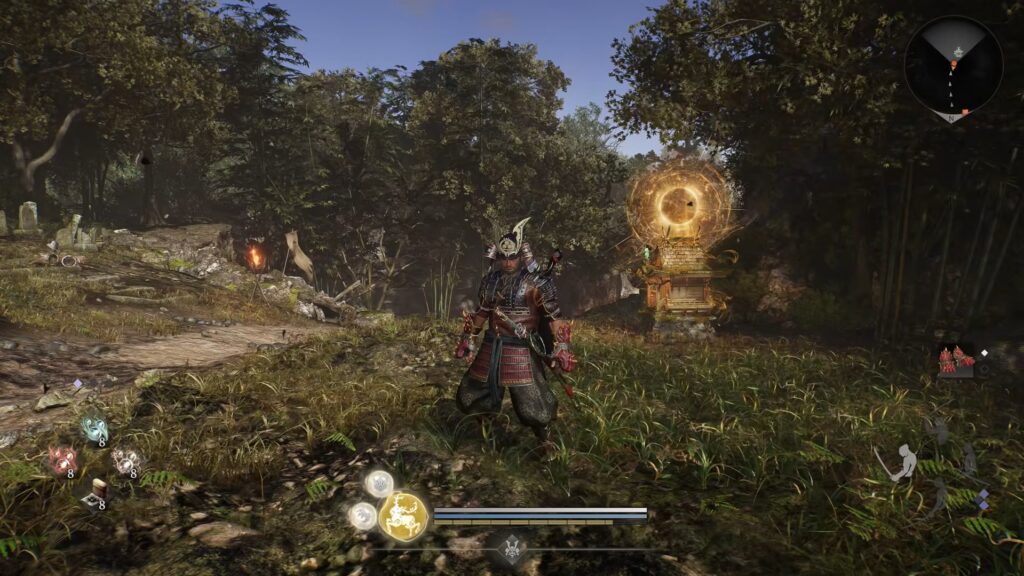
Equipping the best gear in Nioh 3 is essential to survive in a world filled with deadly enemies. They can attack and kill you quickly if you’re not wearing the good armor set. Choose the gear that synergizes with your build and grants unique bonuses. Armor covers your head, torso, arms, legs, and feet, and affects. Heavy armor gives high defense but slows you and affects Ki recovery.
Make sure to balance armor weight so your encumbrance grade stays around B or better. Some armor also comes in sets that give bonus effects by wearing multiple pieces. These can boost things like Ki recovery, damage types, resistances, and weapon styles. Accessories include amulets and charms that add small but powerful effects like Life, faster Ki recovery, and spirit force gain.
Guardian Spirits are the special companions that provide passive stat boosts and skills. They don’t count as armor but are critical gear. Picking the right one can greatly boost attack, defense, Ki regen, or other bonuses.
Crimson General’s armor set is the starter set for Samurai because it provides great defense and early bonuses like reduced Ki cost and boosted Ki pulse. Crimson General’s Nagamaki offers decent reach and good starter performance. Guhin Guardian Spirit can increase the attack & defense and reduce Ki consumption.
Iron Tonfa is a Ninja starter set that offers fast attacks. Longbow is also a good ranged option before you get heavier equipment. Equip higher-level armor or weapons you find in new areas or quests. Use smithing texts to craft versions of gear you like, but with higher stats.
9. Respec Points

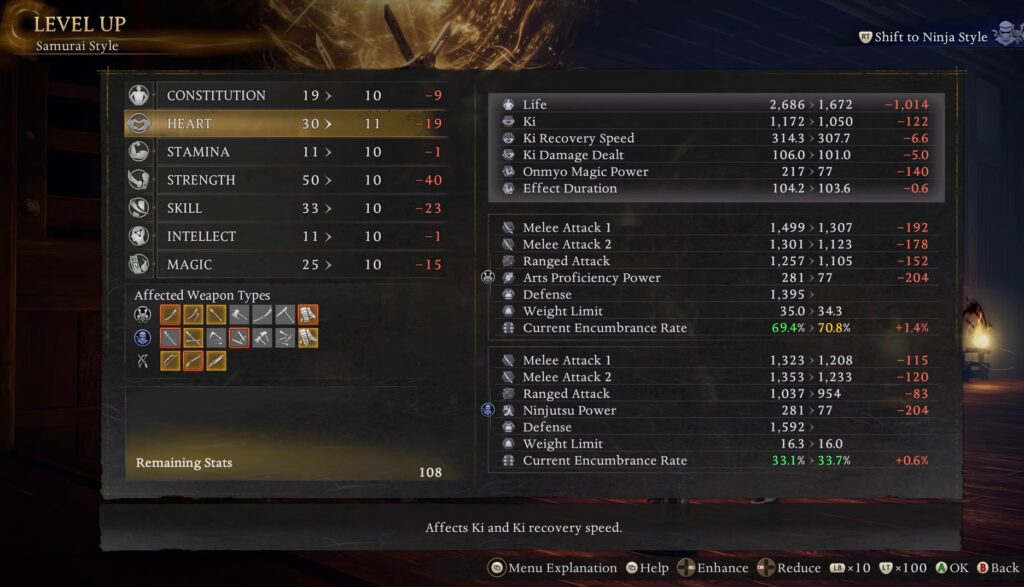
Don’t be scared to experiment and try other builds or play styles, even from early on. That is because reseccing both the attributes and the skill trees is absolutely free and will not cost any resource. You just have to go to any shrine in the game and perform the resec from the screens over here.
So, if you’re looking to play with a different play style than your current one or trying to test out different weapons to see what clicks, this is going to be easier than ever and doesn’t cost any resources.
I also recommend going with a more balanced spread of attributes early on, like 10 and 20 into most of them. Maybe with a slight favor towards the heart for the extra HP and key. Having enough keys early on means having enough for dodging or parrying, but still having some extra in the tank to punish enemies with follow-up attacks after.
Early on, your biggest source of damage and defenses comes from getting higher-level gear anyway. Attributes will not start making a big enough difference until much later, once you start hitting its soft and hard gaps.
10. Get Training Inside the Arena
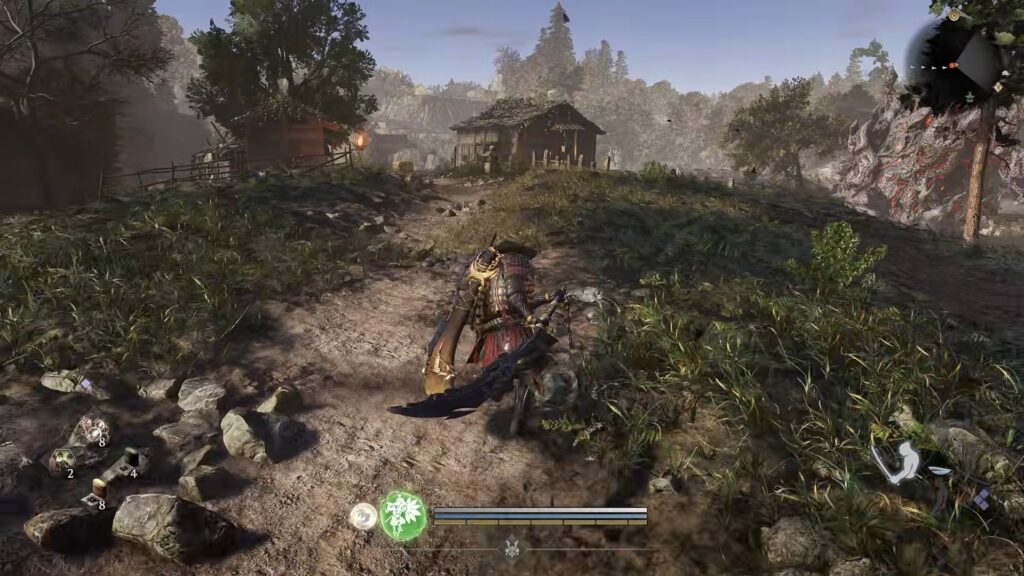
The Training Arena in Nioh 3 is a safe practice area where you can try out moves, combos, and weapon skills. It’s great for learning combat fundamentals before heading out for the missions. You must first unlock the “Eternal Rift” hub area. This happens through a story‑related quest where you obtain a special mirror.
Until you’ve reached that point, you can’t access the arena. Find three NPCs teaching the basics of Samurai, Ninja, and Onmyo styles after getting inside the Eternal Rift. Speak with all of them before using the training. Approach the shrine, open the “Battle Scrolls” menu, and look for Expanded Control in the Edo period scroll list.
Selecting that scroll transports you directly to the Training Arena. You can choose your opponent type to practice light/heavy attacks, combos, stance changes, and skills. Make sure to visit the Acquire Martial Arts/Ninjutsu menu before entering. After that, test those moves on the spawned opponent. Every time you unlock new Martial Arts or Ninja skills, return to the arena and test how they fit in your combos.
11. Parry the Attacks
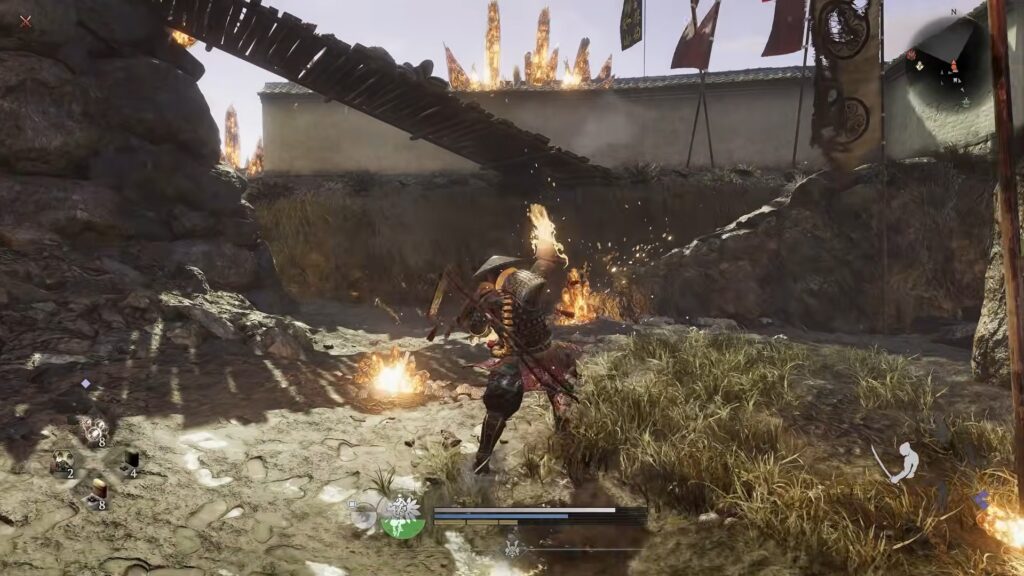
Parry mechanic in Nioh 3 is Deflect. It’s a defensive move that rewards Ki regen and Arts energy when you time a block right just as an enemy attack hits. You don’t have Parry by default at the very start.
Make sure to unlock the Deflect skill in the Samurai skill tree. Open the menu, go to Acquire Martial Arts, select the Samurai tree, and buy the Deflect skill using Samurai skill points.
Once you have Deflect, press the guard button just as an enemy attack is about to hit. If timed right, you will deflect the attack. It doesn’t drain enemy Ki like in some other games and is not the main way to stagger enemies. Make sure to use parry when you see telegraphed attacks with clear wind‑ups.
12. Use Stealth To Defeat Enemies
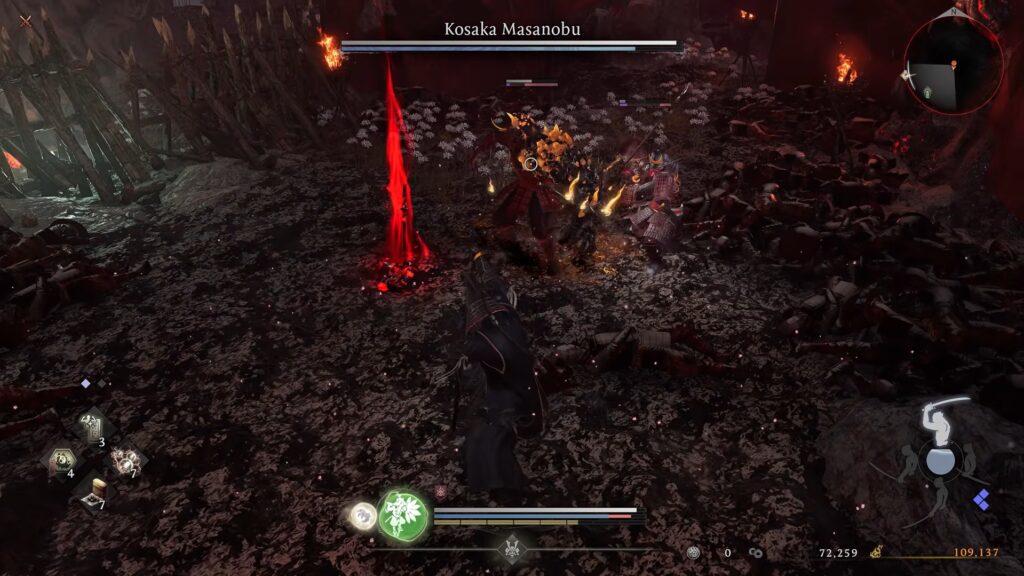
To perform a proper stealth kill on enemies, you need the Sneak Attack ability from the Ninja skill tree. Approach an enemy from behind while they haven’t noticed you. When a red indicator appears on the enemy, press the attack button to perform the Sneak Attack. This deals extra damage, and for human enemies often kills them quickly.
Crouching and walking slowly makes less noise. You can hide better and approach the enemies in open areas with tall grass. Start by taking out lone enemies before moving on to larger groups. I recommend using bushes, walls, and elevated spots to approach enemies from blind angles.
13. Obtain Onmyo Magic Key
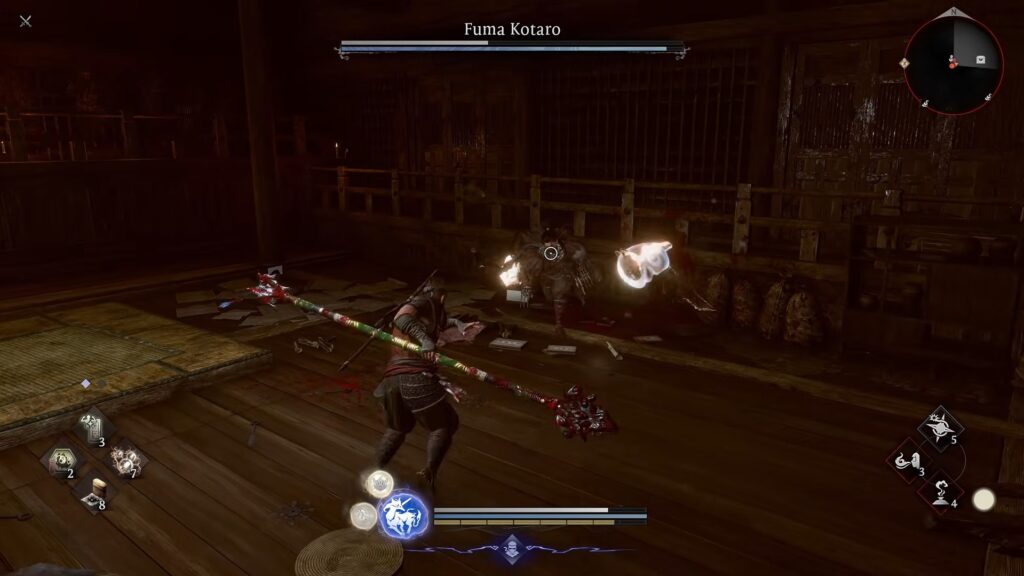
Onmyo Magic in Nioh 3 consists of the talismans and spiritual spells. They provide buffs, debuffs, summons, and other arcane effects in combat. You equip and use these spells at shrines once unlocked. Defeat powerful yokai enemies and special foes to get Soul Cores. They are key items that contain Onmyo Magic spells or Yokai abilities.
You can manage Onmyo Magic by placing Soul Cores into the Onmyo Box at shrines. Hold Soul Cores in Yin Slots that grant Onmyo Magic spells, and Yang Slots provide stat bonuses or other passive effects. Pray at a shrine, go to the Ready Jutsu tab, and select the Onmyo spells or talismans you want to prepare.
14. Change the Controls
You can remap almost all controls for both controllers and keyboard/mouse. Open System and go to Controls in the options menu to remap buttons. You can change combat buttons, stance switches, item shortcuts, aiming, and more.
Type F is often recommended if you’re coming from Nioh 2 because it places dodge and burst counter in familiar spots. Pick the preset that matches your old layout to help your muscle memory transition. Switch guard and ranged weapon aim between hold and toggle. Several control settings can make combat feel tighter.
15. Experiment With Builds
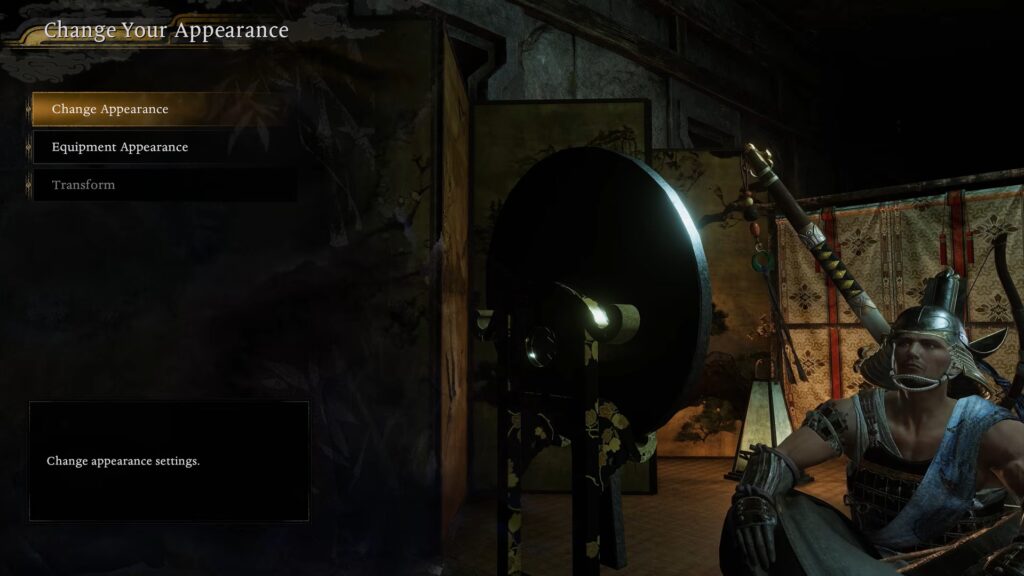
The game allows you to respec at any shrine, meaning you can refund stat points to try different setups. Mixing different elements changes how you attack, defend, and control fights. Changing the builds allows you to learn your playstyle and know which items work best for you.
A Samurai burst build focuses on burst damage and stance, while the Ninja setup leans into fast attacks and evasion. Make sure to focus on basic weapon familiarity and core systems first. Experimentation helps adapt to different enemies and challenges.