Summary
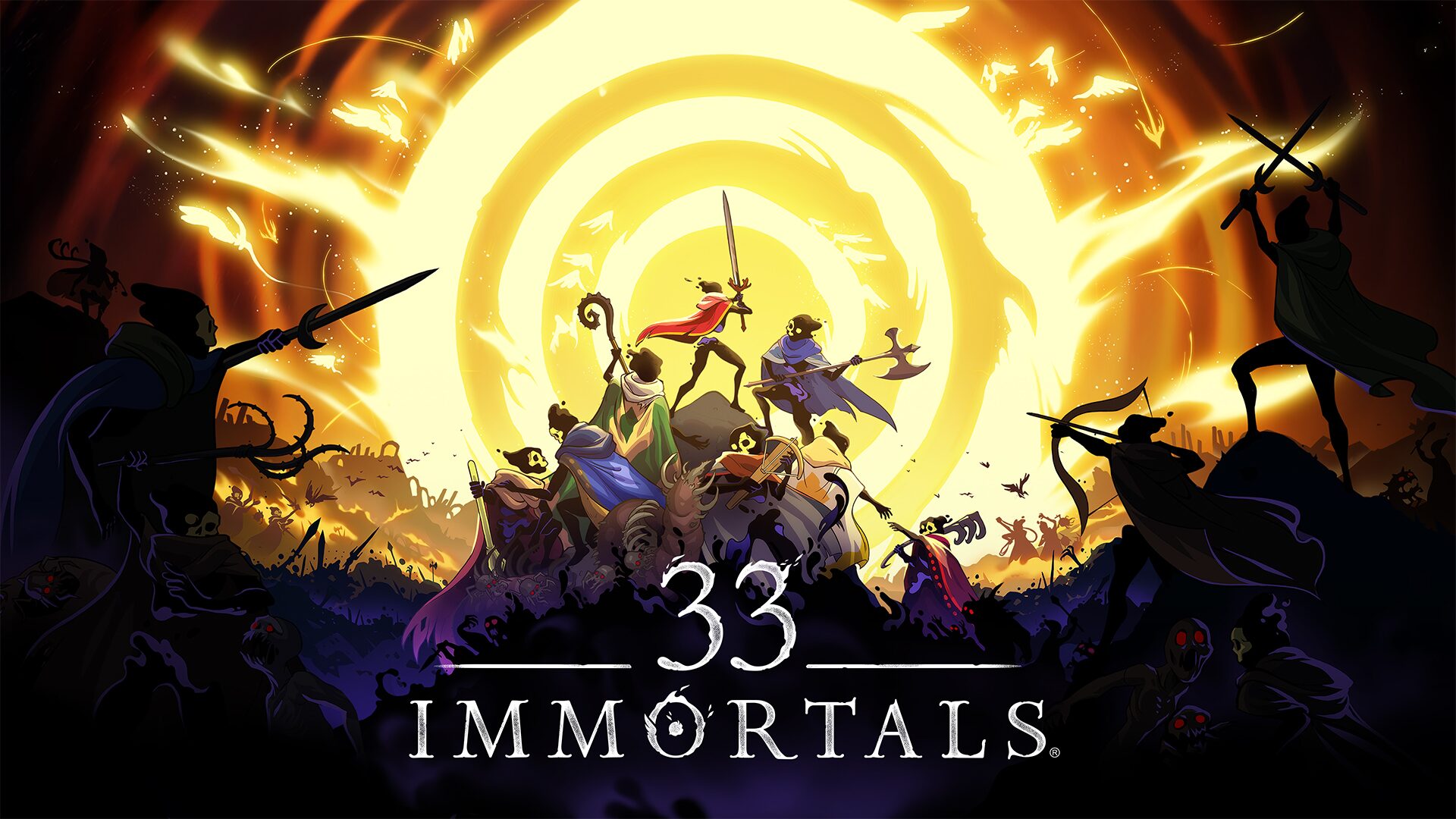
33 Immortals transforms chaotic 33 player battles into an exhilarating cooperative roguelike experience. Its addictive progression, rewarding teamwork, memorable boss encounters, and refreshingly accessible design make it one of the most original multiplayer games in recent years, even if visual clutter and limited communication occasionally get in the way.
Developer: Thunder Lotus
Publisher: Thunder Lotus
Platforms – PC (Reviewed)
Review copy given by Publisher
Few games attempt to throw dozens of players into the same cooperative roguelike experience, and even fewer manage to make it feel cohesive. 33 Immortals sets out with an ambitious idea: combine the fast paced progression of a roguelike with MMO style raid encounters, all while supporting up to 33 players fighting side by side. It is an unusual concept that sounds chaotic on paper, but in practice it creates one of the most unique multiplayer experiences available today.
Rather than focusing on lengthy matchmaking queues or complicated party management, 33 Immortals gets players into the action almost immediately. Whether jumping in solo or bringing along a handful of friends, the game quickly fills the remaining slots and drops everyone into a massive battlefield. That immediate accessibility keeps the momentum high and fits perfectly with the roguelike formula of repeated runs.
The game’s premise is equally intriguing. Players take on the role of damned souls rebelling against God’s final judgment, battling through armies of angels and divine creations in hopes of earning their freedom. The religious inspiration gives 33 Immortals a distinct identity, mixing biblical themes with fantasy in a way that feels fresh rather than controversial.
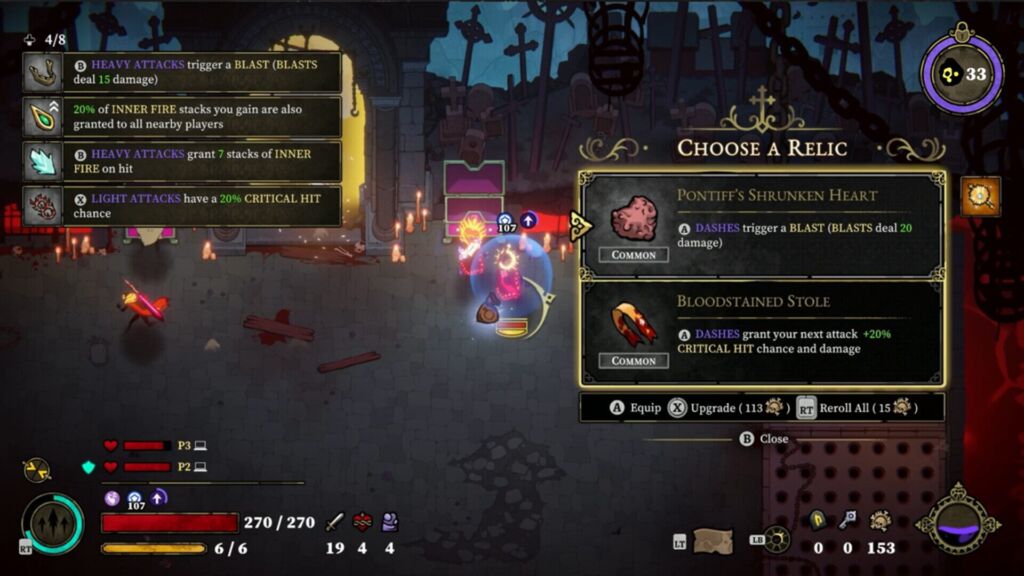
Gameplay revolves around surviving increasingly dangerous encounters while working together with dozens of strangers. Unlike most online games that rely heavily on voice communication, 33 Immortals encourages teamwork through simple emotes, pings, and cooperative abilities. Surprisingly, this works remarkably well. Players naturally gather around objectives, revive one another, and coordinate attacks without needing to say a single word.
The sheer scale of each run is immediately impressive. Watching dozens of players charge into combat against enormous groups of enemies creates an excitement that smaller cooperative games struggle to replicate. The battlefield constantly feels alive as abilities explode across the screen and players rush between objectives.
Combat itself is satisfying from the very beginning. Every weapon offers its own identity, encouraging players to experiment with different approaches instead of settling into a single strategy. Some favor aggressive melee attacks while others provide safer ranged options or support oriented abilities.
As runs progress, players collect relics and upgrades that dramatically alter their builds. Randomized rewards ensure no two attempts feel exactly alike. One run may focus entirely on critical damage while another emphasizes survivability or crowd control. That unpredictability is essential to keeping the roguelike structure engaging.
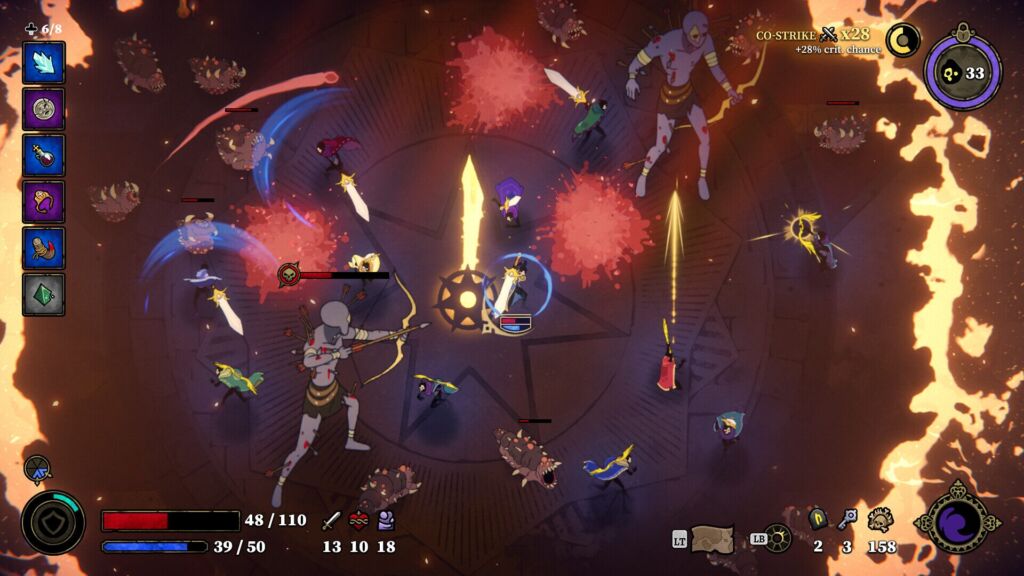
Permanent progression also gives every failed run meaning. Resources collected during battles unlock new weapons, passive upgrades, and additional customization options. Even unsuccessful attempts feel worthwhile because players are steadily becoming stronger for future expeditions.
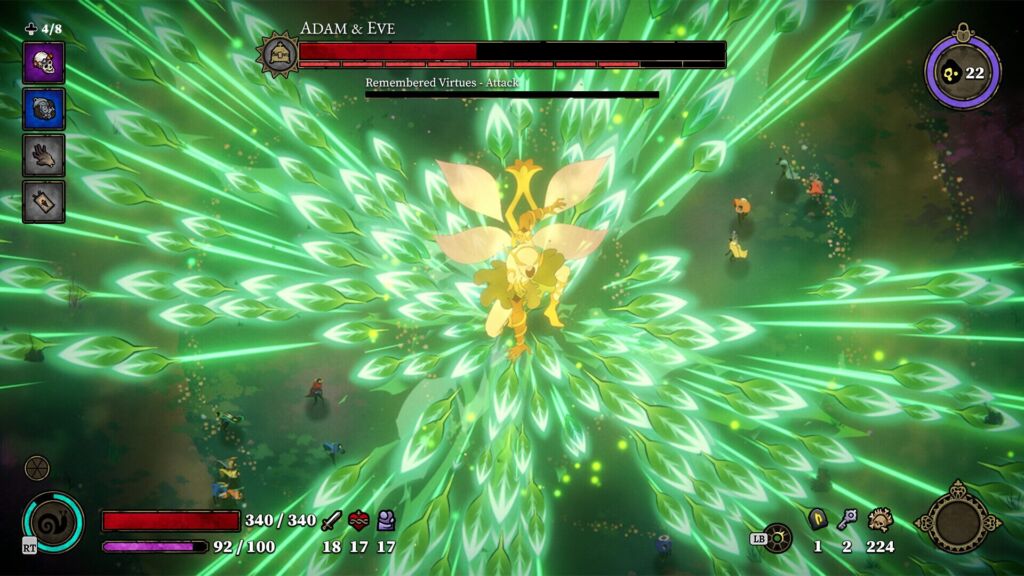
Boss fights are easily among the game’s strongest moments. Massive enemies demand cooperation from the entire server rather than just a small team. Players spread across enormous arenas, avoiding devastating attacks while reviving teammates and slowly wearing down gigantic health bars. These encounters successfully capture the feeling of participating in a true multiplayer raid without requiring hours of preparation.
The visual presentation complements the action nicely. The hand drawn art style gives the world a timeless storybook appearance while still maintaining plenty of detail during large battles. Character animations remain readable despite the overwhelming number of players occupying the screen simultaneously.
Enemy variety also deserves praise. Different monsters require players to adjust their positioning and priorities, preventing combat from becoming repetitive. Combined with randomized encounters, every expedition introduces enough surprises to encourage repeated play.
Performance remains surprisingly stable considering the number of players involved. Even with dozens of characters attacking simultaneously, the game generally maintains smooth gameplay. Minor frame drops occasionally appear during the most chaotic encounters, but they rarely impact the overall experience.
One area where 33 Immortals occasionally struggles is readability. With so many players unleashing attacks simultaneously, the screen can become visually overwhelming. Important enemy telegraphs sometimes disappear beneath layers of effects, leading to damage that feels unavoidable. It is part of the spectacle, but it can also become frustrating during intense boss encounters.
The limited communication options, while impressive in concept, also have occasional shortcomings. Emotes and pings cover most situations, but more advanced coordination during difficult fights can be challenging when playing with random teammates. Thankfully, the straightforward objectives help minimize confusion.
The progression system does an excellent job balancing accessibility with long term goals. New players can contribute almost immediately, while veterans continue unlocking powerful combinations that noticeably change how each weapon performs. It creates a satisfying sense of growth without making newcomers feel useless.
Replayability is naturally one of the game’s biggest strengths. Randomized builds, varying encounters, different weapons, and evolving player strategies ensure each run unfolds differently. Even after dozens of attempts, there remains a strong incentive to chase better builds and conquer increasingly difficult content.
Cosmetic customization provides another layer of progression without interfering with gameplay balance. Players can personalize their immortal while continuing to unlock meaningful gameplay improvements separately, avoiding many of the pitfalls common in modern live service games.
Perhaps the greatest achievement of 33 Immortals is how successfully it makes complete strangers feel like part of a unified team. There is something genuinely satisfying about seeing an army of players instinctively rally together to rescue fallen allies before launching one final assault against an overwhelming boss. Those moments create memorable stories that few cooperative games can replicate.
While the occasional visual clutter and communication limitations prevent absolute perfection, they do little to overshadow the game’s remarkable ambition and successful execution. Thunder Lotus has created a multiplayer roguelike unlike anything else currently available.
33 Immortals proves that cooperative games do not always need carefully assembled squads or hours of commitment to deliver unforgettable experiences. By combining fast matchmaking, satisfying roguelike progression, and large scale cooperative battles, it offers something genuinely original in an increasingly crowded genre.

Will is a long-time veteran of the game review world. He is a QA Tester of not only video games, with his name in many game credits, but has also worked QA for many of our favorite tech products for multiple companies. Will can almost always be found gaming while also chatting away on Discord.
- 01ReviewsReview: DragonSword: Awakening
- 02ReviewsReview: 33 Immortals
- 03NewsRuneScape Edition of Monopoly ships this October
- 04NewsReport: PlayStation Users Show Trend In Purchasing Expensive Versions Of New Releases, 2026 Physical Metrics Shared
- 05NewsFormer PlayStation Employee Shares Sony Issued Strict Instruction To Not Comment On Recent Digital Shift