Summary
A hopeless mashup of pop idols, monster battles, and algorithm conspiracies that never figures out what it wants to be. UltraGirl Alters is not just bad, it is a shining example of what happens when ambition collides with zero focus.
Developer – FutureInvention
Publisher – FutureInvention
Platforms – PC (Reviewed)
Review copy given by Developer

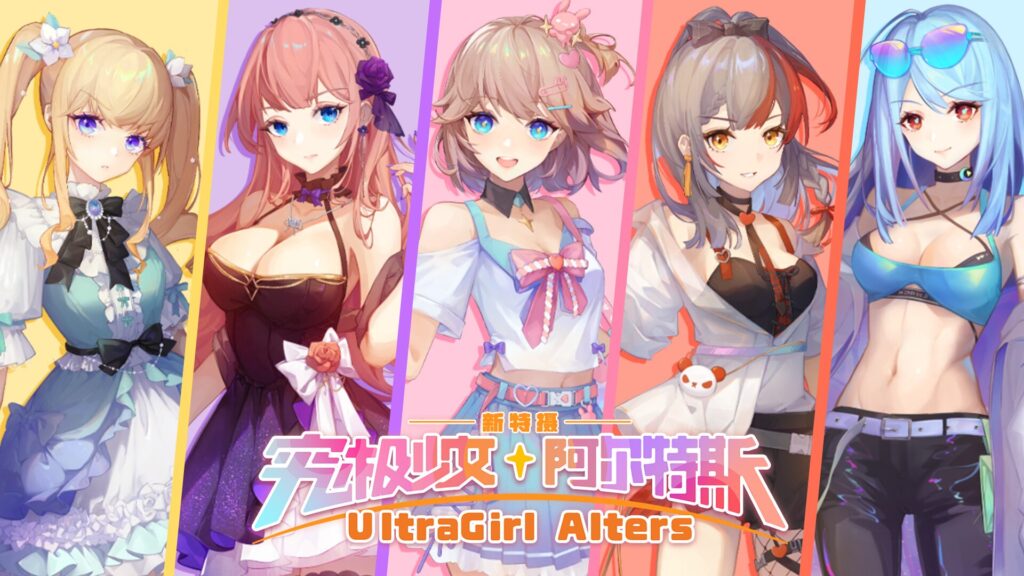
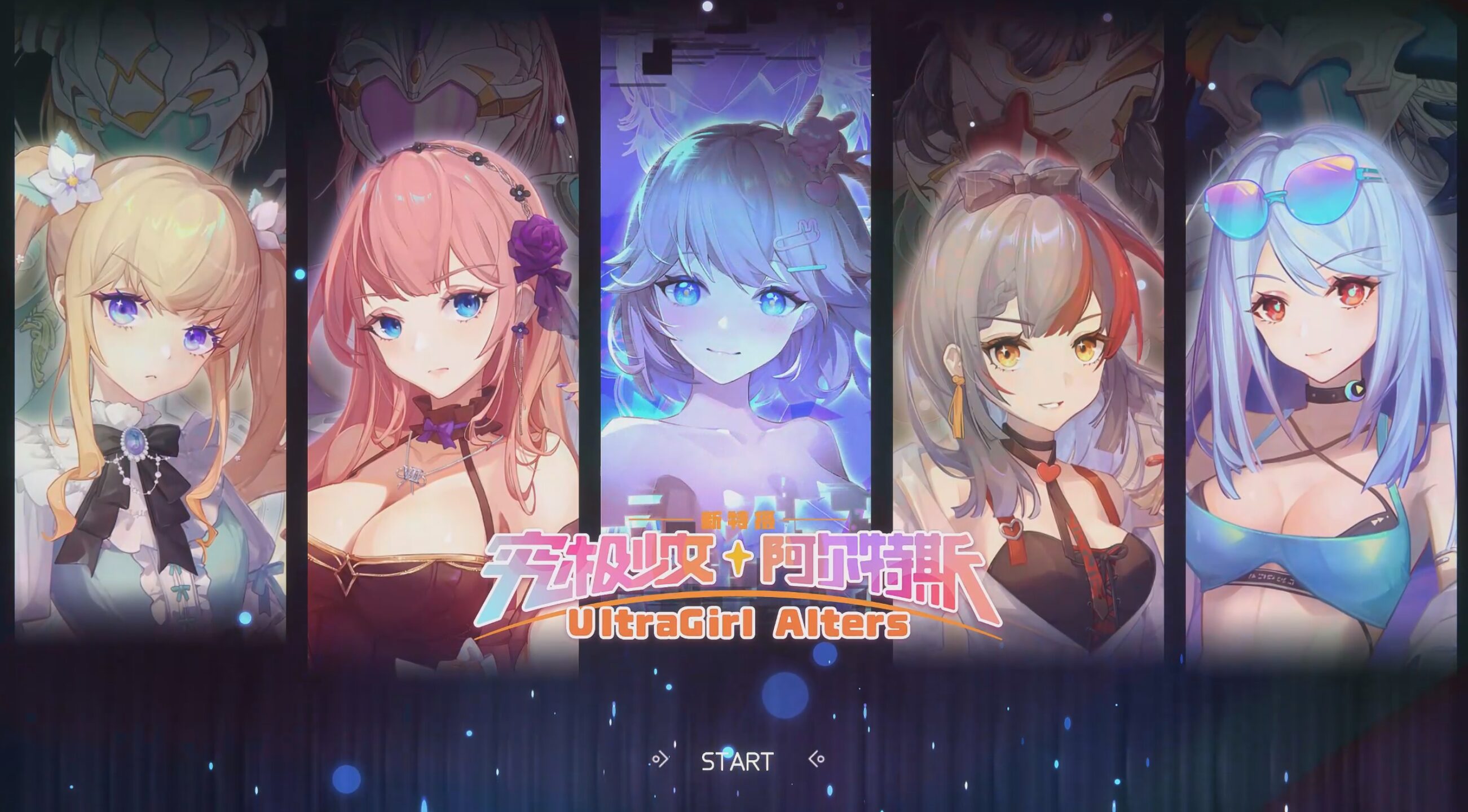
UltraGirl Alters had me hooked from the trailer alone. A pop idol group that also fights monsters in shiny Tokusatsu style suits sounded like an absolute fever dream of potential. The teaser showed these cute chibibi styled characters flipping between singing on stage and punching virtual monsters while a dark, algorithm controlled world simmered in the background. The premise was pure chaotic magic, something that could have been part Love Live, part Kamen Rider, and part Nier Automata. Unfortunately, the final product is none of those things. Instead, it is a catastrophic pile of mismatched ideas buried under technical issues and an identity crisis so severe that even the idols themselves would probably unfollow it.
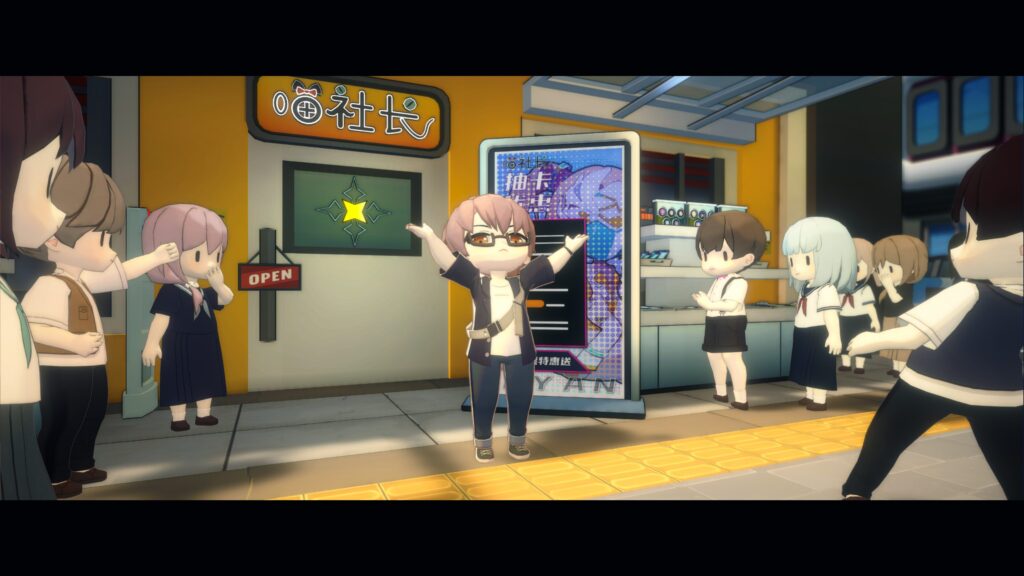
You play as the manager of a virtual idol group called Alters, which sounds intriguing until you realize that manager basically means clicking through endless dialogue boxes while everyone dumps exposition that barely connects from one scene to the next. The idea is that you are balancing their careers, helping them with personal issues like cyberbullying and leaked scandals, while also managing their alter egos who fight digital monsters created by a sinister corporation called INFI X. It is a lot, and the game never once figures out how to make any of it feel cohesive.
At its best, UltraGirl Alters flirts with a meaningful story about human connection in a hyper digital world. At its worst, it feels like a chaotic fan game that slammed together half a dozen genres without a single editor saying no. One moment, you are comforting an idol after a fan club meltdown, the next you are in a confusing hybrid battle system that does not know if it wants to be turn based or real time. It feels like the developers threw in every idea they had and forgot that video games need flow, pacing, and focus to actually work.
The main campaign constantly teases this mystery about INFI X and their world controlling algorithms. The problem is, none of it lands with any emotional or narrative weight. The writing tries to sound deep and dystopian, but it ends up feeling like a parody of tech jargon. “Profit driven entertainment has reached its limit under the grip of algorithmic gods.” Cool line, but what does that even mean? The game never explains it, leaving you more confused than intrigued.
And let’s talk about that chibibi art style. It looked adorable in trailers but comes across lifeless in the actual game. Expressions rarely match the emotional tone of the dialogue, and animations feel stiff, especially during story scenes. When the girls transform into their Tokusatsu suits, you expect sparkle and energy. Instead, you get low budget cutscenes that make you wonder if someone accidentally swapped in placeholder files.
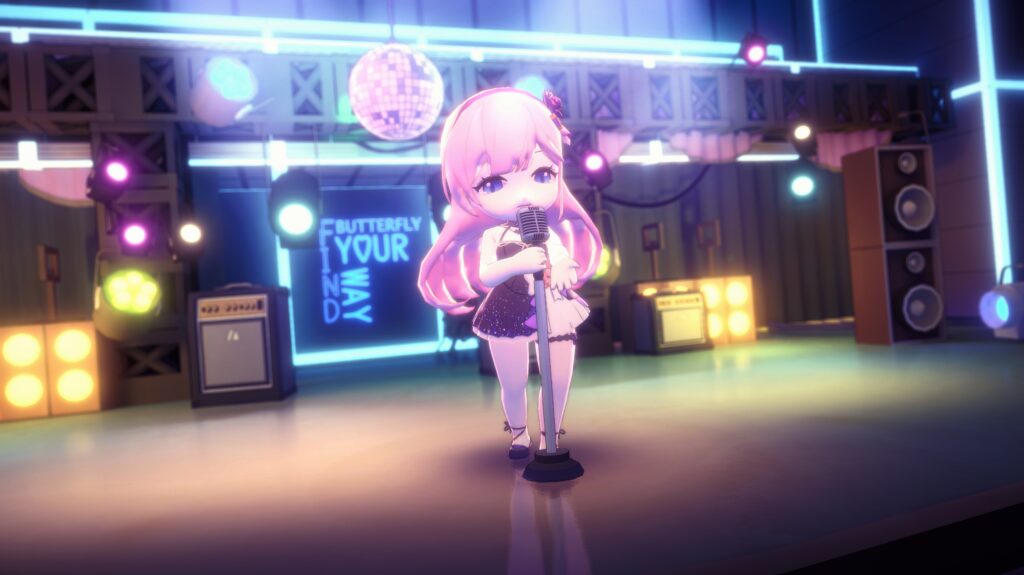
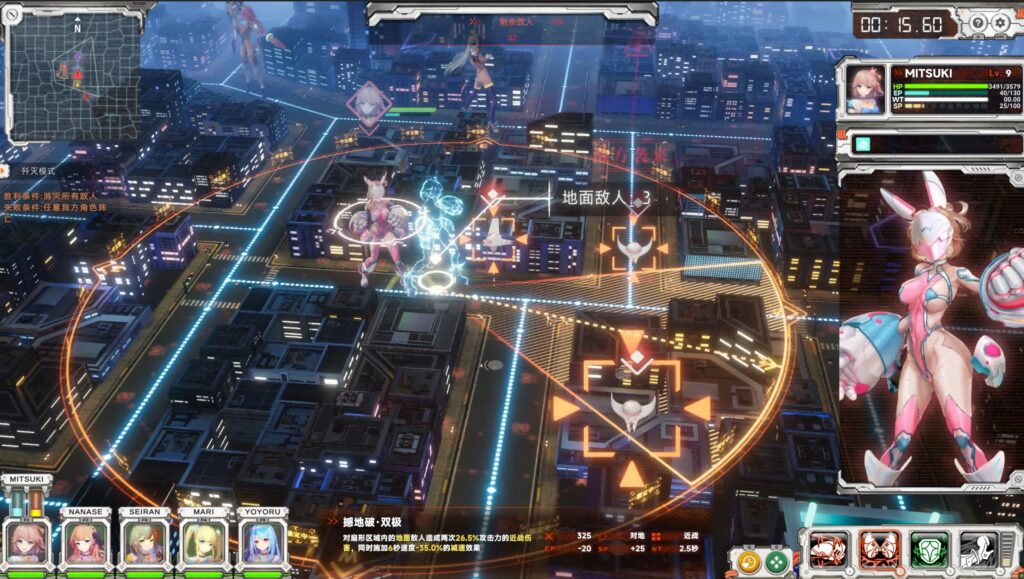
Combat is supposed to be the game’s big hook, a mix of real time and turn based strategy where you direct each idol’s attacks and coordinate flashy finishers for live stream audience reactions. It sounds fresh, but it plays like a tech demo that never made it out of beta. Inputs feel sluggish, targeting is inconsistent, and the supposed strategic layer barely exists. You can spam attacks and still win most fights, which completely kills the need for any tactical thought.
Even worse, the live stream mechanic that influences post battle ratings is utterly meaningless. No matter how well or poorly you perform, the system spits out random responses that do not seem to connect to your actions. The audience can cheer wildly while your team is on the verge of defeat, or boo after a flawless victory. It is almost impressive how incoherent it all feels.
Outside of combat, the game lets you explore the city, which mostly means clicking around static screens with generic NPCs that deliver pointless side quests about data miners or influencer cults. Occasionally you stumble into a character’s side story that tries to deepen your bond, but even these moments feel hollow. Every idol is written like a cliché from a visual novel you have already played ten times, the shy one, the loud one, the serious one, the flirty one, the childhood friend. None of them evolve beyond their archetypes.
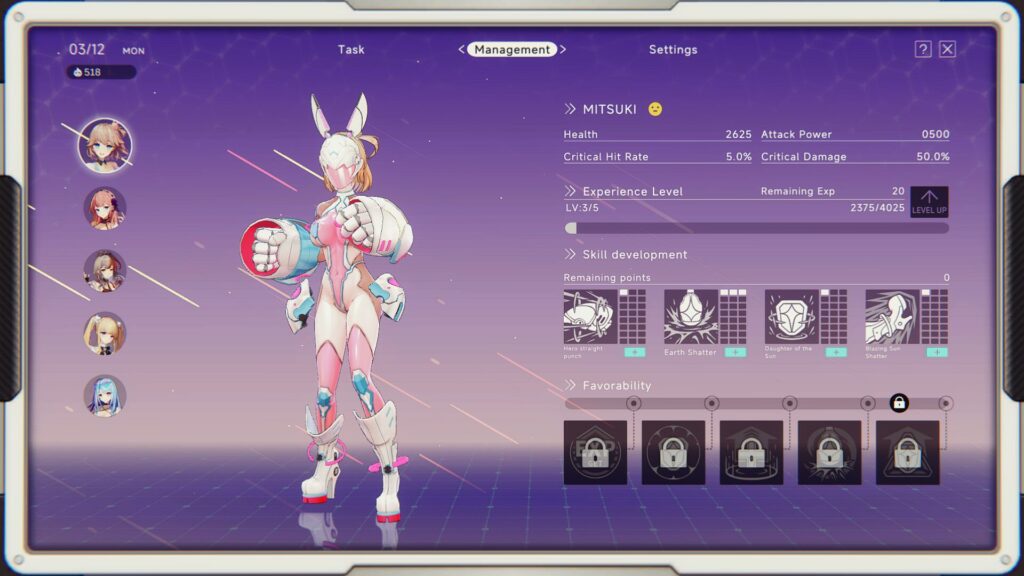
The bonding system itself is another mess. Raising relationship levels is tedious, with dialogue that loops endlessly until you unlock special scenes that are supposed to feel heartfelt but instead come off like rejected subplots from a mobile gacha game. Even the so called perfect ending, which promises emotional closure, is just another shallow cutscene that pretends to be profound.
There is also the technical side, which is just as broken as everything else. Frame drops are frequent during battles, sound mixing cuts out mid scene, and loading screens linger far too long for a game that looks this simple. Even the UI feels like it was slapped together in a rush, with inconsistent fonts, awkward menus, and tutorial pop ups that vanish before you finish reading them.
To make matters worse, the soundtrack, which should have been the heart of an idol themed game, barely registers. The songs are generic, repetitive, and lack any memorable hooks. You would expect at least one banger performance moment to sell the fantasy of being a pop idol team saving the world, but no. Every concert segment feels painfully flat, as if the developers forgot that music is supposed to move people.
UltraGirl Alters could have been a fascinating blend of idol management, social commentary, and flashy Tokusatsu action. Instead, it is a dumpster fire of clashing ideas that never come together. It feels like the developers had a whiteboard full of random buzzwords like idols, algorithms, virtual worlds, friendship, livestreams, and decided to cram them all into one undercooked project. The result is a confusing, tone deaf experience that does not satisfy as a story, a strategy game, or even a guilty pleasure.
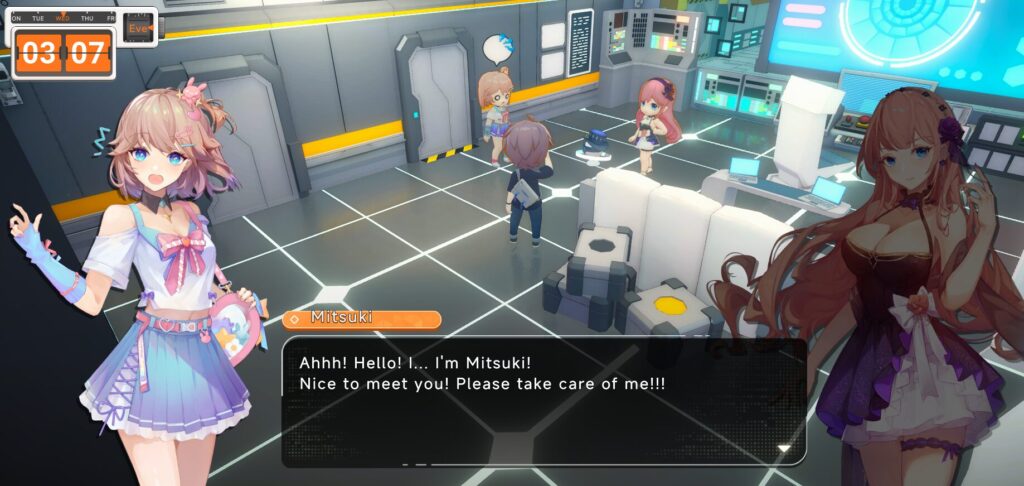
There are rare moments where you can see the spark of what UltraGirl Alters could have been. A brief conversation about the cost of fame, a glimpse of the corporate dystopia lurking behind the scenes, these moments almost work. But almost is not enough when everything else feels like a chaotic crash of genres, mechanics, and missed potential.
In the end, UltraGirl Alters is a sad case of ambition gone completely off the rails. What could have been a bold, creative spin on the idol genre turned into a steaming pile of confusion and technical failure. For every idea that sounds exciting on paper, the execution feels broken beyond repair.