Summary
Developer – Studio Aurum
Publisher – Studio Aurum, Red Art Games
Platforms – PC, Xbox Series X|S, PS5, Switch 2 (reviewed)
Review copy given by publisher
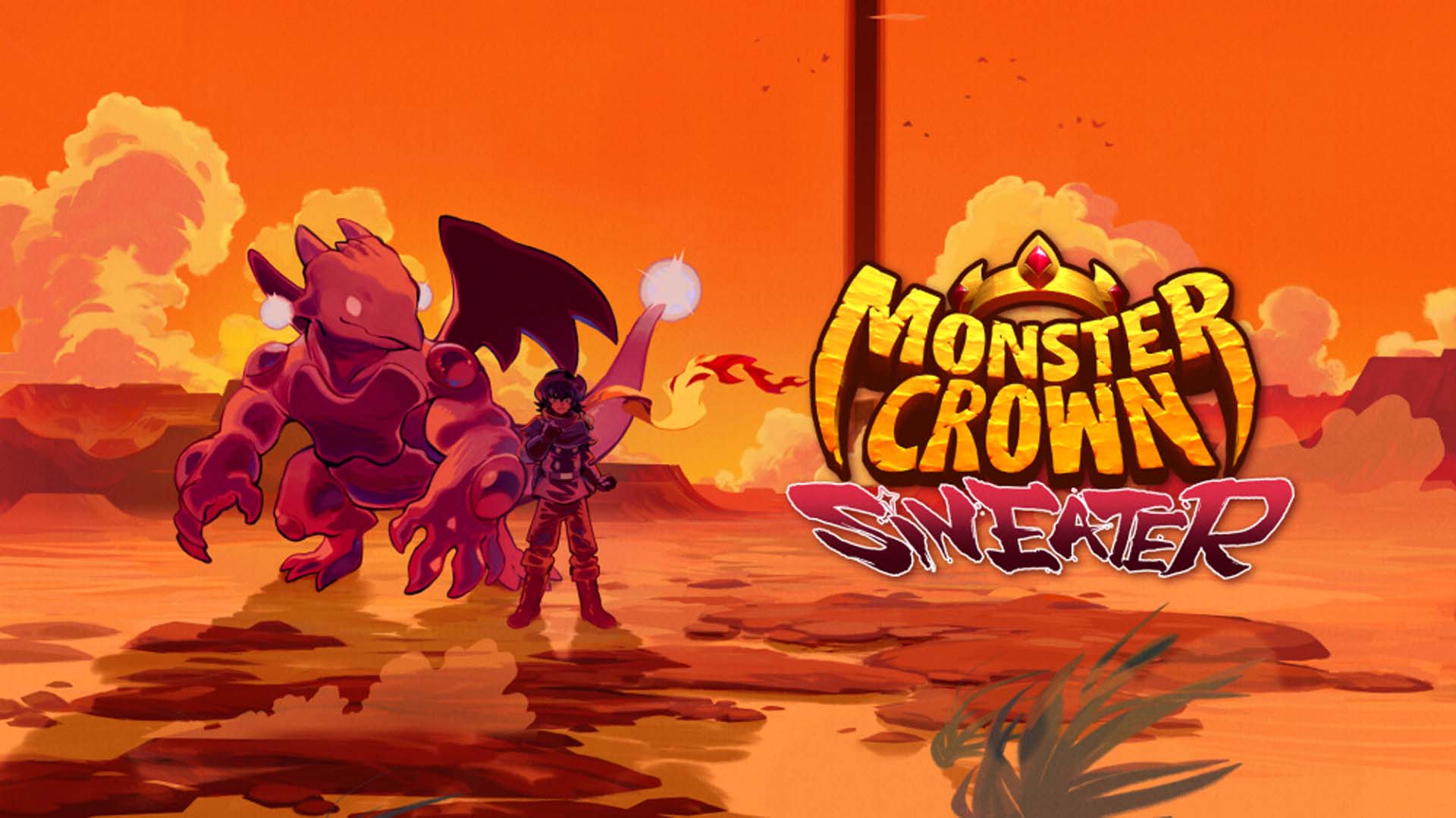
Monster taming is a difficult profession in the world of Monster Crown: Sin Eater. Survival rates are low, taming monsters isn’t easy, and powerful beings rule above all. But after a horrible tragedy hits your family, you embark on a journey to get revenge. What follows is a journey to the top that changes everything you know. You don’t embark on this journey alone, fighting with monsters you tame along the way.
Monster Crown: Sin Eater gives you the tools to create powerful monsters that decimate your enemies. Slowly refining your monsters and creating stronger ones lets you decide your preferred playstyle. Much of the knowledge to create monsters is mostly through guesswork and it takes a long time to create your ideal army. The effort is worthwhile if you are willing to invest the time but without said investment, it may be difficult.
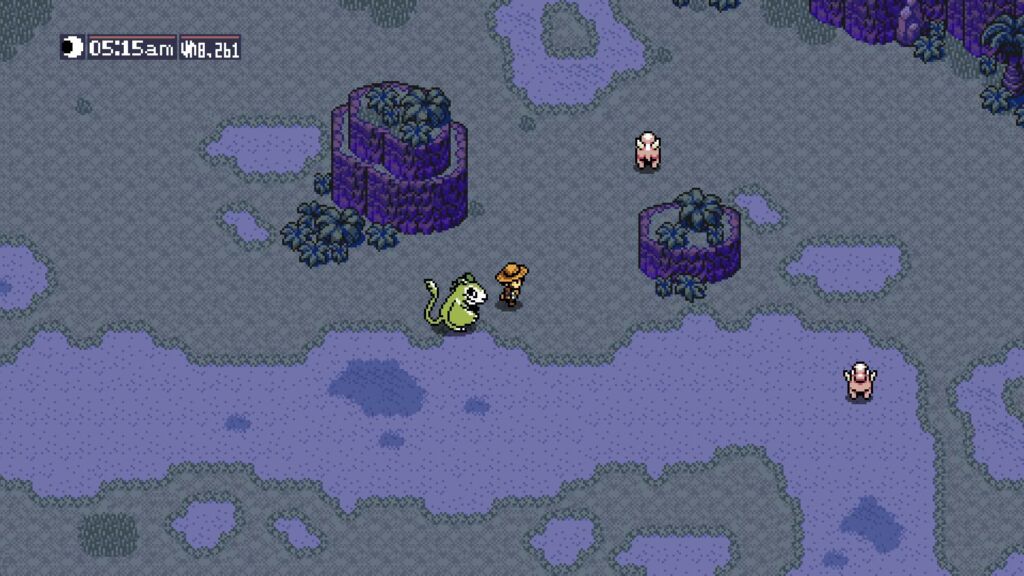
The story begins as you learn the basics of monster taming from your brother. He is later arrested and brought to a different town for a trial. Your goal is to rescue him and then later fight against the authorities that rule the land. Your enemies get progressively stronger as you fight through them and you need powerful monsters to assist you. There are several varieties and you must master taming if you want to make progress.
It’s not hard to find similar variations of the story and it likely won’t surprise you. The main appeal is the monster taming where you battle monsters and recruit them. Even when you start the game, there are several monsters that bolster your team while adapting to new challenges. Progressing through the game with your starting team is possible but the game allows you to breed and fuse monsters together. This gives you more variations on team makeup while giving you access to consolidated skillsets.
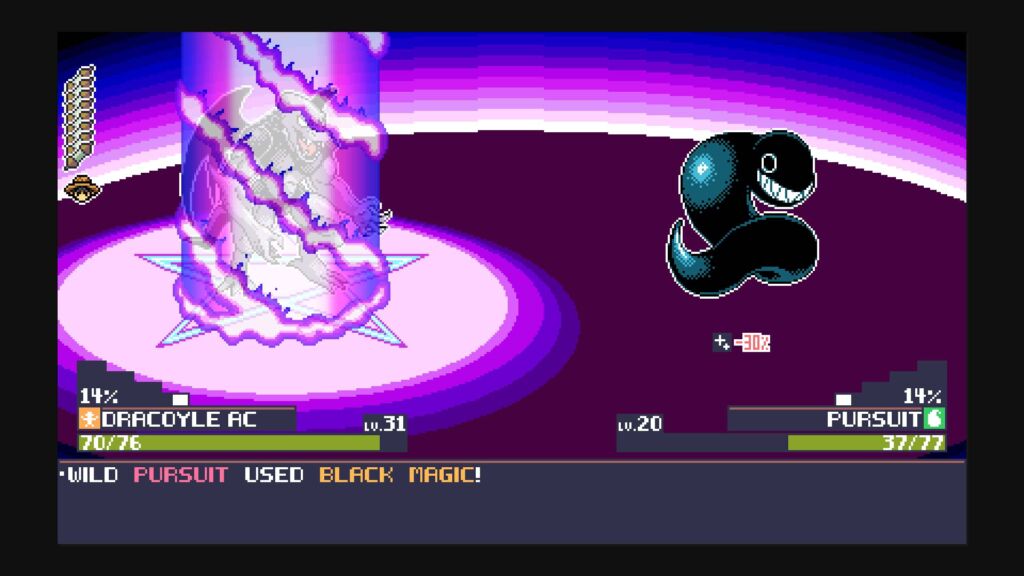
The variety of monsters and moves gives you lots of opportunities to experiment. It’s hard to find wrong team combinations or monsters that just aren’t good enough. Anyone can become a powerful team player if you invest in their growth. You do need some team diversity to tackle future challenges but you can hold a large number of monsters by default. This lets you build your team for future challenges without feeling like you are restricted in team potential.
Breeding and fusing monsters also provides more variety. Each method allows you to pass down moves from both “parents”, giving you a fighter with a consolidated moveset. Fusing can sometimes result in unique monsters that can’t be obtained anywhere else. Both methods allow you to obtain monster variations that would otherwise require luck to find in the wild. This further enhances the strategic aspect of combat and allows you to spend time customizing your monsters.
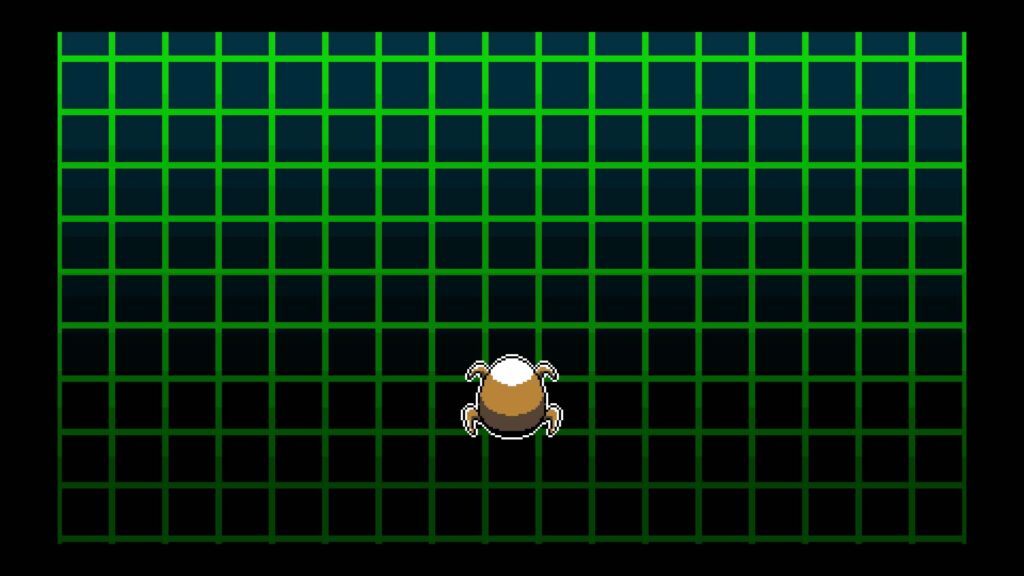
The downside is that creating the ideal monster takes considerable time and experience isn’t shared easily. You are often breeding the ideal monster for a situation, training them, then creating another ideal monster later. Instead of training a few powerful fighters, you are encouraged to switch entire teams out to deal with the situation at hand. Without knowing what’s ahead, this often means you spend hours overcoming challenges or creating the “perfect monster”.
You also don’t have lots of information when it comes to what a monster can learn or become. Unlike a popular franchise with established information, much of your experience with monsters is down to guesswork. Certain items evolve monsters but you don’t always know which ones. Fusing unique monsters is fantastic but the combinations are rarely spelled out. Monster movesets can vary wildly and require lots of training to fully unlock. Creating your ideal monster is never easy but you are often grasping at straws to get the components you need.
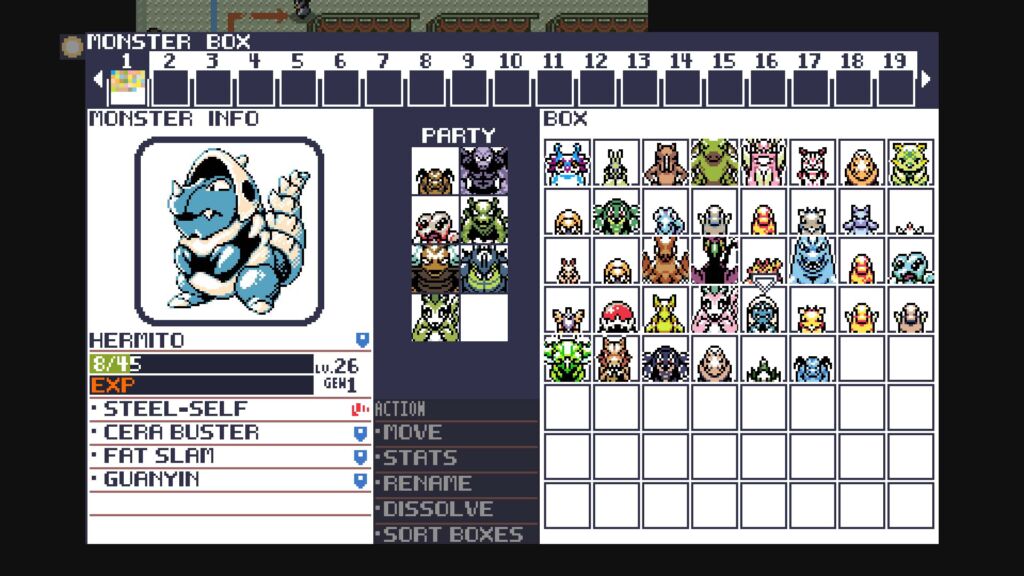
It’s also not easy to train your monsters or find ideal places to train them in. You don’t know the average level of monsters in specific areas as some can be considerably stronger than others. Even the same dungeon can have vast level differences the further you go that require grinding to surpass. Monsters are also trained individually unless you swap them out, forcing you to get experience for at most a few monsters per battle.