
Summary
Altheia captures much of the spirit of an indie Breath of the Wild style game, exploration of magical ruins, environmental puzzles, dual character synergy and a vivid visual aesthetic. At its current stage it thrills in short bursts but is held back by bugs, clumsy camera controls, inconsistent saves and narrative thinness. If the devs fix the game and deliver reliable mechanics, smoother input, improved checkpoint logic and deeper storytelling, it could emerge as a memorable indie action adventure.
Developer – MarsLit Games
Publisher – Neon Doctrine, Game Seer Publishing
Platforms – Playstation 4/5, Nintendo Switch , Xbox Serie S|X , Xbox One ,PC (Reviewed)
Review copy given by Developer
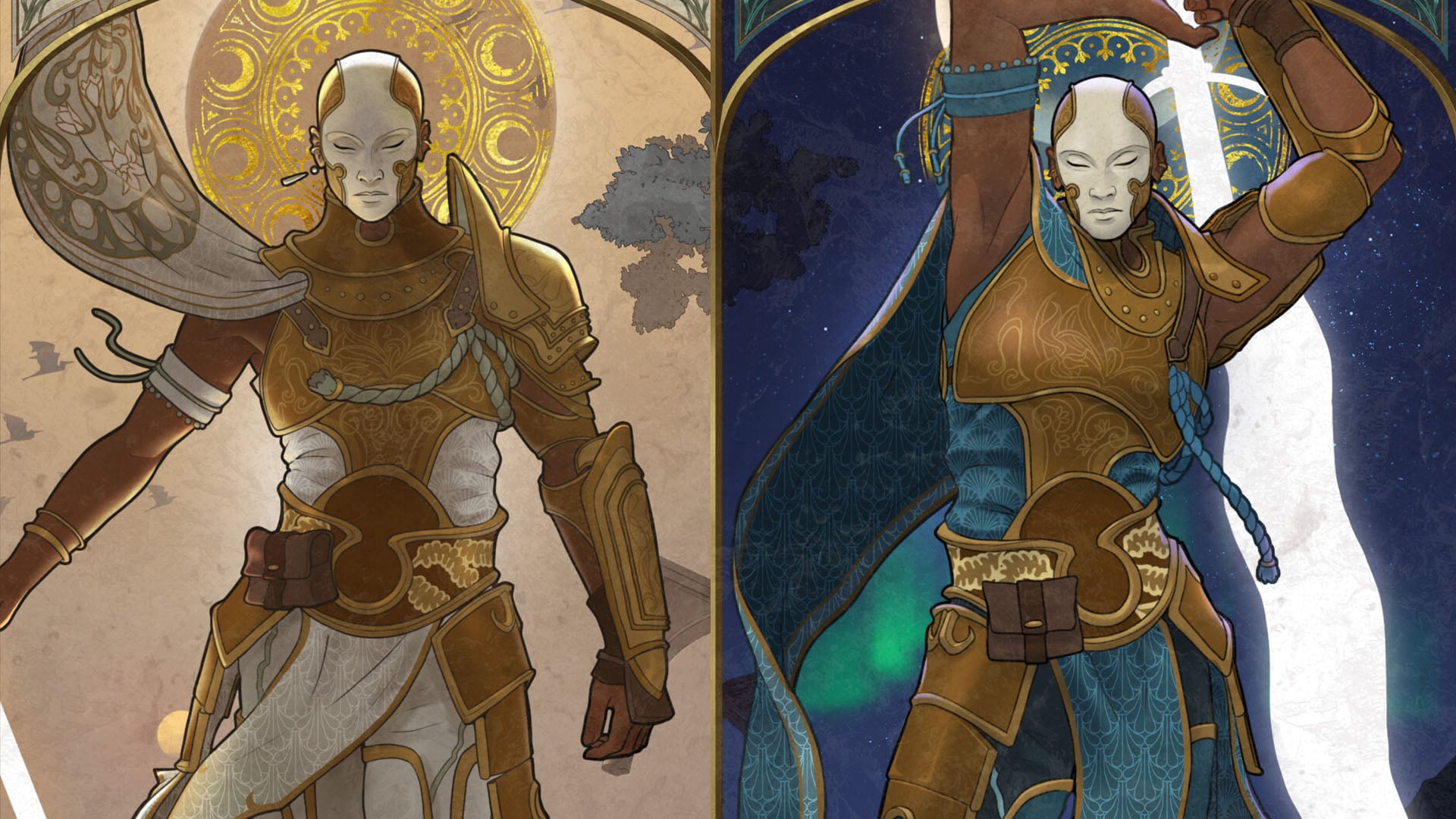
Altheia introduces Lili and Sadi in a fantasy realm plagued by the Void. Lili is the Guardian, skilled with sword and bow, reluctant to embrace her mother’s legacy. Sadi is a Monk in training, magical and resourceful. When they join forces, their cooperative gameplay unfolds through environmental puzzles, combat encounters, spirit rescues, and world exploration. The setting of Atarassia is filled with ruined temples and corrupted shrines, offering a structure reminiscent of Zelda style dungeons.
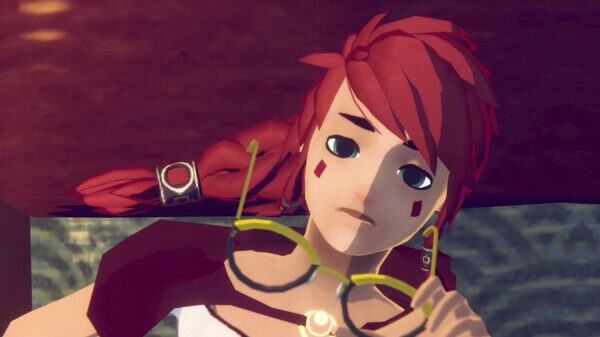
The visual presentation channels a painterly, Ghibli inspired aesthetic with soft lighting, watercolor landscapes, creature designs and richly detailed environments. The art style creates a dreamlike yet grounded tone that encourages exploration in the way an indie Breath of the Wild like game might.
Gameplay centers on switching between character roles. Lili wields melee power or bows for combat, and Sadi uses magic, places bombs, distracts enemies, flips switches, or creates illusions. Many puzzles require using both characters, such as one opening a path while the other triggers a mechanism. This dual role system deepens player engagement over single hero indie clones.
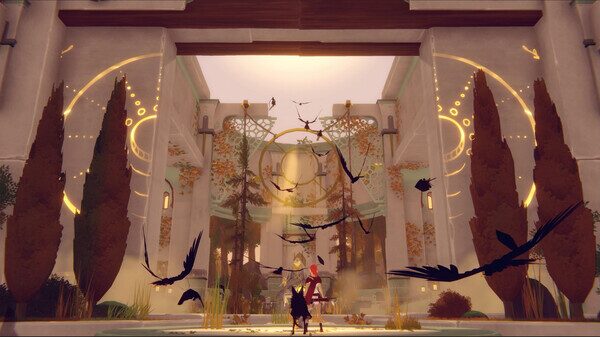
Puzzle rooms often feature rotating levers, underwater switches, goo clearing and spirit wells, a clear echo of Breath of the Wild shrine design. Those encounters reward curiosity and experimentation, particularly when timing and positioning matter. The progression through rooms reveals satisfaction via pacing similar to shrine progression in BOTW spiritual successors.
Combat feels light and responsive. Sword swings, arrows, dodge rolls and charge moves build up a finishing meter that unleashes special attacks. It captures the essence of Breath of the Wild’s combat loop even if stamina based systems or weapon variety are absent.
Technical rough edges remain. Bow attacks becoming unusable until restarting or reloading, camera rotation feeling sluggish, input cancellation mid attack, and saving that resets your position to an earlier point even if you solved puzzles. These issues interrupt flow and occasionally force you to retrace solved rooms, undermining immersion.
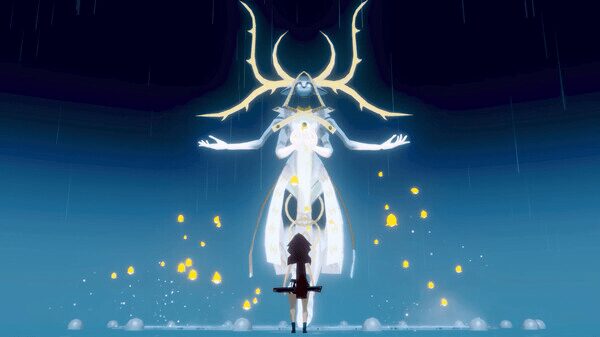
Storytelling is minimal. Motivations like grief and legacy are introduced but not developed, leaving emotional resonance wanting. Breath of the Wild and stronger indie Zelda style games weave narrative into environment and exploration more organically.
Guidance in the game is sparse. No visible map markers, tutorial prompts vanish quickly, and tips may disappear before action can follow. This leaves exploration feeling unrewarding when you’re stuck or unsure what to do next. Stronger indie Zelda inspired experiences often include optional hints or subtle direction to help players progress without breaking immersion.
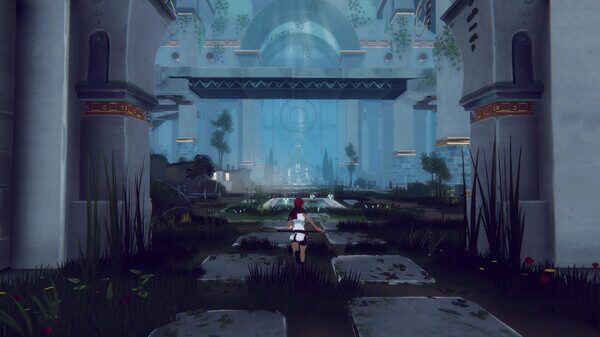
The audio and ambient music work beautifully with the visuals to set mood, gentle, melancholic and magical. That evocative tone often succeeds even in the absence of deep story context.
Despite glitches and limited narrative, I must praise the art direction, cooperative puzzles and overall charm, giving the experience high marks even in its incomplete state.
In summary, Altheia captures much of the spirit of an indie Breath of the Wild style game, exploration of magical ruins, environmental puzzles, dual character synergy and a vivid visual aesthetic. At its current stage it thrills in short bursts but is held back by bugs, clumsy camera controls, inconsistent saves and narrative thinness. If the devs fix the game and deliver reliable mechanics, smoother input, improved checkpoint logic and deeper storytelling, it could emerge as a memorable indie action adventure.