Summary
Painkiller is a reboot of the old 2004 shooter that’s now built around co-op for up to three players. You’ll battle hordes of demons in gothic, lavishly detailed environments. Painkiller offers replayability in its loop, but the repetitiveness made me not go for the replay, and I was able to finish it in a single sitting. The mechanics are fast and arcade, but the execution has some serious problems. Solo play is particularly weak due to ineffective bot companions. Teaming up with friends to mow through hordes of enemies is a plus. Enemies just soak up damage without reacting or staggering.
Developer- Anshar Studios
Publisher- 3D Realms, Saber Interactive
Platforms- PC(Reviewed), PS5, Xbox
Review copy given by the Publisher.
Painkiller brings a first-person shooter vibe that resurrects the classic feel of the franchise. However, it comes with a modern look, focused on cooperation for up to three players, either online or with bots offline. I feel that the game maintains intense and frantic action where the main objective is to slaughter hordes of demons in closed arenas.
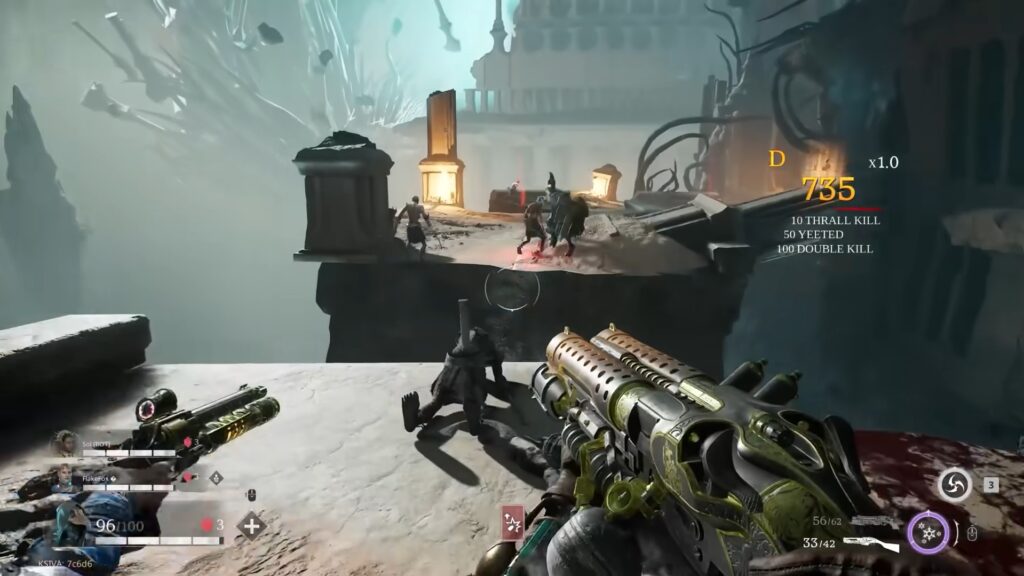
The game leaves no room for pauses or boredom. You are always on the move, shooting, jumping, and using the dash to escape attacks. This pleasurable dynamic reminded me a lot of old school shooters, but with a modern touch that values mobility and fluidity in combat. The levels are designed to take advantage of the character’s high degree of mobility, which has two jumps and an aerial dash in addition to level design elements that encourage acrobatic movements.
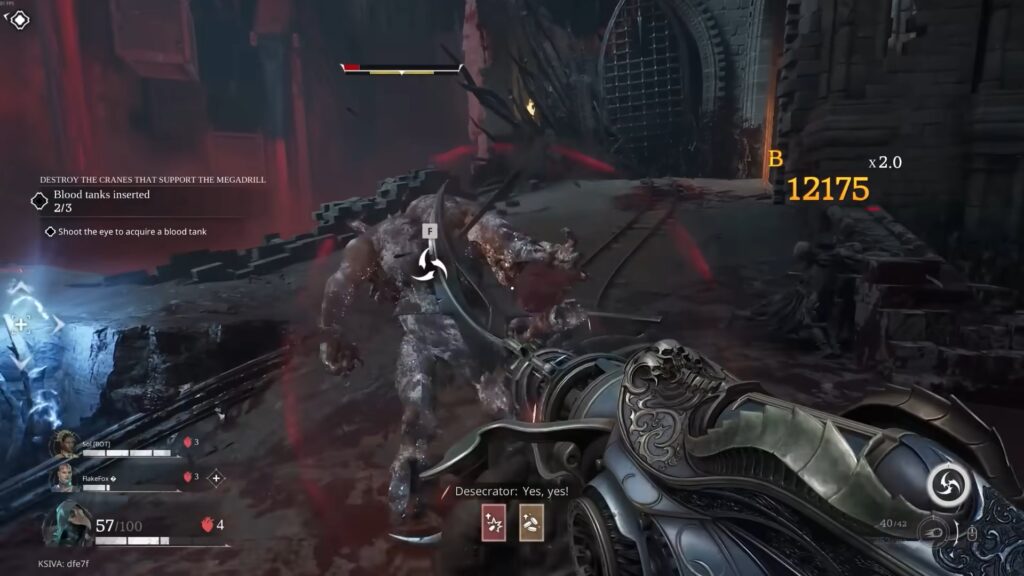
It’s a feast for players like me who like gameplay based on rhythm and fast action with fixed points to grapple onto, platforms to jump from, and even the possibility of being punished by a wrong move that sends you to a fatal fall. This combination makes the game much more interesting than other shooters that only offer direct shooting. Because here, it is necessary to think a little about positioning and timing, which adds a layer of strategy.
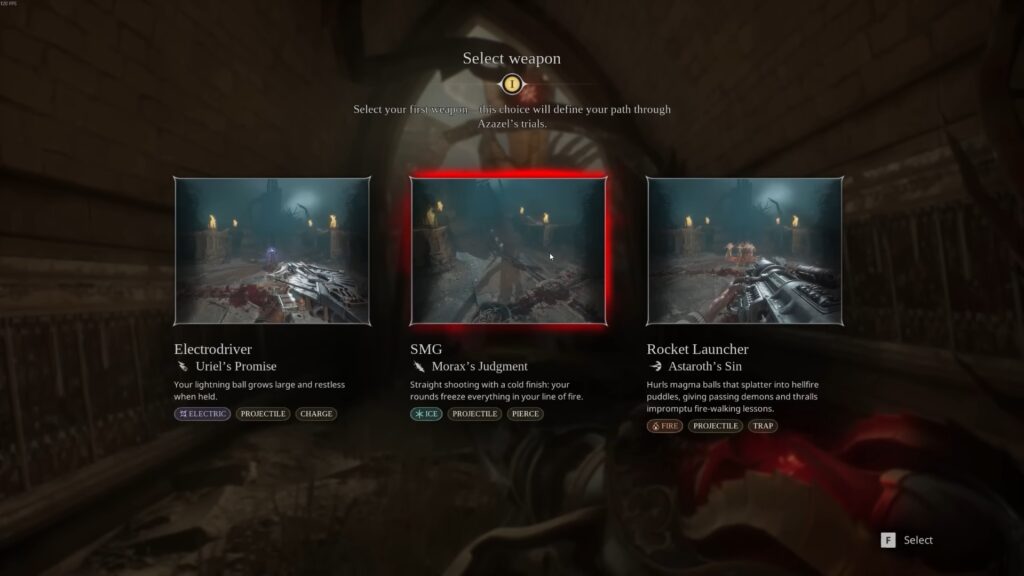
Even though the game is quite mindless in its essence, the iconic weapon Painkiller gives the game its name. I think that this weapon has a special role and is used both to restore ammo and for special finishers on mini bosses. This brings a very cool risk and reward mechanic. It’s fascinating how the game manages to balance this classic element with other new and re-released weapons. For example, the state gun, which works almost like a sniper rifle, and the electro driver, which has rapid fire and can be upgraded to create explosive effects.
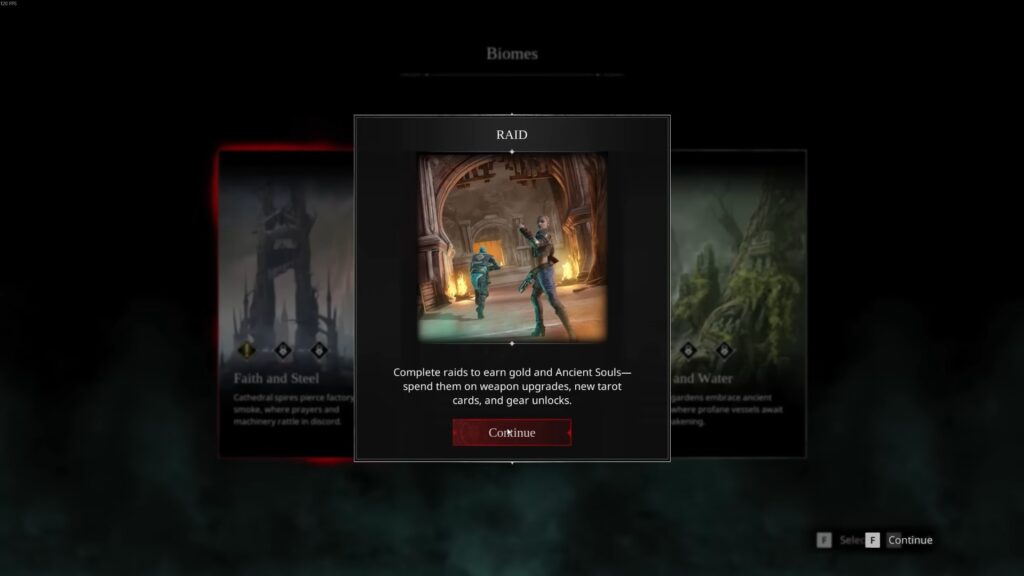
The arsenal in general is one of the points that I like the most because it offers enough variety to keep the gameplay fresh. In addition to allowing upgrades that make each weapon almost an extension of your personal strategies, another point that draws attention in the gameplay is the roguelike mode called Rogue Angel. This randomizes the arenas and adds modifiers, making each match unique and challenging. This creates an incentive for replayability that is fundamental for me in a game of this style.
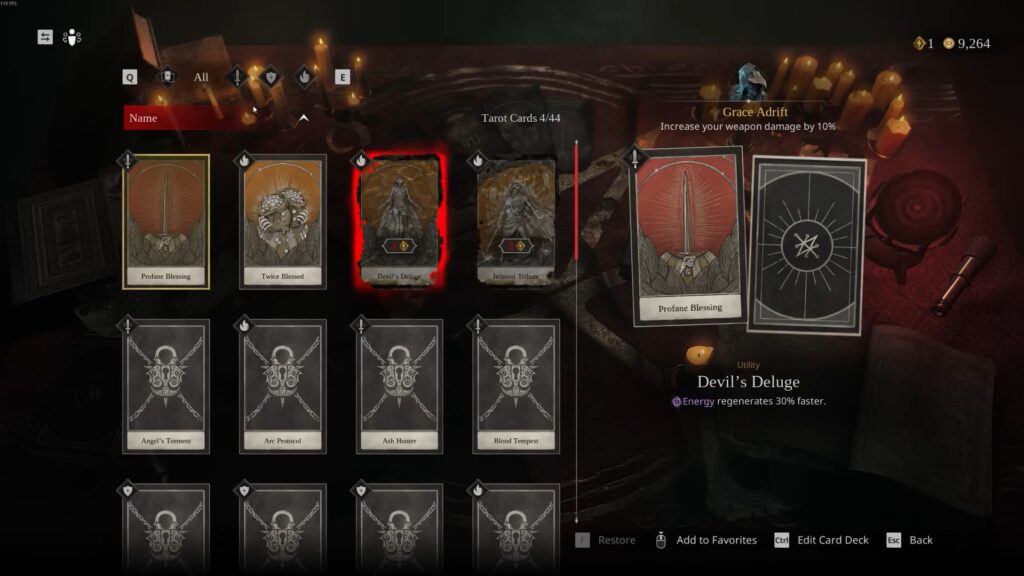
Despite the repetitive action, it gains new breath with the variations and choices in the tactical parts, such as the selection of tarot cards that grant temporary powers. I felt that this offers the player freedom to personalize their experience. This avoids the feeling of sameness that could easily appear in a horde-focused shooter. The three-player cooperation is another highlight of the gameplay, as the game was structured so that you are never alone. This is even when playing offline with bots that prove to be competent in assisting during battles.
The possibility of reviving fallen companions adds a little tension and maintains the pace, in addition to strengthening the feeling of teamwork. I think this is something that deviates from the traditional focus of solo shooters. For me, this increases the fun factor as you can relieve the pressure and enjoy it with friends, making Painkiller a great option for relaxed and social sessions.
Even though the game does not have a deep plot or very complex mechanics. Regarding the difficulty and enemy design, Painkiller maintains the tradition of facing violent swarms of adversaries who are not very intelligent, but numerous and aggressive. This creates a bullet hell scenario where the constant flow of enemies requires quick reflexes and good movement.
A cool head is not as demanded as in other, more cerebral shooters, which, for me, is a relief because the objective is pure frantic entertainment and non-stop killing. The mini bosses and enemy variations break up the monotony a bit, but one can miss a greater diversity to keep the game even more interesting from beginning to end.
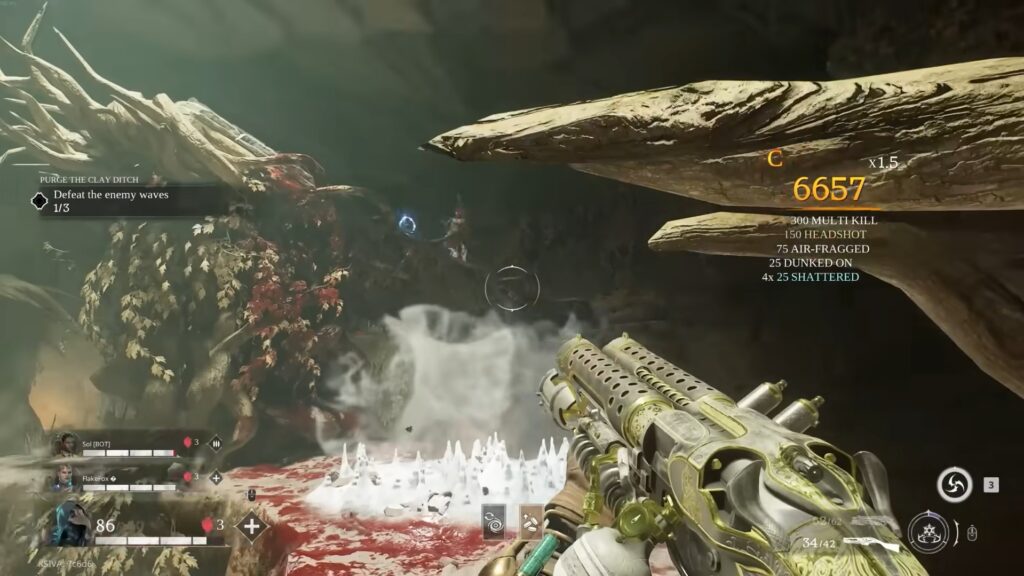
Painkiller delivers a gameplay experience that, for me, is perfect for those looking for a cooperative shooter that doesn’t take itself too seriously. However, it is exciting and rewards dexterity and fast movement.
The intense rhythm, the sense of progression with weapon upgrades, the roglike mechanic, and accessible cooperation make the experience fun and totally uncomplicated. Don’t expect something deep or revolutionary, but rather a shooter that values simple, direct fun, a breath of fresh air amidst so many heavy and complex games today.
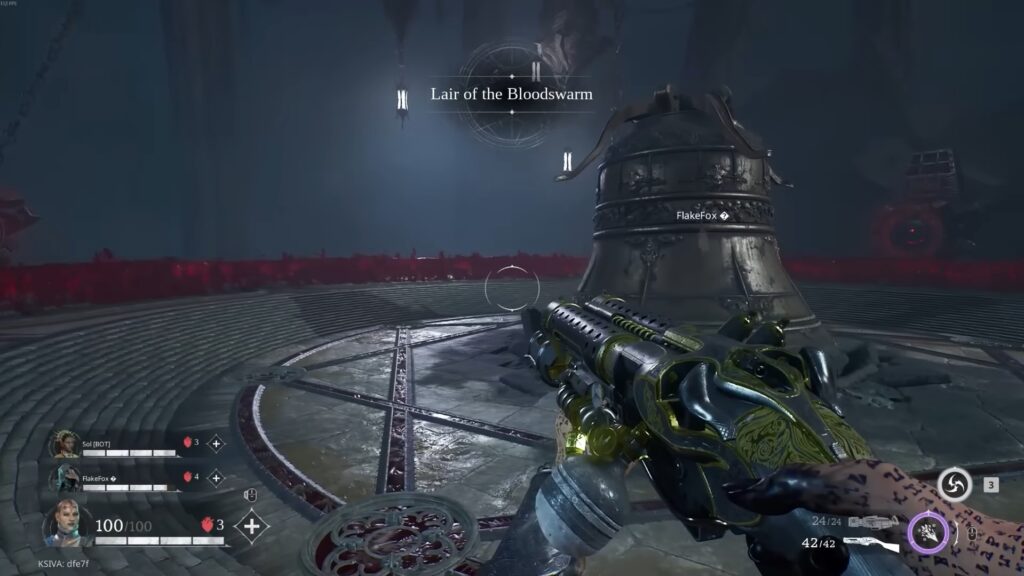
If I had to summarize, I would say that the game positions itself with personality by embracing a modern boomer shooter style, combining nostalgia with current elements. And it is this balance that won me over, especially for playing with friends and venting frustration on those afternoons or evenings when what you want is quick action without complications.
The story unfolds in a dark and gothic setting where the player wakes up in purgatory, a place of condemnation after they sin against heaven. This setting already brings the oppressive and intense feeling that the game seeks to deliver, maintaining the visceral essence that made the classic franchise so revered. The protagonist is a sinner who receives a unique chance of redemption from the very voice of the creator, a desperate attempt to cleanse his flaws by assuming the role of a divine champion who must prevent a greater threat.
This moral and epic premise makes the story more engaging, giving it a tone of a journey of redemption, but also of judgment and constant struggle. The central conflict revolves around the fallen angel Azazel, a villain with an apocalyptic mission to open the gates for his demonic armies to invade Earth.
Azazel is not a generic antagonist. He symbolizes celestial corruption and the imminent ruin of everything we know, which elevates the plot to an existential battle between light, shadow, and redemption. The narrative unfolds as the player battles hordes of grotesque demons, including powerful bosses in the Nephilim, Azazel’s monstrous children. A design choice that reinforces the dark and menacing mythology of the game’s universe.
The characteristic that most draws attention to the story for me is the way it connects directly with the sense of urgency and brutality of the gameplay. Being trapped between hell and a possible path to salvation accentuates the emotional drama, making the player feel that every battle against the demonic hordes is a matter of life and death.
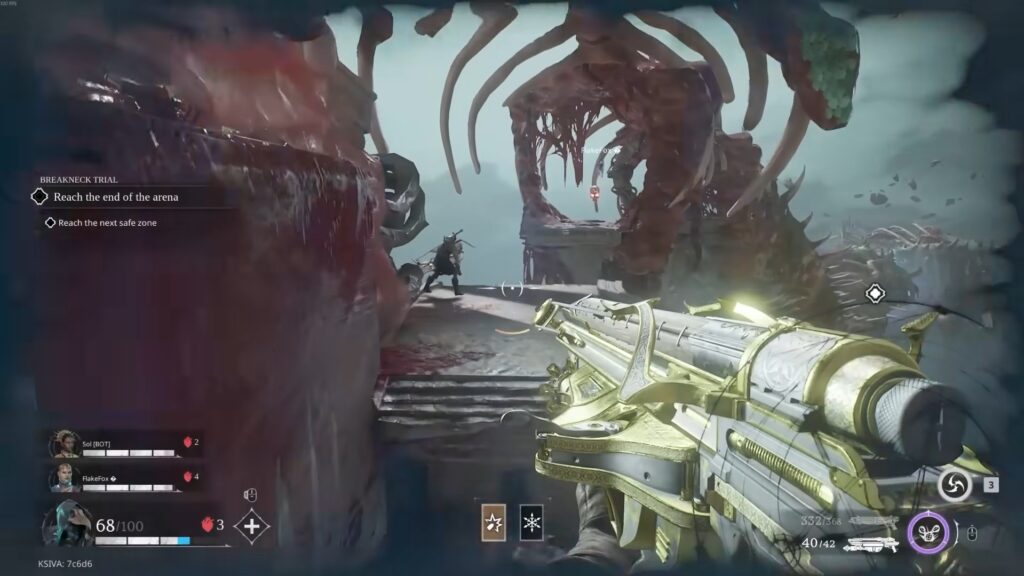
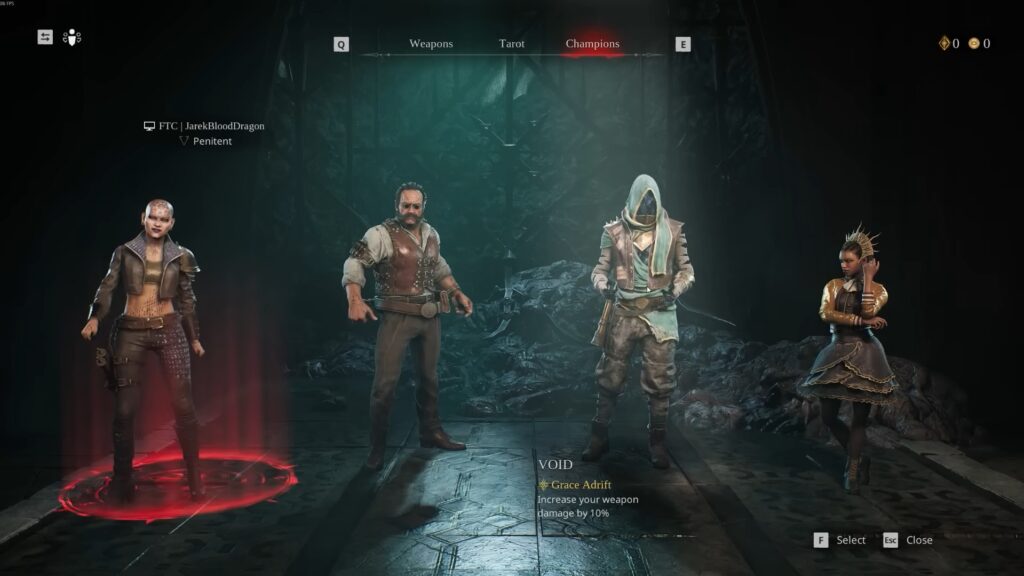
Another striking point of the story is the playable characters: Inc., Void, Soul, and Roach. Each of them brings unique abilities that represent different aspects of combat and survival in this infernal purgatory. This choice is not just a gameplay artifice, but complements the narrative in several ways. The fact that the player can experiment with different styles reflects a story in which each character carries their own burden of sins and potential for salvation, which I found quite interesting.
The game presents graphics that follow a more modern line, but which do not necessarily surprise due to the most advanced technical aspect, seeking a balance between style and performance. The visual aesthetic focuses on a dark, infernal theme. This, I think, rescues the horror and chaos atmosphere that made the original famous, but with a graphical interpretation that refers to current first-person shooters, such as Doom, mixing Gothic elements with contemporary lighting and texturing effects.
One of the most distinct aspects of the graphics in this version is the use of the most updated Unreal Engine. This allows modeling environments with Gothic biomes and vertical levels to explore. The game seeks to maintain a visually rich environment with atmospheric details with dynamic lighting, and effects such as volumetric fog and reflections.
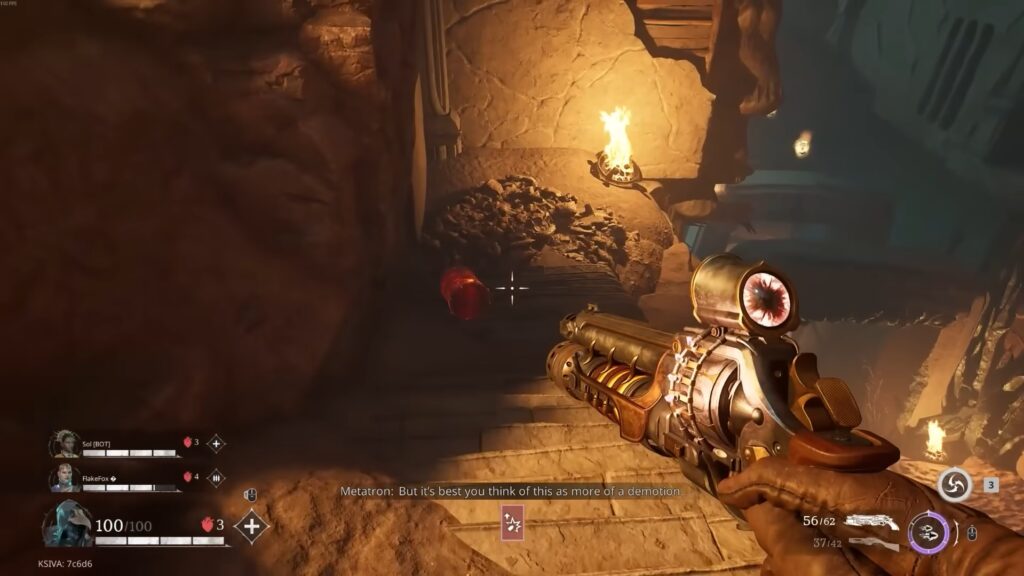
I feel that the performance delivers an experience that is above all aligned with the proposal of being a calm and accessible cooperative F-pass, maintaining adequate fluidity and responsiveness for quick and fun matches. Unlike what is expected from AAA blockbusters, the game does not seek to exaggerate the graphics or require extreme hardware, focusing more on stability and the game’s dynamic itself. On PC, the performance reveals an interesting balance, running well without major slowdowns on most modern setups.
Although it may present small FPS drops in scenes with many visual effects, especially involving intense combat or environments loaded with details. On consoles like PlayStation 5 and Xbox Series X, the performance remains solid with a good, stable frame rate, ensuring fluid gameplay essential for the game’s frenetic pace, even if the focus is not on absolute graphical excellence.
These characteristics make Painkiller more than a simple remake, bringing freshness to old fans and new players. My personal opinion is that Painkiller is worth buying if you enjoy fast and chaotic arcade shooters, and especially if you like playing with friends online.