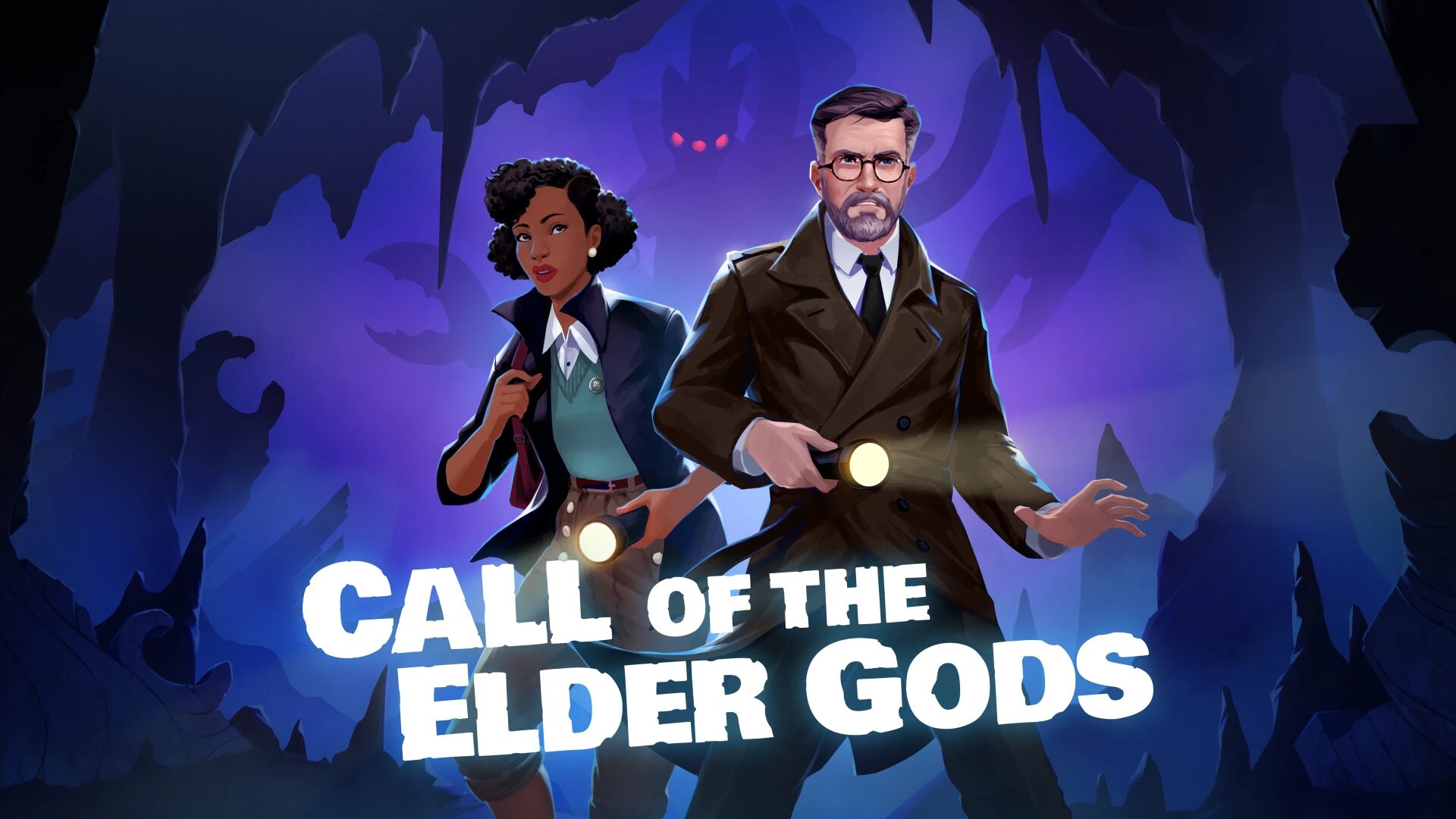
There is something immediately gripping about Call of the Elder Gods the moment it begins. Maybe it is the uneasy atmosphere hanging over every conversation, or the way the world constantly feels like it is hiding something ancient just outside your field of view. Whatever the reason, this supernatural puzzle adventure manages to capture the same eerie fascination that made its predecessor memorable while also pushing its storytelling and puzzle design into far more ambitious territory.
Set against a backdrop of cosmic horror inspired heavily by H.P. Lovecraft’s The Shadow Out of Time, the game follows Professor Harry Everhart and student Evangeline Drayton as they investigate disturbing visions, missing loved ones, and secrets tied to artifacts far older than humanity itself. While that premise sounds familiar for the genre, what makes the narrative work so well is the emotional core beneath all the eldritch terror. This is not just a story about unknowable gods and collapsing sanity. It is also about grief, obsession, guilt, and the lengths people go to in order to understand loss.
Harry and Evangeline make for compelling dual protagonists. Harry carries himself like a man trying desperately to remain rational while his world quietly unravels around him. Evangeline, meanwhile, is more emotionally open and increasingly disturbed by the impossible dreams plaguing her. Their personalities complement one another nicely, and swapping between them during exploration and puzzle solving helps make the story feel more dynamic.
The voice acting does a tremendous amount of heavy lifting here. Yuri Lowenthal delivers a layered performance as Harry, capturing both intelligence and exhaustion without ever becoming melodramatic. Cissy Jones brings a vulnerability to Evangeline that keeps her grounded even when the story leans into surreal territory. Together they give the game an emotional sincerity that prevents the Lovecraftian elements from becoming overly theatrical.
Visually, the game is stunning. Built in Unreal Engine 5, the environments are incredibly detailed and atmospheric. One moment you are wandering through dimly lit university halls lined with dusty bookshelves, and the next you are standing beneath alien architecture that looks completely detached from human understanding. The sheer variety of locations helps the pacing considerably. The Australian outback sections are particularly memorable, with their stark red landscapes contrasting beautifully against the colder, shadow drenched interiors seen elsewhere.
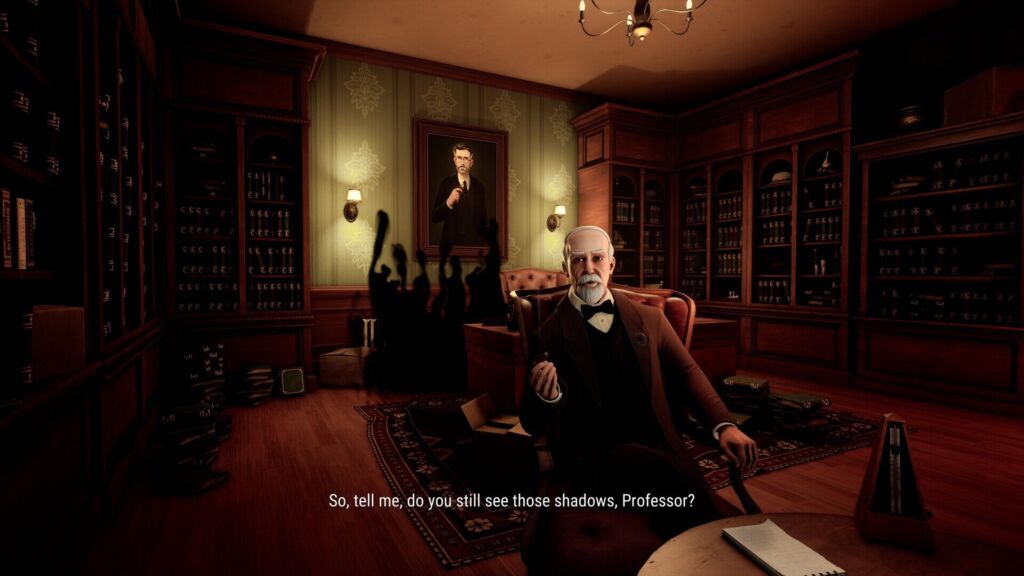
Lighting and environmental audio deserve special praise. Tiny visual distortions at the edges of the screen, shifting shadows, and distant whispers constantly create tension without relying on cheap jump scares. The game understands that cosmic horror works best when uncertainty does the heavy lifting. Often the scariest moments are simply standing in silence while trying to process what you are looking at.
Eduardo De La Iglesia’s soundtrack ties everything together beautifully. The music rarely dominates scenes, instead lingering quietly beneath conversations and exploration before swelling during major revelations. It adds to the unease without ever feeling intrusive, and several late game sequences land especially well because of the score’s restraint.
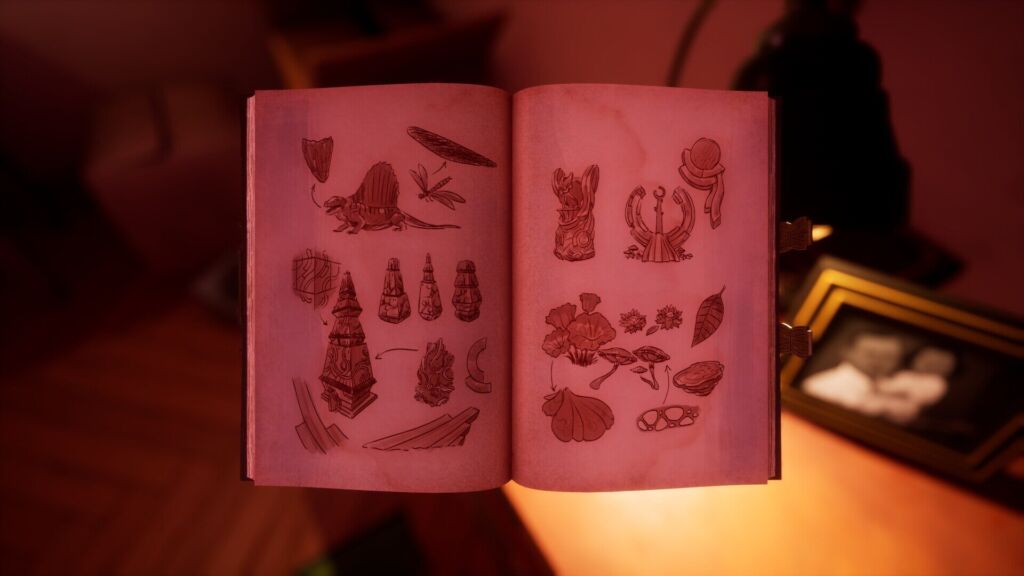
The puzzles are where the game truly shines. Like Call of the Sea before it, this is largely an observation based puzzle game, but the complexity has been significantly expanded. Many puzzles require paying close attention to environmental clues, deciphering symbols, cross referencing journal notes, and switching between Harry and Evangeline to manipulate events across different spaces and timelines.
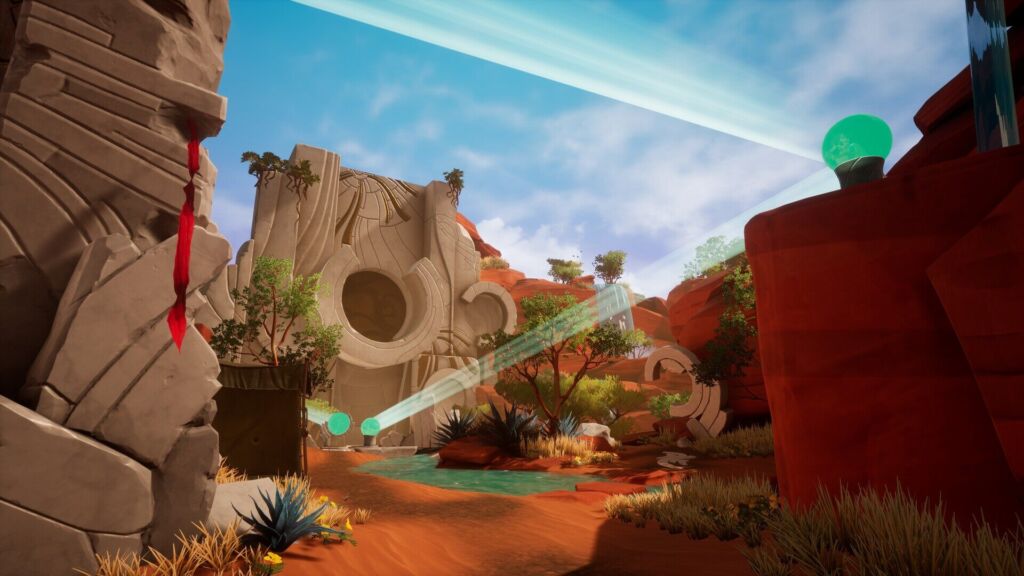
Some of the multi layered puzzle chains are incredibly satisfying to solve. There is a genuine sense of accomplishment when pieces finally click together after slowly gathering information across multiple areas. The game trusts players to think critically, which is refreshing in a genre that often over explains itself.
Thankfully, the developers also understand that puzzle difficulty is subjective. The customizable hint system is excellent. Players can enable or disable various levels of assistance including icons, journal guidance, and direct hints. It allows the experience to remain approachable for newcomers while still offering a serious challenge for puzzle veterans.
The optional Occult Books are one of the game’s smartest additions. These hidden texts often contain additional riddles, cryptic lore, or reality warping puzzle concepts that push the mechanics further than the main story requires. They reward curiosity without making completion feel mandatory. Some of the most unsettling moments in the game come from reading material you probably should have left alone.
That said, the game’s pacing will not work for everyone. This is a slow burn experience in nearly every sense. Exploration is methodical, dialogue scenes are lengthy, and puzzle solving often requires stopping to carefully observe your surroundings for extended periods. Players looking for constant momentum or action may find parts of the experience dragging.
There are also moments where the puzzle logic becomes a little too obscure for its own good. While most challenges feel rewarding, a handful cross the line into frustratingly vague territory. Occasionally the game expects players to notice extremely specific environmental details that can be easy to overlook even when paying attention.
The narrative occasionally struggles under the weight of its own ambition as well. The story constantly escalates toward larger cosmic revelations, but not every mystery lands with equal impact. Some late game exposition sequences lean heavily into abstract lore dumps that slightly weaken the emotional intimacy established earlier in the adventure.
Still, even when the story becomes convoluted, the atmosphere remains captivating enough to carry the experience forward. Few games manage to create this level of oppressive curiosity. You constantly want to know what is behind the next door, hidden beneath the next symbol, or waiting at the end of the next impossible vision.
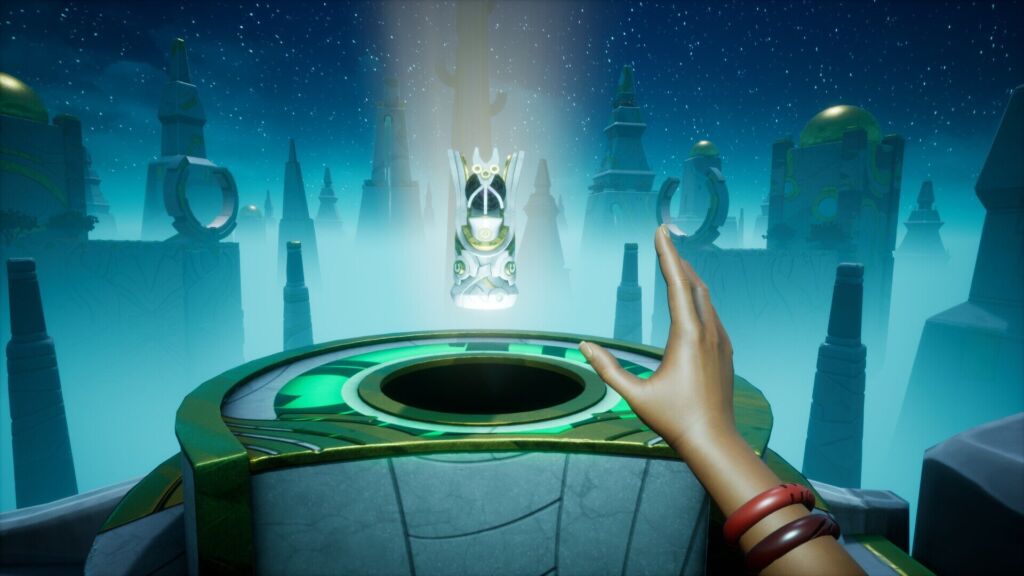
Fans of Lovecraft inspired horror will likely appreciate how respectful the game is toward its influences while still carving out its own identity. It borrows familiar themes of forbidden knowledge and fragile sanity, but it balances them with a stronger emotional foundation than many cosmic horror stories typically provide.
Most importantly, the game understands restraint. It rarely over explains its monsters or fully demystifies its horrors. Even by the end, there is a lingering sense that humanity has only glimpsed a fraction of something much larger and more terrifying.
Call of the Elder Gods is not a horror game focused on combat or survival mechanics. It is a cerebral, atmospheric adventure that thrives on mystery, tension, and carefully constructed puzzles. At times its pacing and puzzle design can become overly demanding, but when everything clicks together, it delivers some genuinely unforgettable moments.
For players willing to embrace its slower pace and unravel its layered mysteries, Call of the Elder Gods offers a haunting and intelligent journey through grief, obsession, and cosmic terror that lingers long after the credits roll.