Summary
Luna Abyss is a confident and atmospheric debut held back by technical hiccups and balancing issues. But the world design and the combat puzzles are undeniably praiseworthy.
Developer – Kwalee Labs
Publisher – Kwalee
Platforms – PC, Xbox Series S|X, PS5 (Reviewed)
Review copy given by publisher
Seven years is a long time to cook anything, and the team formerly known as Bonsai Collective, now merged into publisher Kwalee under the Kwalee Labs banner, has been building Luna Abyss since 2019. This is one of those debut indie shooters that has been on my radar for years now, and after spending significant time with it, I can say it’s one of the most atmospheric first person experiences I’ve played this year, even though it doesn’t land everything cleanly.
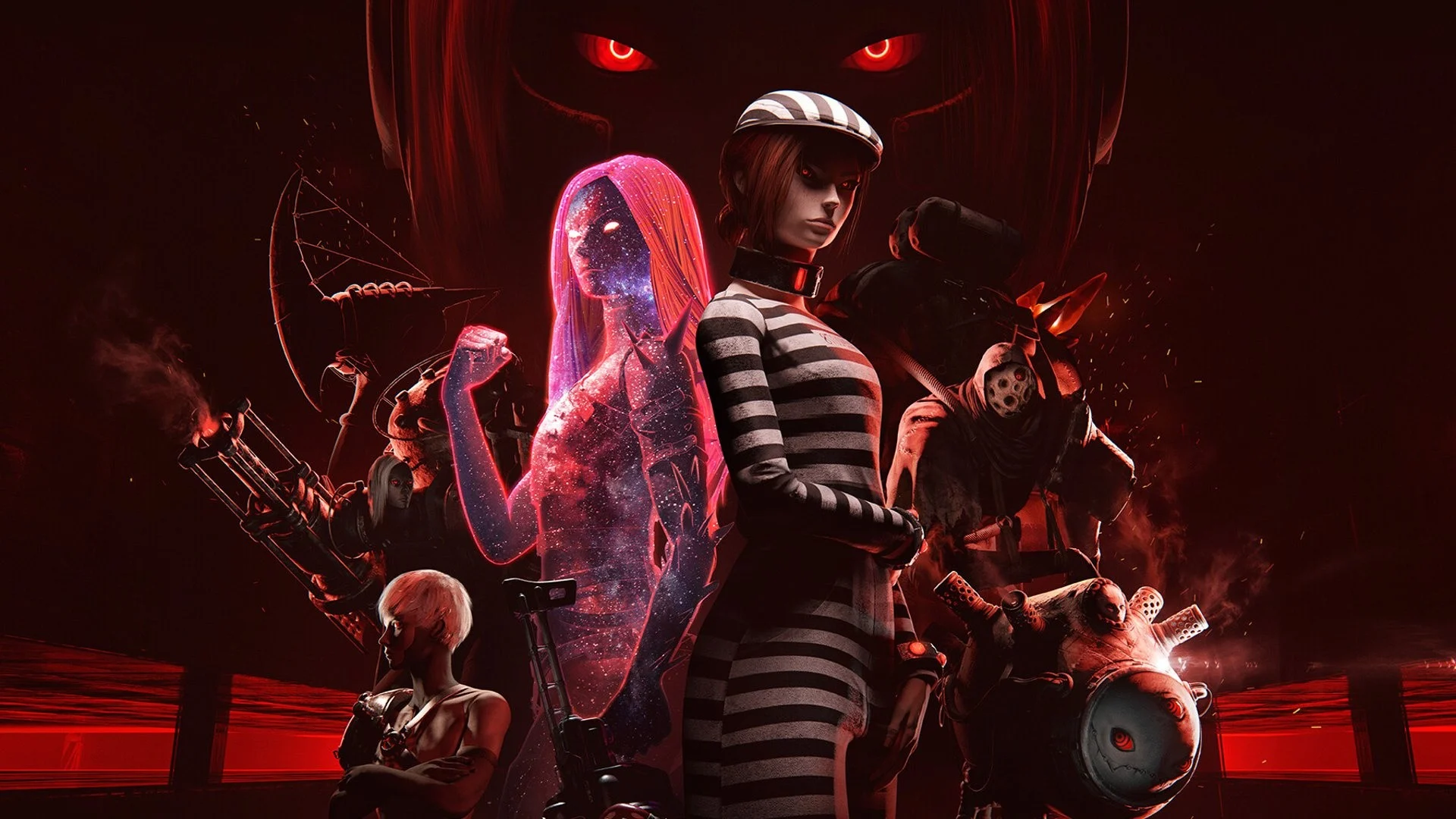
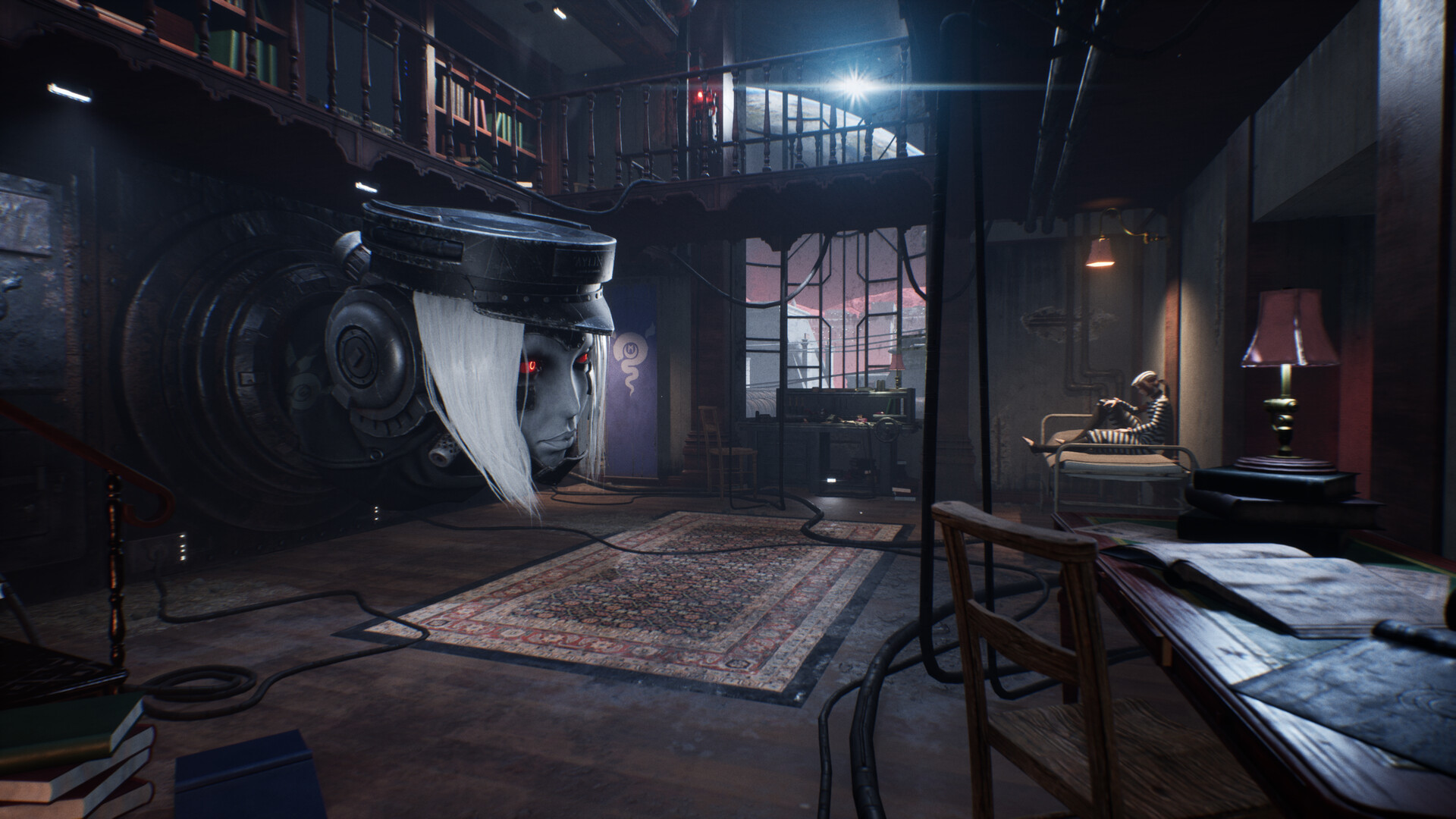
You play as Fawkes, a prisoner serving a 9000 day sentence who’s been dropped into a mimic moon named Luna. Above you, an AI prison warden called Aylin tracks your every move. The lore involves a fallen colony named Greymont, an entity called the All Father, and something ominous named the Scourge.
There is a lot of proper noun dropping and cryptic message reading before the narrative starts to piece together. How much that lands will depend on your patience. But there is voice acting present throughout and does the job of carrying the dialogue.
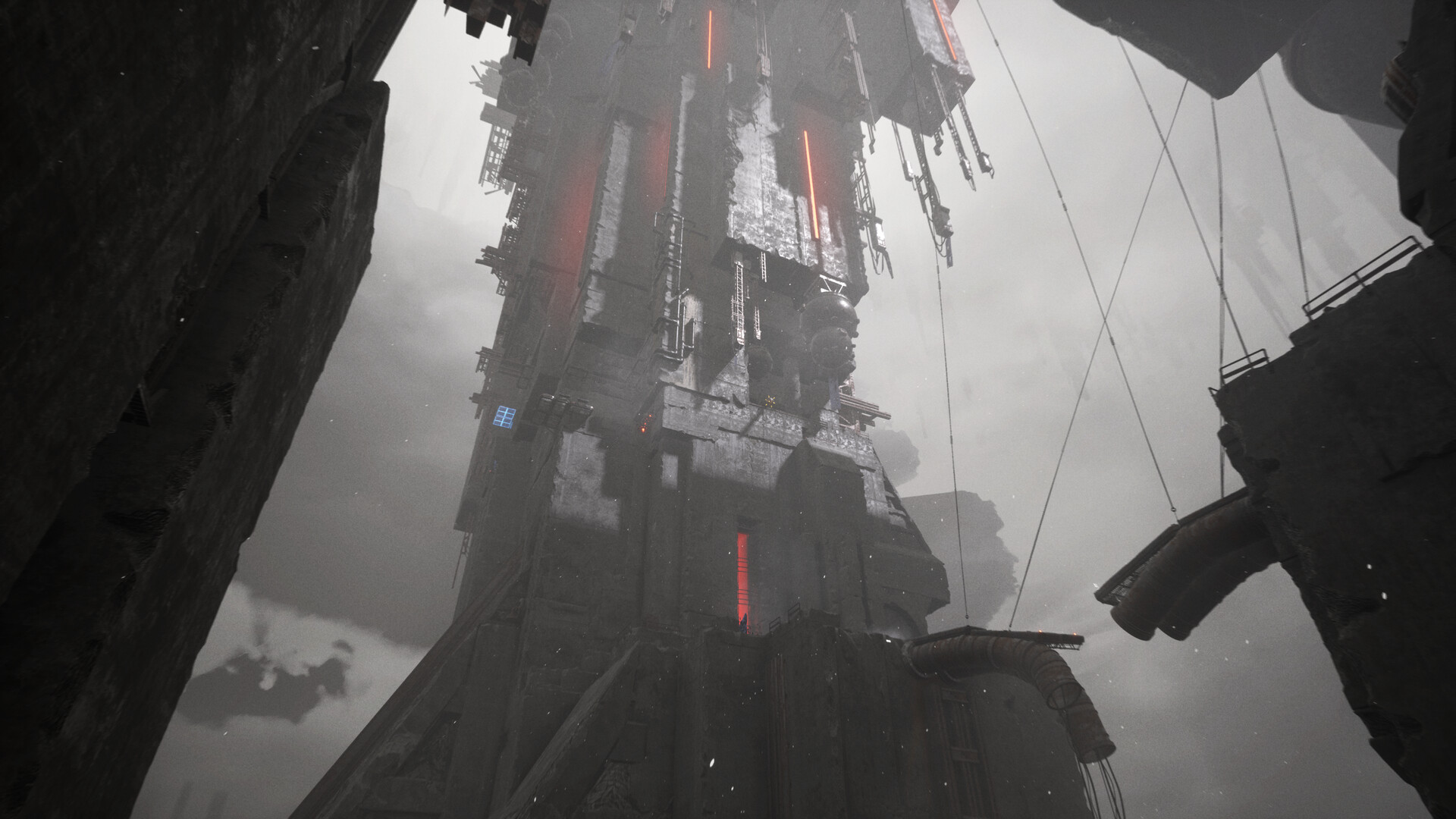
If you watched any trailer for this game, then you probably already know that Luna Abyss is a bullet hell shooter. Glowing projectiles flood the screen, and you weave through them while taking down various enemy types that come in waves.
The standout mechanic is that this game ditches ammo entirely. Every weapon runs on a heat gauge that goes up as you fire and forces a cooldown if you push it too far. The starter rifle is your main DPS weapon. As you progress, you pick up other tools including a shield breaker and a sniper rifle. These specialist guns overheat after about two shots each. They are not weapons you use primarily, but serve as tactical options you rotate into a fight at specific moments.
That design choice ties directly to the enemy color coding. Certain enemies have shields that only break to specific weapons, forcing you to read encounters, prioritize threats, and rotate through your weapons in real time. When it clicks, it’s quite satisfying.
It’s a bit weird that you do not unlock the dash until a couple of hours into the game. For a bullet hell shooter where dodging is fundamental, asking you to walk out of projectile patterns for the entire opening act feels strange. Even after the unlock, the default button mapping creates problems. The dash sits on Circle, which means holding R2 to fire and pressing Circle to dodge at the same time feels awkward in a way you notice in your thumb, and you can’t rebind controls. You also unlock some other nifty abilities as you progress, such as a shield and life steal.
Four difficulty settings are available: Story, Scout, Warden, and Scourge. Story mode actually grants invulnerability and auto completes some platforming sections, which is a thoughtful accessibility design that lets you focus on the world and narrative. Scout and Warden tune up the challenge, and this is where Luna Abyss runs into some balancing issues. Regular enemy encounters feel fair in both settings. Bosses are a different story, though, as several lean on massive health pools that drag on. The damage gap feels a bit off, and should be balanced. I can only imagine Scourge mode to be extremely difficult based on the previous settings.
Progression is tied to your prison sentence, a clever framing device that makes mission completion feel meaningful in some way. Scattered through the levels are also weapon and health upgrades along with lore documents that are placed mostly off the beaten path, so you do need to explore somewhat.
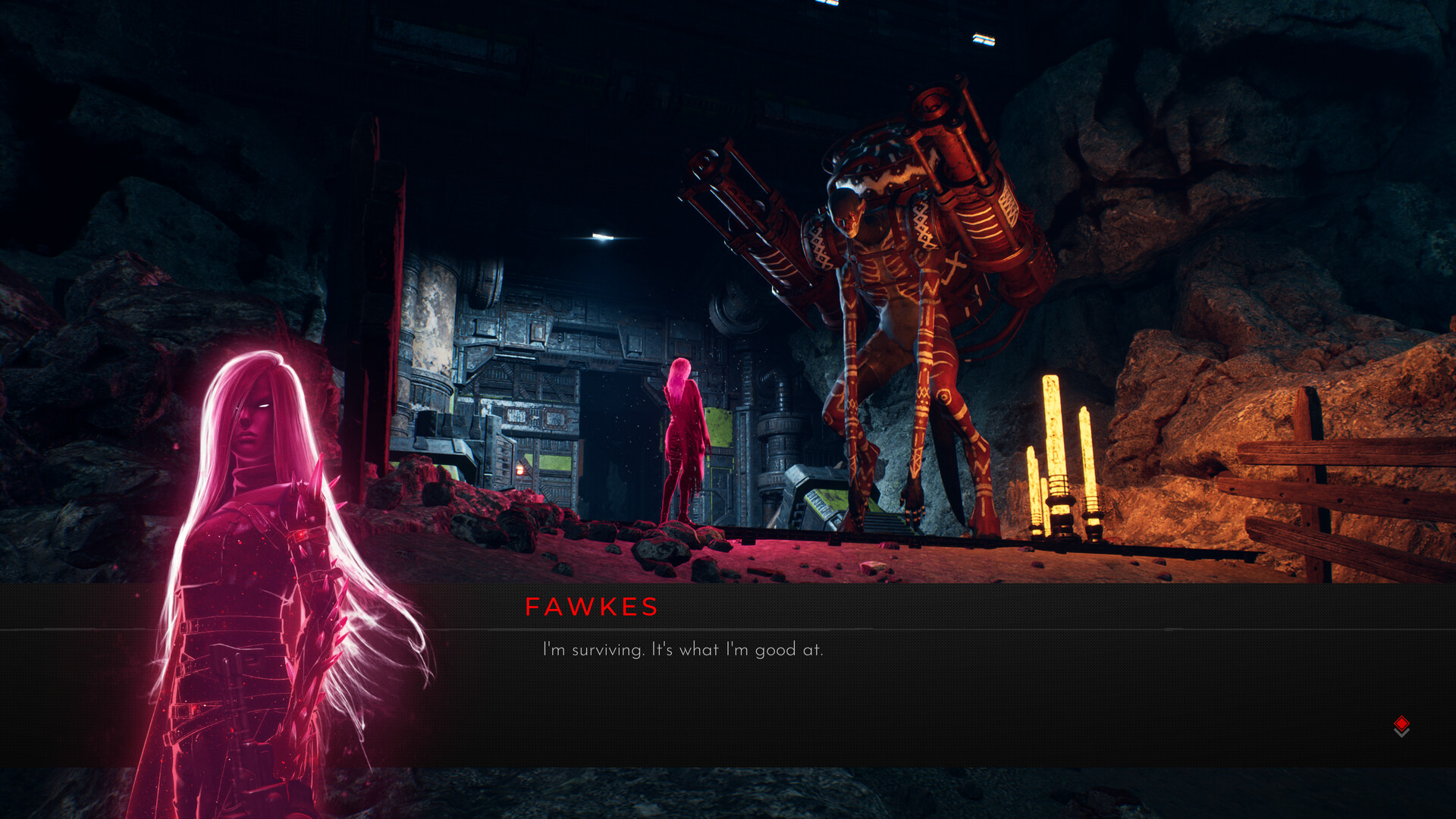
The bigger surprise is how Luna Abyss uses the world itself for variety. Sprinkled across each chapter are moments where you actually pilot objects in the environment, including an ancient robot whose turrets fire like machine guns. These sequences function as puzzles, traversal vessels, or just flavor breaks from the standard combat loop, and they feel fresh. They land about a couple of times per chapter, and never overstay their welcome.
For a game releasing in 2026, there is no playtime tracker anywhere in the game. No total hours, no chapter timings, nothing.
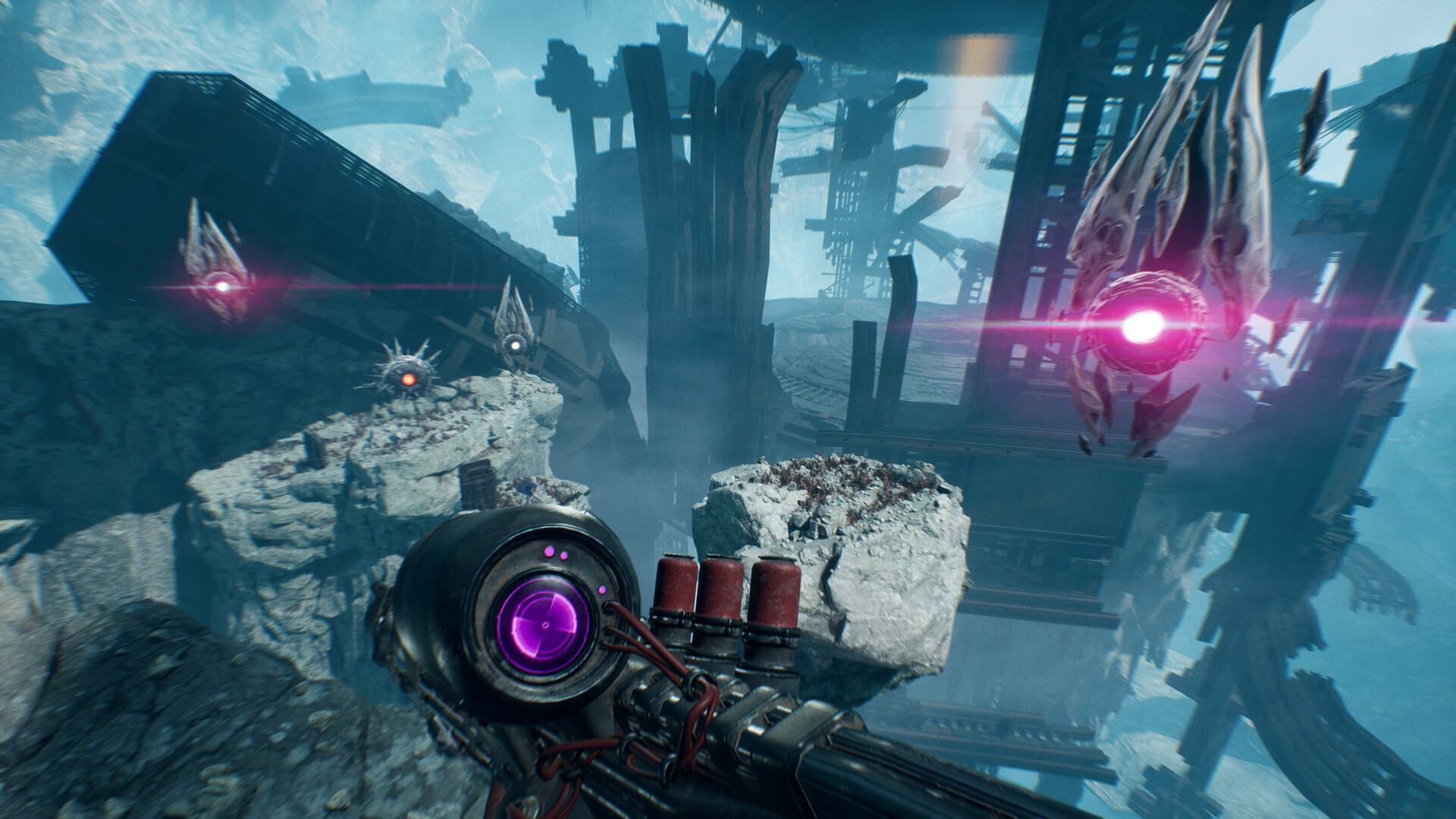
Luna Abyss has a periodic freezing issue on the PS5. Every 20 to 30 minutes or so, the screen locks up for around five seconds and a “loading” indicator appears, suggesting the engine is hitching while loading assets. It can happen mid-combat, mid-traversal, or while you are just walking through a corridor. The cherry on top are the hard crashes that happened to me a handful of times, half of which were in the middle of a boss fight. On the plus side, it only takes up 7 GB on your console and takes around 11 seconds to load in.
In terms of PS5 specifics, the DualSense use is basic. You get standard rumble during combat and impacts, but the adaptive triggers and finer haptics that newer PS5 releases lean on are not really part of the experience here. I do appreciate that the game has automatic aim assist on the controller though, as your reticle will directly lock on to an enemy if you hold L2 down.
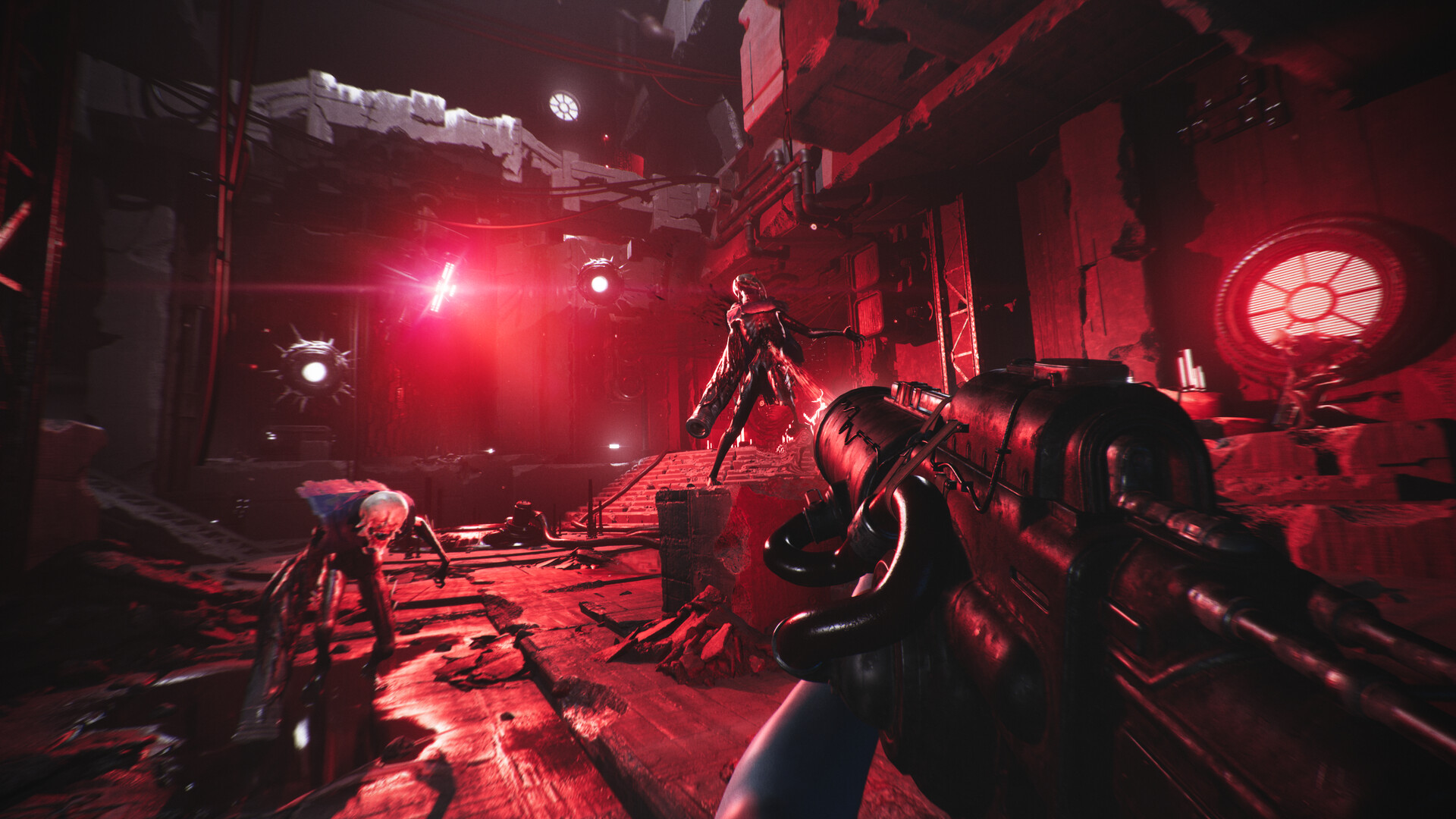
The art direction leans heavily on red lighting that paints almost every interior, with oppressive dark corridors and colossal silhouettes. The atmosphere is the standout, making you feel claustrophobic and constantly oppressed. Character designs hit the uncanny and creepy notes hard in a good way. The downside is that all of this is wrapped in mostly linear environments, and you’ll be falling and dropping a lot!
Final Verdict
Luna Abyss is a confident and atmospheric debut held back by technical hiccups and balancing issues. But the world design and the combat puzzles are undeniably praiseworthy.