Summary
Directive 8020 proves Supermassive Games can deliver blockbuster presentation and immersive cinematic horror on a massive scale. What it does not prove is that the studio has fully mastered the kind of layered storytelling needed to elevate its games from entertaining horror rides into truly unforgettable interactive dramas.
Developer: Supermassive Games
Publisher: Supermassive Games
Platforms – Xbox Series X|S, PS5, PC (Reviewed)
Review copy given by Publisher
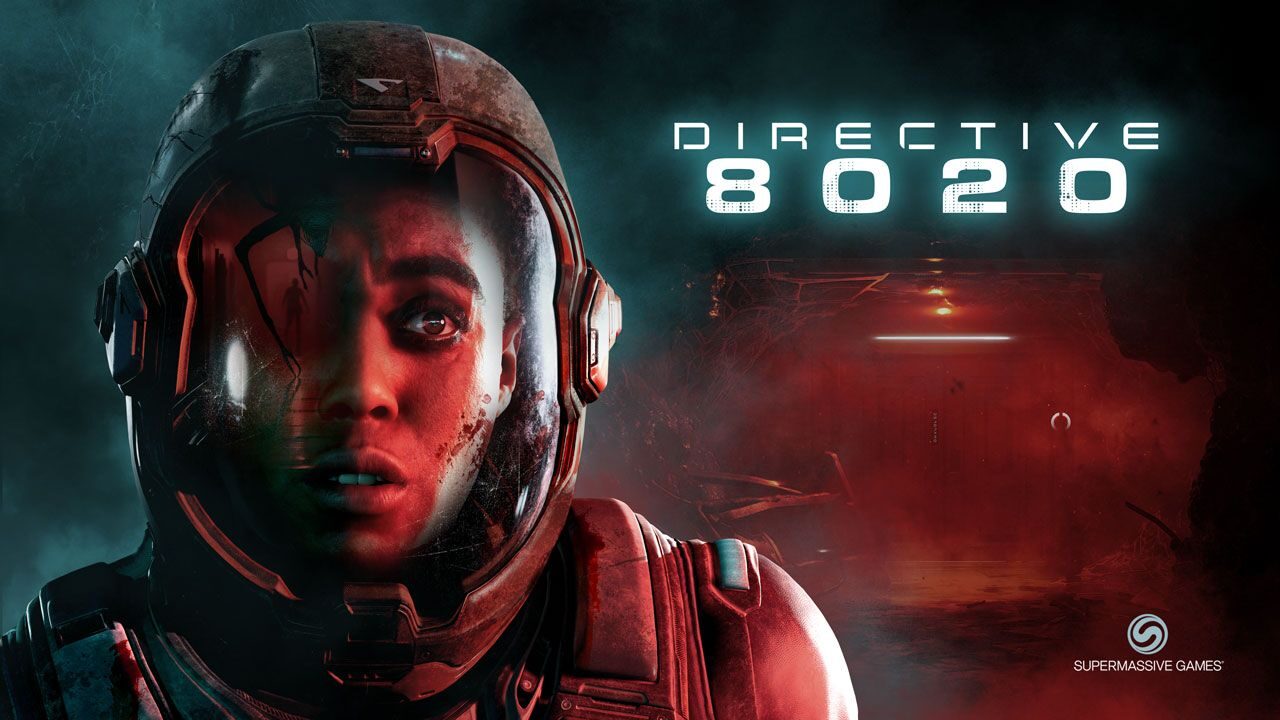
Directive 8020 feels like the moment where the studio wanted to prove it could stand shoulder to shoulder with the biggest names in cinematic storytelling while fully embracing a massive sci fi horror identity of its own.
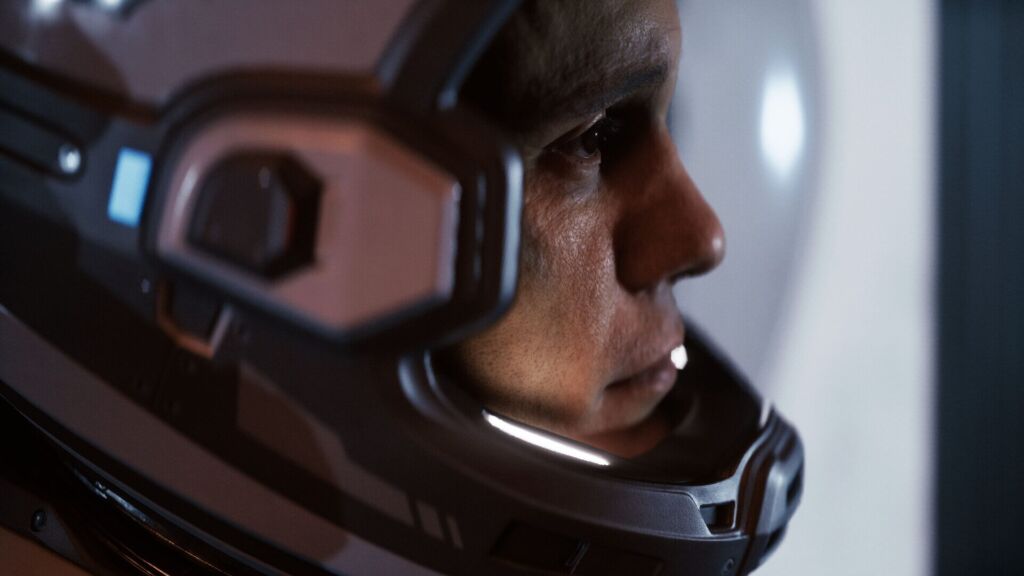
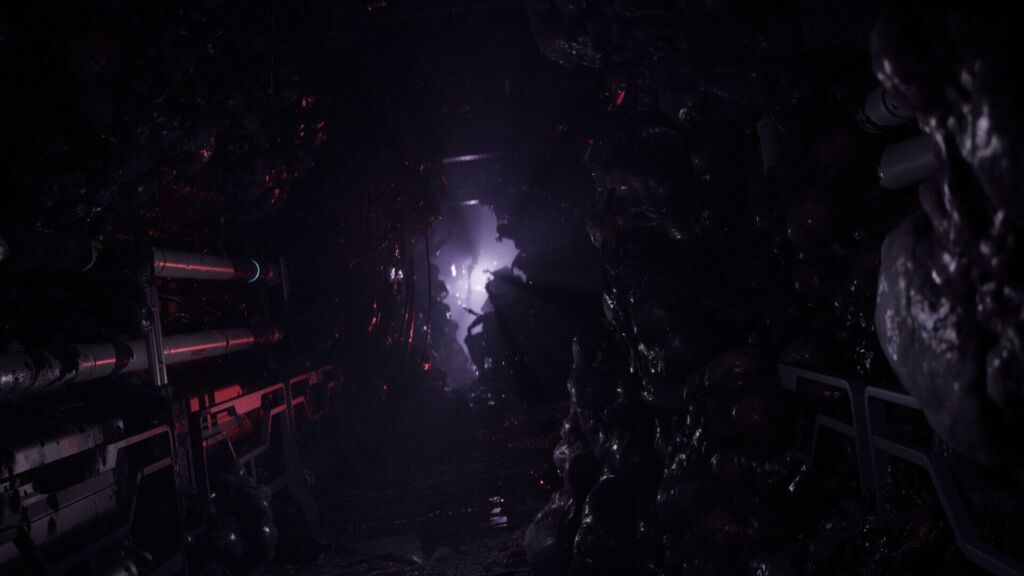
To its credit, Directive 8020 absolutely looks the part. From the opening moments aboard the Cassiopeia, it is obvious where the development budget went. The lighting across the dark metallic hallways, the reflections bouncing off damaged equipment, and the uncanny facial animation work all scream premium presentation. This is one of the most visually impressive games Supermassive has ever released, especially when the alien threat begins distorting bodies and identities in increasingly disturbing ways. The atmosphere constantly walks a line between claustrophobic dread and blockbuster science fiction spectacle.
The inclusion of Lashana Lynch as astronaut Young gives the game a recognizable Hollywood presence that Supermassive clearly wanted to market heavily. Thankfully, Lynch delivers one of the stronger performances in the game. She carries herself with believable authority and emotional exhaustion, portraying a leader forced into impossible decisions while her crew slowly fractures under paranoia and fear. Even when the writing around her becomes uneven, Lynch keeps scenes grounded through sheer screen presence alone.
Directive 8020 follows the crew of the Cassiopeia after humanity’s desperate attempt to colonize Tau Ceti f goes horribly wrong. What begins as a survival mission quickly becomes a nightmare when the crew encounters an alien organism capable of perfectly mimicking humans. The setup immediately evokes classics like Alien and The Thing, with distrust spreading throughout the crew as nobody can truly know who is still human.
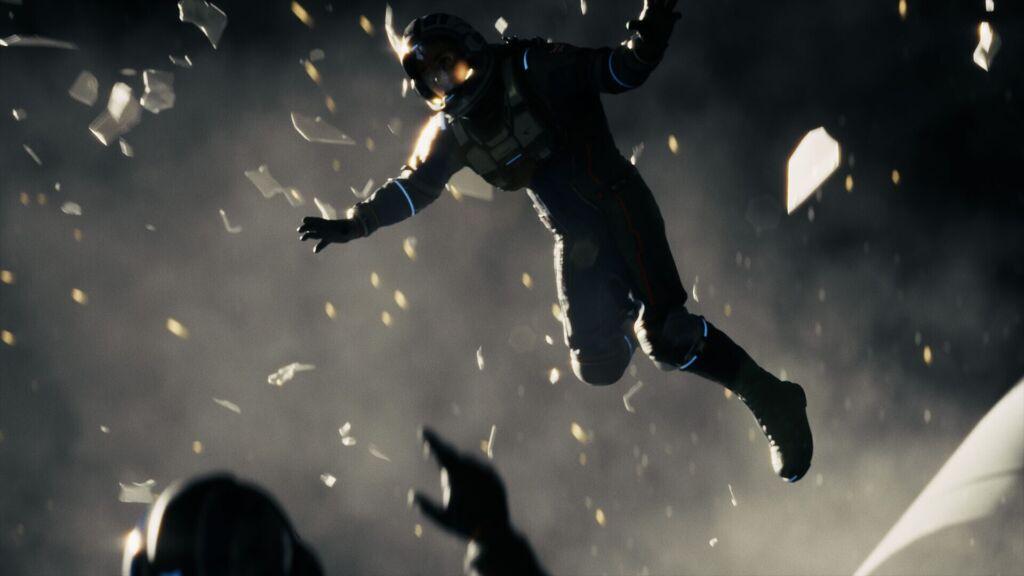
That paranoia becomes the game’s greatest strength. There are moments where Directive 8020 genuinely nails the tension of not knowing who to trust. Conversations become loaded with suspicion, and even routine interactions carry an undercurrent of dread. Supermassive understands how to frame a scene for maximum discomfort, often lingering on expressions just long enough to make players second guess everything.
The decision based storytelling is still very much the core of the experience. Choices can dramatically alter who survives, what secrets are uncovered, and which ending players eventually reach. The new Turning Points story tree is actually one of the smartest additions the studio has made in years. Being able to revisit major branching moments without replaying massive sections of the game makes experimentation far more enjoyable. It encourages players to explore alternate outcomes instead of simply watching them online afterward.
The couch co op movie night mode also remains a fantastic inclusion. Horror games naturally become more entertaining with a group, and Directive 8020 continues Supermassive’s tradition of turning player decisions into arguments among friends. Deciding who gets control over certain crew members adds another layer of tension, especially when somebody accidentally gets a favorite character killed during a panic driven quick time event.
Unfortunately, this is where the cracks begin to show.
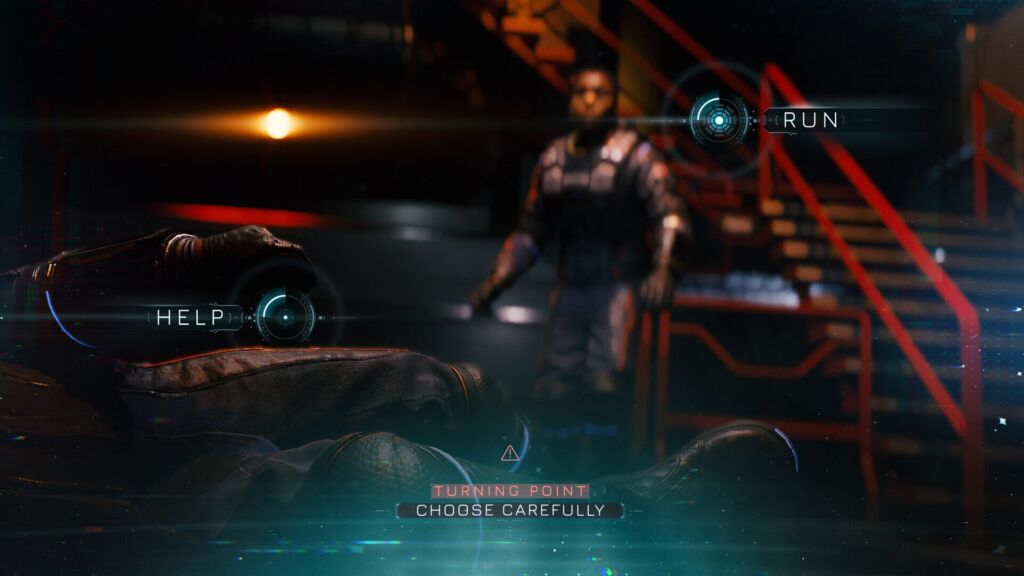
For all its visual ambition and cinematic flair, Directive 8020 never reaches the narrative heights it desperately wants to achieve. The game constantly feels like it is aiming for the emotional and philosophical depth of Detroit: Become Human, but the writing lacks the nuance and consistency needed to pull it off. Big moral questions are introduced but rarely explored in meaningful ways. The game wants players to reflect on sacrifice, humanity, identity, and survival, yet most of these themes remain surface level by the time the credits roll.
The pacing also struggles badly in the middle sections. Early tension gives way to long stretches of exposition and repeated arguments between crew members that fail to evolve naturally. Instead of escalating paranoia in clever ways, the story often circles the same emotional beats repeatedly. Characters accuse each other, someone storms off, another secret is revealed, and then the cycle repeats again. It creates the illusion of drama without always earning it.
A major problem is that several crew members simply are not memorable enough. Supermassive has always thrived when building casts players become attached to, but outside of Young, much of the supporting crew blends together. Some characters feel defined entirely by one personality trait, making it difficult to care deeply about their survival. When the game reaches major emotional turning points, the impact can feel muted because the relationships themselves were never fully convincing.
The alien mimic concept is fantastic in theory, but the game does not push it nearly far enough. There are moments where Directive 8020 hints at psychological horror brilliance, making players question every interaction and every conversation. Sadly, it often falls back on safer horror tropes instead of truly embracing the terrifying implications of identity theft and paranoia. There are few scenes that leave a lasting emotional scar in the way the premise suggests they should.
Gameplay itself remains relatively simple. Exploration sections are visually engaging but mechanically basic, while stealth encounters and action sequences mostly exist to maintain pacing rather than provide meaningful challenge. Improvised weapons feel serviceable without ever becoming satisfying, and several chase sequences rely heavily on scripted tension instead of player skill.
That said, the cinematic presentation does a lot of heavy lifting. Camera work during intense scenes is excellent, and the sound design constantly keeps players on edge. The creaking metal corridors, distant alarms, and distorted alien noises create a genuinely unsettling atmosphere throughout much of the adventure. Even when the story loses momentum, the production quality rarely does.
Accessibility is another area where Supermassive deserves praise. Directive 8020 includes a wide range of customizable settings that allow players to tweak difficulty, quick time event timing, subtitle presentation, and visual aids. Horror games often alienate players through punishing reaction mechanics, but Directive 8020 makes a strong effort to ensure more people can experience the story without frustration becoming overwhelming. It is clear the studio understands that cinematic games should prioritize player comfort and flexibility.
The facial animation technology especially shines during quieter moments. Small shifts in expression help sell the fear and uncertainty spreading throughout the crew. Combined with the game’s detailed environments, it creates an experience that often feels closer to an interactive streaming series than a traditional game.
Still, presentation alone cannot fully save a story that lacks the emotional depth needed to stand beside the genre’s best. Directive 8020 constantly reminds players of better narrative driven experiences without ever truly surpassing them. Every time the game edges toward greatness, it pulls back before taking the risks necessary to become unforgettable.
That does not make it a bad game. Far from it. Directive 8020 is still an enjoyable sci fi horror adventure filled with tense moments, excellent visuals, and strong performances. Fans of Supermassive’s previous work will likely find plenty to enjoy here, especially when playing with friends. The branching choices and multiple endings give the game replay value, and the core premise remains compelling throughout.
But it also feels like a studio caught between cinematic ambition and safe storytelling. Supermassive clearly wants Directive 8020 to be viewed as its next evolution, a prestige narrative horror experience capable of competing with the biggest names in interactive storytelling. Instead, it lands somewhere in the middle. Visually stunning, occasionally gripping, but ultimately unable to reach the emotional and narrative heights of the games it is trying so hard to surpass.
Directive 8020 proves Supermassive Games can deliver blockbuster presentation and immersive cinematic horror on a massive scale. What it does not prove is that the studio has fully mastered the kind of layered storytelling needed to elevate its games from entertaining horror rides into truly unforgettable interactive dramas.

Will is a long-time veteran of the game review world. He is a QA Tester of not only video games, with his name in many game credits, but has also worked QA for many of our favorite tech products for multiple companies. Will can almost always be found gaming while also chatting away on Discord.
- 01GuidesMouse P.I. For Hire: How To Defeat All Bosses
- 02NewsNew Chrono Trigger Figures Spotted At Square Enix Pop Up Store
- 03NewsStage Tour Drum Kit, Microphone, and Guitars Revealed
- 04GuidesWindrose: Best Base Building Guide
- 05DealsHallmark Keepsake Collection Features PlayStation 1, Link, and Halo Warthog Ornaments