Summary
The Adventures of Elliot: The Millennium Tales is a beautiful, charming, and frequently brilliant action RPG that earns its inspirations. If Team Asano and Claytechworks get to make a sequel with this engine and the rough edges get smoothed out, they'll have something even more special.
Developer – Team Asano, Claytechworks
Publisher – Square Enix
Platforms – PC, Xbox Series X|S, PS5 (Reviewed), Nintendo Switch 2
Review copy given by publisher
There’s a particular kind of giddy feeling in gaming: a pixelated top down adventure where you crack open a chest, hear that satisfying chime, and feel like you’re a kid again. Square Enix has been the king of nostalgia with its HD-2D library, and their latest is The Adventures of Elliot: The Millennium Tales. It’s a charming love letter to the era of A Link to the Past and Secret of Mana, with a few smudges that keep it from being a masterpiece.
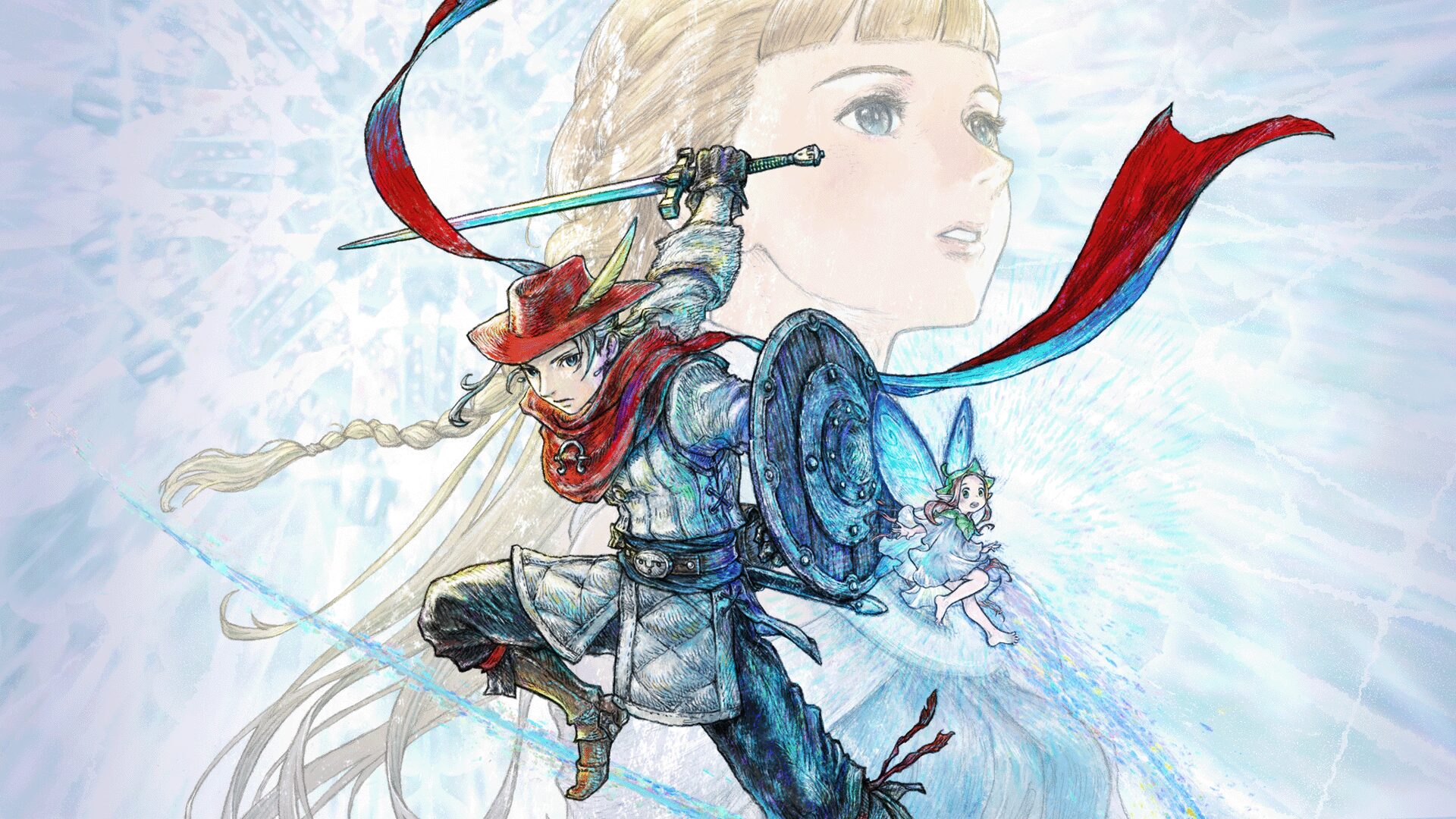
The narrative setup is classic fantasy boilerplate. Humanity has been pushed back to the Kingdom of Huther, a walled city holding out while the rest of the continent has been overrun by beasts. A barrier spell, maintained by Princess Heuria, keeps the monsters out, though she’s effectively a prisoner of her own duty. Enter Elliot, an adventurer in a scarlet cloak who is up for any task.
The Doorway of Time, which lets Elliot and his fairy companion Faie hop between four eras of the kingdom’s history, opens the story up in ways the early chapters only hint at. The clever part is that you’re rarely changing history, you’re only witnessing it. Characters you meet in one era reappear as legends in another. There’s a catch though… Faie is wired by default to talk too much and over-explain almost everything, from item drops to puzzle solutions. It can get quite annoying. Thankfully you can change your partner’s chattiness from talkative to reticent in the settings!
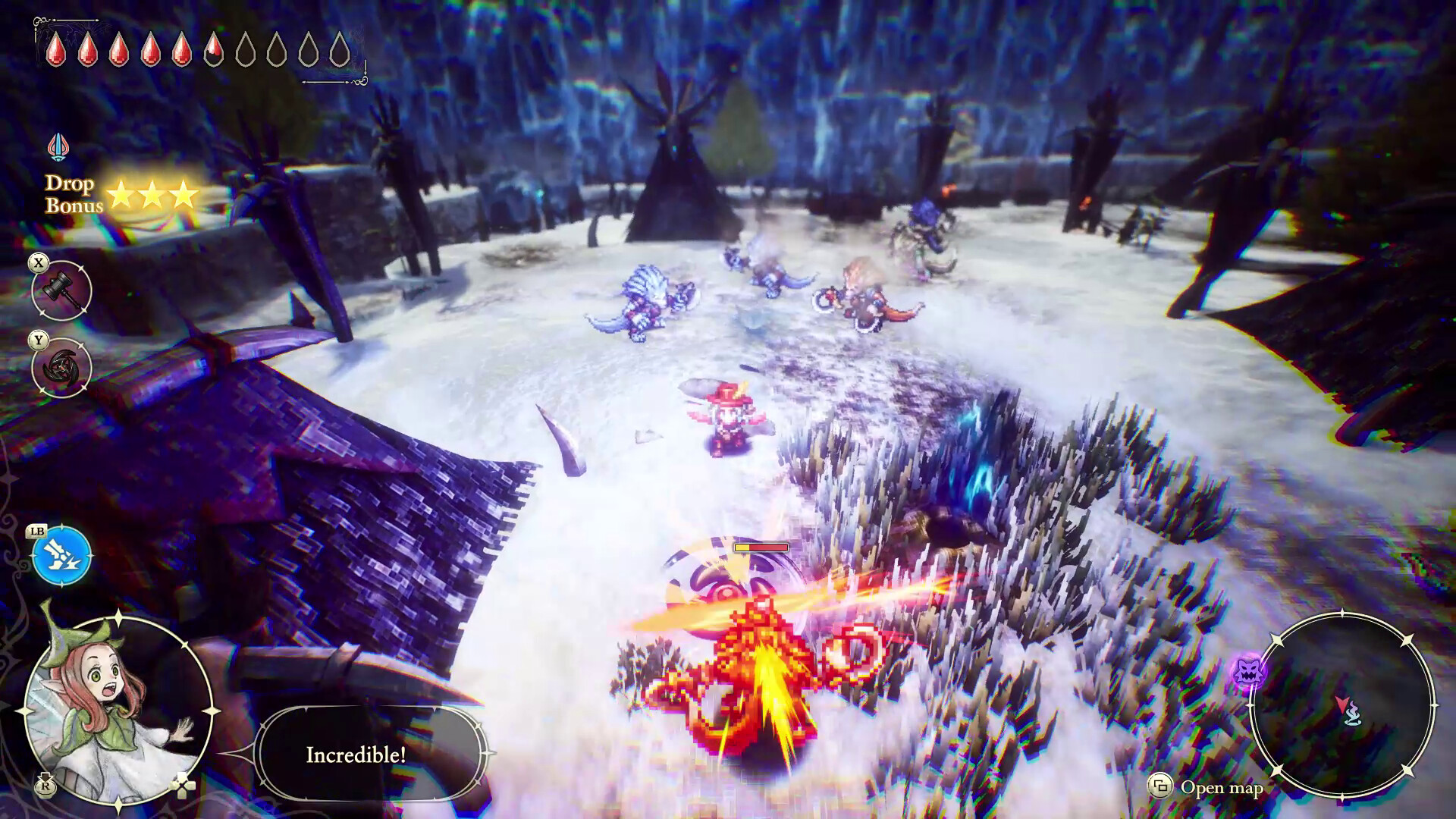
If the story takes time to win you over, the moment to moment gameplay hooks you almost instantly. Combat is fast, snappy, and built around two weapons you swap with the right trigger. There are four melee options (sword, spear, hammer, chain and sickle) that each have their own rhythm, and most double as overworld tools too. For example, the hammer gets used to pound nails that gate off certain pathways. On the ranged side, there’s a bow, a boomerang, and bombs, all of which also double as combat tools and puzzle keys.
The parry system (called precise guard here) is where Elliot quietly outshines its influences. The window is forgiving, especially on default difficulty, and timing a clean parry feels fantastic and satisfying. Faie complements all this with her own magical toolkit, which expands as you progress and includes a fire spell, a teleport, and an active Elliot clone that mirrors your movement. You aim her with the right stick, which sounds awkward on paper but becomes second nature within an hour. Some of the best puzzles ask you to coordinate Elliot and Faie at the same time. You can even turn the game into a local cooperative experience of sorts, having the second player control Faie independently!
The standout system is Magicite: little ability chips you slot into your weapons. Some change how basic or charged attacks behave, some grant conditional bonuses, and others alter ammo properties. You collect fragments from defeated enemies or from treasure chests, and take them to a merchant to roll new chips, kind of like a gacha game, so there is some RNG luck here.
Progression through the game is quite standard. You clear a ruin or dungeon, obtain a new tool or weapon, return to the overworld, and watch new pathways open up. There are optional caves and shrines, scattered across the four time periods, that reward you with health upgrades and crafting materials. The only con is that the overall world is quite small, and you retread the same ground over different eras, so it can get quite samey.
Where the experience stumbles a bit is in the side content. The optional quests don’t carry the same quality as the main ones. A lot of them feel like checklist filler like kill X monsters or gather Y ingredients rather than something the team put a lot of thought into. It also doesn’t take long before you’ve seen most of what the limited enemy roster has to offer. I wish this game came with more enemy variety, as you’ll have probably seen most of them in the opening hours alone.
After the credits roll, there’s a true ending sequence that adds more content to your playthrough. The catch is that getting there requires a fair amount of busywork. You’ll need to complete certain side content and revisit specific eras, and the game isn’t always clear about what triggers the next step.
The game offers no selectable graphical or performance modes on the PlayStation 5. There are three graphics presets that affect post-processing like depth of field, vignette, and shadow quality. The high preset runs cleanly on PS5, and the image targets a dynamic resolution close to native 4K while running at 60 fps. Performance held up flawlessly during my time on the PS5 build, with ultra fast load times and no bugs or glitches.
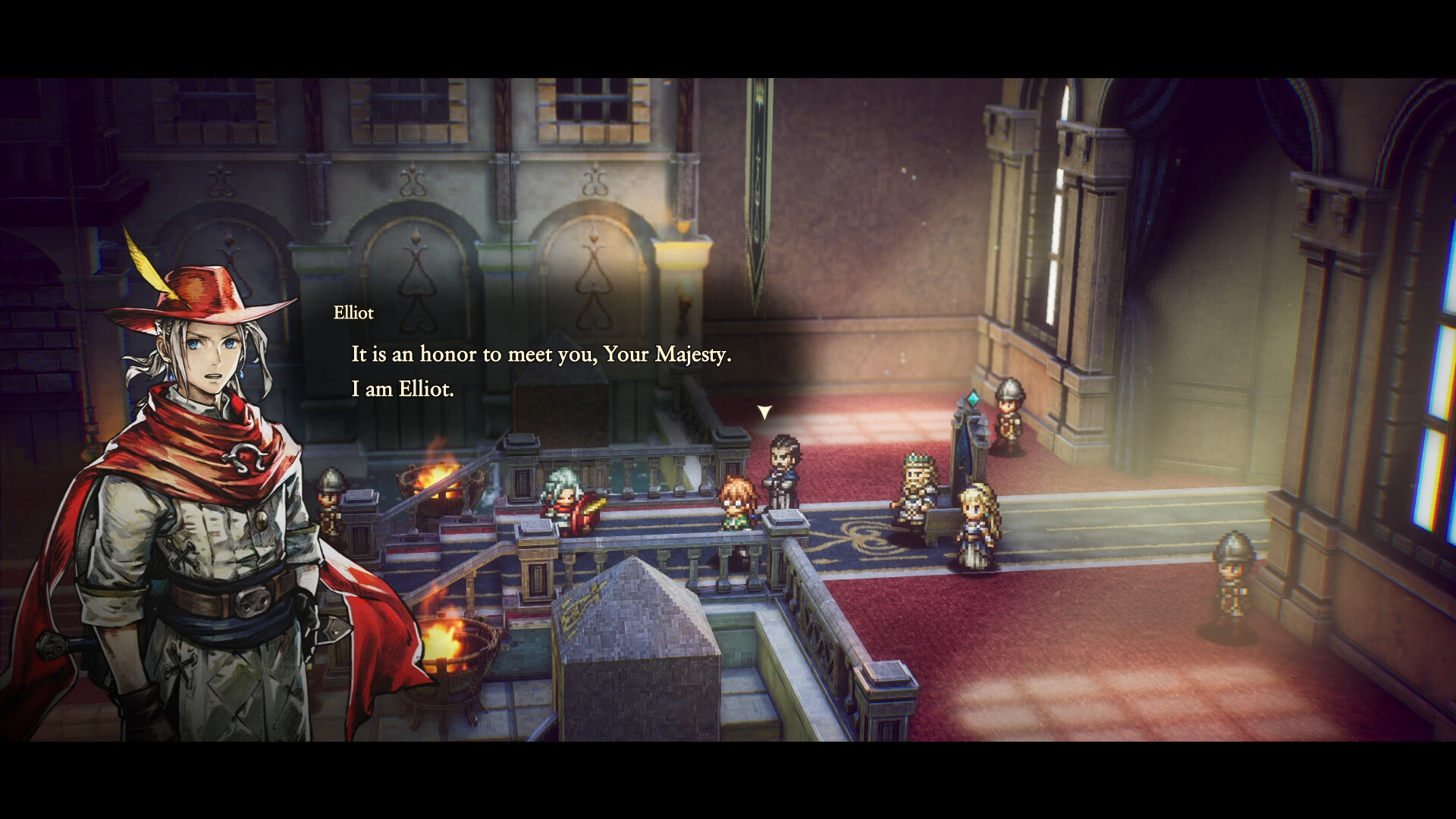
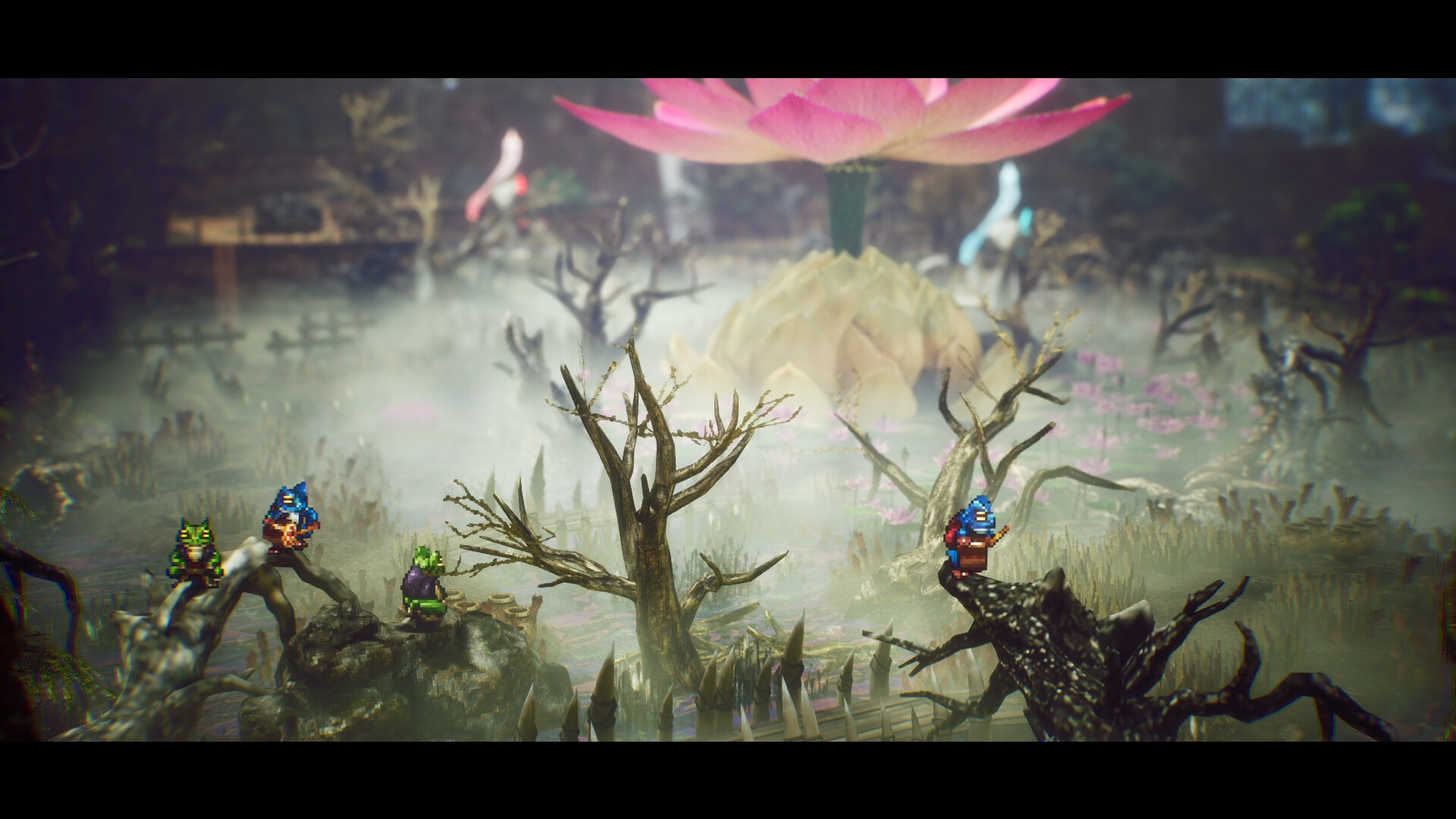
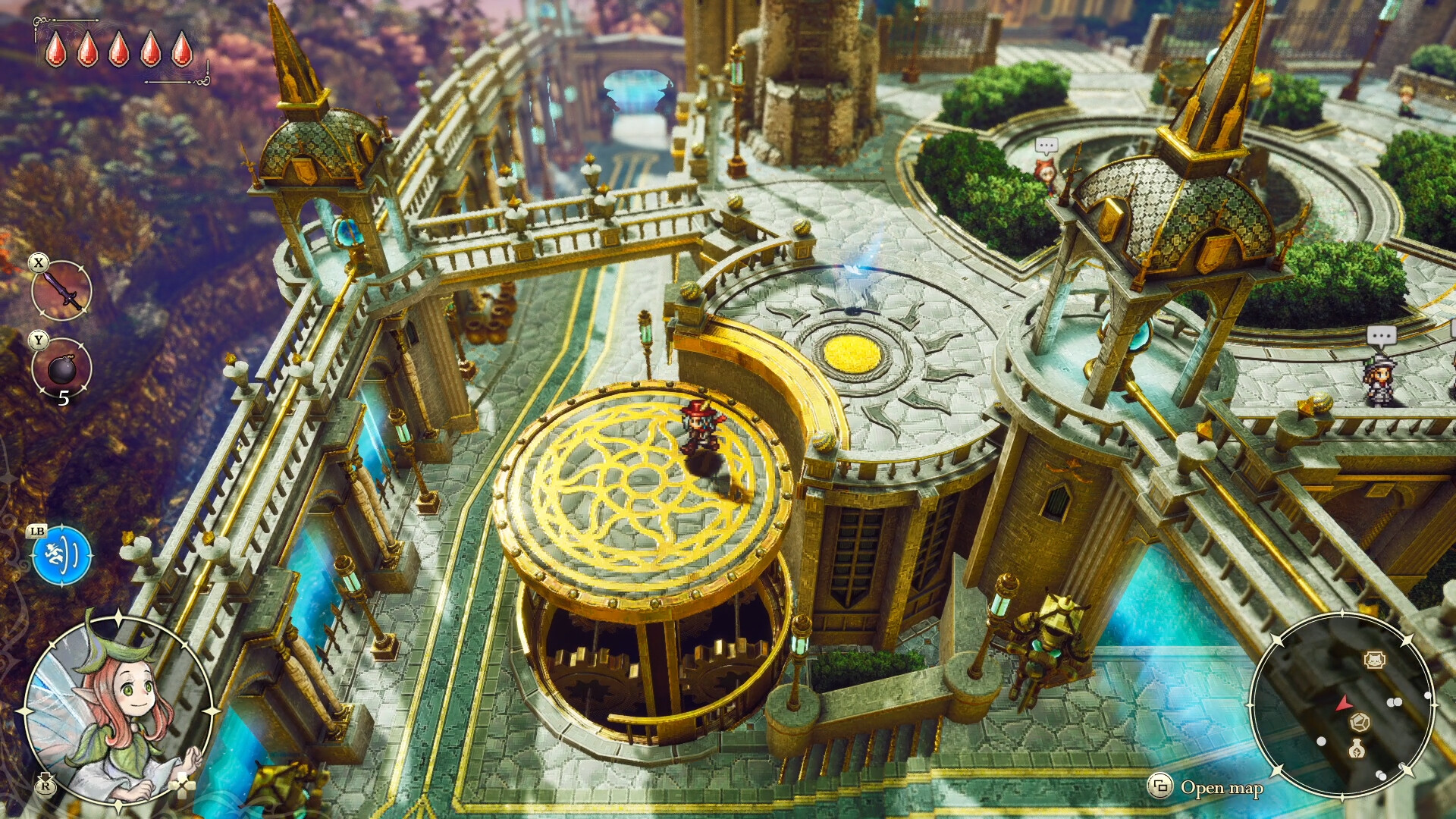
The HD-2D visuals look absolutely gorgeous. The developers have spoken in interviews about a “drumroll” technique that bends the map’s geometry into the background to push more distant terrain into view than a traditional top-down camera would allow. The payoff is environments that feel noticeably more cinematic than earlier HD-2D games.
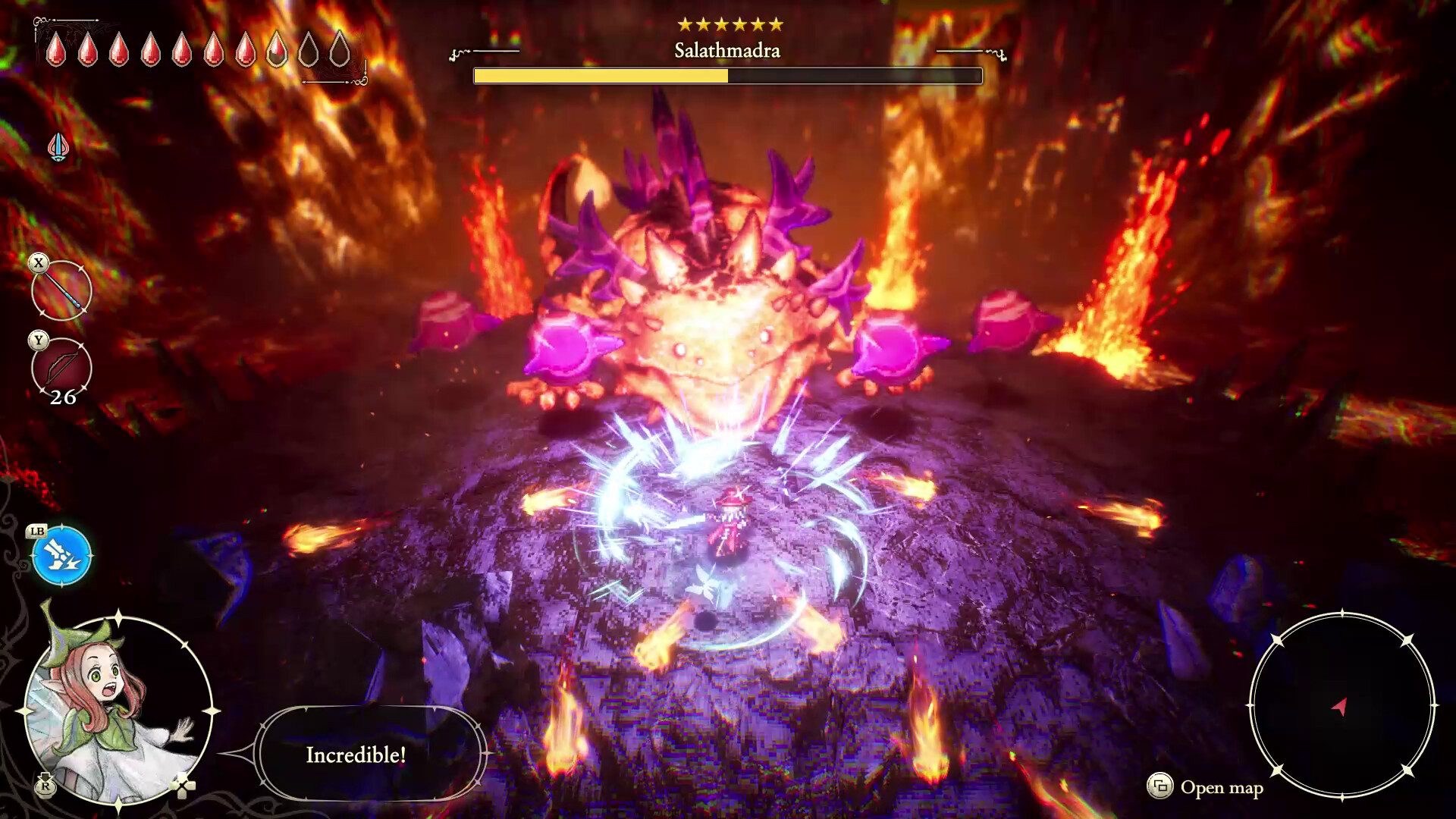
Character art is another high point. Even side NPCs get expressive hand drawn portraits during cutscenes, and the detailed work on enemies and bosses is impressive. This might be the most visually accomplished HD-2D title Square Enix has shipped to date.
The soundtrack is one of the other highlights of the whole experience. The score is largely orchestral, with arrangements that shift to match the texture of each era you visit, and boss battles in particular stand out with triumphant soundtracks. There’s even a dedicated Music section in the menus that feature records of the soundtrack to listen to! Voice acting is more divisive, mostly because of Faie. The English cast leans into a theatrical, slightly stilted delivery that won’t be for everyone.
Final Verdict
The Adventures of Elliot: The Millennium Tales is a beautiful, charming, and frequently brilliant action RPG that earns its inspirations. If Team Asano and Claytechworks get to make a sequel with this engine and the rough edges get smoothed out, they’ll have something even more special.