Summary
Sometimes I like to go back and reflect when I write a review. Let’s go back to January 2010. A small studio under THQ named Vigil Games was set to release their debut project. It was called Darksiders and it came out of nowhere.
Back in those days, January was a dumping ground. It was home to licensed-movie games or small niche titles that just didn’t fit anywhere else.
You didn’t expect a mature, epic action-adventure game to get released in that time frame, and even then you never expected it to be worth a damn.
Darksiders disregarded all of those rules and the unique time frame allowed it to breathe and find life. A dark, violent, hyper-stylized vision of the apocalypse dazzled right up front with its unique story and the magic of co-creator Joe Mad’s comic book roots.
What looked like a pure action game on the surface gave way to something more – something that was clearly inspired by The Legend of Zelda. Darksiders opted for a carefully constructed world that folded back upon itself. After completing huge dungeons, you would receive new tools to traverse the world. The mix of its stylized graphics, tight gameplay and a mature take on the Zelda formula gained Darksiders a cult following. Its popularity grew over time as more players discovered it. The game’s ending even left those who saw it extremely excited for the future of the franchise.

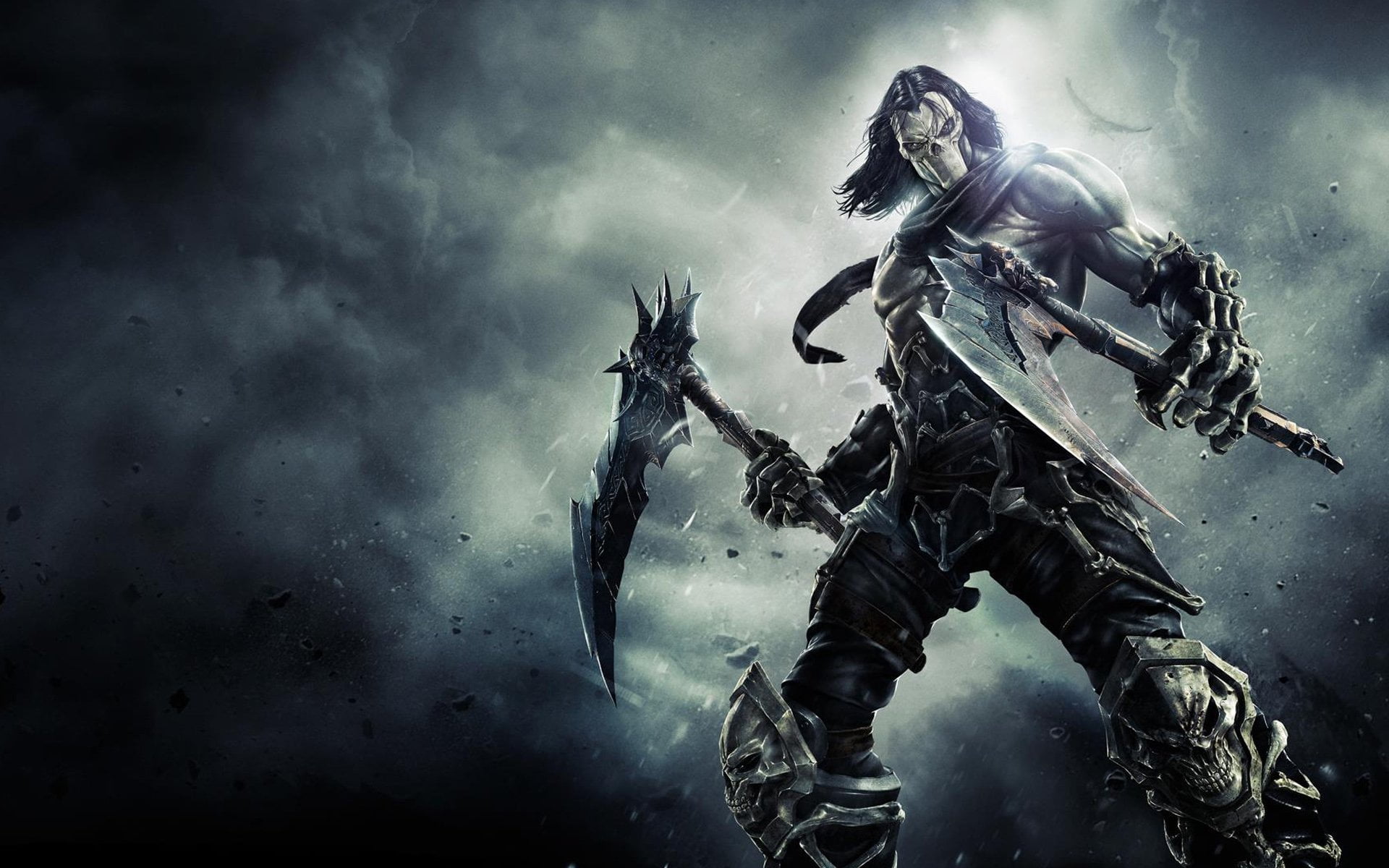
Darksiders 2 would go on to release in 2012, but it was a parallel story to the first. The gameplay diverged from a Zelda influence, to a Diablo one. The smaller scale, tightly designed dungeons and bosses were replaced by insane character action and a much, much deeper focus on random loot and gear. It was well-made and received, but something for me didn’t feel quite right in the transition away from the tight structure of the original. Too much was lost with the addition of RNG and loot taking up much of the game’s massive world.
Then the THQ bankruptcy happened, and with it the dismantling and selling off of the Darksiders franchise, including the team who brought it to life. Suffice to say, it seemed as if Darksiders would cease to exist after that happened.
I’m so glad that wasn’t the case.
Through what amounts to a miracle, especially when it comes to the gaming industry, THQ Nordic has gathered all of the pieces together and, in 2018, we finally have the return of Darksiders. Vigil may be no more, but where they once stood is a new development team. They go by the name of Gunfire Games, and with Darksiders III they are making a statement that this franchise is anything but finished.
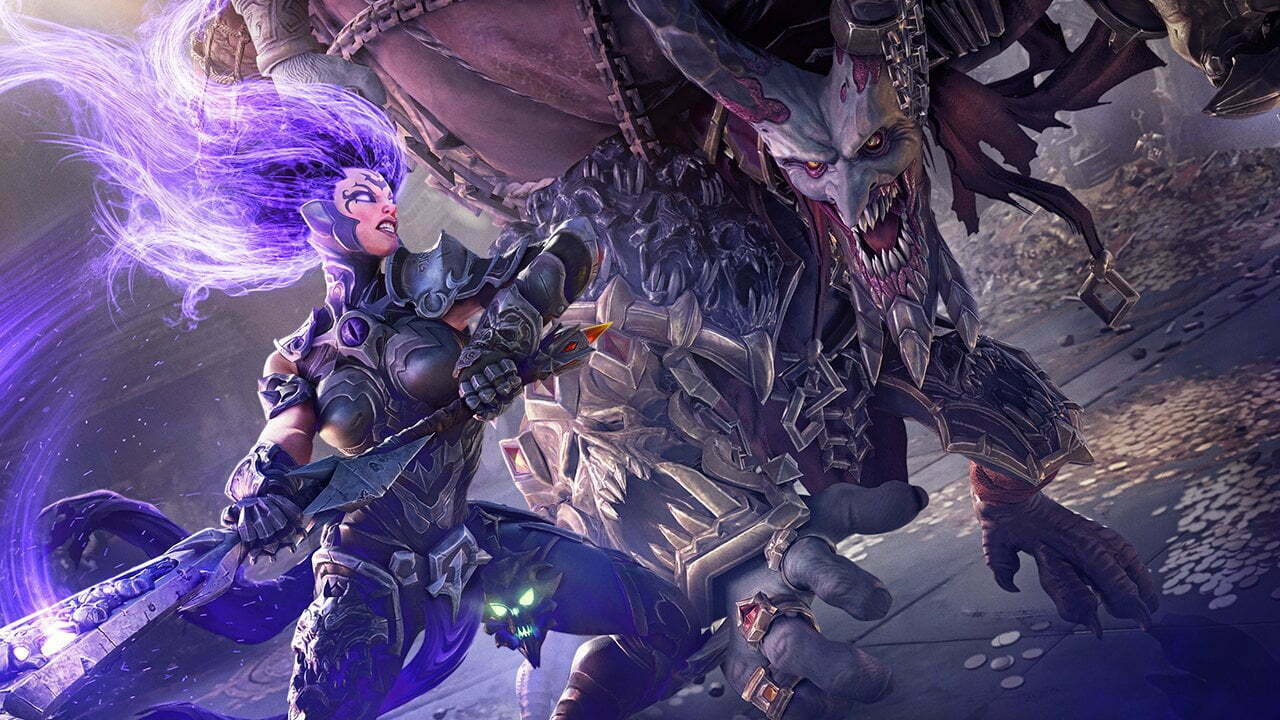
Darksiders III is once again a parallel story, much like the first two games. The seal is broken and War is imprisoned by the Charred Council. That is when they call upon the Horsemen’s sister, and this game’s main protagonist, Fury.
They give her a simple task: hunt down the Deadly Sins and capture them to help restore the balance between the kingdom of man, the angels of Heaven, and the demons from Hell.
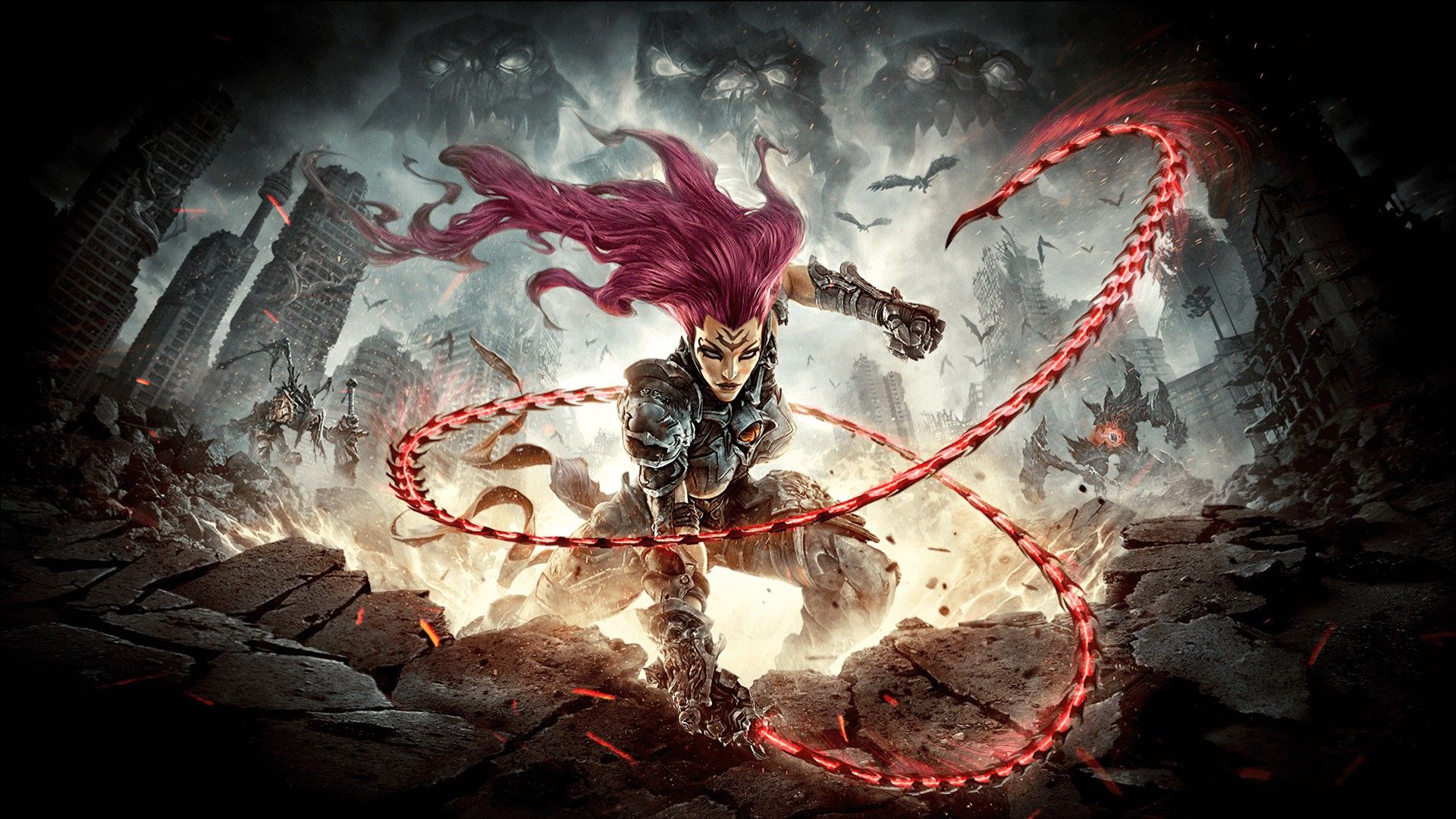
The first thing that sticks out is Fury herself, who is a very different horsemen than her brethren. Right from the intro she is impatient and quick to showcase her attitude to anybody within earshot. At first it’s a bit jarring, and at times she almost comes across as a spoiled brat who wants to be their leader. She seemingly has little care about her brothers or the seal being broken.
I can see this shift in attitude putting off some returning veterans. Compared to the stoic nature of War and Death, Fury is a very different character. This approach ultimately works in its favor. Her flawed, brash persona allows her to actually exhibit some growth. Through her journey she grows and has a much wider range of emotion that really helps Darksiders III stand apart from the others.
Apart from Fury herself and the changes she brings, Darksiders III has more than just character growth to add to the series.
Darksiders was highly influenced by Zelda; part two had a very Diablo influence and was sprawling in its scope. Darksiders III is also influenced by another classic, but not Zelda. This time, Super Metroid and Dark Souls are what this game draws much of its inspiration from.
Much of the design resembles the original in terms of scope. The massive multi-realm adventures of Death are stripped down to a much tighter and more cohesive world. Even from the beginning of the game you will see many pathways and locations that you just don’t have the ability to traverse at the moment. Instead of huge dungeons to gain new abilities, you will face the Seven Deadly Sins. Throughout your battles with these bosses you will gather new weapons to aid Fury in her adventure.
Instead of random weapons and gear, your main weapon is a hilt that takes the form of a whip. With each major boss you defeat a new ability, in the form of hollow forms, will be gathered.
Hollow forms can be changed in real time, and with each new form comes a new weapon to attack with. Take the flame hollow for instance. With this form equipped your secondary attack becomes two immolated flails that attack quickly and can apply damage over time. This form also gives Fury the ability to traverse lava, burn away obstacles, and a double jump to help navigate the world.
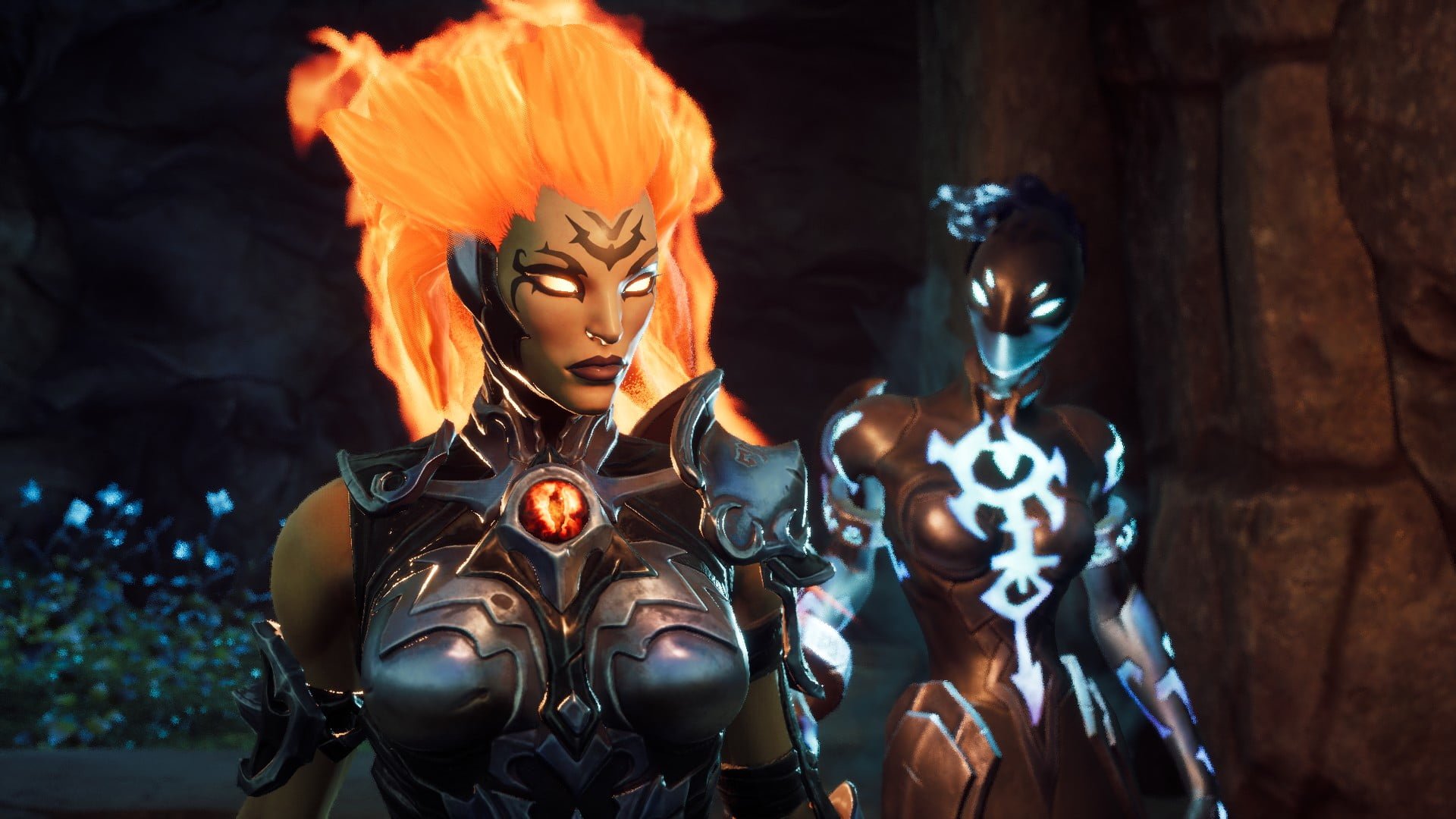
This design is applied to the entire game. With each new hollow you earn, new weapon styles and various traversal options are opened up to the player. Each one of the 4 hollows are varied and extremely useful. Due to the tighter design of the world, each one of these hollows will remain useful and vital throughout your entire journey. Whether it’s exploiting an enemy weakness, or finding a new secret to open up, you will always have a use for each one of her new forms in terms of combat and exploration.
The combat and character progression also sees a handful of changes. While responsive and smooth as it has always been, the ebb and flow of combat is very different. It can be easy to see surface-level comparisons to the Souls genre. The overall difficulty of the enemies, the distinct lack of invincibility frames and the patience combat requires are all very inspired by Dark Souls.
Even the leveling curve is familiar to those who have played it. Fury has three attributes: Health, Arcane and Attack. Each enemy defeated gains you souls that are used to level one of those three stats. If you die, you lose all souls and must return to the spot of your death to regain them.
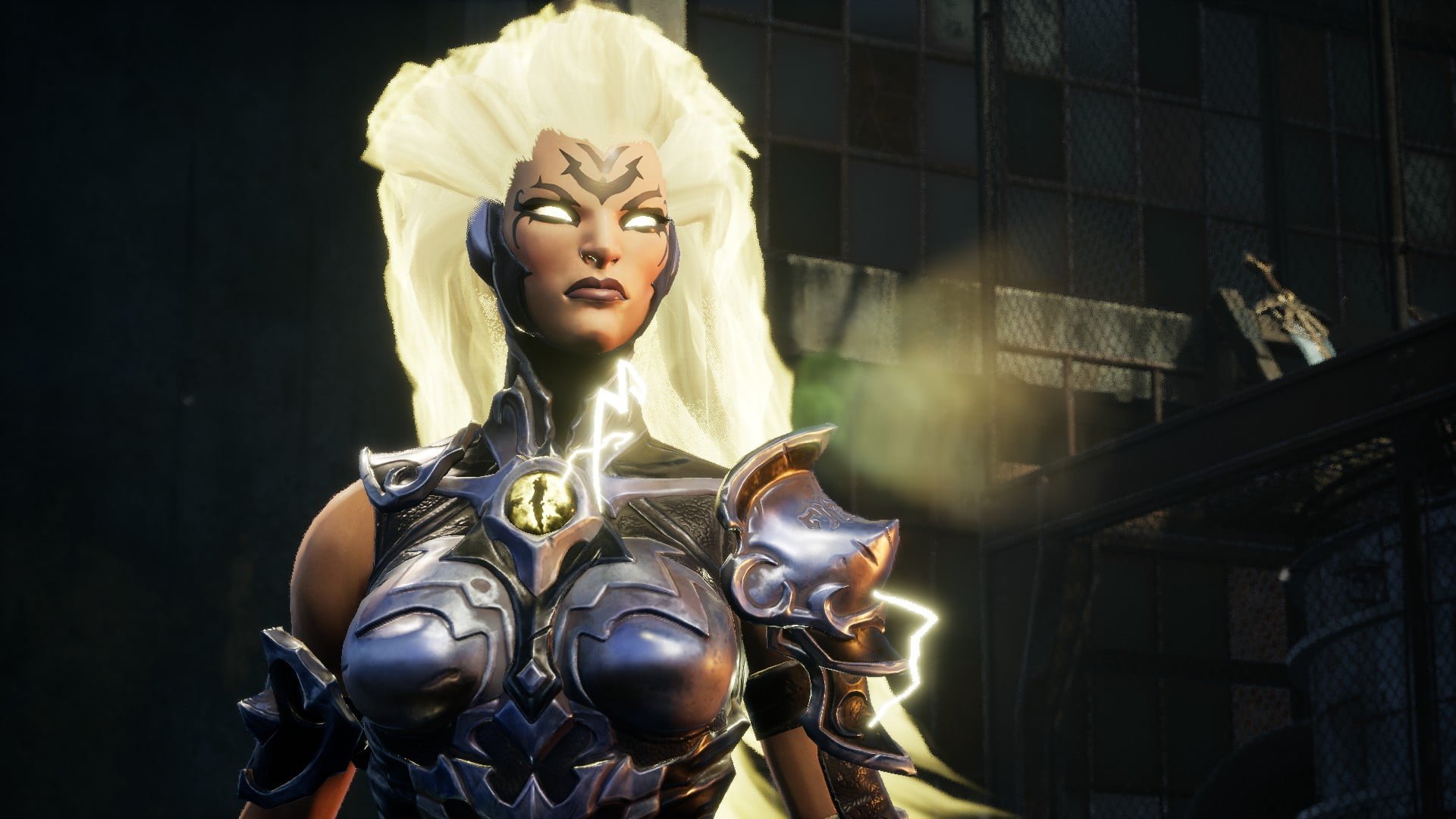
Despite how obvious those mechanics seem on the surface, that is where the similarities end. The actual moment-to-moment combat is a different beast from any of the Souls games. The action is extremely tight, smooth and fluid. Combos, special attacks and dodging all happen at the drop of a dime. No long, slow animations or sluggish movements here. Earlier, I mentioned invincibility frames – this is important because none of your attacks are safe in this game.
Fury does not have a shield; instead, if you dodge with precision timing you can unleash a hard-hitting counterattack. Unlike almost every other character action game in the last few years, you’re not locked into your animation during a counter. Any stray hit from an enemy can completely disrupt you and hit for massive damage.
This makes crowd control a much more important task. One enemy or two are challenging enough. Draw in three enemies or more and things can spiral out of control fast. The dodge and counter mechanic is not a get-out-of-jail-free card. You must train yourself to really pick and choose your attacks, even your counterattacks, because nothing is safe from enemy attacks.
This keeps up for the entire game. Because of the stripped down nature of leveling, and the lack of armor upgrades or powerful weapons dropping from enemies left and right, you must always be prepared. Simply power leveling and brute forcing your way through combat is not a viable tactic in Darksiders III, and I personally feel the game is far more engaging because of that.

Upgrades are present, and a familiar face is around to provide a handful of enhancements to your weapons and the gems you can socket them with. Despite the options, the game is not the RPG Darksiders 2 was, where you collected hundreds of weapons and armor pieces. There is no skill tree with unlocks aplenty, and, to be honest, I couldn’t be happier with that decision.
At the center of Darksiders III are the Seven Deadly Sins. They provide most, but not all of the game’s memorable boss battles. They are all unique, memorable and the environments they inhabit all personify the sins they represent perfectly.
The story telling itself is sparse, with a more minimalist approach to story. Even the music is sparse. The sparse nature of the music and story do not hurt the game, and the moments that have both kick in to high gear are always something special to behold. One moment in particular had me yelling and pumping my fist, and it was something any Darksiders fan has been waiting to see for years.
Not all is perfect, however, and as much as I enjoyed the game it is not perfect. The game looks great, and for the most part runs smooth, but the areas that don’t are a huge distraction. Every time you enter a new area or pan the camera across a more open environment the frame rate drops severely. No matter what setting I tried using these hard frame drops could not be avoided. I reviewed the game on a Core i7 4790 at 4.2 GHz and a Titan XP, and even then the frame rate would not hold steady.
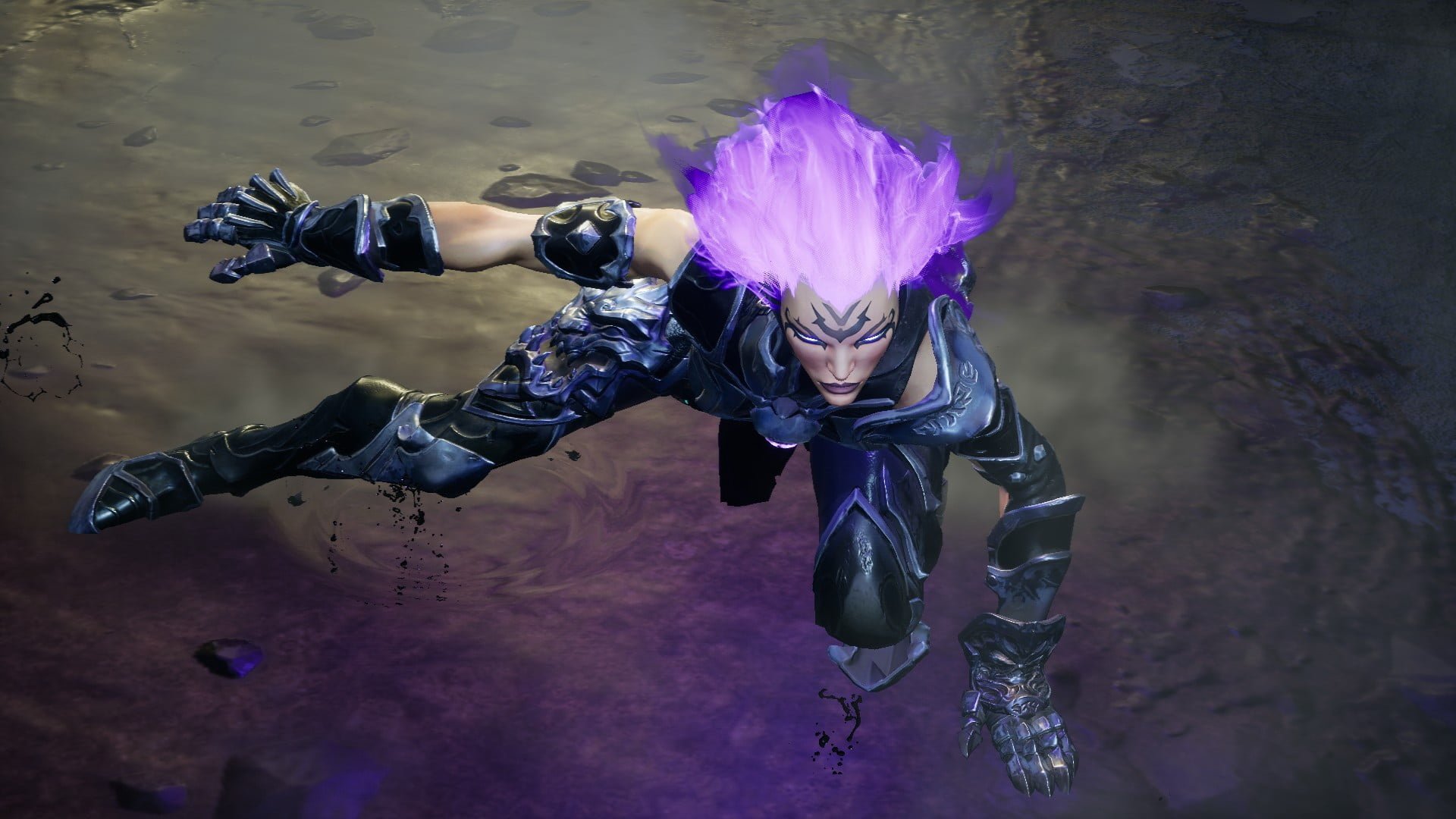
The other major issue is the lock-on system. It’s clunky and only really useful against one or two enemies. Whenever faced with a group, the lock-on targeting was often a hindrance, and I did better just attacking without it.
The story is sparse, like I mentioned previously, and the stripped down nature of the RPG mechanics and the smaller scope of the game’s length (around 15 hours on the standard difficulty) might turn some people off. I was not a fan of Darksiders 2‘s more sprawling nature, so the smaller scope and playtime was a huge plus in my book.
Overall, I loved my time with Darksiders III, and I have already started a second playthrough on the hardest setting. If you are a fan of the previous games, or looking for a solid character-action game that isn’t filled with open world bloat, you can’t pass this up.
Despite all of the troubled history – THQ’s bankruptcy, the franchise and development team being sold off to different places, and the ever-changing landscape in the gaming industry – THQ Nordic and Gunfire Games fires a shot right through the heart of an industry filled with bloated open world, micro-transaction heavy games with a return to tightly designed action-adventure games that recent AAA titles have sorely missed. Darksiders III is a return to form; don’t miss it.