Summary
Very few games manage to create memories this naturally.
Forza Horizon 6 is not merely the best entry in the franchise. It is the ultimate realization of what the Horizon series has always wanted to become. Japan was worth every year of waiting, and Playground Games has delivered a racing game so ambitious, beautiful, welcoming, content rich, and emotionally immersive that it genuinely feels historic.
Developer: Playground Games
Publisher: Xbox Game Studios
Platforms – Xbox Series S|X , PC (Reviewed)
Review copy given by Publisher
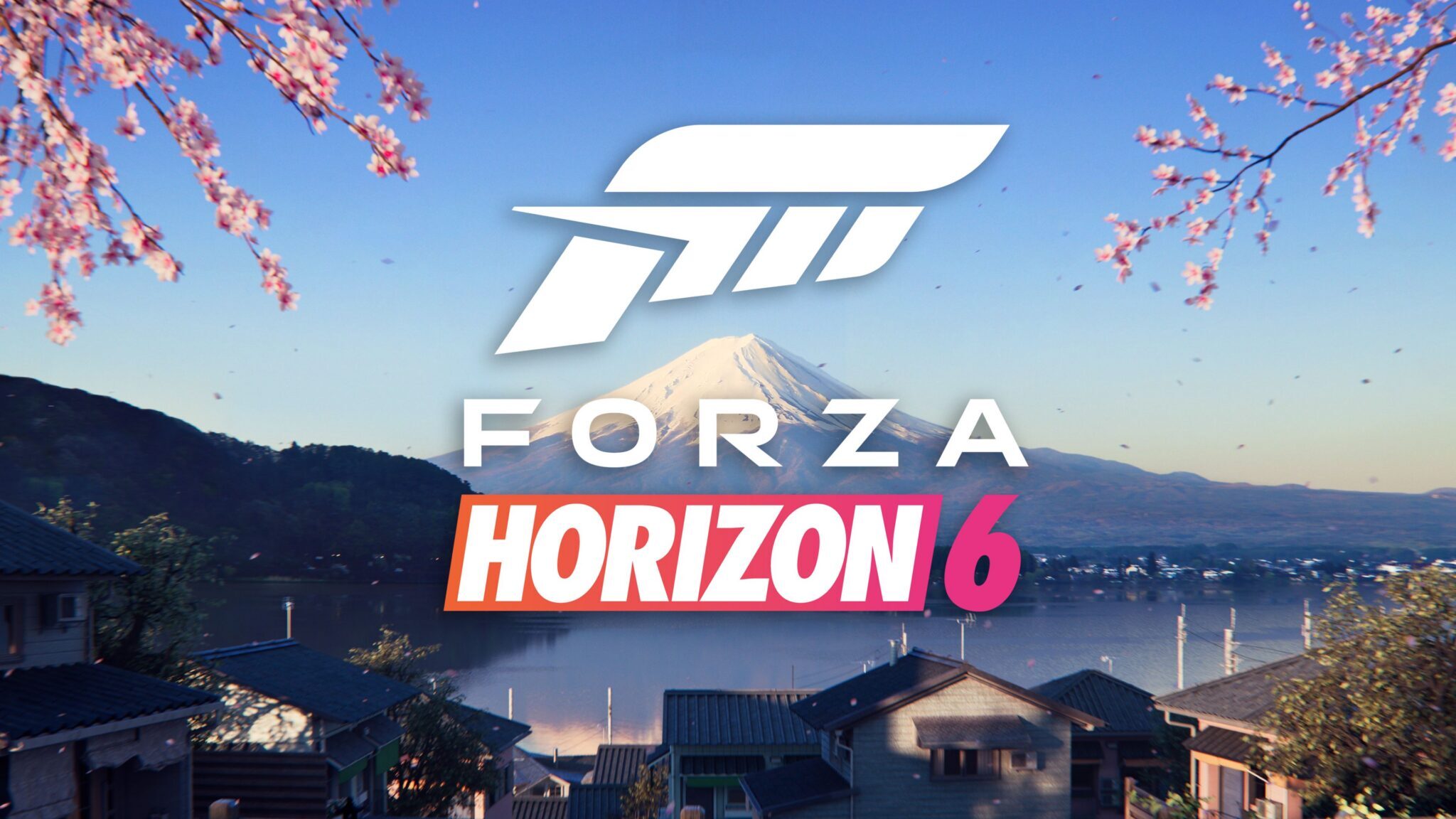
There are very few moments in gaming where a title feels less like the next entry in a franchise and more like the arrival of something people have collectively dreamed about for years, and from the very first moments of Forza Horizon 6 it becomes crystal clear that this is one of those rare releases. For well over a decade, fans begged Playground Games to finally bring the Horizon Festival to Japan, and after spending dozens upon dozens of hours racing through neon lit Tokyo streets, drifting across fog covered mountain roads, weaving through quiet countryside villages, and watching cherry blossoms swirl around some of the most legendary cars ever built, it is impossible not to come away feeling like this was the destination the series was always meant to reach. Japan was not chosen simply because it was popular among fans, nor because it was an obvious location for a racing game. Japan was chosen because no other place in the world could naturally combine the entire identity of Horizon into one cohesive experience. Tradition and technology collide here in ways that feel almost magical. Ancient shrines stand quietly beside towering highways glowing with LED billboards. Tiny backroads snake through forests before suddenly opening into sprawling city intersections packed with nightlife and endless traffic. Peaceful silence can become high speed chaos within seconds, and Horizon 6 weaponizes that contrast better than any racing game ever made.
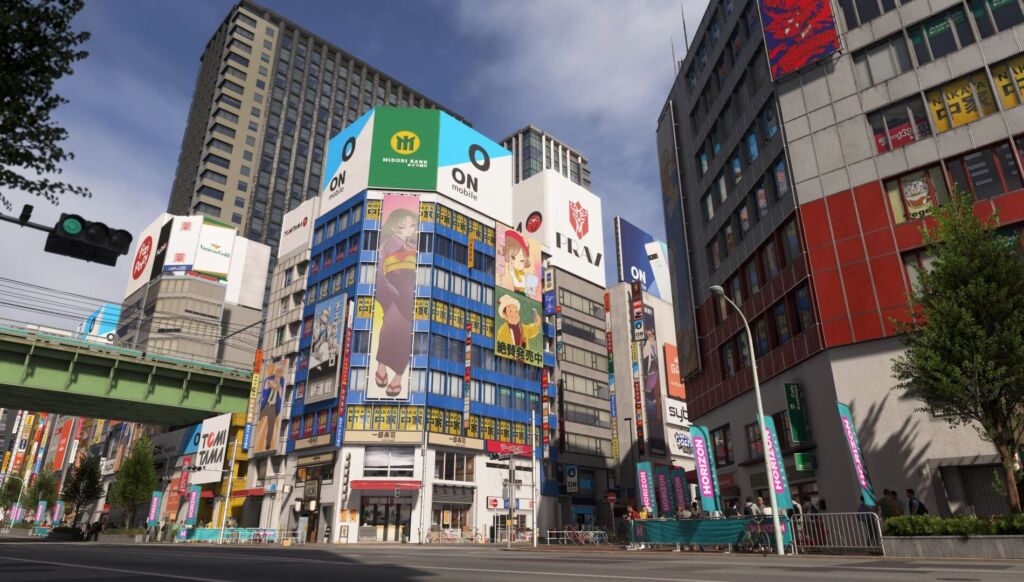
The first thing that truly hits you while playing Horizon 6 is the overwhelming sense of atmosphere pouring from every inch of the world. Playground Games did not simply create a map inspired by Japan. They built a living, breathing interpretation of the country that captures its moods, rhythms, environments, and car culture with astonishing detail and respect. Every road feels handcrafted rather than procedurally assembled. Every district has personality. Every mountain pass, every industrial zone, every suburban neighborhood, and every stretch of highway feels designed with purpose. The result is a map that does not just encourage exploration but practically demands it because every turn presents something new worth seeing. You can spend hours driving without touching a single event marker simply because the act of existing in this world is rewarding enough on its own.
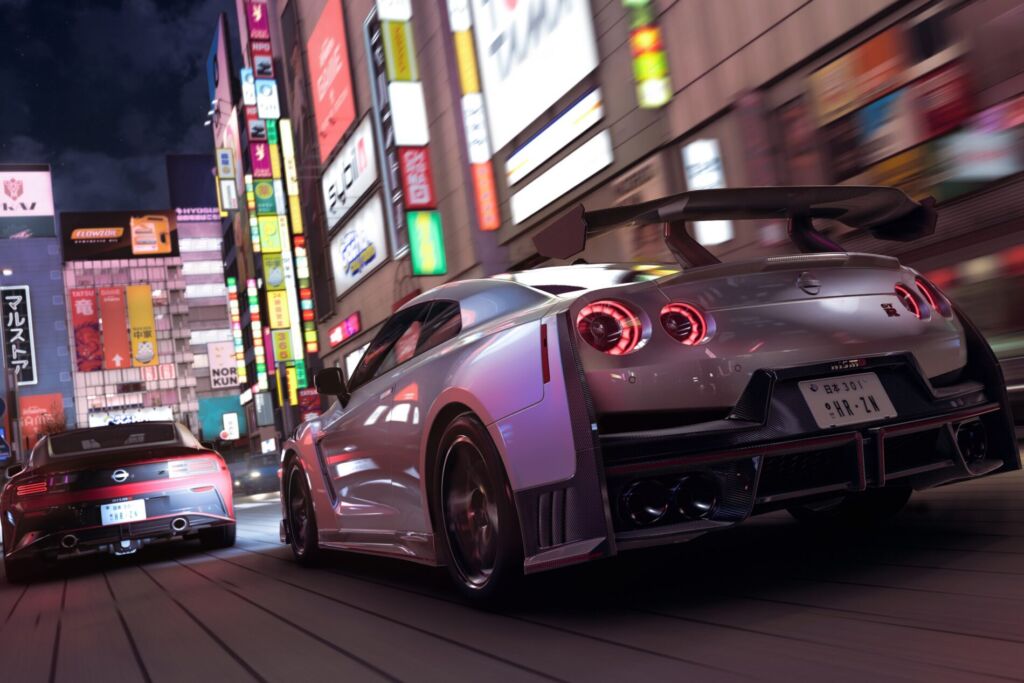
Tokyo immediately establishes itself as the single greatest urban environment ever created in the history of the Horizon franchise, and quite honestly, it may be one of the most impressive cities ever built in an open world racing game period. Playground Games described it as Horizon’s largest and most detailed urban area ever, and even that undersells what they achieved here. The city feels enormous in a way racing games rarely attempt because most developers understand how difficult dense urban environments are to build while maintaining performance and gameplay flow. Horizon 6 somehow pulls it off effortlessly. Neon drenched highways twist around towering skyscrapers while side streets branch off into tightly packed alleyways lined with ramen shops, vending machines, arcades, karaoke bars, and convenience stores. Bridges stretch overhead while tunnels roar beneath the streets. Every district has its own visual identity, and as you spend more time learning the city, you begin recognizing landmarks and memorizing routes exactly like a real driver would.
Driving through Tokyo at night is one of those gaming experiences that genuinely leaves you speechless. Rainwater reflects every passing light source across the pavement while glowing signs flicker endlessly against polished bodywork. Traffic moves through intersections as trains thunder overhead. Music from nearby clubs spills into the streets while your engine screams through narrow tunnels lined with fluorescent lights. The city feels alive in a way that transcends simple graphical fidelity. Horizon 6 understands that atmosphere is not just about visuals. It is about movement, sound, density, and emotional energy. Tokyo constantly feels active whether you are flying down highways at absurd speeds or simply cruising slowly through quieter neighborhoods admiring the scenery.
What makes the city even more remarkable is how dramatically it changes the actual gameplay experience depending on where you drive. Wide expressways encourage maximum speed runs in hypercars capable of pushing beyond 300 kilometers per hour, while the tighter technical streets reward precision and car control. Learning Tokyo becomes part of your progression as a driver. At first, the city feels intimidating because there are so many roads layered above and beneath each other, but eventually you begin understanding the flow of traffic, the location of shortcuts, and the fastest routes through complex intersections. The city rewards familiarity, and that creates an attachment to the world that most open world racers fail to achieve.
Outside the city limits, Horizon 6 transforms into something entirely different while remaining equally breathtaking. The countryside areas are stunningly peaceful, filled with winding roads cutting through forests, mountain villages, rice fields, lakes, and valleys. One of the greatest strengths of Japan as a setting is how quickly the environment can shift between completely different moods and driving styles. Within minutes you can go from threading traffic through Tokyo to drifting along steep mountain passes inspired by real Japanese touge roads before eventually arriving at serene coastal highways overlooking crashing ocean waves. Every biome changes not only the visual presentation but also the feel of driving itself.
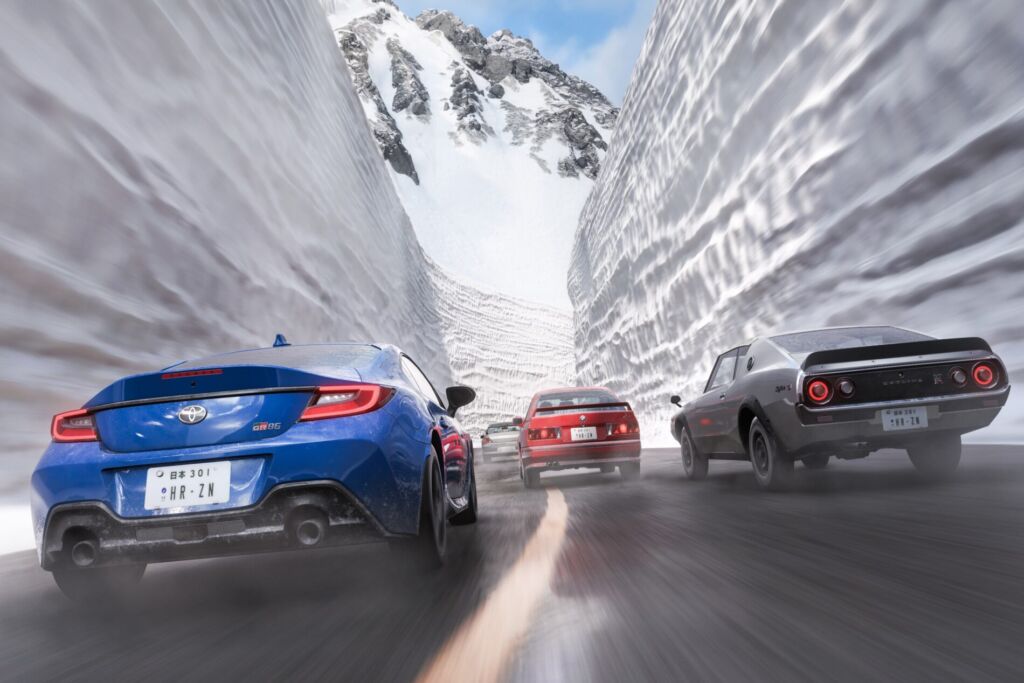
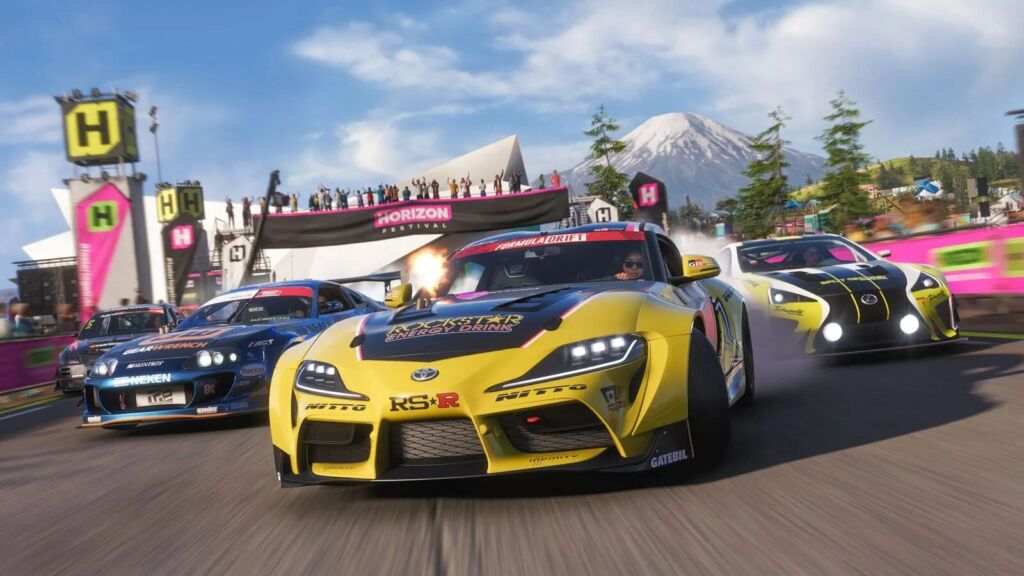
The mountain roads deserve special praise because they represent some of the best driving routes ever created in the franchise. Tight hairpin corners, elevation changes, narrow roads, and dangerous cliffside drops create perfect drifting playgrounds that feel directly inspired by decades of Japanese street racing culture. These roads are not simply visually impressive. They are mechanically satisfying in ways that make every drift feel earned. Whether you are sliding an AE86 through narrow corners or pushing a modern Nissan GT R uphill during heavy rain, Horizon 6 constantly delivers moments that feel cinematic without sacrificing player control.
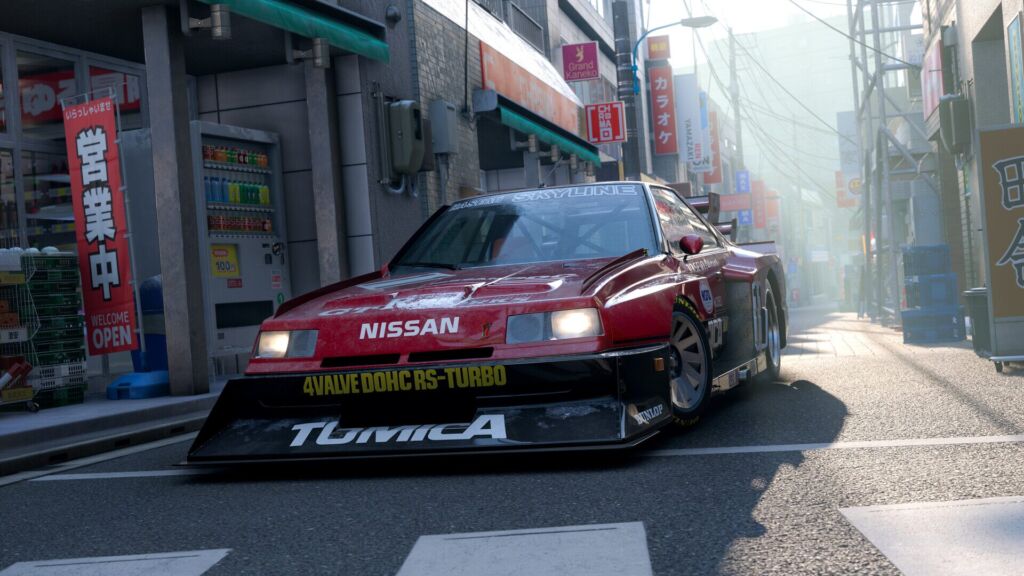
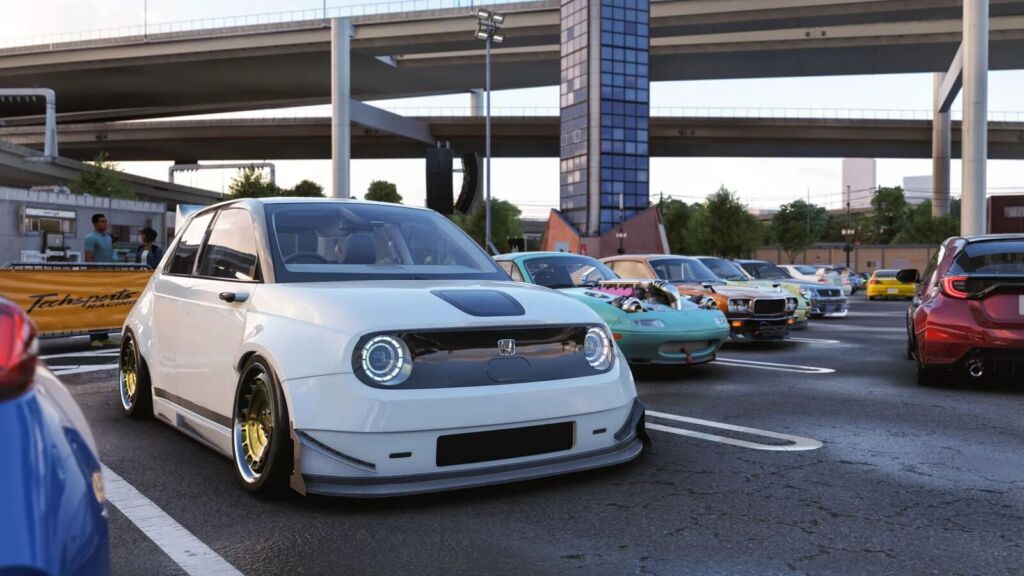
And speaking of Japanese car culture, this game absolutely understands why people around the world fell in love with it in the first place. Horizon 6 does not treat Japanese cars like simple fan service additions to a roster. The game celebrates the entire culture surrounding them. Legendary imports like the Supra, RX 7, Skyline GT R, Silvia, Fairlady Z, and countless others are given the spotlight they deserve, but more importantly, the environments surrounding those vehicles feel authentic to the culture they came from. Car meets happen naturally throughout the world. Parking areas near mountain routes fill with customized builds. Groups gather late at night for drift runs while photographers line the roads capturing perfect angles. There is an obvious love and respect for Japan’s automotive history embedded into every part of the experience.
What surprised me most, however, was how much Horizon 6 focuses on Japan itself rather than simply using it as a backdrop for races. The game actively encourages players to appreciate the country through exploration and cultural activities. Some of my favorite moments involved slowing down entirely and simply taking everything in. Parking outside a tiny countryside restaurant during sunset while listening to rain hit the roof of my car. Driving through forests covered in cherry blossoms while soft music played on the radio. Watching city lights reflect off wet streets during a midnight cruise through Tokyo. Horizon 6 constantly reminds players that driving is not always about competition. Sometimes it is about atmosphere, relaxation, and experiencing a place through motion.
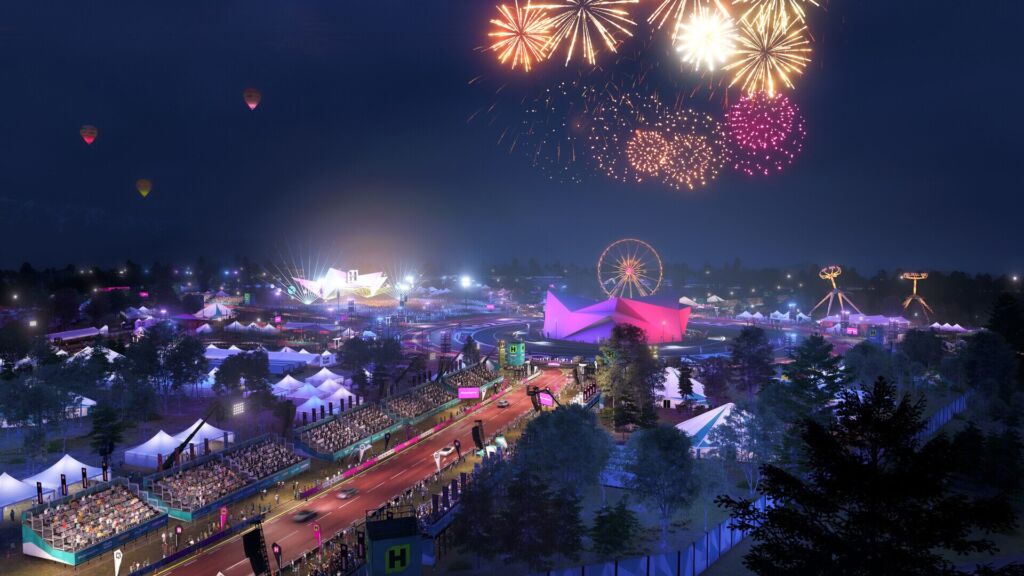
The seasonal system elevates this immersion even further because Japan’s seasonal changes are among the most visually distinct in the world, and Horizon 6 takes full advantage of that. Winter transforms mountain roads into icy drifting challenges while snow blankets villages and forests. Spring floods the countryside with cherry blossoms that scatter beautifully across roads during races. Summer introduces intense heat shimmer, storms, and lush greenery, while autumn covers entire regions in deep reds, oranges, and golds. The world feels alive because it is constantly changing, and those changes impact both visuals and gameplay in meaningful ways.
Weather effects are equally transformative. Heavy rain dramatically alters visibility and traction while thunderstorms create some of the most intense races the series has ever seen. Fog rolling across mountain roads turns simple drives into tense, atmospheric experiences. Even clear weather during different times of day changes the emotional tone of the world. Daytime emphasizes the beauty of Japan’s landscapes while nighttime completely transforms Tokyo into a glowing futuristic dreamscape.
One of the smartest additions in Horizon 6 comes from the expanded Horizon Festival progression system, which feels far more meaningful and immersive than previous entries. Rather than immediately treating you like a global superstar, the game begins with you as a tourist and rookie driver attempting to build a name within Japan’s racing culture. Progression feels earned because the game constantly frames your journey as one of discovery and growth rather than instant fame. The Horizon Invitational system pushes you toward increasingly challenging races while also encouraging exploration beyond pure competition.
The new Collection Journal system might quietly be one of the best features Playground Games has ever added. It divides progression between the Horizon Festival itself and Discover Japan objectives, allowing players to shape their experience however they choose. Competitive players can focus heavily on races and skill challenges while explorers can spend hours photographing landmarks, finding hidden roads, participating in cultural activities, or simply driving across the country. Horizon 6 feels more personal because it allows players to define what their journey looks like.
One of the most unexpectedly brilliant additions comes from the new food delivery missions, which sound silly at first but quickly become incredibly addictive. Racing through Tokyo traffic while delivering ramen, sushi, or bento orders under strict time limits somehow perfectly captures Horizon’s playful personality. These missions force players to drive differently because reckless speed can damage the delivery and reduce rewards. Suddenly you are balancing precision, efficiency, and speed while weaving through crowded streets and memorizing shortcuts. What makes these tasks so memorable is how much they contribute to the illusion that Japan is a functioning place filled with people living actual lives rather than just a giant race track.
The Showcase events return bigger and more absurd than ever before, and Horizon 6 fully embraces the spectacle. Racing aerobatic planes through scenic countryside while explosions erupt nearby already feels incredible, but then the game somehow escalates things further by having players chase a giant mech through downtown Tokyo in one of the most insane sequences the franchise has ever attempted. These events feel like interactive action movies, combining cinematic chaos with genuine gameplay excitement.
Meanwhile, Horizon Rush events cater beautifully to hardcore driving enthusiasts by focusing heavily on technical skill and precision. Since your vehicle is selected for you, success depends entirely on adapting your driving style and mastering difficult routes. These events become some of the most satisfying challenges in the game because they strip away the comfort of relying on overpowered builds.
However, perhaps the most genuinely important achievement in Horizon 6 has nothing to do with graphics, racing, or world design. It is accessibility.
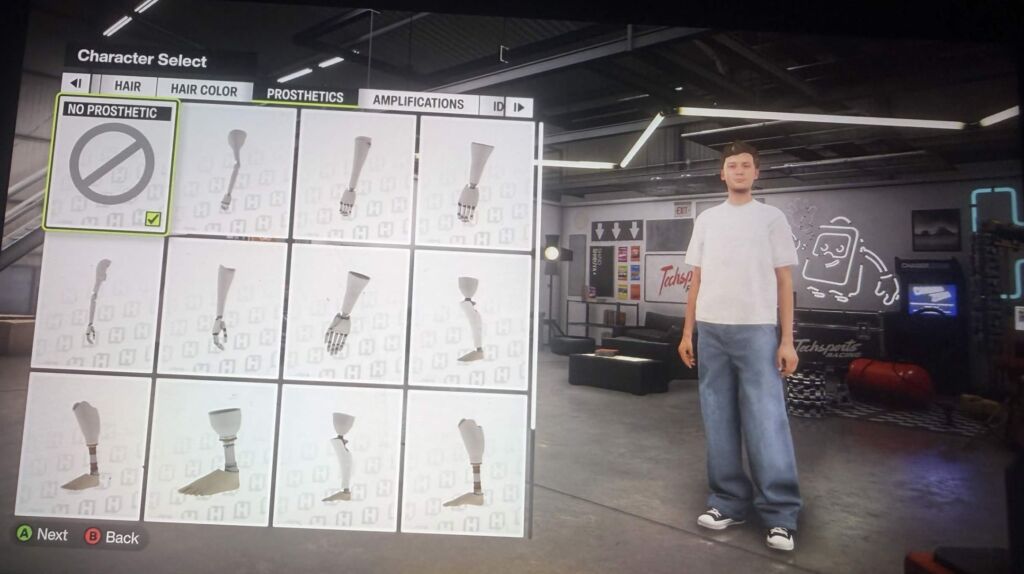
For years, countless games have promised inclusivity while offering only the bare minimum of accessibility options, but Horizon 6 goes further than almost any major AAA release I have ever seen. The character creator alone is groundbreaking in terms of representation and personalization. This is the first time I have ever played a racing game where it genuinely felt like the developers wanted every player to see themselves reflected onscreen in a meaningful way.
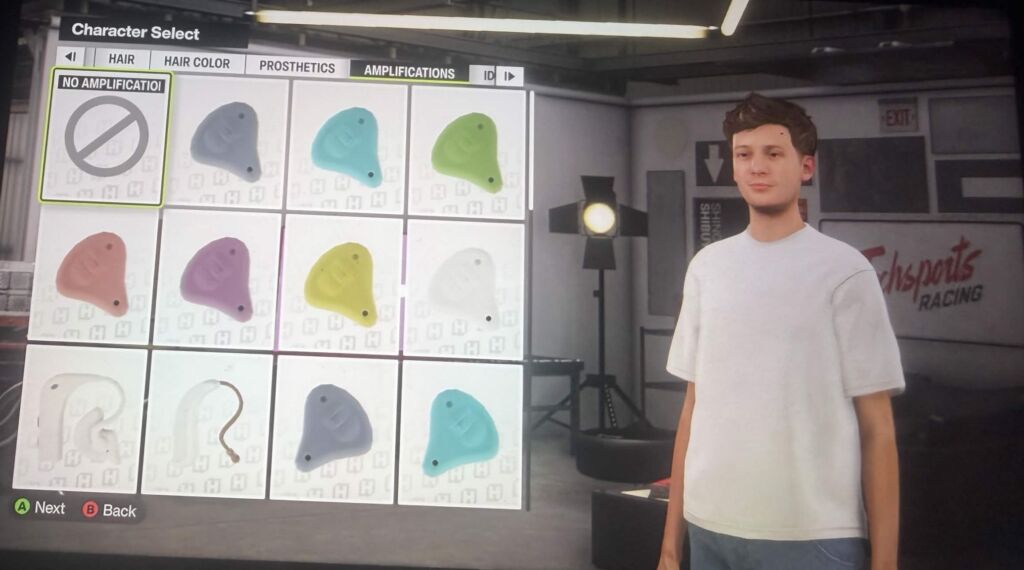
Players can customize their drivers with incredible detail, including prosthetic arms, prosthetic legs, hearing aids, cochlear implants, mobility devices, detailed facial structures, body types, hairstyles, skin tones, and countless cosmetic options. What makes this so impactful is that the game treats these choices as completely natural parts of character creation rather than spotlighting them as special features. Drivers with prosthetics participate normally within races, cutscenes, and festival activities alongside everyone else. It creates an environment that feels welcoming rather than performative.
The level of personalization is astonishingly deep. You can spend hours fine tuning facial features, adjusting hairstyles, experimenting with clothing, and building a driver that genuinely resembles you. Small details matter here. Seeing a character wearing hearing aids or cochlear implants represented naturally in a massive AAA racing game carries enormous significance for players who rarely see themselves represented at all.
And the accessibility support extends far beyond visual customization. Horizon 6 includes one of the most extensive accessibility suites ever implemented in the genre. Players can customize subtitles, narration systems, colorblind modes, control layouts, text sizes, driving assists, audio cues, visual indicators, and difficulty settings to an incredible degree. The game is designed to ensure that as many people as possible can experience it comfortably regardless of skill level or physical limitations.
The driving assists themselves are masterfully implemented because they scale naturally depending on player preference. Newcomers can rely heavily on braking lines, steering assists, traction systems, and ANNA’s auto drive features while experienced players can disable everything for a far more demanding experience. Horizon 6 never punishes players for choosing accessibility or assistance options, which is exactly how these systems should function.
ANNA has also evolved significantly into a genuinely useful companion system. Beyond route navigation and event recommendations, the cinematic auto drive mode allows players to sit back and simply absorb the beauty of the world. Sometimes I would set a destination, enable auto drive, switch camera perspectives, and just watch Japan unfold around me like a beautifully shot travel documentary.
Technically speaking, Horizon 6 is almost absurd in terms of quality. The visual fidelity pushes modern hardware to its limits while maintaining incredibly stable performance. Lighting effects during rainstorms or nighttime drives are jaw dropping. Load times are nearly nonexistent. Car models remain ridiculously detailed, and environmental density throughout Tokyo is unlike anything the franchise has attempted before.
But what truly elevates Horizon 6 beyond simply being a technological showcase is how joyful the experience feels from beginning to end. So many modern open world games drown players in exhausting checklists and repetitive busywork disguised as content. Horizon 6 avoids that trap completely because every activity feels designed around fun first and foremost. The game constantly encourages curiosity, experimentation, creativity, and exploration.
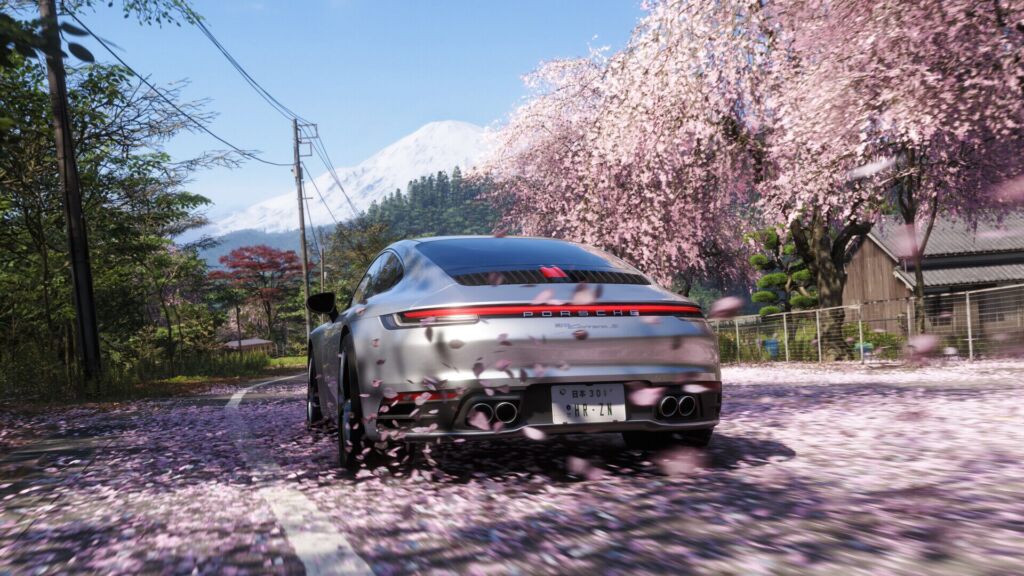
Hours disappear effortlessly while playing. You might log in intending to complete a single race before bed only to find yourself three hours later drifting through mountain passes with strangers online, delivering sushi across Tokyo during a thunderstorm, photographing your dream car beneath cherry blossom trees, and discovering hidden shrines deep in the countryside.
Very few games manage to create memories this naturally.
Forza Horizon 6 is not merely the best entry in the franchise. It is the ultimate realization of what the Horizon series has always wanted to become. Japan was worth every year of waiting, and Playground Games has delivered a racing game so ambitious, beautiful, welcoming, content rich, and emotionally immersive that it genuinely feels historic.
Every road feels handcrafted. Every season transforms the experience. Every race feels cinematic. Every corner of the map contains something worth discovering.
And somehow, after all these years, Horizon still found a way to evolve into something even greater than before.

Will is a long-time veteran of the game review world. He is a QA Tester of not only video games, with his name in many game credits, but has also worked QA for many of our favorite tech products for multiple companies. Will can almost always be found gaming while also chatting away on Discord.