Summary
Kingdom Come: Deliverance II offers a profound and authentic medieval experience, building upon the foundation of its predecessor. The game's dedication to historical accuracy and immersive storytelling is commendable. However, aspects such as uneven pacing, a steep learning curve in combat, and an overwhelming tutorial may impact player satisfaction. For those willing to invest the time and effort, the game provides a rewarding journey through a meticulously recreated slice of history.
Developer – Warhorse Studios
Publisher – Deep Silver
Platforms – PS5, Xbox Series S|X,PC (Reviewed)
Review copy given by Developer
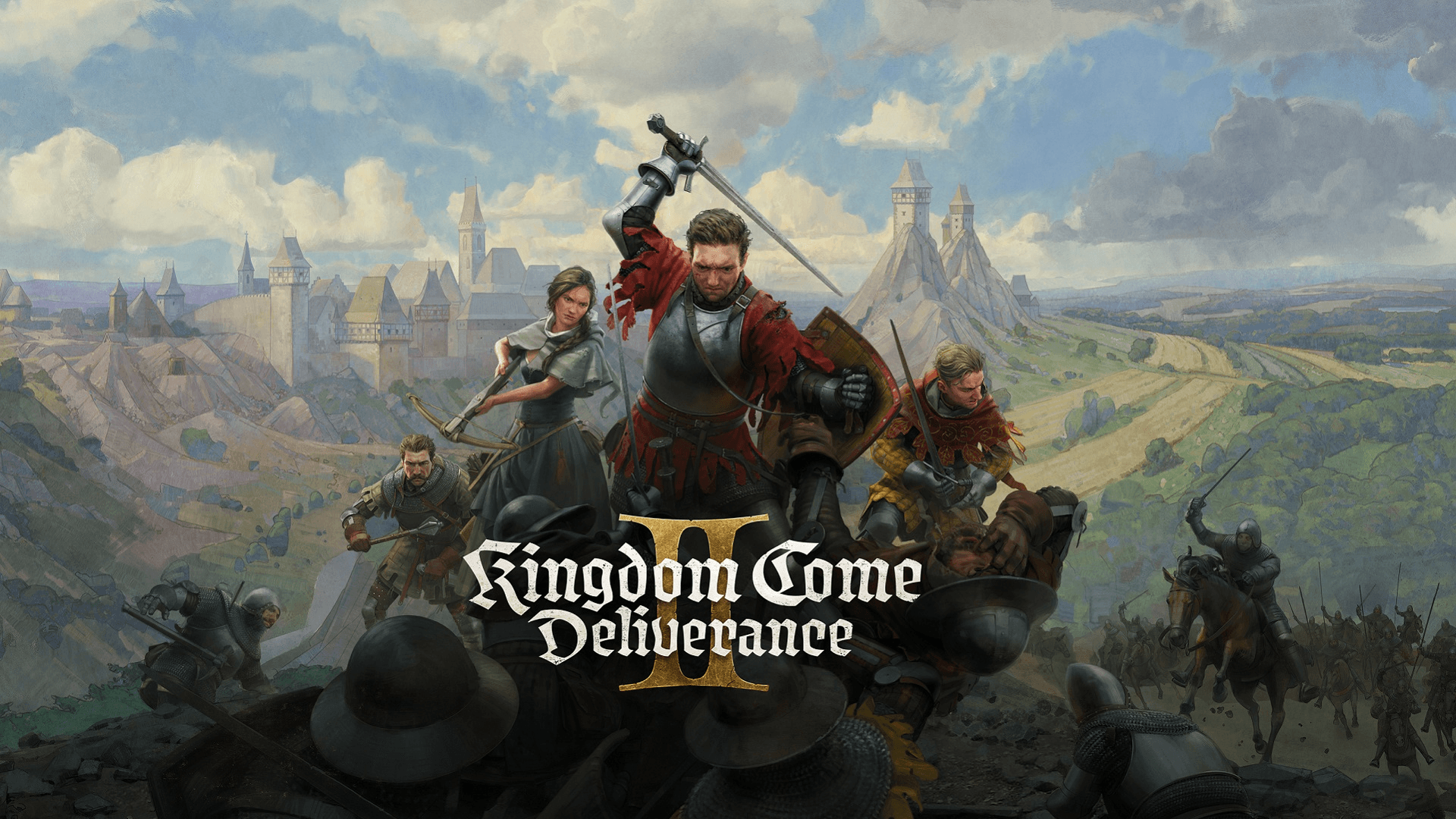
Kingdom Come: Deliverance II picks up immediately after the events of its predecessor, immersing players once again in the tumultuous landscape of 15th-century Bohemia. The protagonist, Henry of Skalitz, a blacksmith’s son turned squire, embarks on a mission alongside Sir Hans Capon to deliver a crucial message to Otto von Bergow. This journey takes a perilous turn when an ambush leaves them dispossessed and wounded, setting the stage for a narrative that intertwines personal vendettas with the broader political upheaval of the era.
The game’s storyline delves deep into the complexities of medieval politics and warfare. As Henry and Capon strive to regain their standing, they encounter a tapestry of characters, each contributing to the intricate web of alliances and betrayals. The narrative is rich, offering a multifaceted perspective on the challenges of loyalty, honor, and survival in a land rife with conflict. However, the pacing of the story can be uneven; certain segments feel protracted, which may test the patience of players eager for more dynamic progression.
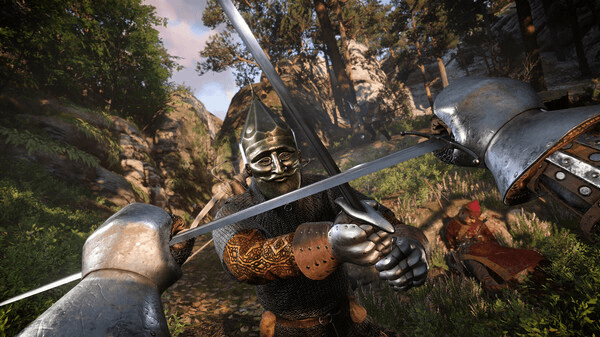
One of the game’s strengths lies in its commitment to historical authenticity. The depiction of Bohemia is meticulously crafted, from the bustling streets of Kutná Hora to the serene landscapes of the Bohemian Paradise. This attention to detail extends to the cultural and social nuances of the time, providing an immersive experience that transports players to a bygone era. Yet, this dedication to realism sometimes results in gameplay elements that may not appeal to everyone. For instance, the necessity to maintain Henry’s hygiene and attire to influence character interactions, while authentic, can become a tedious aspect for those more interested in the central plot.
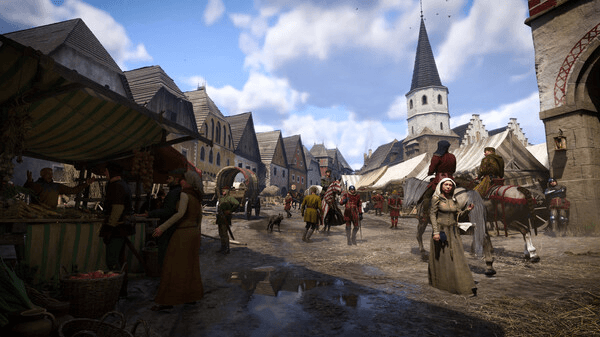
Combat mechanics have undergone refinements, aiming to balance realism with playability. The system demands precision and strategy, rewarding players who invest time in mastering its intricacies. Despite these improvements, combat remains challenging, and the steep learning curve may deter players accustomed to more forgiving systems. The realism, while commendable, can lead to moments of frustration, particularly during encounters that require split-second decisions.
The game’s extensive tutorial is a double-edged sword. Designed to acclimate players to the myriad mechanics and historical context, it offers a comprehensive introduction to the game’s world. However, its length and density, interspersed with text-heavy explanations, can be overwhelming. This demanding introduction may deter newcomers or those eager to delve directly into the adventure. A more streamlined approach could enhance early engagement, allowing players to familiarize themselves with the game’s systems at a more comfortable pace.
In terms of character development, Henry’s journey is both personal and expansive. His interactions with figures like Sir Hans Capon and Father Godwin add depth to the narrative, exploring themes of friendship, duty, and morality. The choices players make influence these relationships, leading to multiple possible endings. However, the paths to these conclusions are not always clear, and the lack of guidance can result in unintended outcomes, which may be frustrating for players aiming for a specific resolution.
While the game excels in creating an immersive and historically rich environment, certain gameplay elements may benefit from refinement. The inventory system, for instance, can be cumbersome, with dense menus that hinder swift navigation. Additionally, the reliance on repetitive tasks to build skills, while realistic, can feel like a grind, potentially detracting from the overall enjoyment.
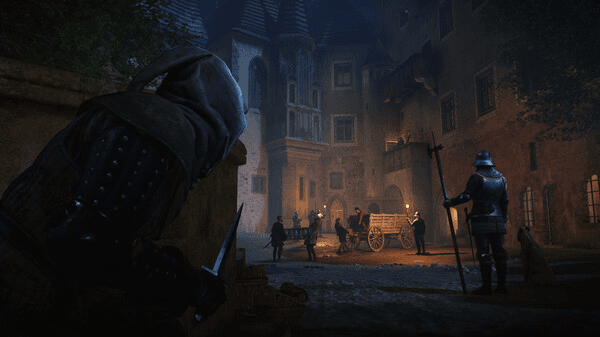
Kingdom Come: Deliverance II offers a profound and authentic medieval experience, building upon the foundation of its predecessor. The game’s dedication to historical accuracy and immersive storytelling is commendable. However, aspects such as uneven pacing, a steep learning curve in combat, and an overwhelming tutorial may impact player satisfaction. For those willing to invest the time and effort, the game provides a rewarding journey through a meticulously recreated slice of history.