
Summary
Not every part of the experience is perfect. Some pacing issues remain, particularly in the early sections of the first game. Exploration can occasionally feel repetitive, and the limitations of the combat grid may not appeal to everyone. But these are minor drawbacks in an otherwise strong package.
In the end, this collection succeeds because it understands what made Star Force unique. It embraces its character-driven story, its layered world design, and its focused combat system while enhancing them for a modern audience. For longtime fans, it is a long-overdue celebration. For newcomers, it is an opportunity to experience a series that finally feels complete.
Developer: Capcom
Publisher: Capcom
Platforms – Nintendo Switch , Playstation 4/5 , Xbox One , Xbox Series S|X,PC (Reviewed)
Review copy given by Developer
At the center of it all is Geo Stelar, a protagonist who stands apart from the typical energetic hero archetype. When the story begins, Geo is withdrawn, shaped by the disappearance of his father. His encounter with Omega-Xis, an alien from the FM planet, sets off a transformation that is both literal and emotional. Together they form Mega Man, a being that exists between the physical world and the Wave World. This dual existence drives the entire narrative, grounding its sci-fi concepts in something personal and human.
The world itself is one of the collection’s strongest elements. Everyday environments like schools, suburban streets, and labs are layered with the hidden infrastructure of the Wave World. This digital plane is not just a backdrop for combat. It is a fully integrated part of exploration and storytelling. Moving between these layers creates a sense of discovery that keeps even familiar locations interesting across multiple versions of the same game.
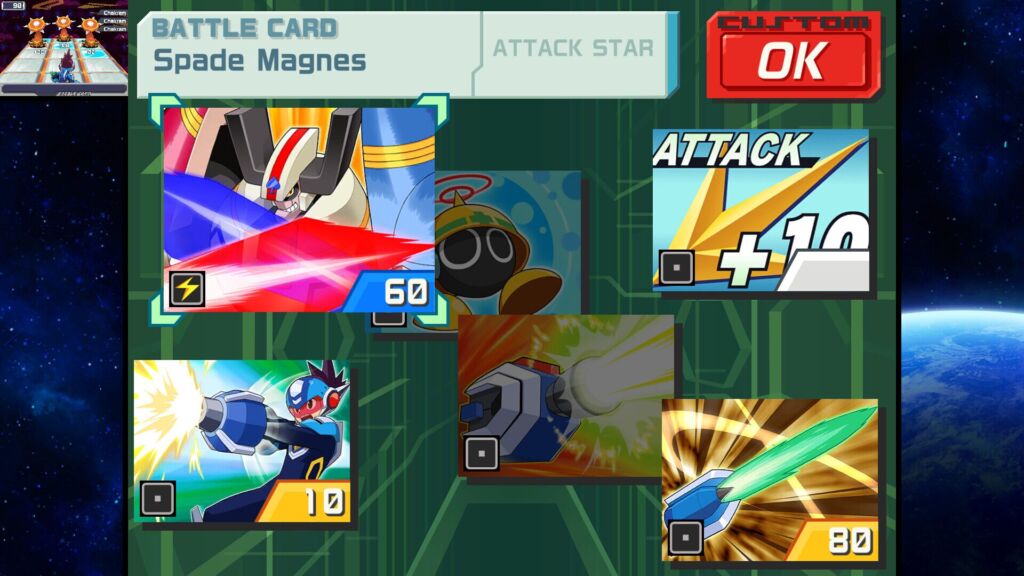
Combat is where Star Force sharply distinguishes itself. Battles take place on a 3×5 grid from a behind-the-back perspective. Movement is limited compared to Battle Network, but that limitation creates focus. Positioning, timing, and deck construction become critical. Cards replace chips, and building an effective deck becomes a long-term strategy rather than a quick fix. The system starts simple, but across all seven versions it evolves into something surprisingly deep and rewarding.
Mega Man Star Force Pegasus, Leo, and Dragon all tell the same core story, but each version introduces subtle differences that impact how the game feels. Pegasus leans into electric and wind-based abilities, offering a more fluid and reactive combat style. It emphasizes control and spacing, making it a great introduction to the system. The tone here is reflective, giving players time to absorb Geo’s emotional journey and the layered structure of the world around him.
Leo shifts the experience toward aggression. Its fire-based abilities encourage close-range combat and decisive actions. Battles feel faster and more direct, and that intensity carries into the overall pacing. While the environments and story beats remain consistent, the way players engage with them changes. Exploration becomes less about caution and more about pushing forward with momentum.
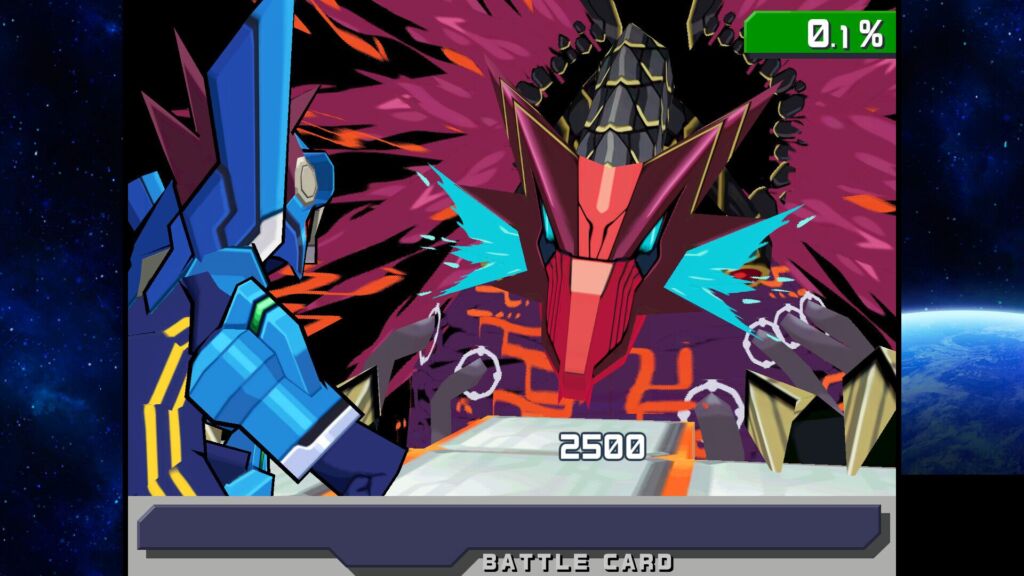
Dragon rounds out the trio with a balanced approach. It blends ranged and close combat options, allowing for greater flexibility in how encounters are handled. This version feels like a refinement of the other two, giving players the freedom to experiment with different strategies. It may not be as stylistically distinct as Pegasus or Leo, but its versatility makes it one of the most approachable versions in the collection.
Mega Man Star Force 2 Zerker x Ninja and Zerker x Saurian expand the formula in more noticeable ways. The story takes on a slightly darker tone, reflecting Geo’s growth and the increasing scale of the threats he faces. The world feels larger, with more dynamic transitions between areas and a stronger sense of progression. The Wave World becomes more complex, adding layers to both exploration and combat.
Zerker x Ninja focuses on speed and precision. Its abilities reward quick reactions and careful timing, making battles feel more intense and skill-driven. It is a version that demands attention, pushing players to refine their strategies and adapt on the fly. The environments feel more alive here, as the increased pace of combat changes how players move through them.
Zerker x Saurian offers a contrasting experience. It emphasizes power and durability, slowing down the pace of combat in favor of heavier, more deliberate actions. This creates a different rhythm that can be just as satisfying, especially for players who prefer control over speed. The shared story benefits from this shift, as it adds weight to encounters that might otherwise feel routine.
Mega Man Star Force 3 Black Ace and Red Joker represent the series at its peak. By this point, the mechanics are fully realized, and the narrative carries a stronger sense of purpose. Geo is no longer just reacting to events. He is actively shaping them, and that confidence is reflected in both the story and gameplay.
Black Ace is built for speed and fluidity. Its combat style encourages chaining attacks together, creating a fast and aggressive flow that feels incredibly satisfying once mastered. The environments are more interconnected, making exploration feel natural rather than segmented. The Wave World is no longer just an extension of reality. It stands on its own as a fully realized space.
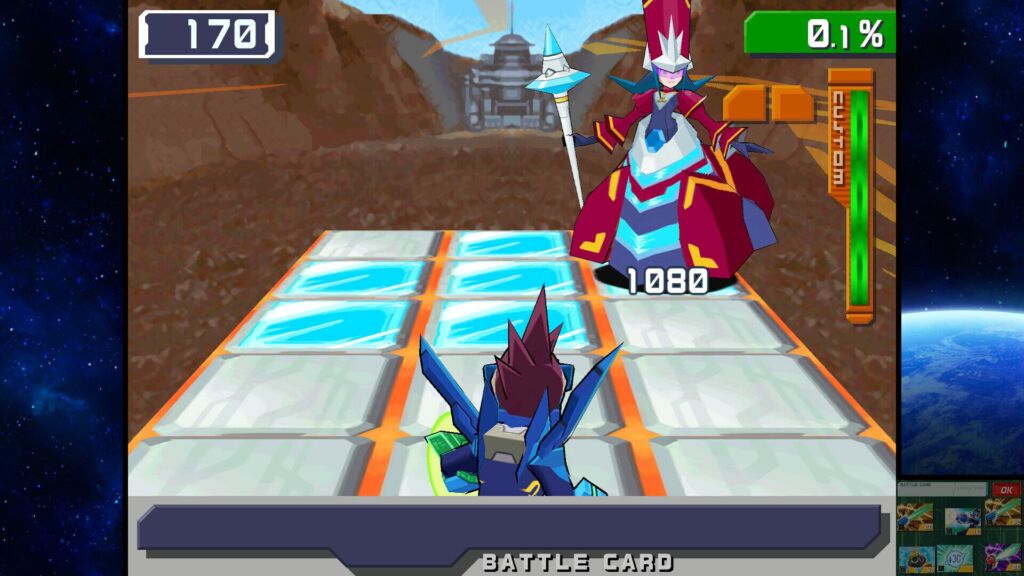
Red Joker, on the other hand, embraces risk and raw power. Its abilities hit hard but require careful management, adding tension to every battle. It is a high-risk playstyle that rewards precision and planning. While it shares the same story and environments as Black Ace, the feel of combat is dramatically different, giving players a compelling reason to experience both versions.
Beyond the individual games, the Legacy Collection introduces a suite of modern enhancements that significantly improve the overall experience. Visual options allow players to switch between enhanced graphics and the original look, preserving nostalgia while offering clarity. Difficulty settings and assist options make the games more accessible without removing their challenge, letting players tailor the experience to their preferences.
One of the most transformative additions is online matchmaking. What was once a limited multiplayer feature has been expanded into a fully realized system. Players can engage in casual or ranked matches, testing their decks against opponents from around the world. The combat system holds up remarkably well in this setting, with its emphasis on timing and positioning creating matches that feel competitive and skill-based.
The Brother Band system also sees a major upgrade. Players can now connect with up to 100 others, forming a network that enhances abilities and encourages collaboration. Selecting a core group of Brothers still carries strategic importance, but the expanded system creates a stronger sense of community. It turns a once niche feature into a central part of the experience, especially when combined with online play.
Boosted fun through bonus cards is another standout improvement. In the original releases, many rare cards were locked behind events or hardware features that were inaccessible to most players. The Legacy Collection integrates a wide selection of these cards directly into the game. This dramatically expands deck-building possibilities, allowing players to experiment with strategies that were previously out of reach.
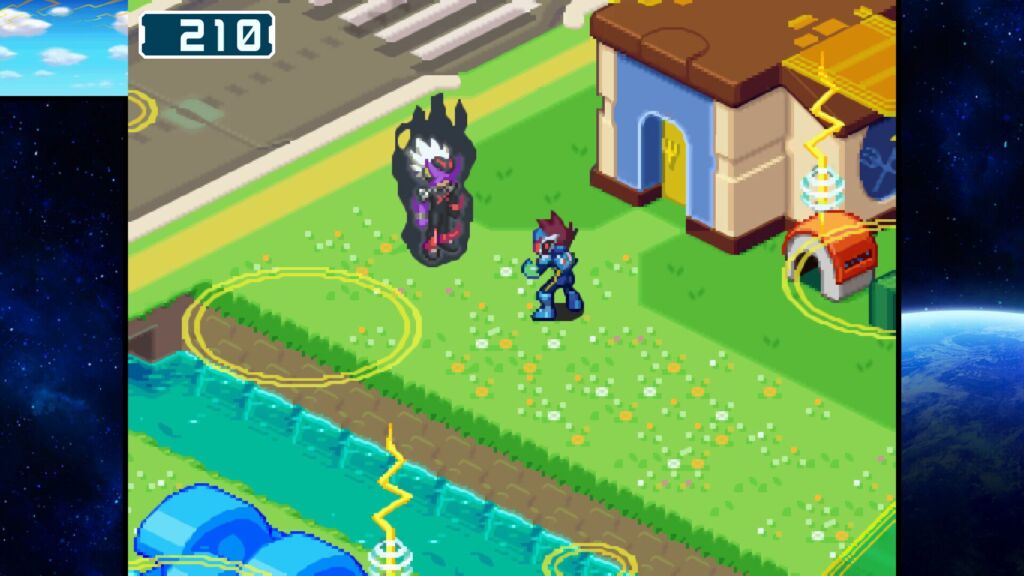
The expanded card library does not break the game’s balance, but it does open the door to creativity. Players can craft highly specialized decks, combining rare cards with those earned through normal play. This becomes especially important in online matches, where adaptability and innovation can make the difference between victory and defeat.
Additional features like the gallery and music player add further value. With over a thousand pieces of artwork and a comprehensive soundtrack selection, the collection doubles as a celebration of the series’ history. Connectivity features that once relied on the Nintendo DS hardware have also been recreated, ensuring that content tied to those systems is fully accessible.
Taken as a whole, Mega Man Star Force Legacy Collection is more than a nostalgic revisit. It is a comprehensive restoration that enhances nearly every aspect of the original games. Each version offers its own perspective, from the elemental differences of Pegasus, Leo, and Dragon to the stylistic contrasts of Zerker x Ninja, Zerker x Saurian, Black Ace, and Red Joker.
Not every part of the experience is perfect. Some pacing issues remain, particularly in the early sections of the first game. Exploration can occasionally feel repetitive, and the limitations of the combat grid may not appeal to everyone. But these are minor drawbacks in an otherwise strong package.
In the end, this collection succeeds because it understands what made Star Force unique. It embraces its character-driven story, its layered world design, and its focused combat system while enhancing them for a modern audience. For longtime fans, it is a long-overdue celebration. For newcomers, it is an opportunity to experience a series that finally feels complete.

Will is a long-time veteran of the game review world. He is a QA Tester of not only video games, with his name in many game credits, but has also worked QA for many of our favorite tech products for multiple companies. Will can almost always be found gaming while also chatting away on Discord.
- 01NewsThe Latest PlayStation Network Outage Proves It Cannot Sustain This Digital-Only Shift
- 02NewsGod Of War Laufey Confirmed For February 2027 Launch Date
- 03NewsLegendary Ending For Halo: Campaign Evolved Teases Remake For The Sequel
- 04NewsUbisoft’s Yves Guillemot Says PlayStation Digital Move Will “Help Grow” The PC Market
- 05NewsReport Reveals Teams Exiting In XBOX Reset Not Obligated To Ship Work On Game Pass