Summary
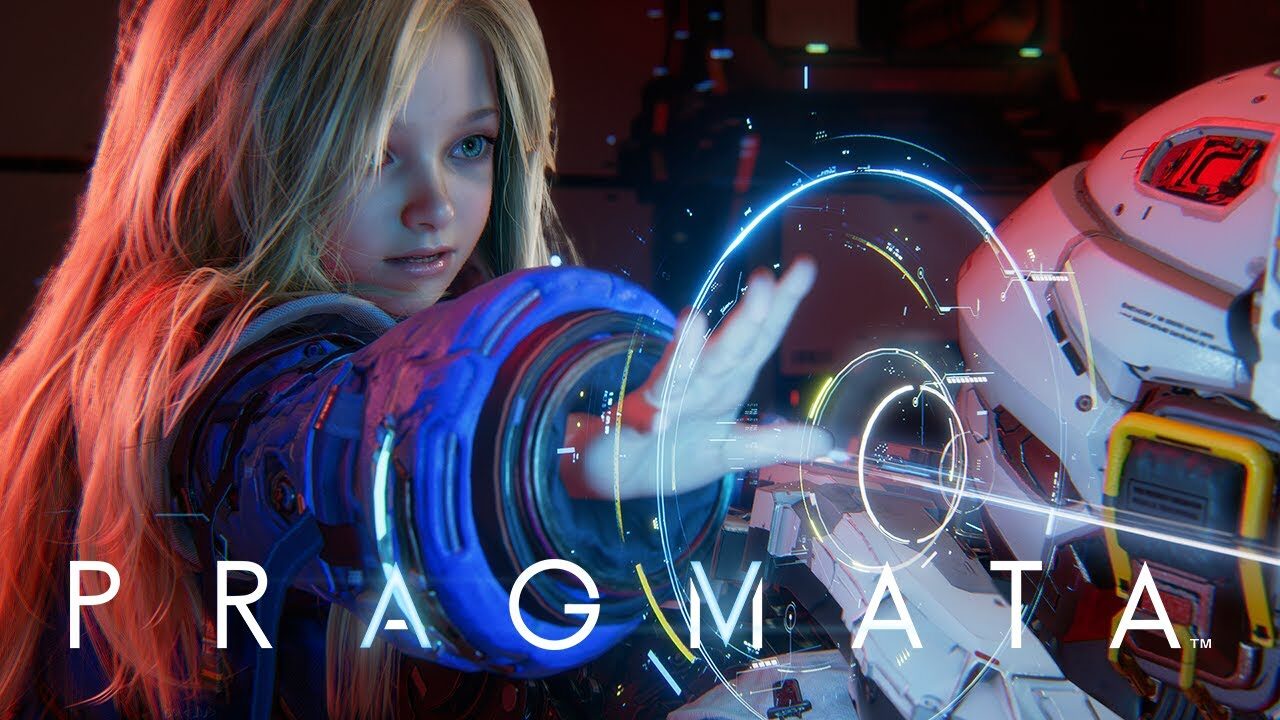
Pragmata is smart, emotionally engaging, visually stunning, mechanically inventive, and refreshingly different from nearly everything else in the modern action adventure space. It blends intense combat, real time puzzle solving, emotional storytelling, and unforgettable world building into something uniquely its own.
After years of uncertainty, Capcom has finally delivered one of the most memorable sci fi adventures of the generation.
Developer: Capcom
Publisher: Capcom
Platforms – PS5, Xbox Series X|S, Nintendo Switch 2 ,PC (Reviewed)
Review copy given by Developer
Few games have worn the label of “development hell” quite as publicly as Pragmata. Revealed back in 2020 with cryptic trailers, delays, shifting release windows, and long stretches of silence, many players assumed Capcom’s ambitious lunar sci fi adventure would quietly disappear into the void. Instead, after years of extensive reworking and experimentation, especially around its puzzle and combat systems, Pragmata finally arrived in 2026 not as a compromised relic of troubled development, but as one of Capcom’s boldest and most memorable new IPs in years.
What makes Pragmata so impressive is that you can actually feel where all that extra development time went. This is not a game that plays it safe. It constantly experiments with ideas, mechanics, pacing, and storytelling in ways that would have completely collapsed if even one system failed to come together properly. Yet against the odds, Pragmata succeeds because every part of its design feels intentional and polished to an incredible degree.
Set aboard the lunar mining and research station known as The Cradle, Pragmata delivers one of the most atmospheric sci fi settings Capcom has ever created. Humanity’s reliance on “lim replicators,” devices capable of 3D printing virtually anything using a resource called lunafilament, has transformed the Moon into the center of global manufacturing. The concept itself feels believable enough to ground the story while still allowing the developers to create a deeply unsettling futuristic world full of sterile laboratories, industrial facilities, abandoned habitation sectors, and malfunctioning robotic systems.
The atmosphere aboard The Cradle is exceptional from the very beginning. The game wastes little time dropping players into disaster. Systems engineer Hugh Williams arrives expecting a routine investigation into lost communications only to discover an abandoned station moments before a catastrophic moonquake tears everything apart. The pacing of these opening moments immediately establishes tension and mystery while showcasing the game’s incredible environmental detail.
Then Diana enters the picture.
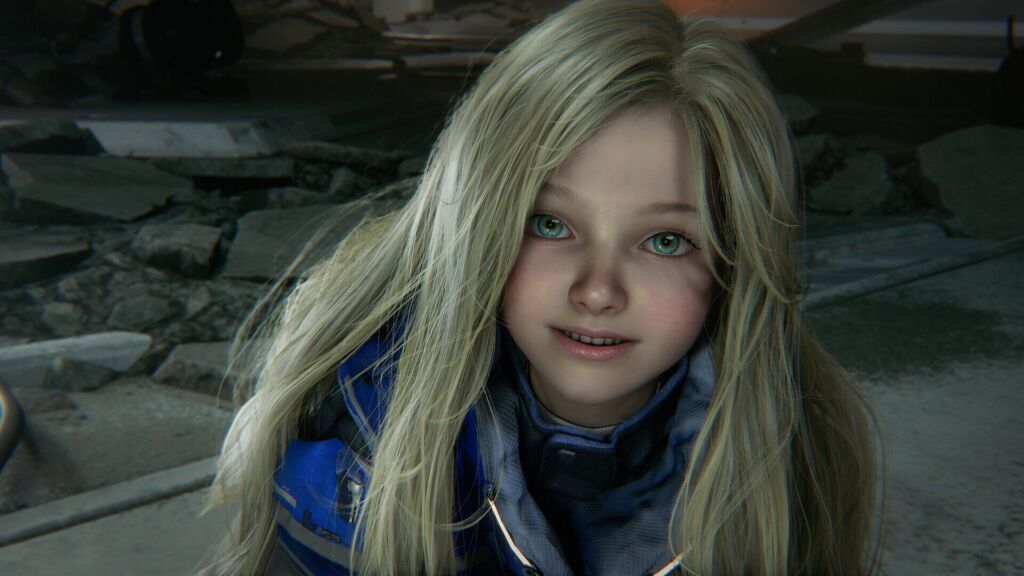
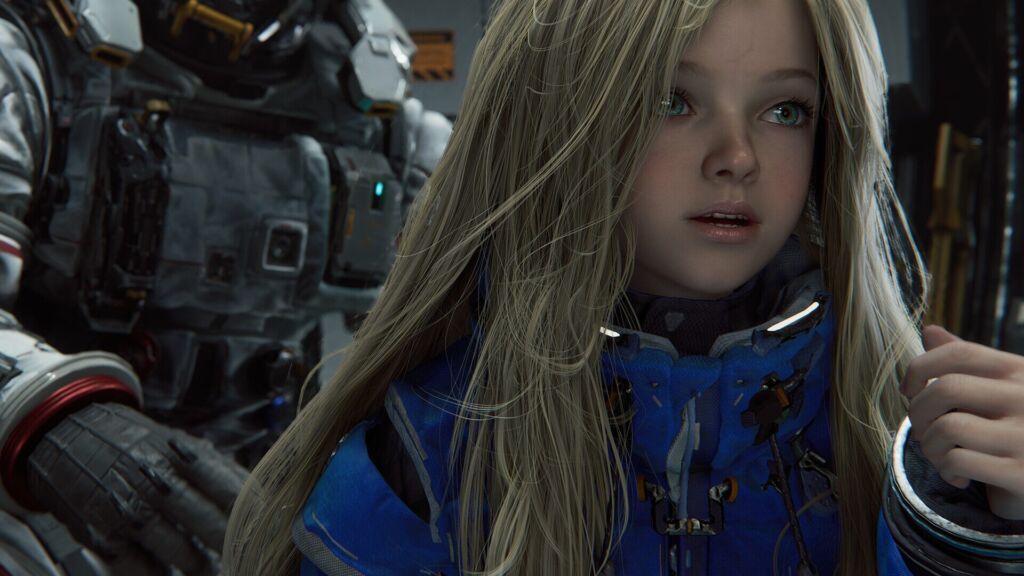
Diana could have easily become one of those irritating child companion characters that drag down otherwise serious games, but Capcom absolutely nails her execution. She is easily one of the best companions in modern action adventure games. Much of that success comes from the studio’s decision to avoid making her feel either fully robotic or overly human. Instead, Diana exists in an unsettling middle ground. Her facial expressions, voice delivery, movements, and tiny mannerisms constantly flirt with the uncanny valley without becoming distracting.
Capcom’s development struggles with Diana’s design ultimately paid off tremendously. Originally the team wanted her to appear far more obviously android like, but they discovered that creating expressive non human characters introduced major limitations, particularly when balancing emotional storytelling with worldwide audience sensitivities. The final version of Diana feels unique precisely because her robotic traits are subtle. Small pauses in speech, unnatural posture shifts, and slightly delayed emotional reactions make her presence fascinating throughout the game.
The fact that Capcom built Diana entirely from scratch rather than relying on motion scanning technology gives her animations a handcrafted quality that feels incredibly personal. Her interactions with Hugh slowly evolve from awkward cooperation into something genuinely emotional. Watching Hugh gradually begin treating Diana like an actual child instead of a machine becomes the emotional backbone of the entire story.
And thankfully, the story itself is far stronger than many expected.
What begins as a fairly straightforward rogue AI narrative evolves into a surprisingly emotional and morally layered sci fi tragedy involving grief, failed medical experimentation, corporate ambition, environmental catastrophe, and artificial life. The revelations surrounding Dr. Neil Higgins, the Pragmata program, and the toxic “dead filament” contamination add emotional depth that elevates the narrative far beyond standard sci fi shooter territory.
The game’s second half especially becomes increasingly emotional as Hugh’s relationship with Diana strengthens while the truth about Eight and IDUS slowly unravels. The eventual reveal that IDUS was not the true villain but rather desperately attempting to contain Eight completely reframes much of the narrative in a satisfying way. Pragmata consistently rewards players who pay attention to environmental storytelling, optional logs, and character interactions.
The emotional climax lands surprisingly hard. Hugh’s decision to stay behind on the Moon as dead filament slowly kills him could have felt melodramatic, but the game earns that moment through the hours spent building his bond with Diana. The final scenes aboard the cargo shuttle and Diana finally reaching Earth deliver an emotional payoff that genuinely lingers after the credits roll.
Even the hidden ending unlocked through the “Unknown Signal” challenges adds just enough ambiguity and hope without undermining the sacrifice that came before it.
Of course, none of this would matter if the gameplay failed to deliver, but Pragmata’s combat and puzzle systems are arguably its greatest accomplishment.
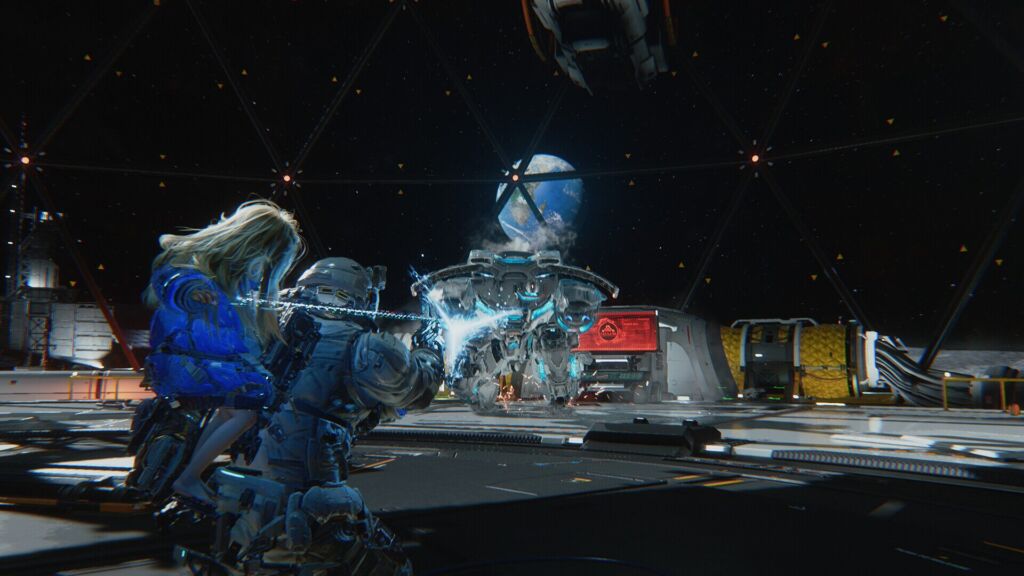
The central mechanic of controlling Hugh and Diana simultaneously sounds overwhelming on paper. In practice, it becomes one of the most engaging gameplay loops Capcom has produced in years. Since enemy robots are heavily armored, Hugh cannot simply blast through encounters conventionally. Diana must first hack enemy systems in real time by solving grid based puzzles that expose weak points.
This mechanic could have easily slowed the pacing to a crawl, but Capcom’s years of trial and error refining the hacking system absolutely paid off. The puzzles are brilliant because they force constant multitasking under pressure. While guiding Diana’s hacking cursor across obstacle filled grids, players must simultaneously dodge enemy attacks, reposition Hugh using his jetpack, and manage incoming threats.
The result is combat that feels constantly active and mentally engaging. Few modern action games demand this level of simultaneous tactical thinking and reflex based execution. It creates an identity entirely separate from standard third person shooters.
What makes the system even better is how naturally it evolves. Early encounters are manageable introductions, but later enemy combinations become wonderfully chaotic. Some hacking routes offer optional bonus nodes that increase weapon damage or provide combat advantages, creating risk versus reward decisions during firefights. Choosing whether to go for those bonuses while surrounded by aggressive enemies adds tremendous tension.
Hugh himself also feels fantastic to control. His arsenal of energy and electricity based weapons all have strong impact and visual feedback, while his hip mounted jetpack introduces excellent mobility into combat encounters and exploration. Traversal across collapsing lunar infrastructure feels fluid and satisfying throughout the game.
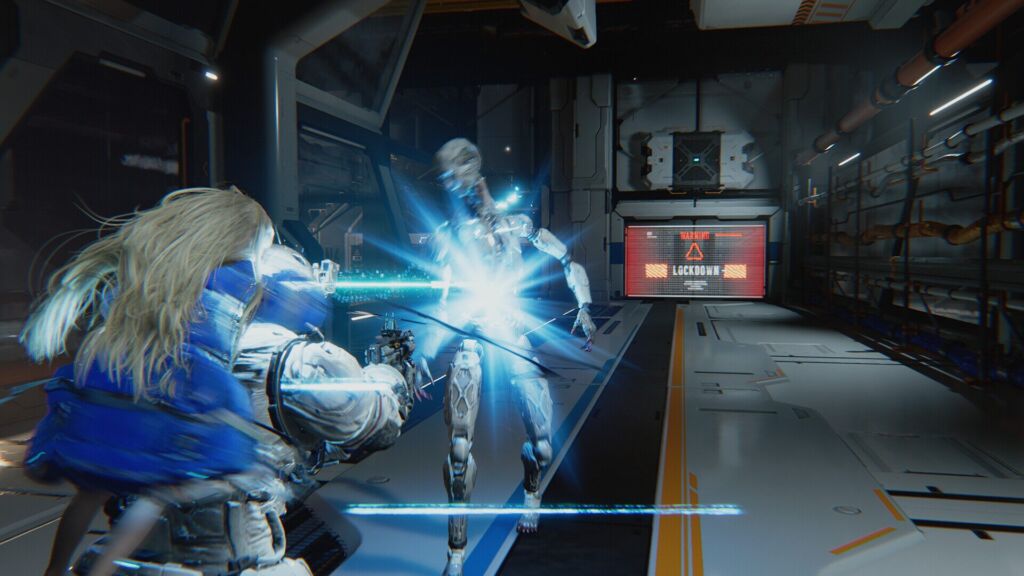
Visually, Pragmata is stunning.
Capcom absolutely excels at environmental art direction here. The Cradle constantly shifts between beautiful and horrifying. One moment players are staring out across the cold emptiness of the Moon with Earth glowing in the distance, and the next they are navigating contaminated facilities overtaken by dead filament growths and malfunctioning machines.
Lighting plays a massive role in the game’s presentation. Emergency alarms, flickering industrial corridors, holographic displays, and reflective lunar surfaces create an oppressive but beautiful atmosphere. The sense of scale throughout the station also helps sell the idea that this was once a massive functioning lunar colony before everything collapsed into chaos.
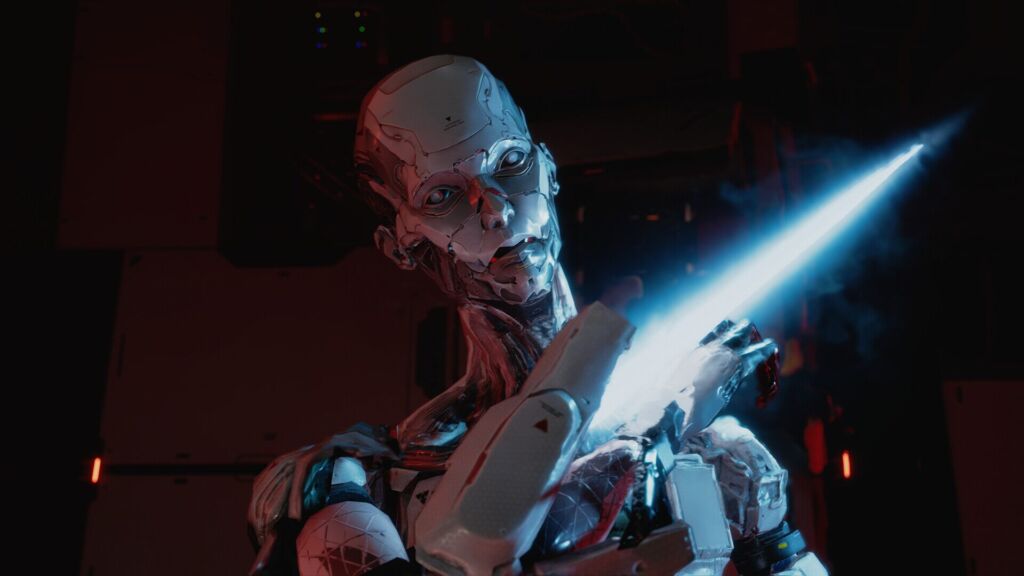
The dead filament designs deserve special praise as well. The toxic black organic material spreading throughout the station becomes increasingly grotesque over time, culminating in the game’s horrifying final amalgamation creature. Some of the later visual designs border on survival horror territory in the best possible way.
Audio design is equally impressive. The soundtrack knows when to stay restrained and atmospheric and when to explode into dramatic orchestral intensity during major encounters. Mechanical noises, distant alarms, decompression sounds, and radio interference constantly reinforce the feeling that The Cradle is literally dying around you.
Performance wise, Capcom has delivered another polished release. On current hardware the game runs smoothly with impressive visual fidelity, detailed particle effects, and extremely fast loading. Considering the complexity of the environments and combat systems, the technical stability is particularly impressive.
What stands out most about Pragmata is how confidently original it feels. In an industry overflowing with formulaic action adventures, Capcom took a major risk building a game around simultaneous puzzle solving and third person combat while centering the experience around a deeply emotional relationship between a hardened engineer and an uncanny android child.
That risk paid off.
The long development cycle may have worried fans, but Pragmata is proof that delays are sometimes necessary to fully realize ambitious ideas. Director Cho Yonghee and the team clearly spent years refining systems that simply would not have worked without careful iteration. The puzzle hacking mechanics in particular feel like something that likely went through countless revisions before reaching this final polished state.
And honestly, it was worth the wait.
Pragmata is smart, emotionally engaging, visually stunning, mechanically inventive, and refreshingly different from nearly everything else in the modern action adventure space. It blends intense combat, real time puzzle solving, emotional storytelling, and unforgettable world building into something uniquely its own.
After years of uncertainty, Capcom has finally delivered one of the most memorable sci fi adventures of the generation.

Will is a long-time veteran of the game review world. He is a QA Tester of not only video games, with his name in many game credits, but has also worked QA for many of our favorite tech products for multiple companies. Will can almost always be found gaming while also chatting away on Discord.