
Summary
Saros is one of PlayStation’s finest action games and a strong candidate for 2026 Game of the Year conversations come December.
Developer – Housemarque
Publisher – Sony Interactive Entertainment
Platforms – PS5 (Reviewed)
Review copy given by publisher
There’s a particular kind of charm that only Housemarque games have. It’s a thumb cramp and a certain kind of adrenaline that I can’t quite put into words. Returnal had it. Resogun had it. And now Saros, the Finnish studio’s most ambitious release to date, has it tenfold. Saros features one of the most satisfying combat loops on the PlayStation 5, and is definitely a top tier game of the year contender.
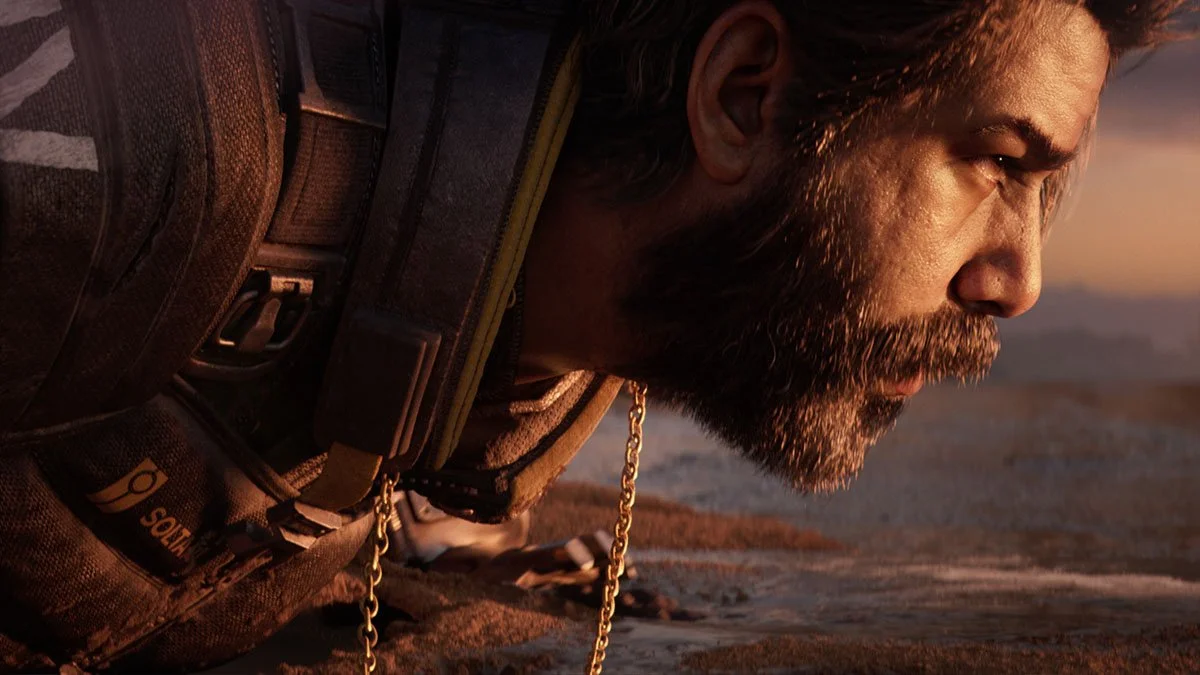
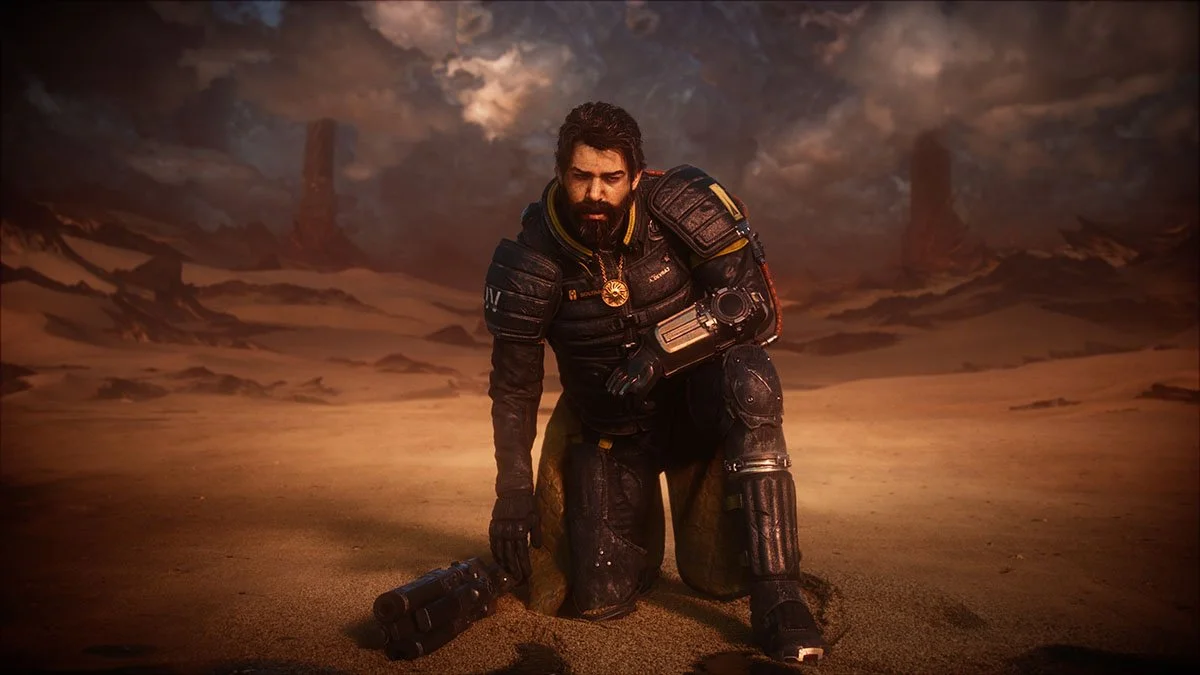
Saros drops you onto Carcosa, an alien planet bathed in a pale orange sun. The name itself is actually a callback to Robert W. Chambers’ 1895 short story collection The King in Yellow, and Housemarque leans into that with cursed architecture and a sense of cosmic dread. You play as Arjun Devraj, a Soltari Enforcer sent in as part of Echelon IV to figure out what happened to the three previous expeditions. It’s amazing seeing more diversity in a game’s main cast. The supporting crew mostly function in the sidelines rather than as fully developed characters, which is fine for a game of this nature. Their voice memos and audio logs do sprinkle in some nice lore along the way.
What carries the story instead is Rahul Kohli’s lead performance. He plays a man who keeps dying and waking up, slowly losing his grip on what’s real, and Kohli nails it perfectly. Jane Perry, the actor behind Selene from Returnal, also turns up in a notable supporting role, which is a nice nod to fans of the previous game.
If you’ve played Returnal, the core loop will feel immediately familiar, but Housemarque has refined nearly every edge. The new addition is the Soltari Shield, a defensive tool tied to color-coded enemy fire. Blue projectiles get soaked up by the shield and converted into energy for Arjun’s heavy super weapon. Yellow ones inflict Corruption that eats away at your max health, so they have to be dodged outright. Red Nova projectiles can’t be blocked or dashed through at all, but a well-timed parry sends them straight back at the sender. Once your brain starts processing those cues automatically, the combat enters a state of ebb and flow.
The Prophet at the end of Shattered Rise is where the systems clicked for me. I’d been treating the shield like a panic button for the first hour, and got smoked twice before realizing I was supposed to be eating the blue shots, not running from them. On the third attempt, I stood in the rain of bullets, charged the Power Weapon to full, and dumped it into his second phase. That was the moment for me!
The pacing is extremely fast. Enemies go down quickly enough that you’re not feeling like you’re chipping away at a damage sponge, and the encounters are designed almost like little puzzles. You’re constantly making split second calls on when to shield, parry, and perform a melee attack. The DualSense integration here is some of the best on the system. The L2 trigger has a real two stage feel, with a half pull triggering your weapon’s alt-fire and a full pull unleashing the Power Weapon. The haptic feedback translates plenty of texture across different weapons, and the built in speaker chimes in with audio cues for that extra immersion.
My one real complaint is that the screen can get so cluttered during certain combat sequences that you sometimes lose track of what to focus on. You learn to keep your eyes locked on the main enemy and let your peripheral vision do the work, but newcomers to the genre will find the first few hours overwhelming. The Carcosan modifier dial helps ease things if you need it, letting you stack Protections like a flat damage reduction or extra ammo, balanced against Trials like faster Corruption build-up or no Halcyon spawning during a run. It’s a well implemented accessibility solution that Returnal lacked.
Progression is where Saros diverges from Returnal, and where I think it picks up its biggest crowd. The Armor Matrix is the headline change. Whenever Arjun dies, he wakes back up in The Passage, a hub area where you can chat with an AI overseer called Primary and bank your earned currency into permanent upgrades. Yes, permanent! Health pools, shield strength, second chance revives, sturdier starting weapons, and more.
Returnal makes you start every attempt from scratch, but Saros lets you come back each time just a bit stronger. Failure feels productive rather than punishing, which opens this game up to a significantly wider audience. You can also fast travel to any biome you’ve previously cleared, so when you die to a tough boss, you don’t have to grind through hours of earlier content to get back. However, the system isn’t perfect because some upgrades feel more incremental than meaningful.
After you push past the credits, which will probably take you a dozen hours give or take, Saros opens up a meatier endgame than I’d have guessed. I won’t spoil the specifics, but the Carcosan modifier system gives you the option to keep that content challenging on your own terms. By the time you’ve fully invested in the Armor Matrix, certain endgame fights start to feel a bit trivial unless you crank those modifiers up.
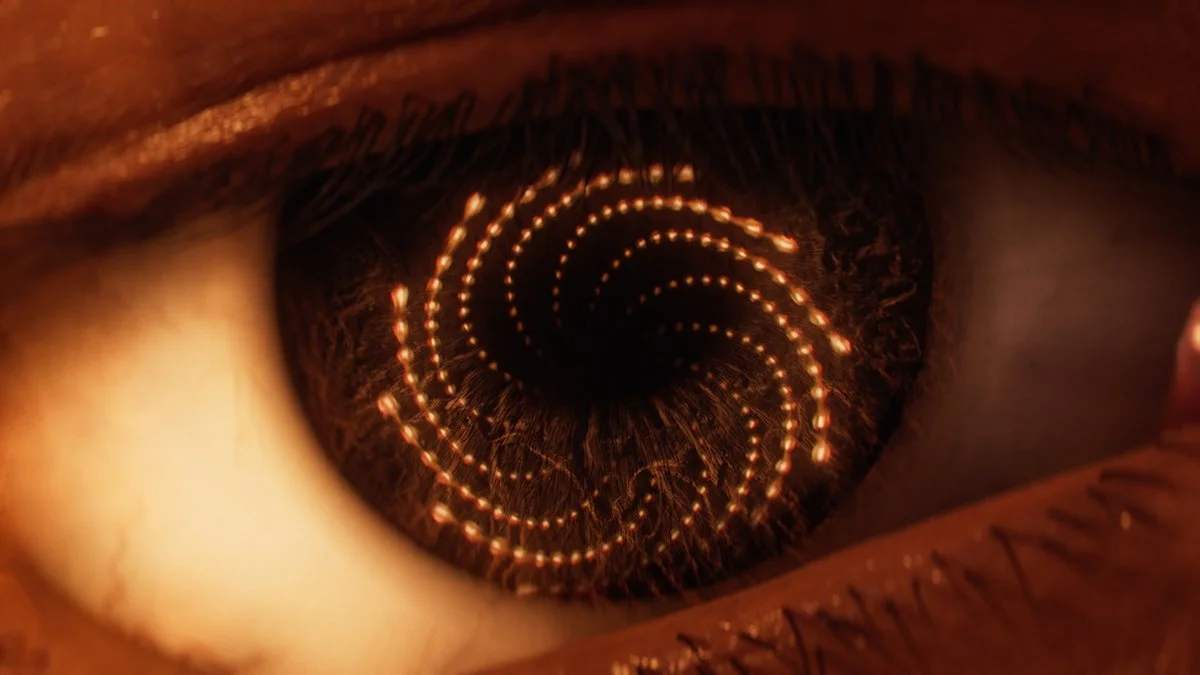
On a base PS5, the frame rate stays solid at a steady 60 frames per second. The very occasional micro hitch shows up when a particularly ridiculous wave of effects fills the screen, but nothing more than that. Load times are quick, and respawning back at The Passage after a death is fast. I expected nothing less and Housemarque delivered. PS5 Pro owners get an even smoother experience thanks to PSSR 2, but on a vanilla console the game still looks and feels rock solid.
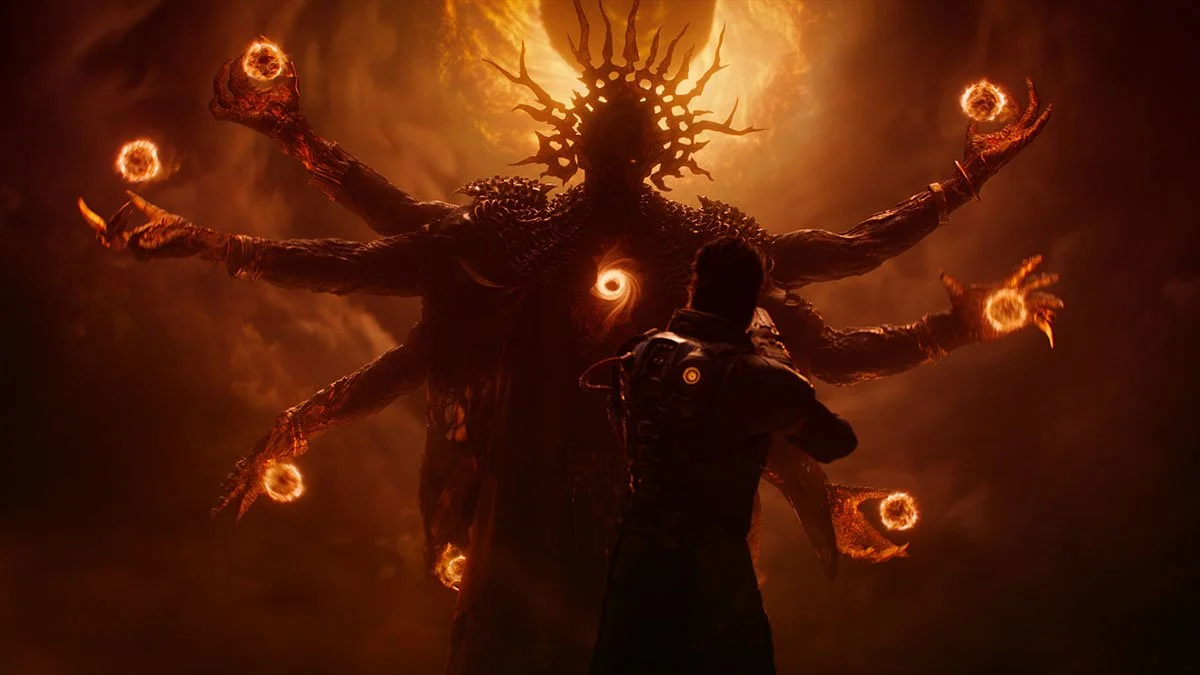
Saros is deserving of being a Sony first party game, as it is one of the most striking games on the PS5. Carcosa twists from gorgeous to grotesque without warning, and the art direction by Simone Silvestri leans hard into a kind of Giger plus Lovecraft type of vibe. The bosses are particular standouts, with their multiple limbs and unnatural geometry, the sort of designs that make you stop fighting for half a second just to take them in (which usually gets me killed).
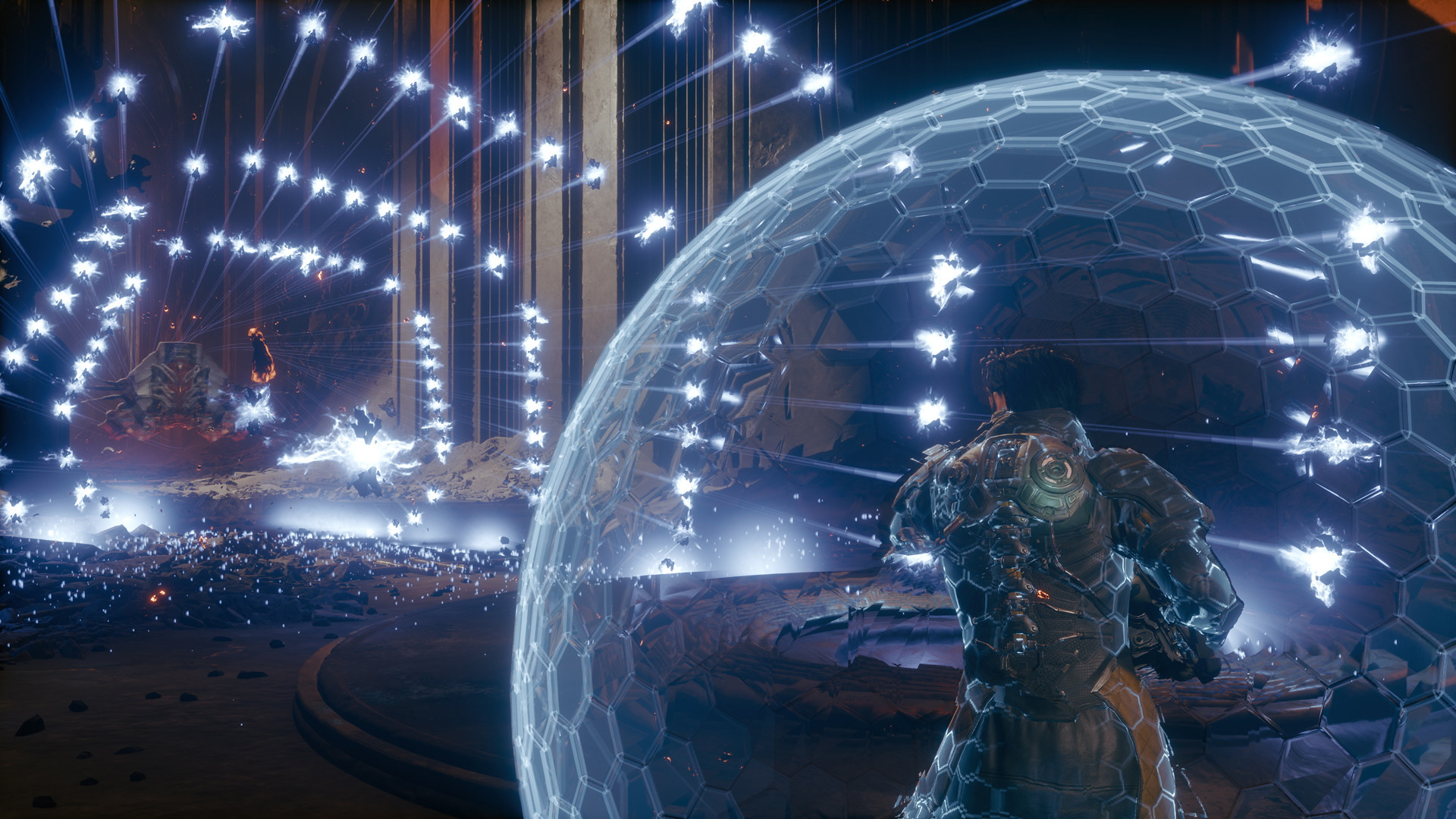
As the sun gets blotted out, the world shifts into a darker, more corrupted domain, and the warped enemies and loot it surfaces add a new visual layer to the chaos. Unfortunately, character faces during conversations sometimes lack the polish that the rest of the game has, with stiff lip syncing and slightly uncanny skin.
The soundtrack comes from composer Sam Slater, who already has a couple of Grammys to his name, and the work he’s turned in here is essential to the experience. The 3D audio implementation is phenomenal with headphones on because you can pinpoint enemies coming at you from behind without needing to see them.
Final Verdict
I went into Saros expecting it to be Returnal Plus, and it kind of is, but it’s also so much more comfortable in its own skin. Housemarque has taken the bones of what worked, sanded down the parts that pushed people away, and added enough new ideas for it to stand on its own. The combat is the best in its class, the visuals stand among the PS5’s finest, the audio carries real weight, and the lead performance from Rahul Kohli is just the cherry on top.
Saros is one of PlayStation’s finest action games and a strong candidate for 2026 Game of the Year conversations come December.