Summary
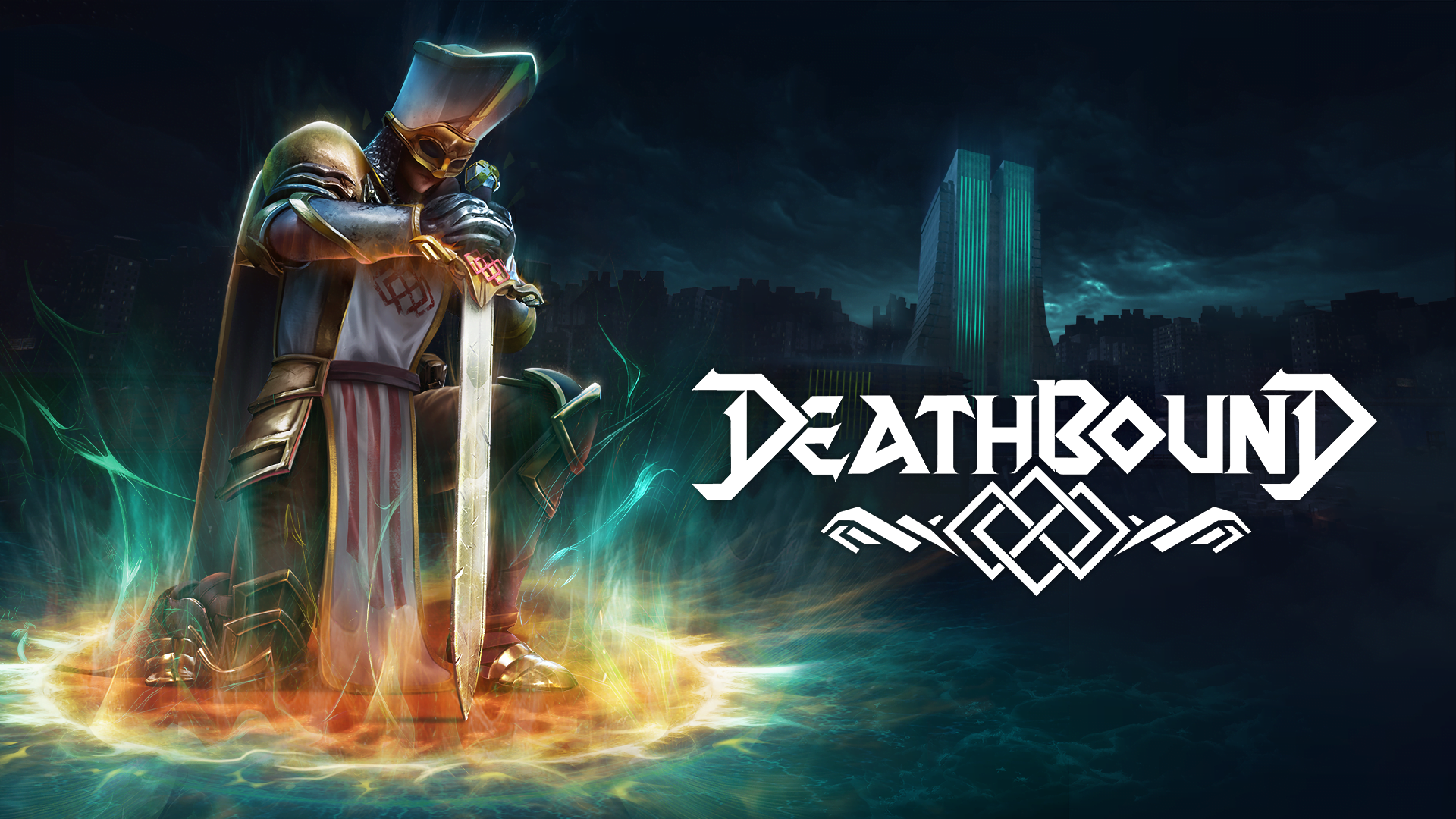
Deathbound is such a mixed bag! It offers a daring and imaginative concept, but it falls short in providing a smooth and consistent experience. If you're a fan of Souls-likes and like to try out new systems and mechanics, you might want to give this one a shot. Personally I can't give it my full recommendation because of the frustrating combat which makes up the core of the gameplay here. If you can get past Deathbound's flaws, there is a great story to unravel, but the game doesn't live up to its potential and makes you wonder what could have been if developers had worked harder on making combat more enjoyable. Great concepts, poorly executed!
Developer – Trialforge Studio
Publisher – Tate Multimedia
Platforms – PS5, Xbox Series S|X, PC (Reviewed)
Review copy given by Publisher
The innovative premise of Deathbound sets it apart from the crowd of Souls-like games: a party-based combat system that lets you switch between multiple characters on the fly. Taking elements from previous Soulsborne games and adding them to a multi-character system, this creative twist provides a new spin on the genre. Though admirable in concept, Deathbound’s execution is severely lacking. Let’s find out why!
A Promising Concept
The mechanics that revolve around your party are the meat and potatoes of Deathbound. A party of four characters, each with their own set of skills and playstyle, are under your command. The “sync” system allows you to switch between them in the middle of battle, which is a smart addition that promotes resource management and strategic thinking. Theoretically, this system unlocks a world of tactical possibilities, letting players adjust to the game’s difficult challenges by the second. Want to tackle an area with stealth and backstabs, no problem. Prefer to go in sword swinging, you can do that too.
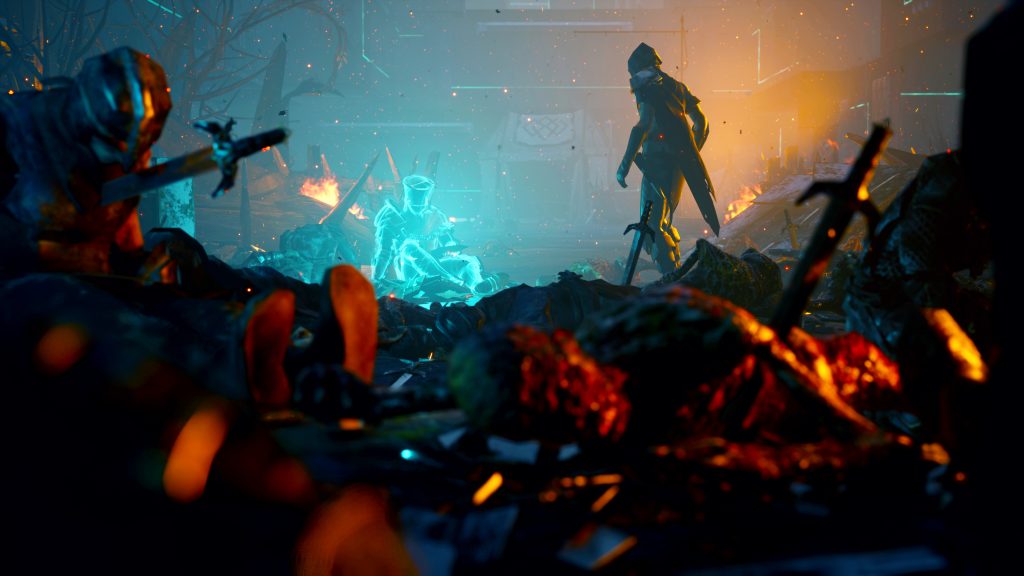
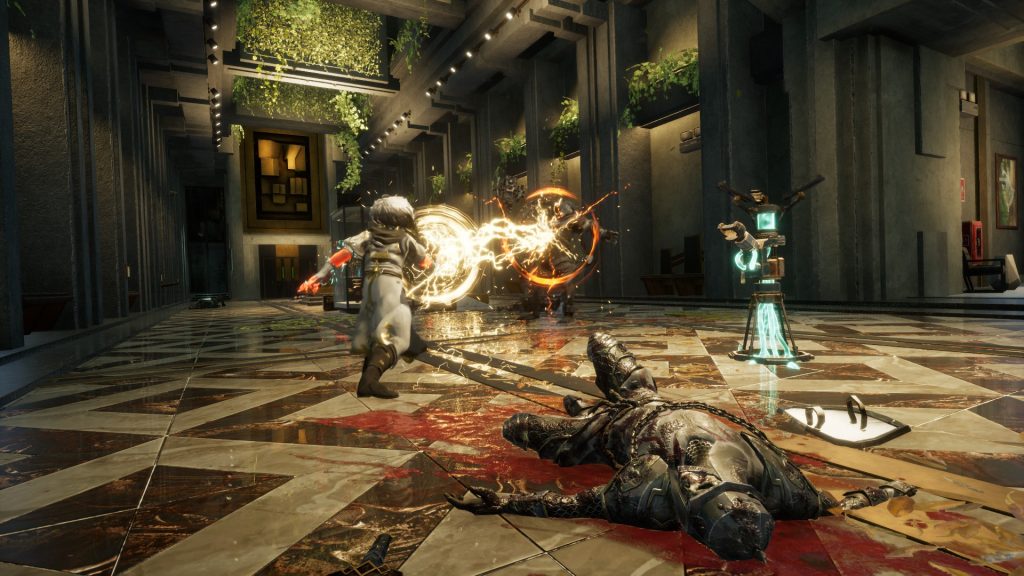
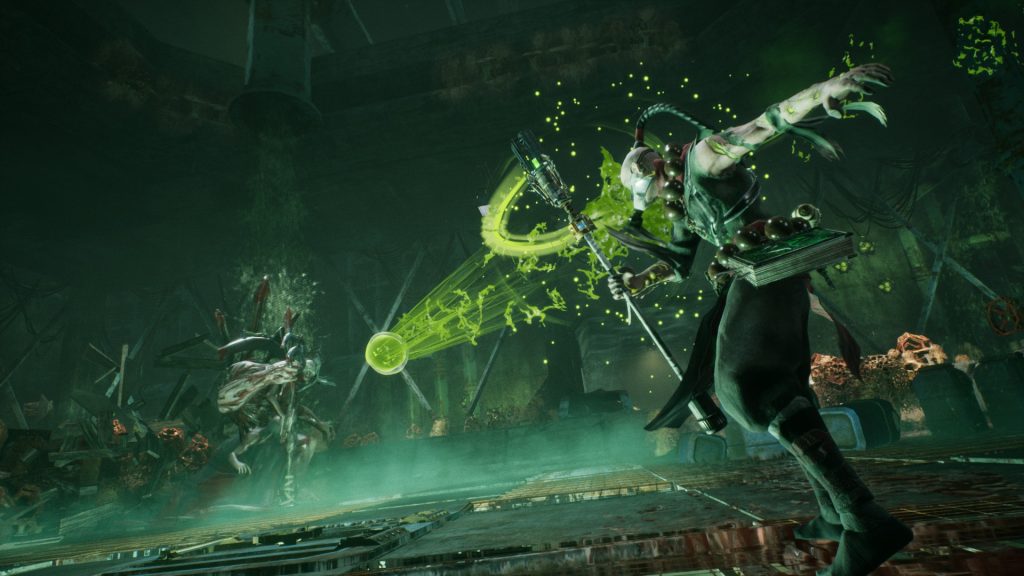
Also noteworthy is the game’s post-apocalyptic setting, which pits tech-infused wizards against medieval knights in a devastated city. Seeing broken-down cars and science labs mixed in with knights and medieval creatures is quite jarring but creative. An interesting cast of characters from many walks of life adds depth to the story by sharing their experiences and insights. The story is one of the game’s strongest points, thanks to the incorporation of various factions such as the Cult of Life and the Church of Death, which enhances the world-building. An age-old argument between Science and Religion is explored in new and interesting ways in Deathbound.
Execution Falls Short
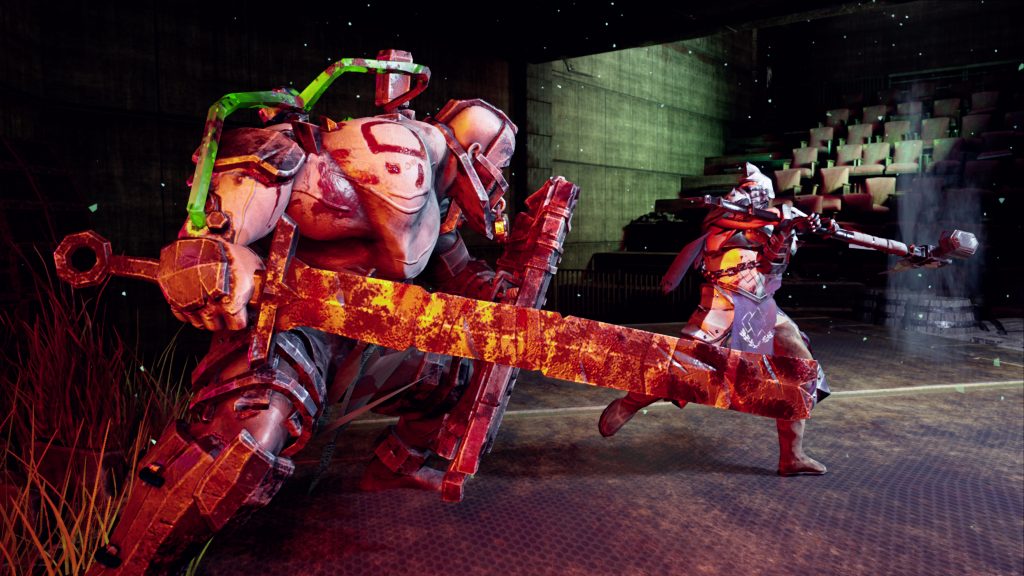
Deathbound has great potential, but its clumsy implementation kills it. Though intriguing in theory, the game’s combat is frequently unresponsive and stiff. The best Souls-like games have devastating attacks, but this one doesn’t, and the pacing is all wrong, so fighting doesn’t feel fun or rewarding. Getting a parry-off feels more like luck of the draw than skill and timing here! Also, frustrating instances occur frequently when attacks phase through enemies or become stuck on environmental obstacles, which is made worse by inconsistent hit detection and awkward controls.
While the shared stamina and health system is novel, it frequently comes across as more inconvenient than inventive. Players are penalized for playing riskily or defensively due to the system’s integration of stamina and health. The game wants you to build up your meter and swap between characters to perform devastating combos but only in theory. In reality, you’ll find that the game’s combat feels like it’s actively working against you. Forcing you to play as one character and steal health from the others just to stay alive. Combat feels unfair as a result, leading players to engage in low-risk, low-reward tactics that go against the game’s message of being strategic and creative.
A Story Worth Hearing
Despite some issues with the gameplay, Deathbound’s story is worth checking out. The protagonist, Therone, is a devout member of the Church of Death who must find his way through a desolate dystopian society obsessed with mortality and the afterlife. One of the most interesting parts of the story is how the protagonist clashes against six different personas—Essences—each with their own unique history and point of view. These people are more than just caricatures; they bring depth to the story by standing in for various groups and ideologies within Ziêminal’s devastated world.
The souls of fallen heroes, who stand in for various factions, are bestowed upon you as you advance through the game. Through thoughtfully designed introduction sequences and in-game interactions, the players gradually learn about the backgrounds, goals, and inner struggles of these characters. This sometimes kills the pacing of the game, grinding everything to a slow crawl but ultimately, their character stories and backgrounds are worth the effort. Players gain a more nuanced view of the world, its broken state, and the eternal conflict between the Church of Death and the Cult of Life as the game skillfully interweaves these narratives. Every character represents a facet of this existential struggle between life and death, which is a recurrent theme.
Among the game’s stronger narrative aspects is the dynamic between the characters. Their conflicts bring an extra layer of drama and tension to the story because they don’t always get along. Even though the story sometimes falls into the trap of treating these characters like stereotypes, there are also opportunities for real connection and understanding, especially when their histories are explored thoroughly.
Deathbound goes beyond being a mere battle-based narrative by focusing on the relationships and interactions between characters. A world that is both lived-in and rich with history becomes the setting for this adventure.
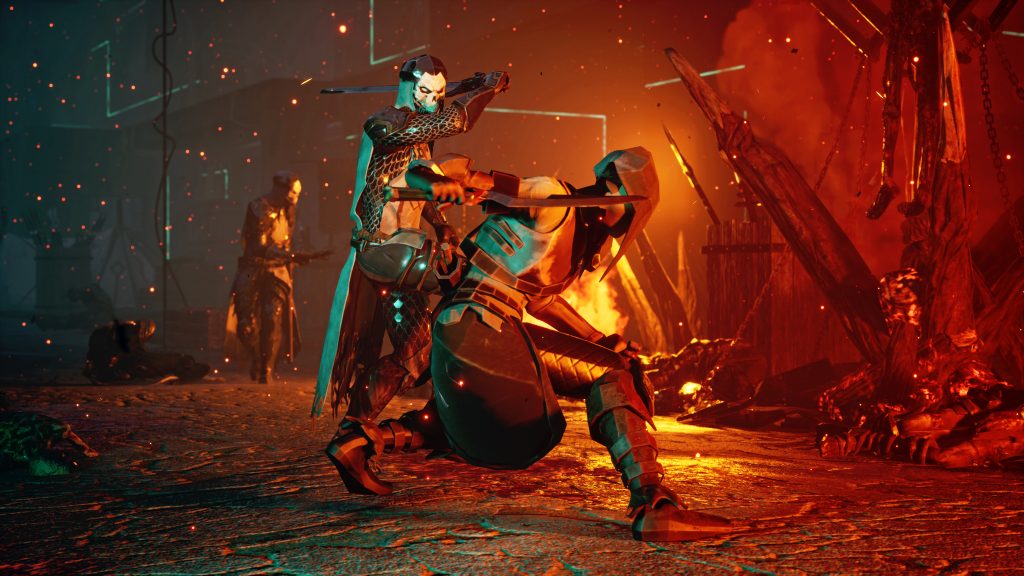
But not everything in the story is treated with the same seriousness. Although the characters are intriguing, the overall experience is diminished when they appear overly dramatic or lacking in depth. Adding insult to injury, the vocal performances fall short of fully fleshing out these characters on occasion. Despite its promise, the dialogue frequently uses forced conflict or overly dramatic exposition, which detracts from the game’s more nuanced narrative efforts.
Nonetheless, Deathbound’s story is its strongest selling point. Offering an engaging and thought-provoking narrative, it gives a compelling reason to persevere through the game’s more frustrating gameplay moments. There is always something interesting to find, regardless of how bad the gameplay is, thanks to the characters’ interactions and the unique world they live in. When compared to other games in this genre, Deathbound stands out for its immersive world and compelling story. It’s not on the same level as Elden Ring but it’s clear the writers put in a lot of effort to tell a compelling story.
Overall
Deathbound is such a mixed bag! It offers a daring and imaginative concept, but it falls short of providing a smooth and consistent experience. If you’re a fan of Souls-likes and like to try out new systems and mechanics, you might want to give this one a shot. Personally, I can’t give it my full recommendation because of the frustrating combat which makes up the core of the gameplay here. If you can get past Deathbound’s flaws, there is a great story to unravel, but the game doesn’t live up to its potential and makes you wonder what could have been if developers had worked harder on making combat more enjoyable. Great concepts, poorly executed!