Summary
WizardChess feels like an overambitious experiment that didn’t fully come together, and is over-priced for it's current state. Its fast-paced gameplay, procedural generation, and deckbuilding mechanics are intriguing ideas that struggle to harmonize. What could have been a fresh take on tactical RPGs instead feels like an unbalanced, chaotic mess. If you’re looking for a quirky, high-stakes challenge and don’t mind the flaws, WizardChess might be worth a shot. But for most, it’s a frustrating experience that doesn’t live up to its lofty promises.
Developer – TwoPM Studios
Publisher – 2 Left Thumbs
Platforms – PC (Reviewed)
Review copy given by Publisher
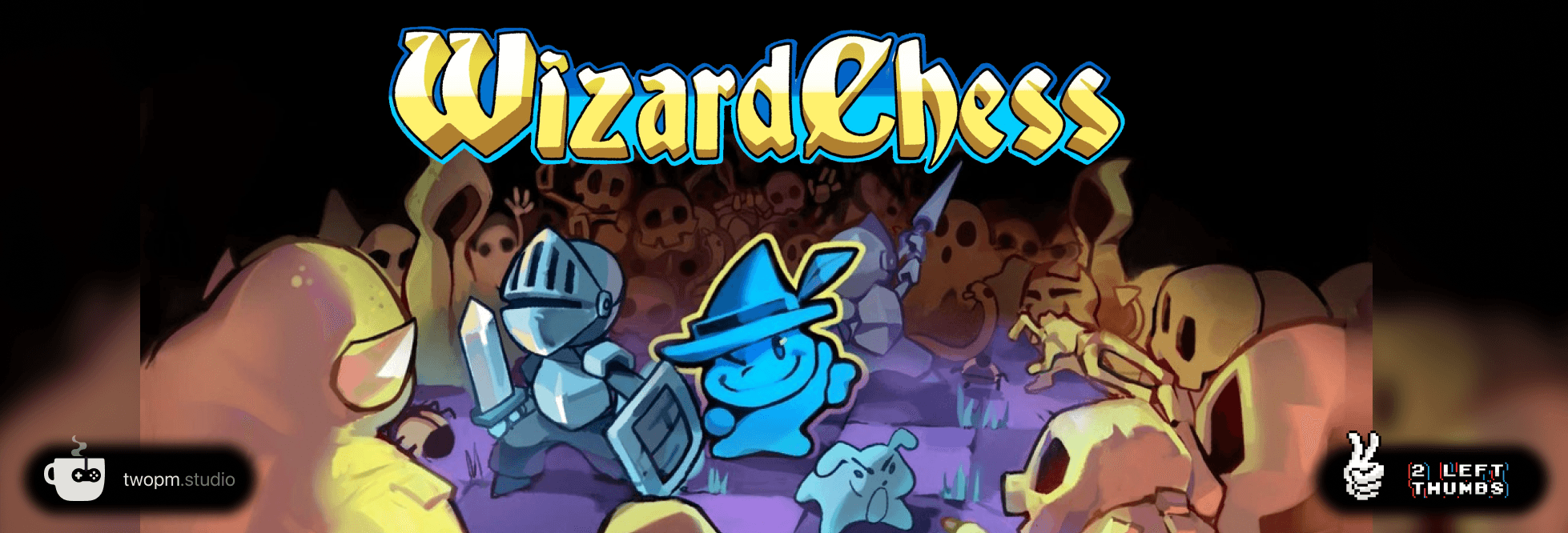
WizardChess is not quite chess, not entirely a tactical RPG, and definitely not a roguelike masterpiece. It’s a peculiar concoction that takes the essence of turn-based strategy, shuffles it with deckbuilding mechanics, and sprinkles in fantasy chaos. While its ambition to deliver a high-speed tactical experience in a procedurally generated world is admirable, the execution leaves much to be desired.
The game kicks off with a tutorial that tries to teach you the basics but stumbles over its own feet. Presented through snarky dialogue, it vaguely explains the movement mechanics but glosses over crucial aspects like combat and the meaning of the three core stats — Health, Defense, and Skill — that are visible under each unit. You’re left to decipher these mechanics on your own, which can be frustrating when your decisions (or missteps) have harsh consequences.
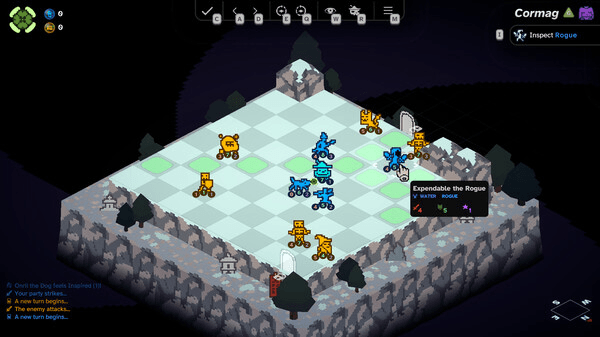
The controls are equally baffling. With both the confirm and cancel actions mapped to left-click, it’s incredibly easy to misstep — a cardinal sin in a game where one wrong move can spell disaster. This jankiness detracts from the overall experience and makes an already chaotic system feel even less intuitive.
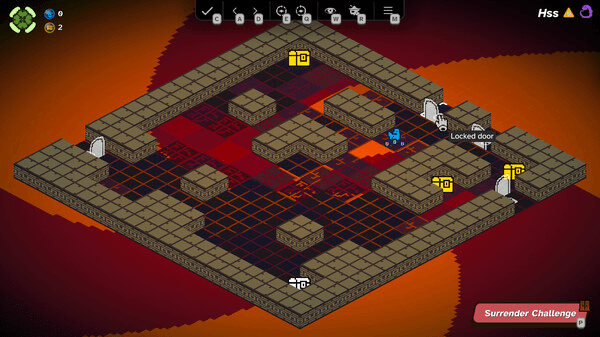
Mechanically, WizardChess isn’t really “chess” at all. While it borrows chess’s idea of specialized units and harsh consequences, the comparison stops there. Instead, it’s a tactical RPG-roguelike with over 50 unique unit classes and a hodgepodge of mechanics stapled together. You’ll recruit, upgrade, and sometimes sacrifice units, all while gambling with procedurally generated outcomes. The result is a system with far too many moving parts — none of which feel fully fleshed out or balanced.
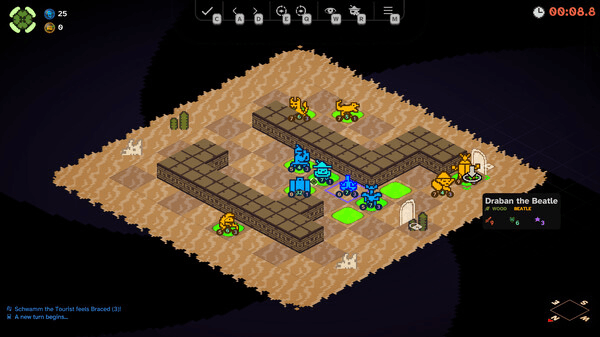
The game’s deckbuilding mechanics, where you gamble on creating the most powerful unit builds, sound intriguing on paper but often feel like a chaotic grab bag of ideas that lack cohesion. Procedural generation ensures that no two runs are alike, but it also means you’re at the mercy of RNG in a game that already demands quick decisions and punishes mistakes. This haphazard design leads to frustration more often than it does fun.
To its credit, the music is enjoyable — at first. The whimsical tunes complement the game’s fantastical vibe but quickly grow repetitive, especially during extended play sessions. For a game designed to challenge and immerse players, the lack of variety in the soundtrack feels like another corner cut.
Ultimately, WizardChess feels like an overambitious experiment that didn’t fully come together, and is over-priced for it’s current state. Its fast-paced gameplay, procedural generation, and deckbuilding mechanics are intriguing ideas that struggle to harmonize. What could have been a fresh take on tactical RPGs instead feels like an unbalanced, chaotic mess. If you’re looking for a quirky, high-stakes challenge and don’t mind the flaws, WizardChess might be worth a shot. But for most, it’s a frustrating experience that doesn’t live up to its lofty promises.