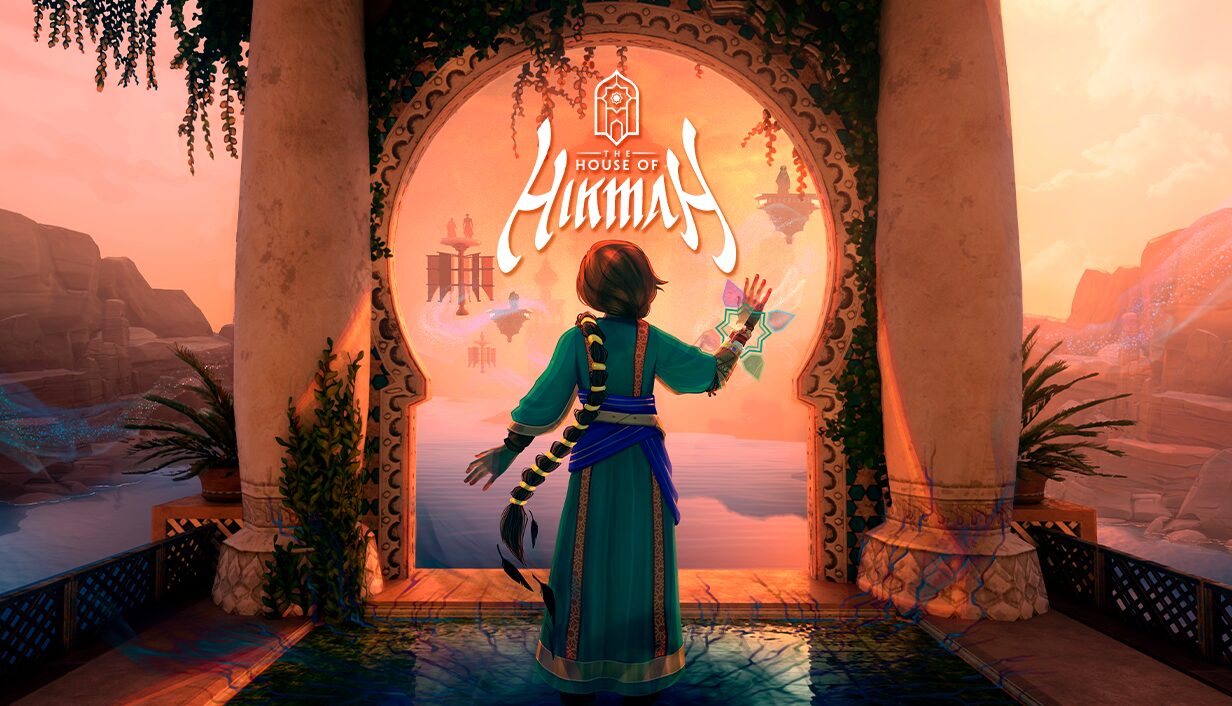
Few games attempt to balance education, grief, and puzzle solving in the same breath, but The House of Hikmah deserves credit for trying. Developed as a narrative driven adventure inspired by the Islamic Golden Age, the game places players in the role of Maya, a 14 year old girl grieving the loss of her father while exploring the mysterious House of Wisdom. Across nine surreal worlds shaped around historical scholars, scientific discoveries, and emotional healing, it aims to deliver both a heartfelt coming of age story and a thoughtful puzzle experience. The result is admirable in concept, visually memorable in places, but ultimately held back by repetitive mechanics and uneven pacing that stop it from reaching the emotional heights it clearly strives for.
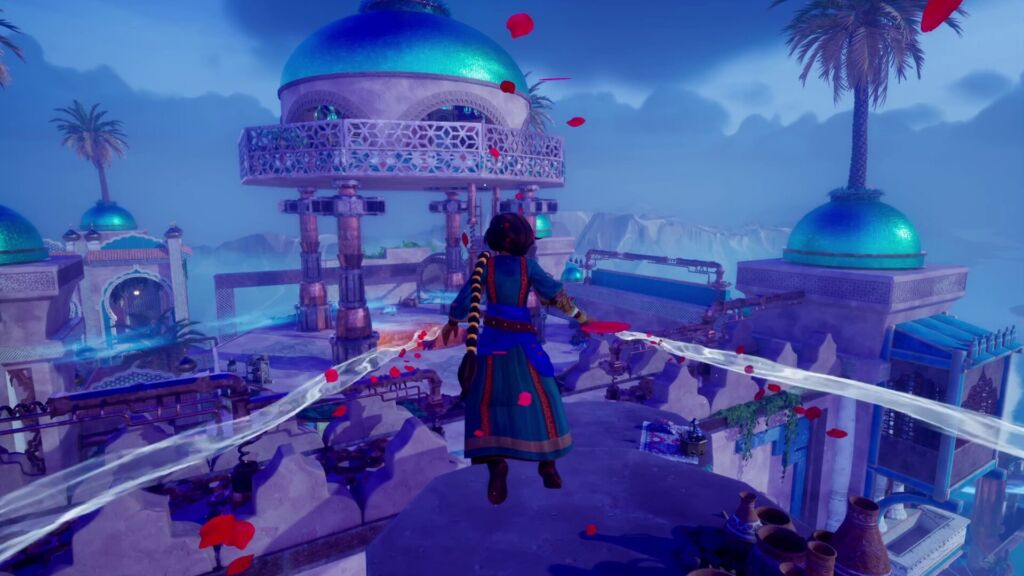
The strongest aspect of The House of Hikmah is its atmosphere. The House of Wisdom itself feels dreamlike and almost sacred, with towering libraries, glowing architecture, and floating pathways that give the game a distinctive visual identity. Every world has its own thematic flavor inspired by different historical inventions and scientific principles, helping the environments stand apart from one another even when the gameplay structure remains fairly similar throughout. There is genuine care put into presenting the legacy of Islamic scholars in a respectful and engaging way, and the game succeeds in introducing historical ideas without feeling like an educational lecture.
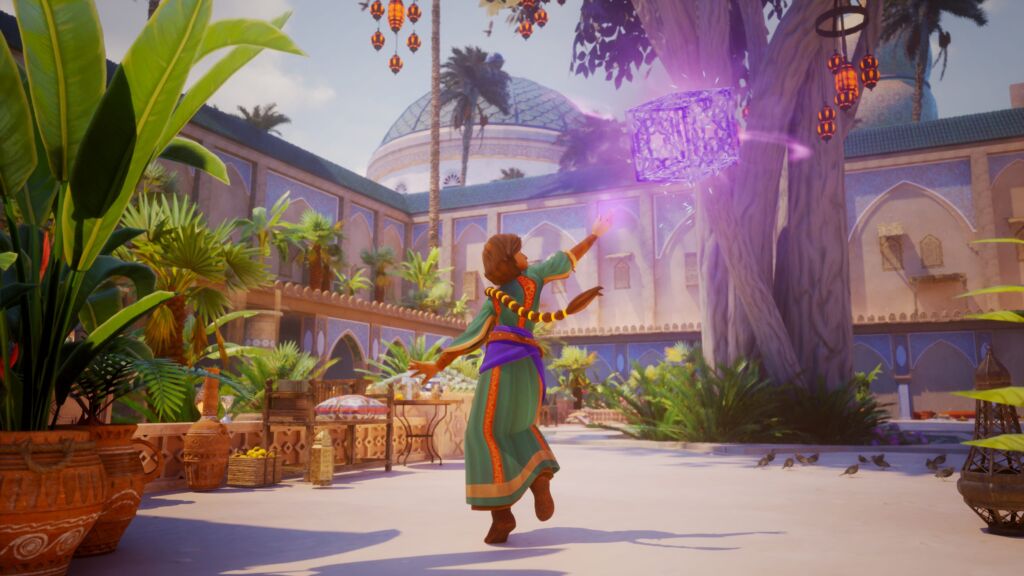
Maya herself is an easy protagonist to sympathize with. Much of the story revolves around her struggle to process grief and understand the legacy her father left behind. The narrative leans heavily into metaphor, using puzzles and environmental storytelling as extensions of Maya’s emotional state. At its best, the writing captures the uncertainty and confusion that follows loss, particularly in quieter moments where Maya reflects on memories of her father or questions what she is really searching for within the House.
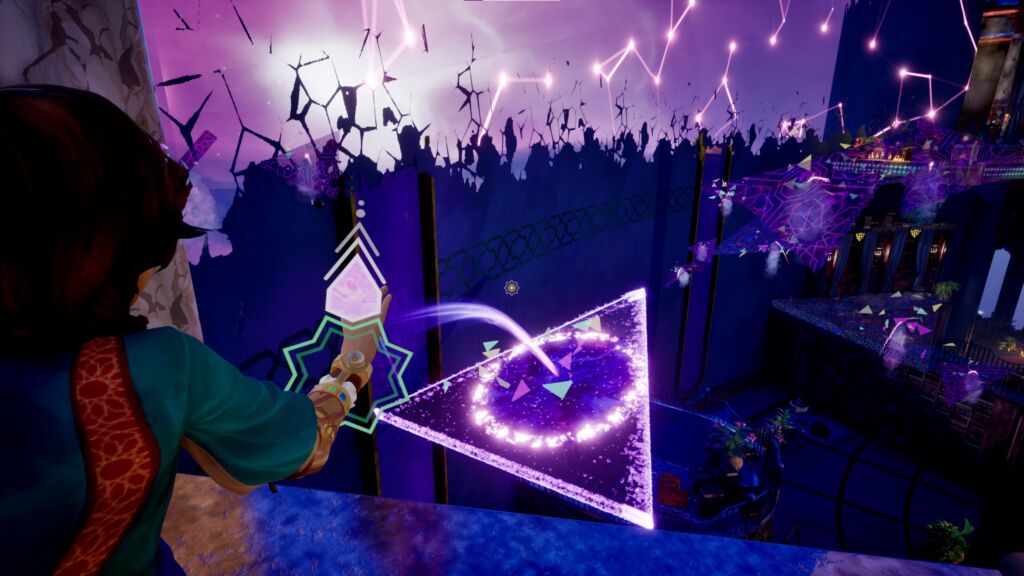
The problem is that the emotional pacing often gets interrupted by gameplay that can feel more mechanical than meaningful. The central hook involves Maya using a mysterious heirloom device capable of transforming materials and manipulating the environment. Early on, this creates some clever ideas. Turning metal to solve weighted puzzles, redirecting light, or using wind currents to traverse large gaps gives the opening hours a sense of discovery. Unfortunately, the game struggles to evolve these mechanics in interesting ways over time.
Many puzzles begin to blur together after the first few worlds. Solutions become predictable, with players often cycling through the same small set of transformations until the correct answer reveals itself. The game clearly wants these moments to feel thoughtful and meditative, but too often they simply slow the pace down. Some puzzles are enjoyable brain teasers, but others feel drawn out without enough payoff waiting at the end.

Traversal also lacks energy. Movement is functional but stiff, especially during platforming sections involving wind tunnels or environmental hazards. Maya’s jumps occasionally feel imprecise, and there are moments where interacting with objects becomes frustrating due to awkward positioning or unclear prompts. None of these issues completely break the experience, but they add up over the course of the campaign.
The storytelling fares better when it focuses on the historical scholars Maya encounters. These characters bring warmth and personality to the adventure, and the fully voiced dialogue in both English and Arabic adds authenticity to the world. Conversations about philosophy, science, and human understanding help reinforce the game’s broader themes about knowledge surviving through generations. Even when the main plot becomes predictable, these interactions remain engaging.
One standout element throughout the experience is the soundtrack from composer Austin Wintory. The music carries enormous emotional weight, blending soft orchestral melodies with culturally inspired instrumentation that perfectly complements the game’s reflective tone. There are scenes where the soundtrack does more emotional heavy lifting than the dialogue itself, elevating otherwise simple moments into something memorable.
Visually, the game can be beautiful, particularly in larger open chambers filled with floating structures and shifting light effects. However, technical inconsistencies prevent the presentation from feeling polished. Character animations are often stiff during conversations, facial expressions lack subtlety, and some environmental textures appear surprisingly low detail compared to the stronger art direction elsewhere. Performance is mostly stable, but occasional frame drops and minor visual glitches interrupt immersion.
Accessibility options are decent but not especially extensive. Subtitle customization and language support are appreciated additions, and the game’s slower pace makes it approachable for less experienced players. However, the lack of more advanced accessibility settings such as puzzle assistance, broader control remapping, or more detailed visual accessibility options feels like a missed opportunity for a game so focused on emotional storytelling and inclusivity.
The biggest issue with The House of Hikmah is that it often mistakes being slow for being profound. There are stretches where players spend long periods solving fairly routine puzzles while waiting for the narrative to regain momentum. The themes of grief and healing are heartfelt, but the writing occasionally repeats the same emotional beats without adding much new insight. By the later chapters, the experience begins to feel longer than necessary.
Still, there is something undeniably sincere about the entire project. Even when the gameplay falls into repetition, the game’s intentions remain admirable. Few titles attempt to spotlight the scientific achievements and philosophical contributions of the Islamic Golden Age within a mainstream adventure framework, and The House of Hikmah deserves recognition for bringing that history into an interactive format. Its educational aspects never overpower the story, and younger players especially may find themselves genuinely curious about the real historical figures who inspired these worlds.
For players looking for a fast paced adventure or deeply challenging puzzle game, this will likely disappoint. The mechanics never evolve enough to sustain excitement, and the gameplay loop grows repetitive well before the credits roll. But for those interested in a slower, emotionally driven experience with strong atmosphere and unique historical inspiration, there is enough here to appreciate despite the rough edges.
The House of Hikmah is a game with a meaningful heart but uneven execution. Its world, music, and cultural inspirations leave a stronger impression than its actual gameplay, and while Maya’s journey through grief contains moments of genuine emotional resonance, repetitive puzzles and sluggish pacing keep the experience from becoming truly memorable. It is thoughtful, visually imaginative, and refreshingly different in subject matter, even if the adventure itself only occasionally reaches the emotional depth it aims for.