Summary
Developer: dicehit
Publisher: dicehit
Platforms – PC (Reviewed)
Review copy given by Publisher
NOTE:
The following game is being reviewed in an Early Access State, the game may change after the release of this review, this review reflects the game at the time of publishing.
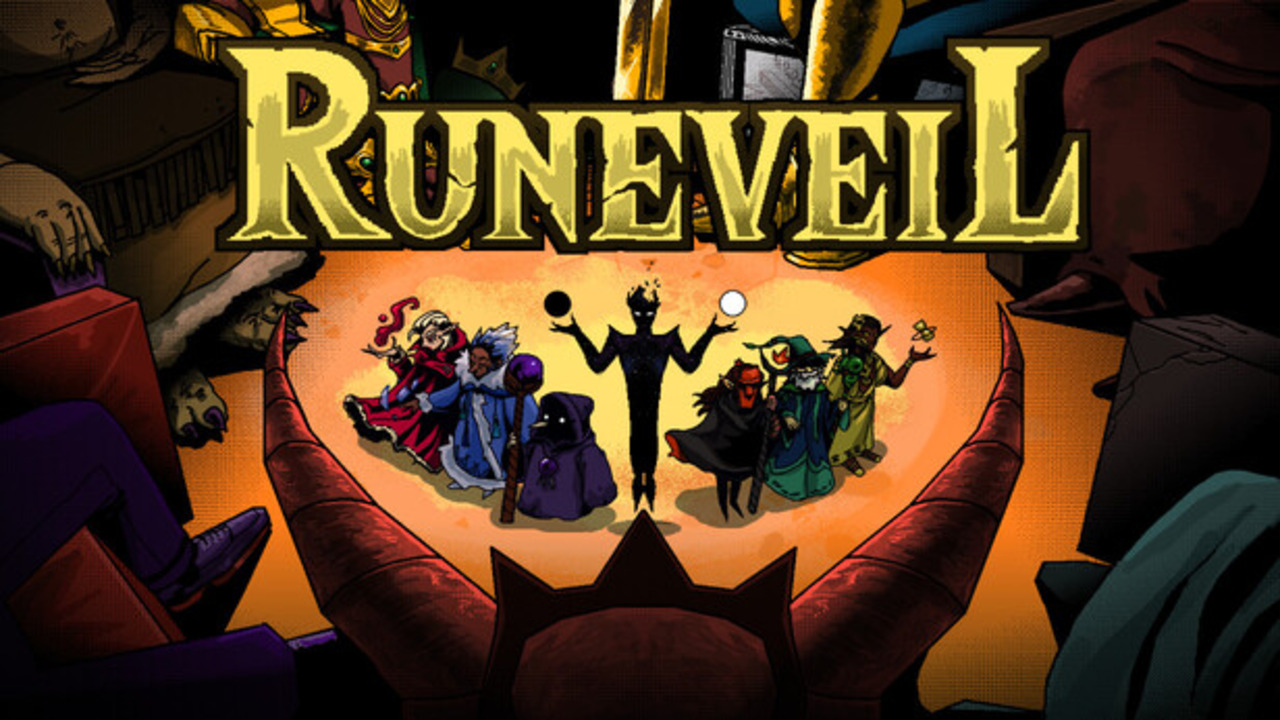
Roguelike deckbuilders are everywhere these days, making it harder than ever for a newcomer to stand out. Runeveil doesn’t try to reinvent the genre by throwing away familiar mechanics. Instead, it builds upon them with one clever idea that changes how every battle is approached. Rather than simply playing cards one by one, Runeveil asks players to think about the order of every rune in their hand, turning each turn into a satisfying puzzle of sequencing and synergy. The result is an Early Access title that already feels surprisingly fresh, even if some content is still waiting to arrive.
Instead of managing energy and deciding which cards to play, every turn revolves around arranging your entire hand in the optimal sequence. One rune may increase the power of the next, another may duplicate a spell further down the chain, while another detonates everything before it. Success depends less on individual card strength and more on understanding how every piece fits together. It is an elegant twist that rewards planning instead of brute force.
The first few runs are naturally overwhelming. There are hundreds of runes, dozens of artifacts, potions, enchantments, and unique interactions to learn. Thankfully, Runeveil introduces these systems at a reasonable pace. As your collection grows, so does your understanding of how devastating certain combinations can become.
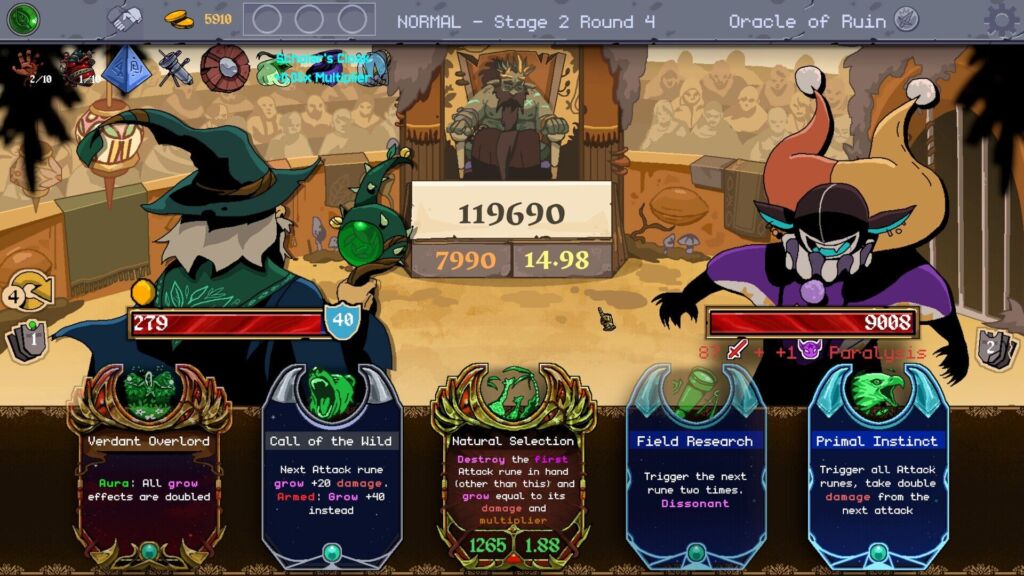
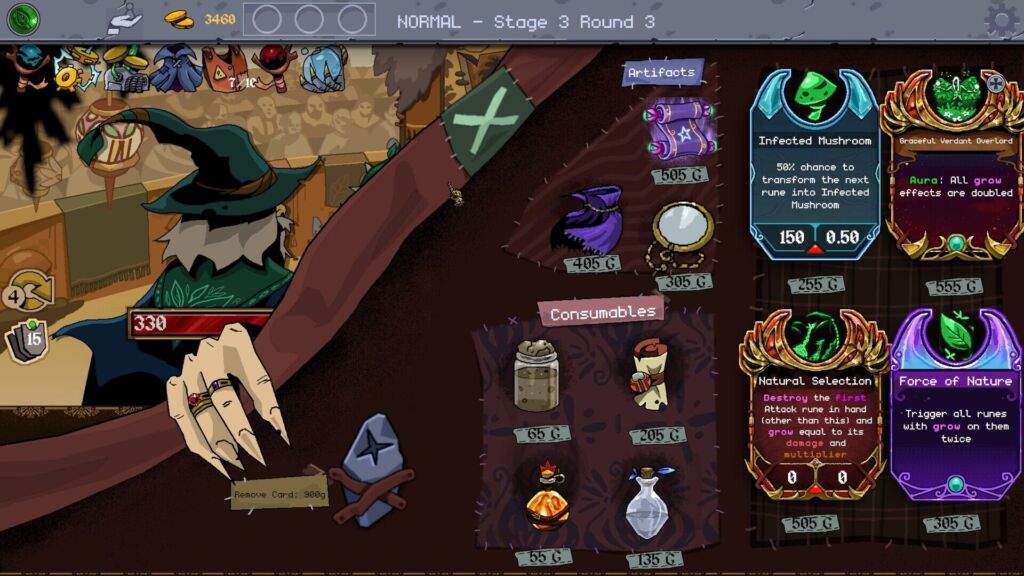
Creating those combinations is where the game truly shines. Finding an artifact that doubles elemental effects before discovering an enchantment that repeats your final rune creates the kind of satisfying power spike that fans of roguelikes constantly chase. Every reward has the potential to completely reshape your build, making each run feel unique from the last.
The reward system deserves particular praise. Rather than presenting random surprises after every encounter, Runeveil lets players preview upcoming rewards and begin planning their build long before reaching them. This seemingly small feature adds another strategic layer that rewards careful route planning over blind luck.
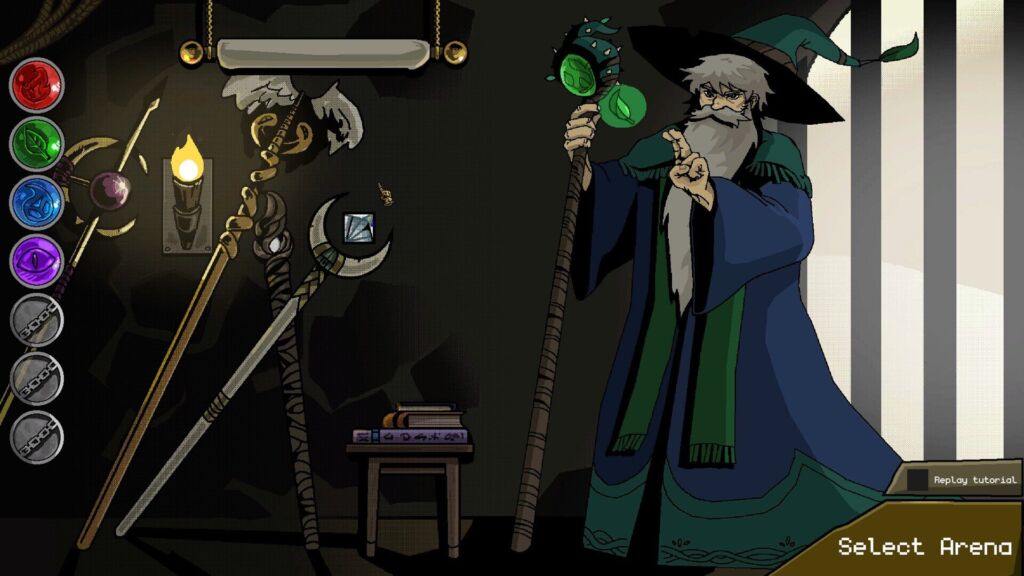
Each playable wizard introduces a noticeably different style of play. The Nature Wizard focuses on gradual growth and sustained value, while Fire leans into explosive damage. Water emphasizes control and flexible sequencing, and Arcane thrives on unpredictable spell interactions. Even with only four available during Early Access, there is already enough variety to encourage experimenting with completely different strategies.
Combat itself moves at an enjoyable pace. Once you’ve arranged your sequence, watching dozens of effects trigger one after another never loses its appeal. Massive combo chains fill the battlefield with satisfying visual effects while rewarding the planning that went into building them.
The enemies also contribute to the strategic depth. Rather than existing as simple damage sponges, many opponents force you to rethink your sequencing or prioritize defensive combinations. Learning enemy behaviors becomes just as important as understanding your own deck.
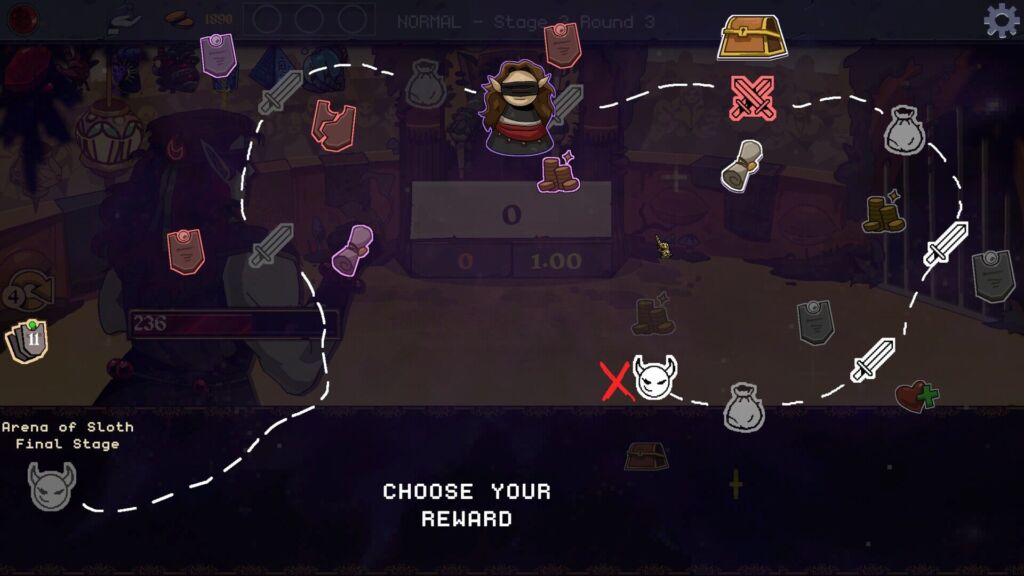
Boss battles represent the strongest moments in every run. Each Sin King introduces mechanics that punish careless sequencing and force players to adapt. Victory rarely comes from luck alone. Instead, it comes from carefully assembling a build capable of overcoming increasingly dangerous encounters.
The Ascension system extends the game’s lifespan considerably. Completing an arena is only the beginning, as higher Ascension levels introduce modifiers that significantly increase the challenge. Veterans looking for increasingly difficult runs will likely spend dozens of hours mastering every encounter.
Outside individual runs, Runeveil offers meaningful progression. Wizard specific skill trees provide long term goals for favorite characters, while the global progression system rewards every failed attempt with permanent upgrades that benefit future runs. It strikes a healthy balance between making progress feel rewarding without completely removing the challenge.
Visually, Runeveil adopts a colorful fantasy presentation that fits its magical theme well. Character portraits are expressive, spell effects are flashy without becoming overwhelming, and the arenas feature enough environmental variety to distinguish each region. While not pushing graphical boundaries, the art direction remains appealing throughout.
The soundtrack complements the experience nicely. It builds tension during boss encounters while remaining subtle enough during regular battles that it never distracts from planning complicated rune sequences.
As an Early Access title, there are naturally limitations. Only four of the planned seven elemental wizards are currently available, along with three Sin Kings instead of the complete roster. Despite this, the amount of available content already feels substantial thanks to over 200 runes, more than 100 artifacts, dozens of consumables, and a healthy variety of enemy encounters.
Balance remains a work in progress. Some combinations can quickly spiral into absurd levels of power, allowing players to dismantle encounters with little resistance. While discovering these broken builds is undeniably entertaining, a few strategies currently overshadow others enough that future balancing updates would be welcome.
Occasionally, the amount of information presented during combat can become difficult to follow. Long combo chains fill the screen with numerous effects, making it challenging to understand exactly which interaction created a particular outcome. Better combat logs or clearer visual indicators would help players fully appreciate the depth of the underlying systems.
Replayability is already one of Runeveil’s greatest strengths. Procedurally generated encounters, multiple wizards, branching progression, unlockable content, and endless opportunities to experiment with different rune combinations make every run feel distinct. Even failed attempts usually reveal a new interaction worth exploring during the next journey.
Perhaps Runeveil’s biggest achievement is making every decision feel meaningful. Every artifact, every enchantment, every potion, and every rune placement contributes toward a larger strategy. Few deckbuilders make individual turns feel this engaging from beginning to end.
There is still room for growth before the full release arrives, but the foundation is remarkably solid. If the developers successfully deliver the remaining content while continuing to refine balance and usability, Runeveil has the potential to become one of the more memorable roguelike deckbuilders in recent years.
For fans of games like Slay the Spire, Monster Train, or other strategy focused roguelikes, Runeveil offers a genuinely fresh combat system that rewards creativity and careful planning. It may still be in Early Access, but its core mechanics are already compelling enough to justify diving in now.

Will is a long-time veteran of the game review world. He is a QA Tester of not only video games, with his name in many game credits, but has also worked QA for many of our favorite tech products for multiple companies. Will can almost always be found gaming while also chatting away on Discord.