Summary
Moonlighter 2 is not just a better version of the original concept. It is a full realization of what the series could always be. It builds a stronger narrative foundation, empowers its relic system with strategy and depth, and weaves its shopkeeping and combat into a loop that constantly rewards smart decisions. If the first game was a promising prototype, Moonlighter 2 is the true vision finally realized.
Developer – Digital Sun
Publisher – 11 bit Studios
Platforms – PC (Reviewed)
Review copy given by Publisher

Moonlighter 2 opens with a surprisingly emotional premise that immediately sets it apart from the original game. Instead of inheriting a shop in a half sleepy town, you find yourself washed ashore in the remote village of Tresna with nothing but scattered survivors for company. The old life is gone. The world is fractured. And the only way forward is to rebuild something new from dust, scrap, and stubborn determination. This shift gives Moonlighter 2 a stronger narrative spine. The story is no longer a loose excuse to hunt for loot. It becomes a tale of collective survival and hopeful reinvention, and you are at the center of that rebuilding effort. From the first moments, you feel that weight. Every relic you find becomes a lifeline. Every coin you earn breathes new life into a community that is hanging on by a thread.
Tresna begins as little more than debris and makeshift shelters, but the castaways who gather there bring personality and quiet resilience. Your conversations with them slowly reveal their fears, ambitions, and the fragile hope that better days might return. These characters depend on you not as a chosen hero but as the one person willing to venture into unpredictable dimensions and bring back the resources needed for growth. The story uses this dynamic to continually reinforce the importance of your dual role. You are both the beating heart of Tresna’s economy and the explorer who uncovers the mysteries hidden inside the strange realms around the village. The first game presented its narrative mostly between the lines, but Moonlighter 2 brings its world to life with more structured storytelling that rewards you for reinvesting in the town.
Relics sit at the center of this entire experience and define almost every part of your journey. The first game treated loot as valuable but largely interchangeable. Moonlighter 2 pushes relics far further and uses them to drive combat, exploration, and even village progression. Each relic feels deliberate, with a unique visual identity and lore that hints at the culture or dimension it came from. Some relics influence your abilities. Others unlock new crafting paths. Others gain value only when placed next to specific items in your pack. The backpack puzzle becomes a core mechanic instead of a simple inventory grid. You are constantly reevaluating the layout of your haul, making micro decisions about what to keep, what to toss, and how to maximize your long term profit. This grounded approach makes relic hunting far more strategic because the way you arrange them directly affects your gains.
The story also uses relics to strengthen your bond with Tresna. Certain townsfolk react to the items you find, unlocking side conversations or new opportunities. A blacksmith may recognize a relic that belonged to an ancient guild. A researcher might use it to map connections between dimensions. These interactions give relics narrative importance that extends beyond their price tags. It gives the impression that you are uncovering a lost history piece by piece. That sense of discovery is something the first game hinted at but never fully developed. Moonlighter 2 uses relics as storytelling tools and that decision elevates both the plot and the gameplay loop.
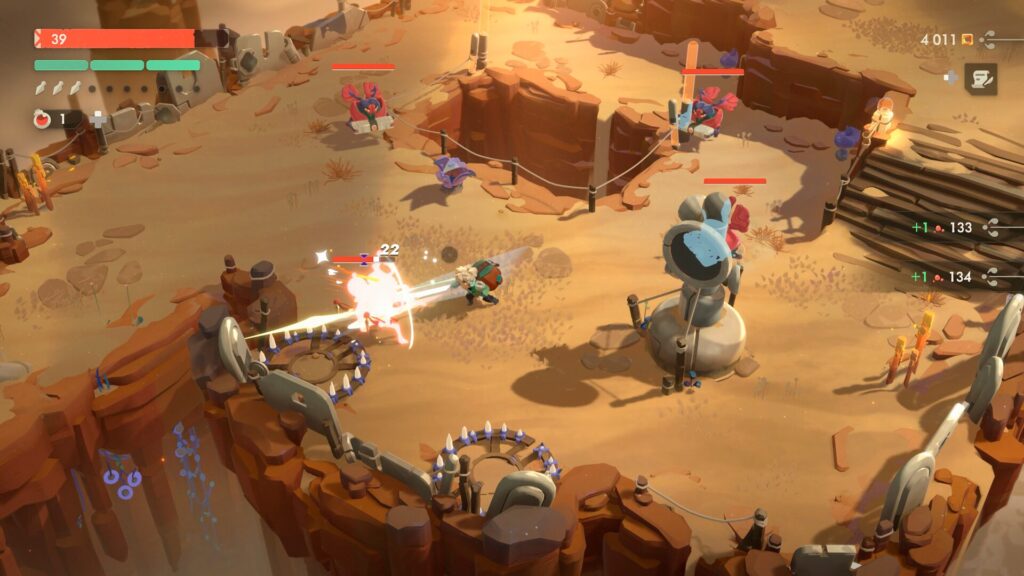
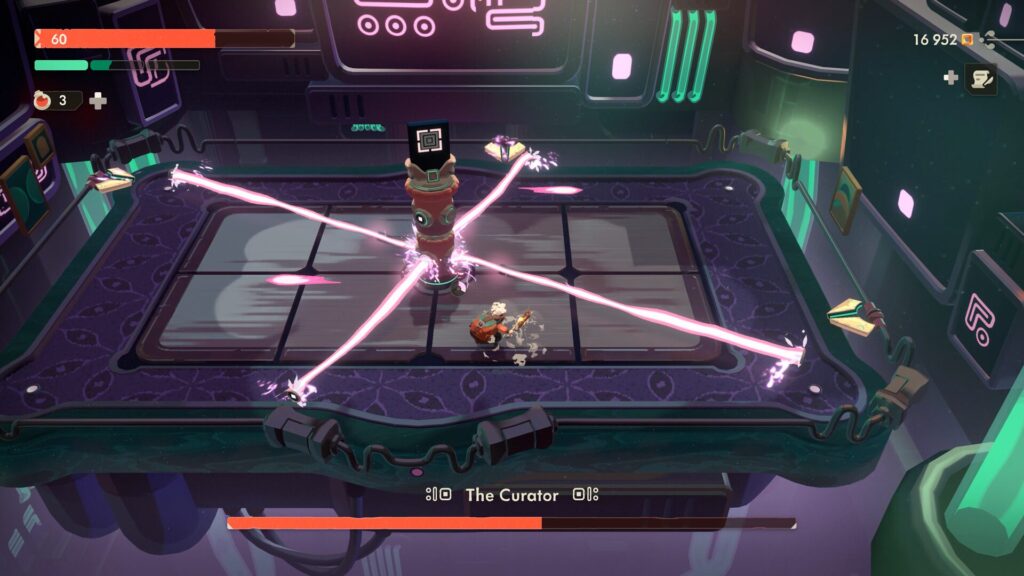
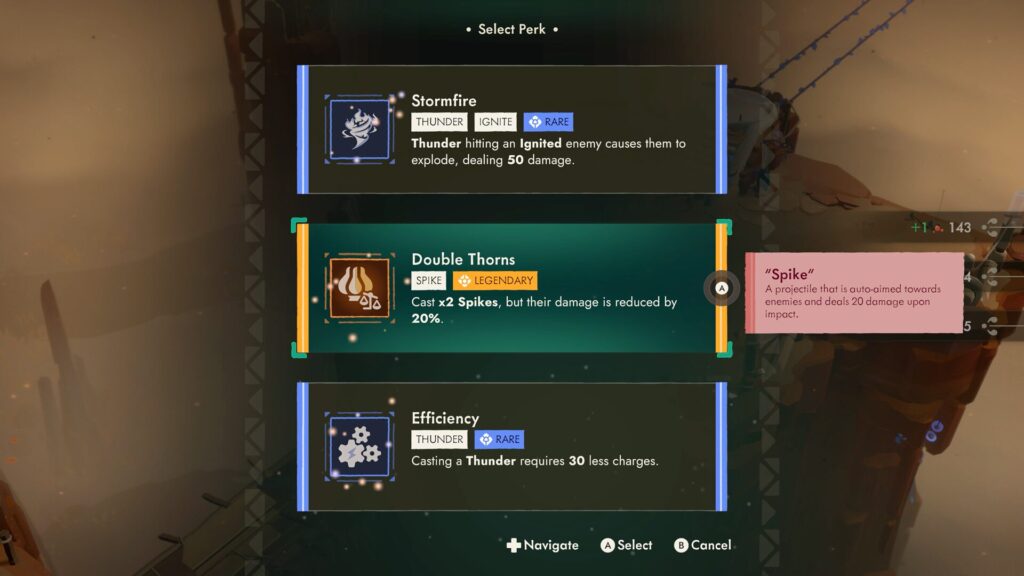
Combat in Moonlighter 2 benefits directly from this deeper relic system. The weapons feel weightier, and their interactions with relic based buffs create a more expressive combat style. You can tinker with gadgets found during your runs, apply relic infused upgrades, and develop a signature approach whether you prefer quick strikes, heavy swings, or long range options. Enemies are more varied and more aggressive, forcing careful observation and nimble repositioning. The combat feels more fluid than in the first game because every encounter demands thought and adaptability. Relics act as wild cards that can change your approach on the fly. A perfectly placed relic combination can turn a dangerous fight into an advantage, while a poorly planned backpack layout can leave you underpowered at the worst possible moment.
The dungeon design also supports this focus on relics. Each dimension feels vibrant and unpredictable. Hidden rooms, risk zones, and resource pockets encourage detours that can pay off in rare relics if you are willing to gamble. The deeper you descend, the more the game tests your resolve. Rare relics sit behind hazards that tempt you into pushing further than you should. This tension fuels some of the most memorable moments. You always know when you are gambling your survival for the chance of a perfect item that will change your shop inventory for days to come.
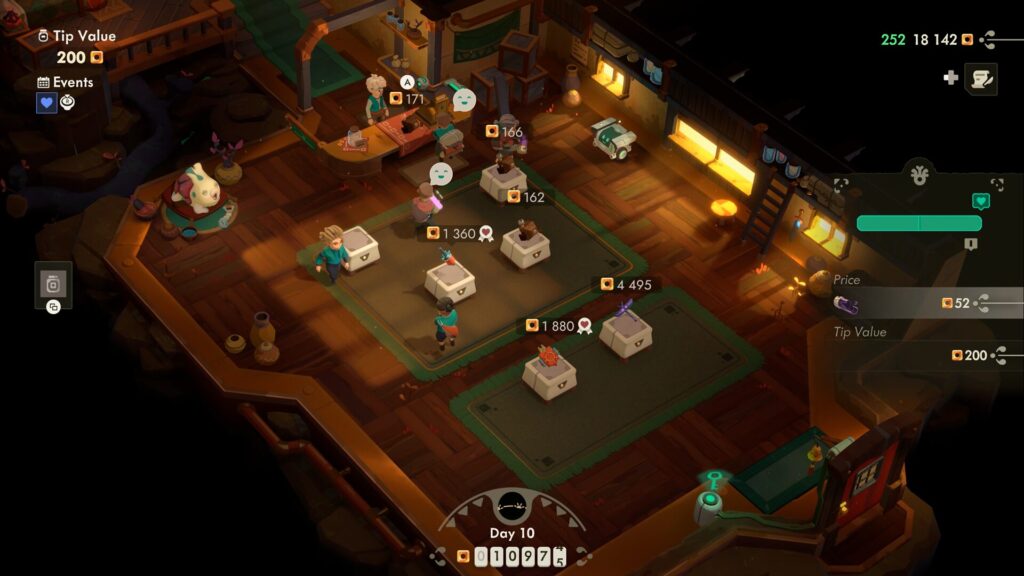
When you return home, the shopkeeping experience ties all the relic hunting into a rewarding loop. The sequel dramatically improves this side of the game. Customers react in real time to prices, display shelves can be customized to guide customer traffic, and decorations bring mechanical bonuses that influence shopper behavior. Market events create spikes in demand that you can exploit for enormous profit, especially if you timed your relic collection properly. The feeling of selling a rare relic to the exact group of eager customers that want it is genuinely thrilling. This is where the sequel stands far above the original. Selling items now feels dynamic and strategic, not simply a routine to clear inventory.
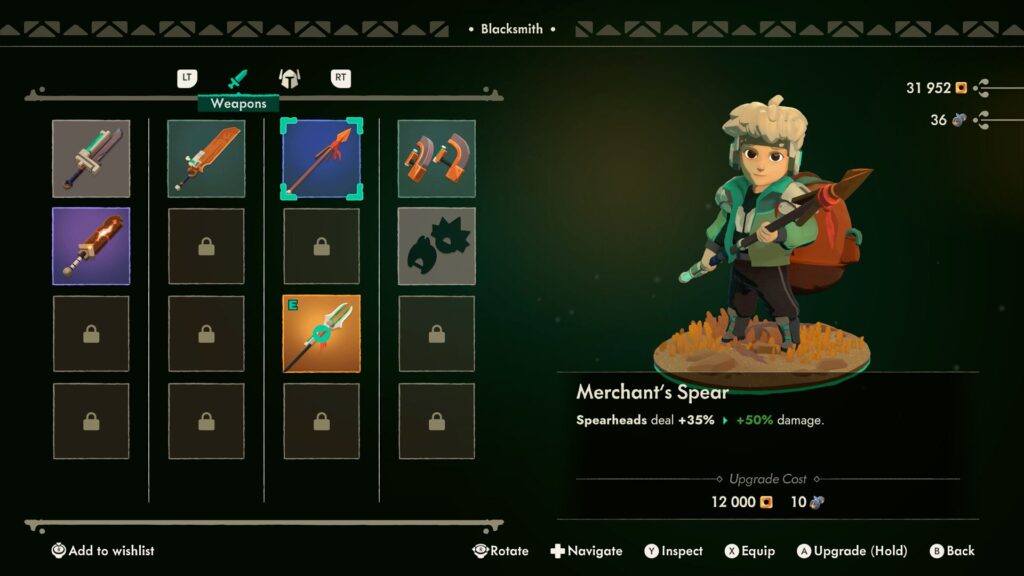
Profits loop back into the village, unlocking new facilities and bringing new residents who add depth to both story and gameplay. Opening a workshop gives you access to better weapons. Funding a researcher expands the relic catalog and reveals lore about the dimensions. Upgrading homes and stores improves Tresna’s appearance and mood, creating a visual reminder of your impact. The entire community transforms over time, and that transformation feels earned. You become invested in the place in a way the original village never fully achieved.
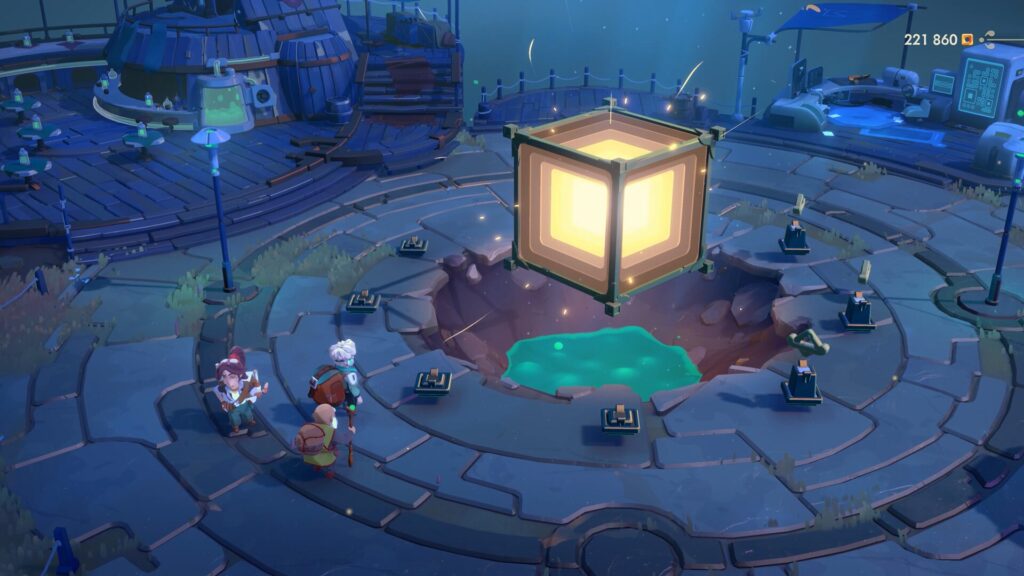
The Endless Vault serves as both a story centerpiece and an advanced gameplay challenge. It is an ancient artifact that exists to test the worthiness of merchants, and it operates as a symbolic trial for the new community. Its rotating challenges test every skill you have developed. Success leads to significant upgrades for the town, adding long term goals that extend far beyond the main narrative. The Vault becomes a metaphor for Tresna itself. If you can conquer its trials, you prove that rebuilding is possible and that the new community has a future.
By expanding the story, deepening the relic mechanics, and tightening the combat loop, Moonlighter 2 achieves something special. The emotional stakes are higher. The gameplay is richer. The world is more cohesive. Your actions carry weight across every system, creating a feeling of continuous progression that never loses momentum.
Moonlighter 2 is not just a better version of the original concept. It is a full realization of what the series could always be. It builds a stronger narrative foundation, empowers its relic system with strategy and depth, and weaves its shopkeeping and combat into a loop that constantly rewards smart decisions. If the first game was a promising prototype, Moonlighter 2 is the true vision finally realized.