Summary
While The Tale of Bistun has a noble goal of bringing a Persian legend to life, its execution leaves much to be desired. The story, though rooted in an epic romance, feels predictable and shallow, failing to deliver the emotional weight it promises. The graphics, while occasionally atmospheric, are largely outdated, resembling something you’d expect from a PS3-era title rather than a modern indie game. And while the combat is serviceable, it quickly becomes repetitive and lacks the depth to sustain engagement.
For those interested in Persian mythology and willing to overlook its flaws, The Tale of Bistun might be worth a short playthrough. But for everyone else, this tale is one that will likely be forgotten as quickly as it is played.
Developer – Black Cube Games
Publisher – IMGN.PRO
Platforms – Nintendo Switch , PS4/5, Xbox One,PC (Reviewed)
Review copy given by Publisher
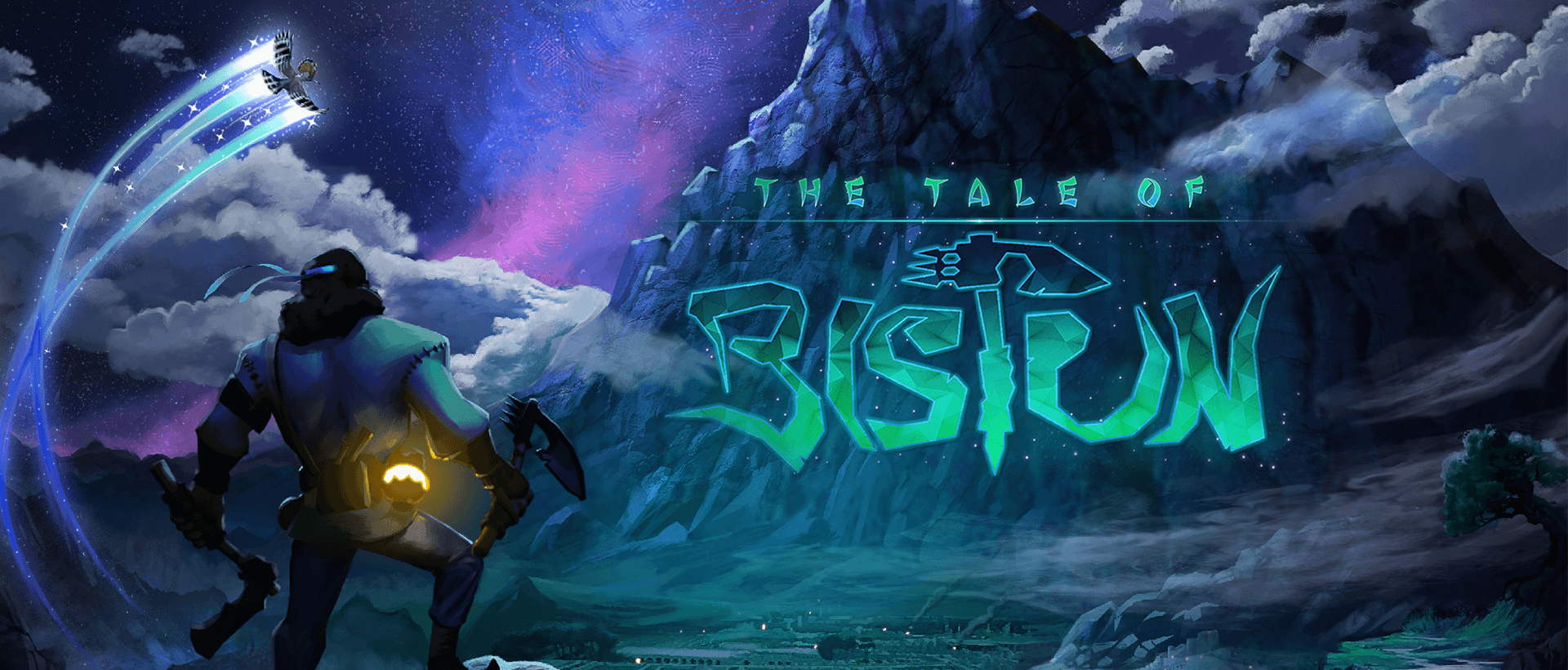
The Tale of Bistun attempts to weave a grand narrative inspired by the Persian legend of Khosrow and Shirin, a timeless tale of love and loss. Unfortunately, while the source material is rich, the game’s execution falls flat, offering a story that feels more like a surface-level retelling rather than a deep, emotional journey.
You play as an amnesiac stone-carver, climbing the treacherous Mount Bistun in search of answers, all while a mysterious narrator details your every move. The concept of uncovering lost memories and exploring a mystical, blight-infested world had potential, but the narrative never quite reaches the emotional depth it aims for. The protagonist’s journey feels predictable, with the usual tropes of forgotten pasts, tragic love, and ancient evils rearing their heads without much innovation. The interactions with the mysterious voice guiding you through the adventure are initially intriguing but quickly grow repetitive, as it simply reiterates the obvious rather than providing meaningful insight or character development.
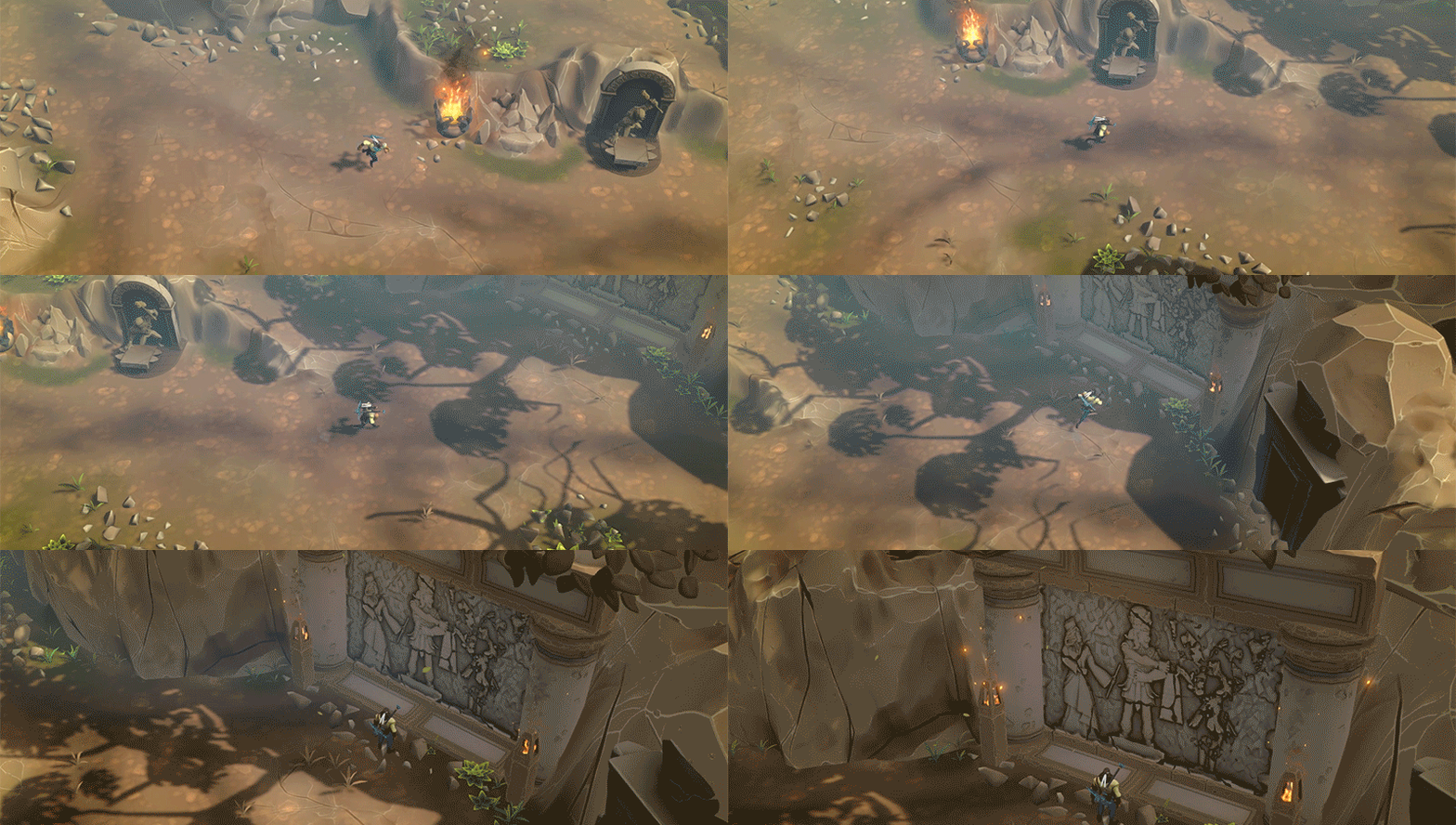
The Revelations Realm—a mystical space of forgotten memories—should have been a highlight, but it ultimately serves as little more than a standard plot device to drip-feed exposition. The emotional weight behind the protagonist’s lost past never quite lands, and the romance element, which should have been a driving force, is underdeveloped. Rather than delivering an engaging, character-driven experience, the game ends up feeling like a shallow fairy tale where the beats are all too easy to predict.
While the game aims to bring ancient Mesopotamia to life with a stunning, mythical landscape, its visual presentation falls short. The environments, though conceptually interesting, lack the level of detail and polish expected from modern titles. Character models and animations feel stiff and outdated, reminiscent of early PS3-era games with simplistic textures and uninspired designs.
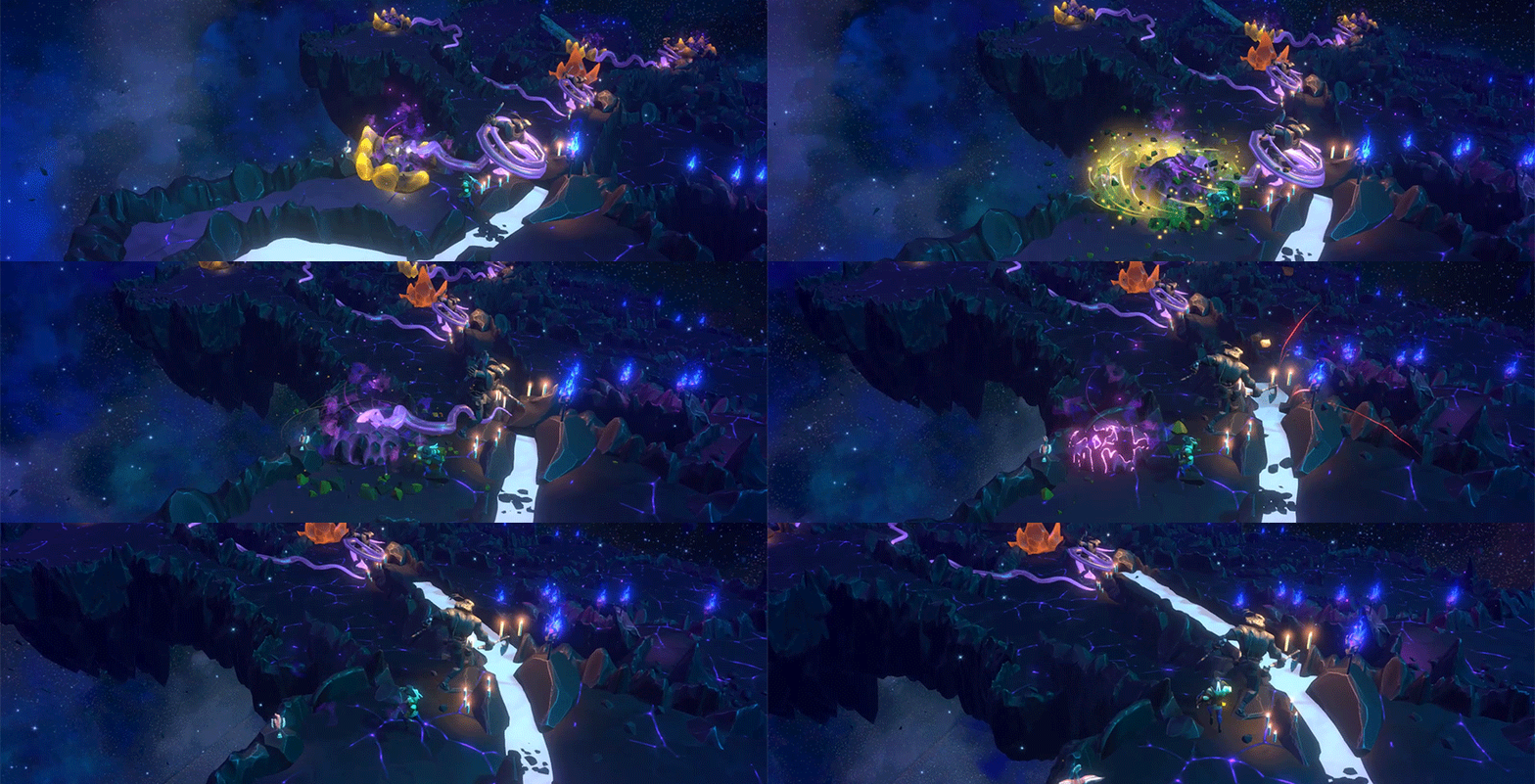
The game does have moments where its art direction shines—mainly in its use of color and atmospheric lighting—but these glimpses of beauty are overshadowed by the overall lack of graphical refinement. The world feels empty, and enemy designs, while serviceable, fail to leave a lasting impression. In a time when indie games can deliver visually breathtaking experiences (Hollow Knight, Hades, or Ori and the Blind Forest come to mind), The Tale of Bistun looks and feels disappointingly dated.
On the gameplay front, The Tale of Bistun delivers a functional, if uninspired, action experience. Combat consists of straightforward melee attacks and magical abilities, and while the mechanics are responsive, they lack depth. Enemy encounters grow repetitive quickly, with little variation in combat strategy beyond dodging and mashing the attack button.
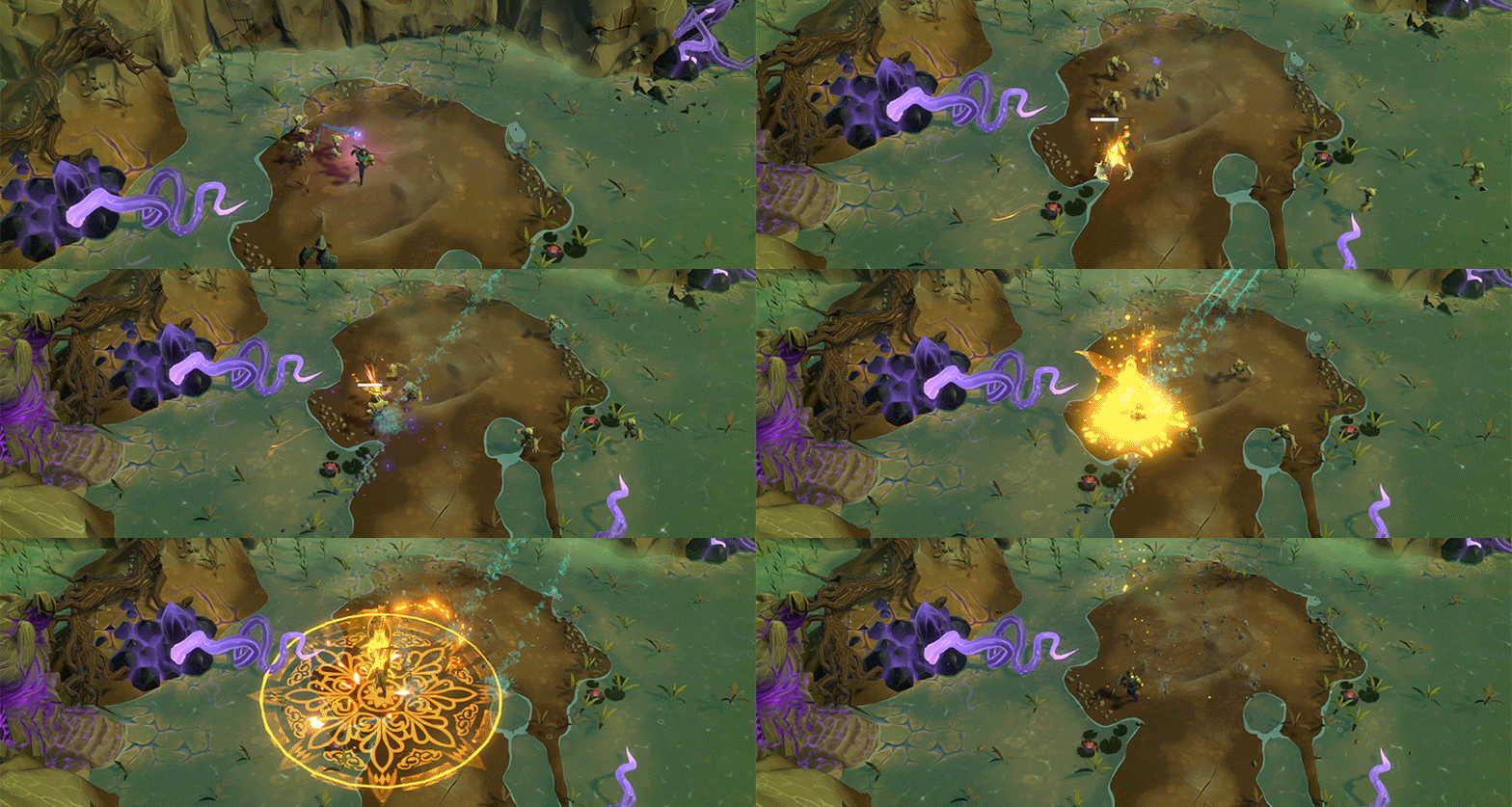
The stone-carving mechanic, which lets you engrave your own Behistun Inscription, is a nice touch, but it’s more of a gimmick than a meaningful gameplay feature. It feels like a missed opportunity to integrate a deeper crafting or puzzle element that could have set The Tale of Bistun apart from other hack-and-slash games.
While The Tale of Bistun has a noble goal of bringing a Persian legend to life, its execution leaves much to be desired. The story, though rooted in an epic romance, feels predictable and shallow, failing to deliver the emotional weight it promises. The graphics, while occasionally atmospheric, are largely outdated, resembling something you’d expect from a PS3-era title rather than a modern indie game. And while the combat is serviceable, it quickly becomes repetitive and lacks the depth to sustain engagement.
For those interested in Persian mythology and willing to overlook its flaws, The Tale of Bistun might be worth a short playthrough. But for everyone else, this tale is one that will likely be forgotten as quickly as it is played.