
Summary
Chronoquartz has some brilliant puzzle ideas buried under clunky execution, vague systems, and frustrating repetition. When it works, it’s rewarding. When it doesn’t, it’s exhausting. For every moment of satisfaction, there’s another that makes you wish the game respected your time a little more.
Developer – Infinite Stairs
Publisher – Infinite Stairs
Platforms – PC (Reviewed)
Review copy given by Publisher
f you have ever wanted a puzzle game that makes you feel both smart and completely lost, Chronoquartz might scratch that itch. It is a clever concept with time loop mechanics that force you to plan ahead, but it is also a frustrating and uneven experience that often tests your patience as much as your logic. Every move matters, and every mistake means starting over, sometimes because you miscalculated, and sometimes because the game just did not respond the way it should.
Chronoquartz gives you ten turns per loop to explore, collect items, and piece together clues before the clock resets. On paper, it is a great idea: use information from one loop to do better in the next. In practice, it takes a long time for the gameplay to click. The early loops feel confusing and slow, and it does not help that the game barely explains its mechanics. You are thrown into a cycle of trial and error with little guidance, and it is easy to hit a wall before anything starts to make sense.
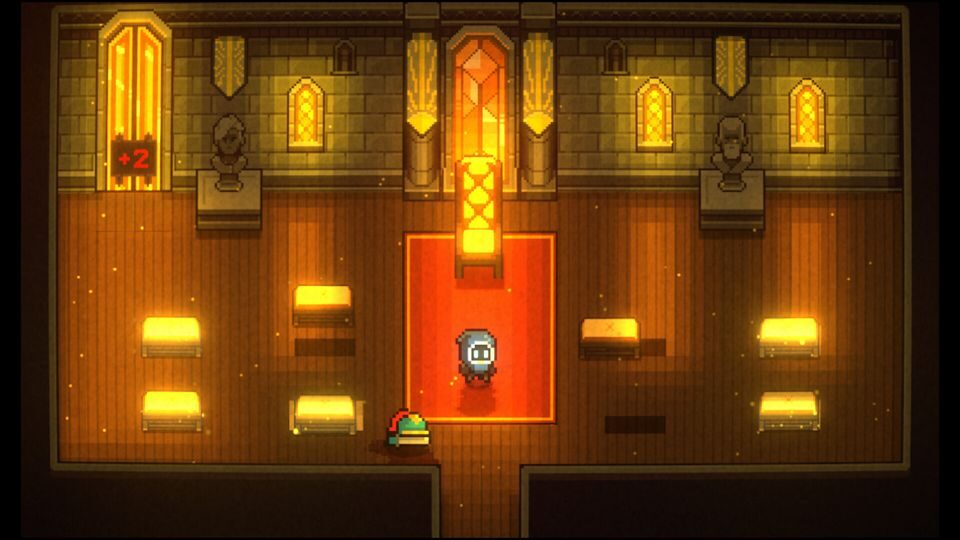
When it finally clicks, the design shines. You start to notice shortcuts, hidden paths, and better ways to sequence actions. It becomes less about guessing and more about efficiency. That feeling of progress, when a puzzle that once seemed impossible suddenly becomes clear, is incredibly satisfying. But getting to that point requires patience, and not everyone will have it.
The puzzles themselves are well designed but occasionally unfair. Some rely on incredibly specific timing or obscure logic, and a few involve multiple loops of setup just to reveal what you were supposed to do all along. There is a thrill in figuring out these long chain puzzles, but also a sense of relief that you will not have to repeat them again.
A bigger problem lies in the game’s feedback systems. It is often unclear if you are doing something wrong or if the game simply is not registering your inputs correctly. Several moments feel buggy, like objects that do not trigger when they should, or small animation hitches that waste one of your precious ten turns. Those glitches are minor in isolation, but in a game where every move counts, they can completely ruin a run.
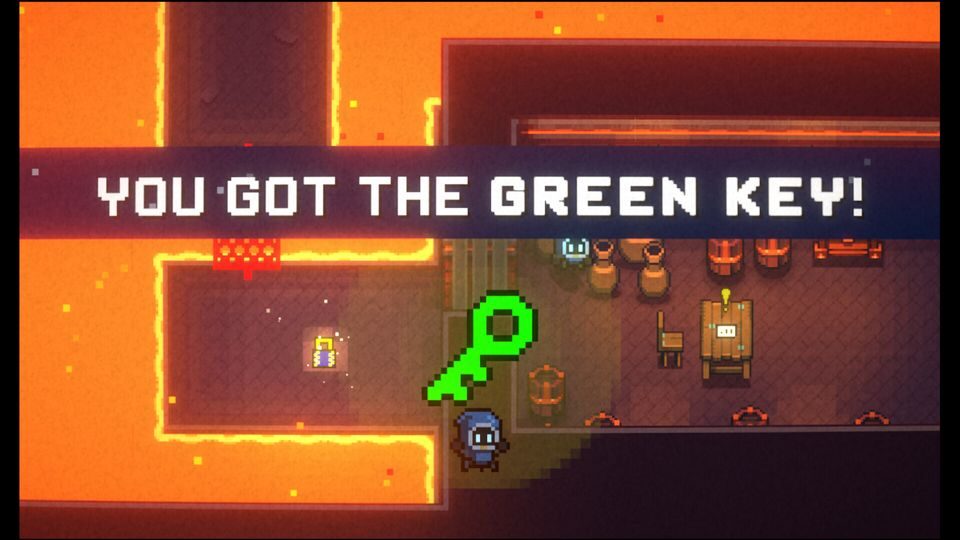
The limited number of turns adds tension, but it also makes the experience feel punishing. Accidentally opening the wrong door or misclicking an object can cost you an entire loop. There is no undo option, and some puzzles require so many perfect steps that one slip up sends you right back to the beginning. The idea of efficiency quickly turns into a source of frustration.
Visually, Chronoquartz is fine but uninspired. Its minimalist art direction makes it functional, but the environments blend together after a while. The sterile corridors and muted tones fit the mechanical theme but lack personality. It feels like a puzzle lab rather than a living world. The interface, while clean, can be clunky when selecting items or navigating tight areas, leading to even more wasted turns.
The story behind it all, about stopping Morthas from seizing the Chronoquartz and manipulating time, never really grabs you. It is background flavor rather than a driving force. The narrative mostly serves as context for why you are looping, but it never develops into anything compelling. You are not playing for the plot, you are playing to outsmart the clock.
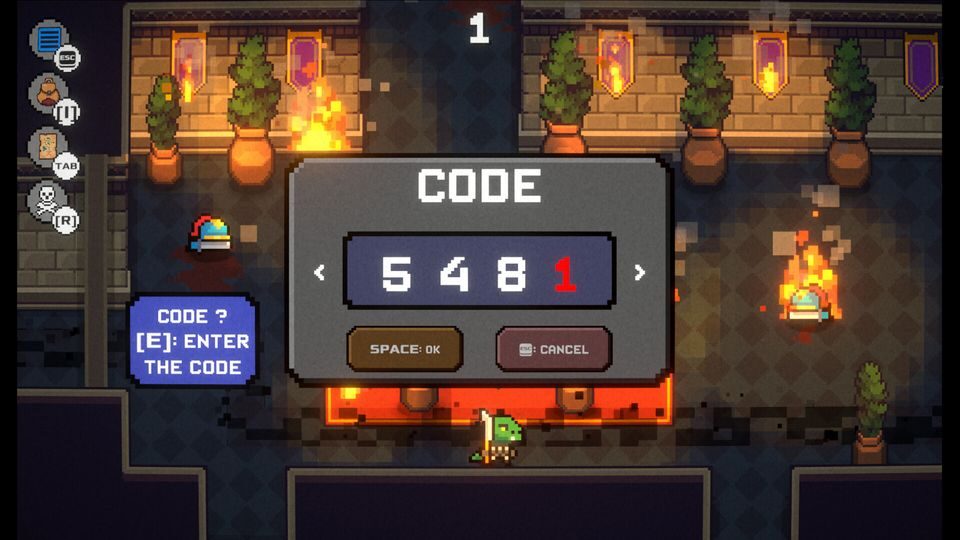
There are flashes of brilliance in the design. The way knowledge carries between loops gives each run a real sense of progression, even when you fail. Solving multi loop puzzles feels rewarding because you can see your own growth. But that high is balanced by long stretches of repetition and tedium. You will spend a lot of time redoing the same early actions just to reach the part where you can experiment again.
The difficulty curve is steep, and not in a way that feels fair. The game assumes you will figure out its logic without much help, which makes it feel gatekept rather than challenging. Some players will love the mental workout, but others will just walk away before it ever clicks.
When everything works, Chronoquartz delivers a unique and genuinely clever take on time based puzzles. When it does not, it feels like a chore. The bugs, lack of clarity, and repetition chip away at what could have been a much smoother experience.
Chronoquartz has some brilliant puzzle ideas buried under clunky execution, vague systems, and frustrating repetition. When it works, it is rewarding. When it does not, it is exhausting. For every moment of satisfaction, there is another that makes you wish the game respected your time a little more.