Summary
Dreamed Away delivers a powerful story wrapped in a clever, skill-based combat system that rewards precision and reflection. Its atmosphere, art, and music create an unforgettable mood, and while its cryptic storytelling will not be for everyone, those willing to lose themselves in Théo’s nightmare will find one of the most emotionally resonant RPGs of the year.
Developer – Nicolas Petton
Publisher – Pineapple Works
Platforms – PC (Reviewed)
Review copy given by Publisher
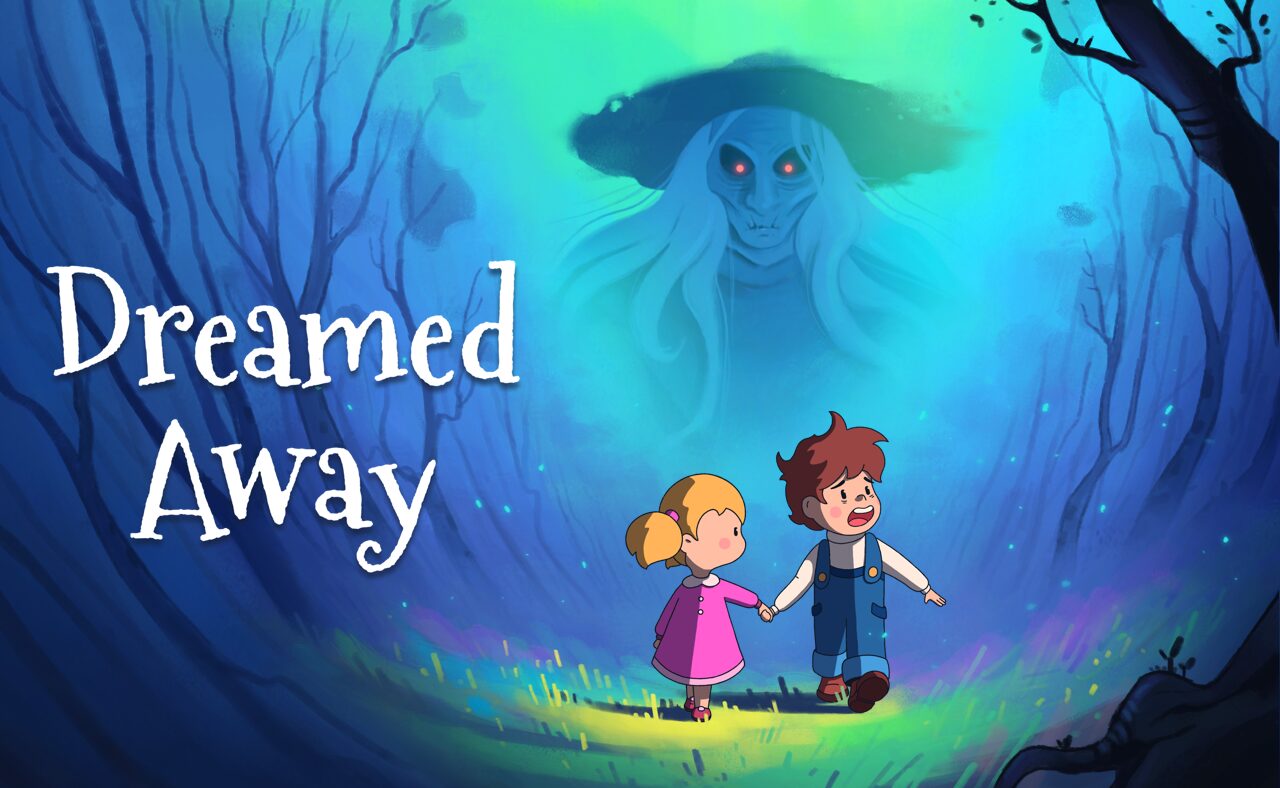
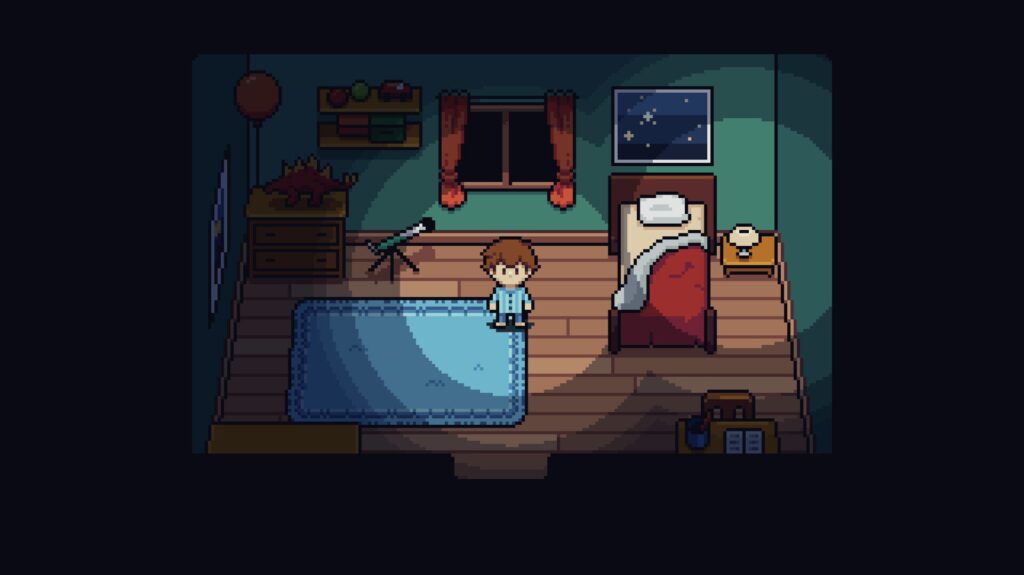
There is something special about a game that knows how to pull you in before you even understand what is happening. Dreamed Away opens with a simple but powerful premise: a rainy night, an empty house, and a boy named Théo realizing that his parents and sister are gone. That moment sets the tone for a surreal and emotional journey that blurs the line between nightmare and memory. This is not just another indie RPG with pixel art and melancholy music. It is an experience built around tension, discovery, and the constant pull of an unreachable truth.
What makes Dreamed Away immediately stand out is how its story drives every piece of the gameplay. You are not exploring for loot or completing quests. You are chasing meaning in a world that keeps shifting around you. Théo’s search for his sister Louise becomes less of a rescue mission and more of a descent into the strange, emotional spaces of loss and longing. The world feels familiar yet twisted, filled with ghostly whispers and dark catacombs that feel like physical manifestations of grief. Every step deeper feels like peeling back a layer of Théo’s mind.
The narrative pacing is deliberate, allowing the player to sit in the silence and tension between discoveries. Dialogue is minimal but meaningful, often cryptic enough to leave you questioning whether what Théo sees is real or symbolic. That ambiguity becomes part of the experience. It is not about solving a mystery. It is about understanding it, and Dreamed Away does an excellent job of making you feel both lost and driven at the same time.
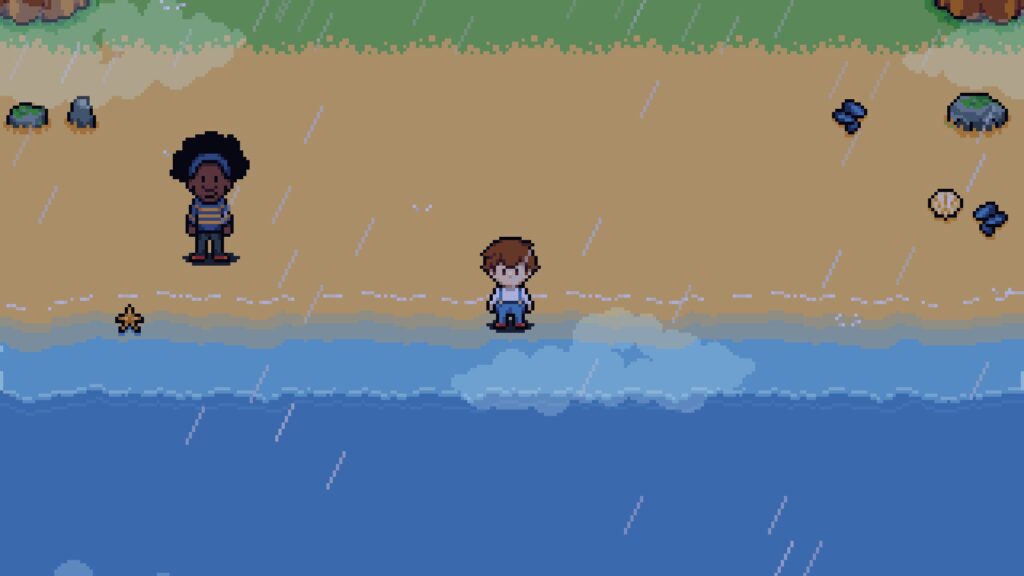
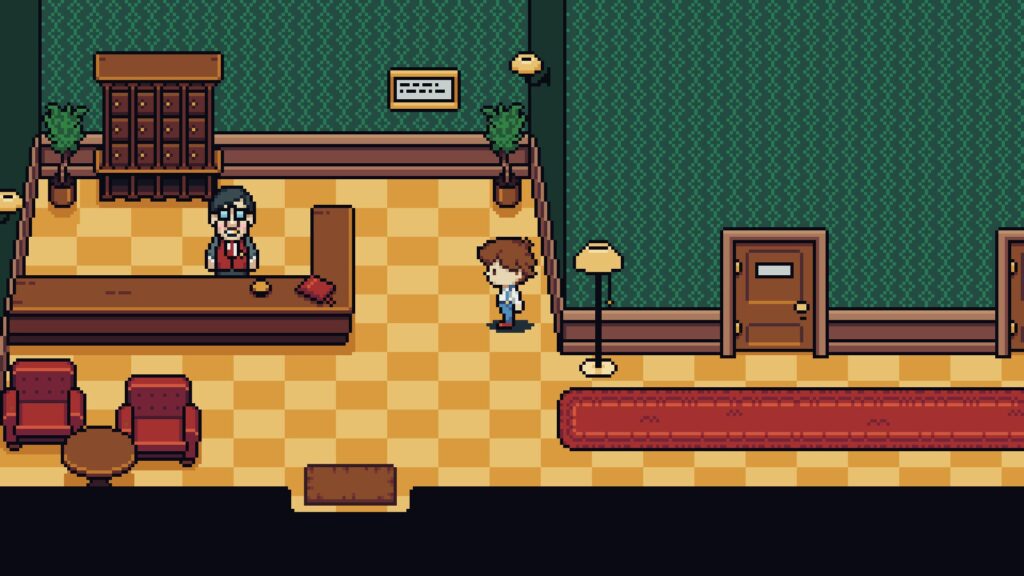
Visually, the game’s pixel art is striking in its detail and use of color. It is not flashy, but every environment tells a story. The peaceful and vibrant settings of Théo’s memories contrast sharply with the darker, oppressive tones of the catacombs and haunted spaces. The visual design is consistent and purposeful, guiding you emotionally through the tone shifts of each chapter. Every flicker of light and every shadowed corridor feels handcrafted to draw your eye and your imagination deeper.
The soundtrack by Nicolas Petton deserves serious praise. It is hauntingly beautiful, blending piano melodies with ambient tones that evolve as the story grows darker. It never overpowers the moment. Instead, it complements the uncertainty and melancholy that define Théo’s journey. It is the kind of music that lingers long after you have put the controller down, a perfect companion to the emotional weight of the story.
Where Dreamed Away really surprises is its combat. Instead of traditional turn-based systems found in most RPGs, it throws you into fast-paced, skill-based mini games that make each encounter feel personal. Enemies do not attack randomly. Each one introduces unique dodging or timing challenges that increase in complexity as you progress. It is not just about reflexes. It is about observation and rhythm. You have to read patterns, anticipate movements, and master timing if you want to survive.
No random encounters means every battle matters. You are forced to consider when and how to engage because each fight is handcrafted to teach you something new. The difficulty can spike quickly, especially when the mini games start layering mechanics on top of each other, but it is never unfair. The sense of accomplishment when you finally nail a tricky sequence feels earned in a way most RPG battles rarely achieve.
The skill system adds even more depth. Unique abilities and equipment can completely change how you approach these mini games, giving you a reason to experiment and find strategies that suit your playstyle. It is a clever design choice that rewards mastery rather than grinding. You cannot brute force your way through. You have to think and adapt, much like Théo must face his fears and adjust to the world unraveling around him.
That fusion of story and gameplay is what makes Dreamed Away special. The combat reflects the emotional state of its protagonist. Every battle feels like a confrontation with something deeply personal, a fragment of memory, a symbol of loss, or a lingering fear. When a fight ends, it is not just victory over an enemy. It is progress in understanding what is happening to Théo.
There is also a deliberate contrast between the stillness of exploration and the intensity of combat. One moment you are wandering through quiet, rain-soaked streets, and the next you are thrown into a storm of flashing lights and fast-paced reflex tests. That push and pull keeps the tension high without ever feeling disjointed.
The absence of random encounters also enhances the pacing. Instead of constant interruptions, battles feel meaningful, almost narrative in their placement. You can explore freely, taking in the haunting scenery and subtle environmental storytelling without being punished for curiosity. It is a refreshing approach that makes every discovery and every confrontation feel earned.
Despite its strong direction, Dreamed Away is not perfect. The learning curve for some of the later combat mini games can be steep, and players who prefer traditional RPG pacing might find the rhythm demanding. The story’s abstract nature can also leave some moments feeling unresolved or confusing, especially if you crave clear answers. But even when it is opaque, the game maintains emotional clarity, never losing its sense of purpose or atmosphere.
What truly sells Dreamed Away is its cohesion. Every system, every visual cue, every sound is in service of its narrative. It is rare to see a game so focused on delivering its story through mechanics instead of separating the two. You feel Théo’s fear and determination not just through cutscenes but through your own struggles to keep up with the escalating challenges before you.
By the time the credits roll, you may still have questions, but you will also have a deep sense of connection to Théo’s journey. It is an introspective experience that stays with you, not because it gives easy answers but because it makes you live through its questions.
Dreamed Away is haunting, heartfelt, and boldly different. Its storytelling feels personal and its gameplay inventive. It is a game that understands the power of emotion and the value of restraint, letting mystery and skill weave together into something special.