
Summary
Tales of Xillia Remastered shines as a richly told story of conviction, coexistence, sacrifice, and hope. It is an essential play for fans of the genre and a powerful celebration of the values that define the entire Tales series. The journey through Rieze Maxia feels just as magical today as it did more than a decade ago, and this remaster ensures that its legacy will continue for many years to come.
Developer – DokiDoki Grooveworks Inc.
Publisher – Bandai Namco Entertainment
Platforms – PS5, Xbox Series S|X, Nintendo Switch,PC (Reviewed)
Review copy given by Publisher
The Tales series has been part of my life for as long as I can remember, but it was Tales of Symphonia on the GameCube that truly changed everything for me. Symphonia was not just another turn based fantasy adventure. It was an emotional, sweeping journey that showed me what the genre could really achieve. As a kid sitting in front of that small square shaped console, hearing that opening theme and watching Lloyd and Colette take their first steps on the path to regeneration, it felt like magic. Symphonia was the GameCube role playing game to play, and nothing will ever replicate that first taste of the series. Not the remaster. Not the rerelease. Nothing. It remains a landmark moment in my history with games and a reminder that the right story at the right time can stay with you for decades.
Because of that history, every new Tales entry has always carried a personal weight. I want that same excitement. I want that same sense of discovery. I want a tale that respects the past while creating something bold and new. Tales of Xillia originally stepped into that space on PlayStation 3 during an era when the series was trying to find its footing between traditional storytelling and modern action focused sensibilities. Now, with Tales of Xillia Remastered arriving on Steam, the series finally gives this beloved title the modern treatment it deserves. What surprised me most during this revisit is how well this game holds up, how much it still stands proudly on its own, and how effectively the remastered version highlights the strengths of the original without diminishing what made the PlayStation 3 release special.
Comparisons between the PlayStation 3 version and the Steam remaster reveal a very clear trend. The Steam version improves almost every aspect of presentation, stability, and playability. Textures look cleaner. Lighting feels more natural. Colors carry more depth. Combat runs smoother than ever. And with modern features included by default such as auto save functionality, encounter toggling, early access to shops, and bundled downloadable extras, this remaster instantly becomes the best way to experience Xillia from a pure quality based viewpoint. Yet none of that makes the original hardware experience any less valuable. Role playing games have an almost romantic bond with their first platforms. There is something about experiencing a game on its original console, in its era, with its intended technology that creates a special atmosphere. Just as Symphonia felt right on GameCube, Xillia felt right at home on PlayStation 3, and no amount of technical polish can take that away.
Before diving fully into the remaster, it is worth stepping back to appreciate the scope of the Tales series itself. Known as the Tales of series in Japan, this franchise sits in the upper tier of Japanese role playing history. It began in the mid nineties with Tales of Phantasia and grew steadily into an iconic collection of stories about high fantasy ideals, moral conflicts, and human convictions. The series is unique because each main entry stands alone with its own world and cast, yet every title shares familiar systems, themes, and philosophies. As of twenty twenty four, over thirty million copies have been shipped worldwide, with Japan holding the franchise in the same regard as giants like Dragon Quest and Final Fantasy.
The series has traditionally categorized its games into two classes. Mothership titles represent the mainline entries and Escort titles serve as assorted side stories. Later, this structure shifted toward Original titles and Crossover titles, which helped clarify how sequels and spin offs fit into the larger tapestry. But every major release, no matter the label, carries what is known as a Characteristic Genre Name a short phrase that encapsulates the thematic core of the game. Tales of Xillia carries the name Role Playing Game of Unwavering Convictions. It is a fitting theme for a story about faith, trust, coexistence, and choices that shape entire worlds.
Tales of Xillia begins in the land of Rieze Maxia, a domain created by the ancient spirit Maxwell. Long ago, humans developed a technology known as spyrix that draws its energy by absorbing spirits. Fearing the destruction of the natural world, Maxwell gathered humans who still maintained a symbiotic relationship with spirits and placed them on an isolated land protected by a massive barrier. This land became Rieze Maxia and the outside world became known as Elympios. Maxwell vowed to maintain this barrier until humanity in Elympios ceased using spyrix entirely.
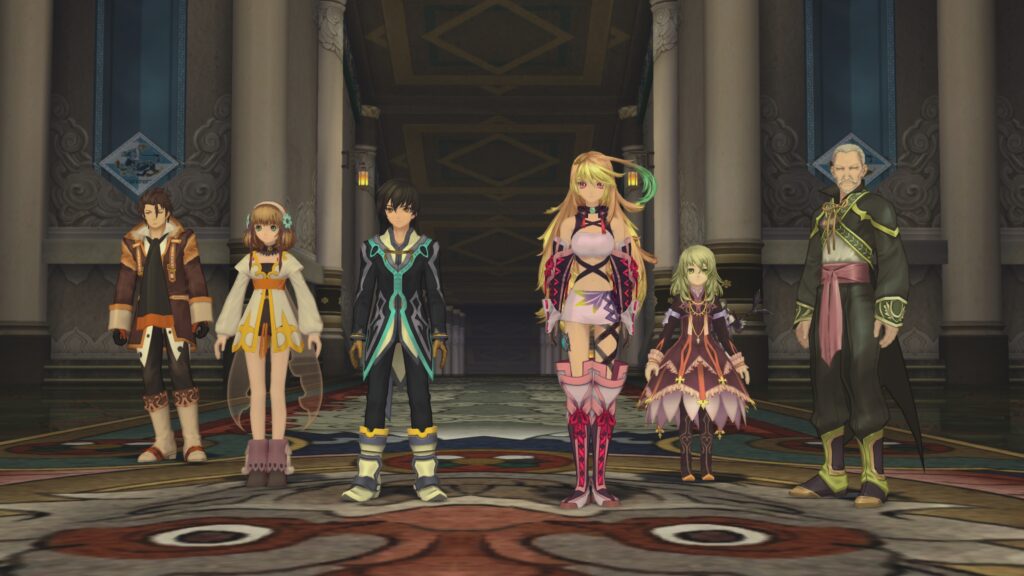
This setup is one of the most intriguing conflicts in the entire series. It raises immediate questions about morality, survival, and whether an entire world deserves to collapse because its technological progress has created harmful consequences. It also creates a layered political atmosphere within Rieze Maxia itself, which is divided into two nations, Rashugal and Auj Oule. Although peace is publicly projected, both nations secretly conduct military operations in an attempt to unify the land under their own rule.
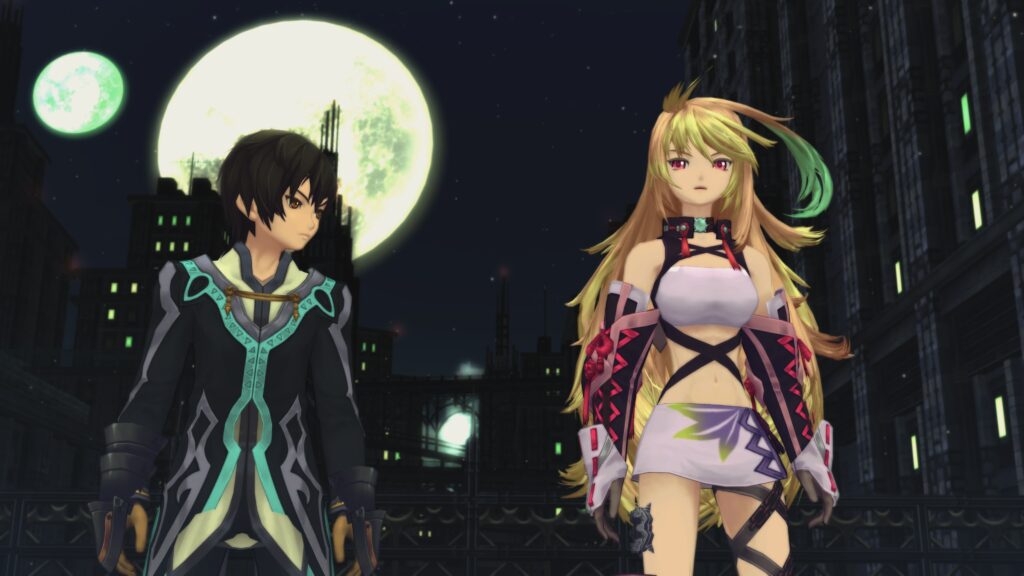
The events of the story begin with Jude Mathis, a medical student from the capital city. While searching for his missing professor, Jude stumbles into a hidden military facility. There, he encounters the spyrix powered weapon known as the Lance of Kresnik. This device absorbs any living being it touches, including Jude’s professor. After the military attempts to use Jude as the next test subject, he is saved by a mysterious woman named Milla Maxwell, the human incarnation of Maxwell himself.
This moment sets the tone for the rest of the journey. Milla is accompanied by four powerful elemental spirits, and when the Lance absorbs them, the balance of the world immediately begins to shift. Jude and Milla escape the facility and begin an expedition to confront the corrupt king responsible for commissioning the Lance. Along the way, they are joined by several memorable companions including Alvin the wandering mercenary, Elize Lutus the reserved and gifted young girl, Rowen J Illbert the wise strategist, and Leia Rolando Jude’s energetic childhood friend.
The group soon learns about Exodus, a terrorist organization formed by Elympions who were stranded in Rieze Maxia decades earlier. Exodus seeks a way to destroy the barrier so their homeland may survive. The moral complexity of this conflict drives some of the strongest narrative beats in the series. Rieze Maxia sees Elympios as a danger, yet Elympios sees Rieze Maxia and its dependence on spirits as a reminder that their own world may be doomed. The clash between survival and coexistence forms the heart of the tale.
Eventually, Jude and Milla confront and defeat the Rashugal king, but the victory is short lived. Exodus obtains the Lance, disables the barrier, and temporarily allows Elympios forces to invade. Auj Oule’s king, Gaius, steps in to protect his land and joins the battle against Exodus. During the conflict, Milla sacrifices her life, resulting in a powerful emotional blow that shapes Jude’s development for the rest of the story.
In the aftermath of her loss, Jude and the others seek out Maxwell directly in hopes of convincing him to dispel the barrier so both worlds can survive together. Milla eventually returns, not as a human but as a reborn spirit. This transformation speaks directly to the central theme of unwavering conviction, as Milla must redefine her identity and purpose while still embracing her responsibility as Maxwell.
Gaius, meanwhile, aligns himself with the spirit Muzet in an attempt to maintain the barrier until all spyrix technology is destroyed. His intentions reflect a harsh but understandable philosophy. He believes short term sacrifice will prevent long term devastation. Maxwell is sealed within the Lance, and Jude’s party is transported to Elympios where they witness firsthand the human cost of the spyrix dependency.
The people of Elympios are not villains. They are desperate. Their entire world is built on a form of technology that harms spirits, yet abandoning it overnight is essentially impossible. The introduction of spyrite, a new energy source that does not harm spirits, becomes the final hope for survival. Jude, Milla, and the others return to confront Gaius and Muzet, arguing that coexistence is possible and that neither world must fall.
The climax is one of the strongest in any Tales game. The confrontation between conviction based ideals, survival based motivations, and faith based responsibilities gives the ending an emotionally charged atmosphere that lingers long after the credits roll. Maxwell ultimately dispels the barrier, allowing both worlds to finally move forward. Spyrites will eventually replace spyrixes, giving both worlds a future rooted in cooperation.
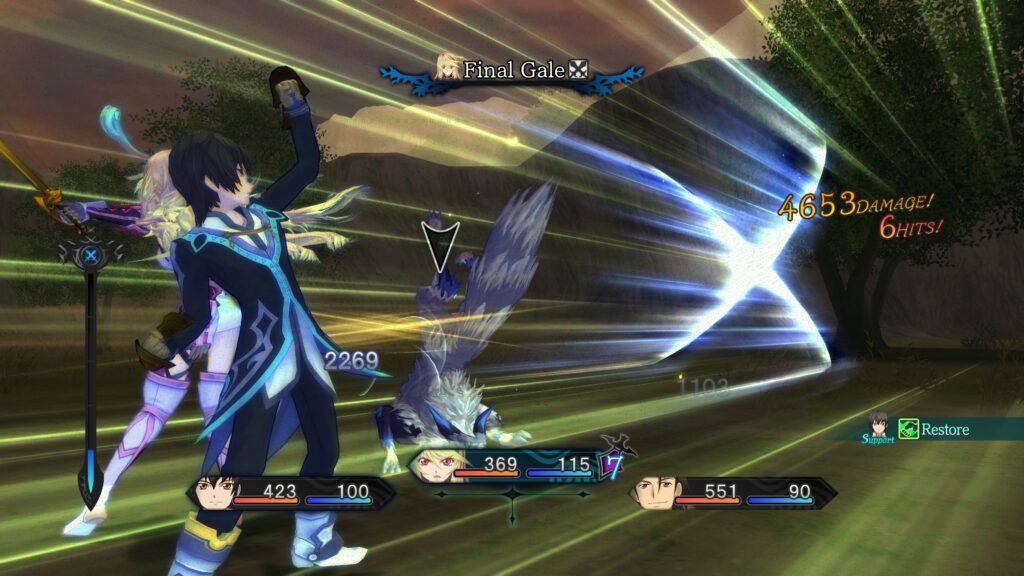
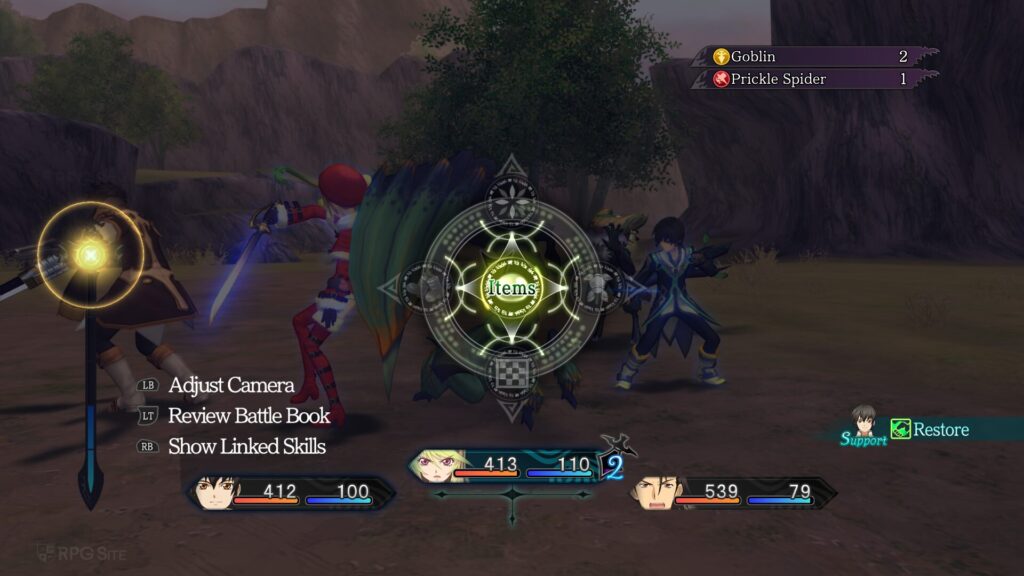
Outside the story itself, Tales of Xillia is known for introducing major gameplay improvements for the series. The field map and battle screen remain familiar territory for longtime fans. Skits return in full force, providing lively character interactions that flesh out personalities and deepen relationships. The Dual Raid Linear Motion Battle System elevates combat to an exciting new level. Real time battles allow players to move, attack, dash, and unleash artes with fluid precision. The system of linking characters adds a compelling strategic layer. It is always satisfying to pair two allies together and activate unique support abilities or unleash linked artes that tear through enemies with cinematic flair.
The Lilium Orb system offers a flexible progression grid that encourages players to shape each character’s attributes and skills. With each level gained, growth points allow access to new artes or stat increases. It is an intuitive system that balances structure with creative freedom. It also reinforces the visual identity of each character, keeping them distinct while allowing for personal customization.
Battles move at a fast pace, and entering Over Limit mode remains an incredible highlight. Unlimited assault actions, instant linked artes, and immunity to stagger combine into a rush of energy that captures the spirit of the Tales combat design. Xillia walks a careful line between accessibility and depth. Newcomers can enjoy simple controls while veterans will find advanced techniques to master.
The Steam remaster enhances this experience significantly. Combat flows more smoothly thanks to improved performance. Visual clarity helps players better read attack animations and environmental cues. Character animations feel more consistent and the improved frame rate heightens the impact of every linked arte chain. This is the most polished version of the combat system to date.
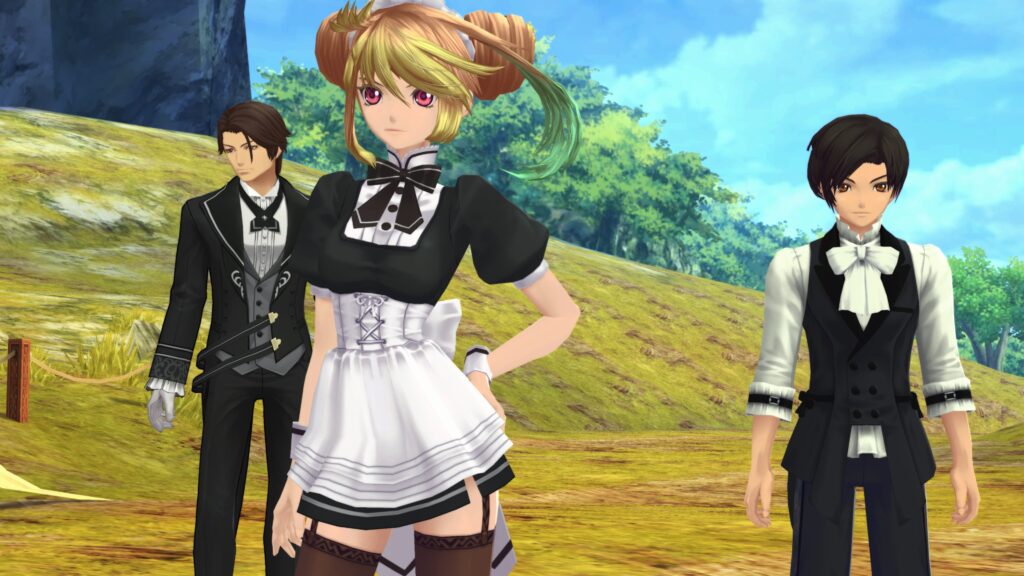
The remaster also includes new quality updates that modernize the game in thoughtful ways. The addition of auto saving eliminates the mild stress of long sessions between save points. Encounter toggling gives players control over grinding without forcing constant battles. Early shop access reduces early game friction, allowing players to focus on exploration and story. Bundled extras add fun customization options that were once tied to the original downloadable content.
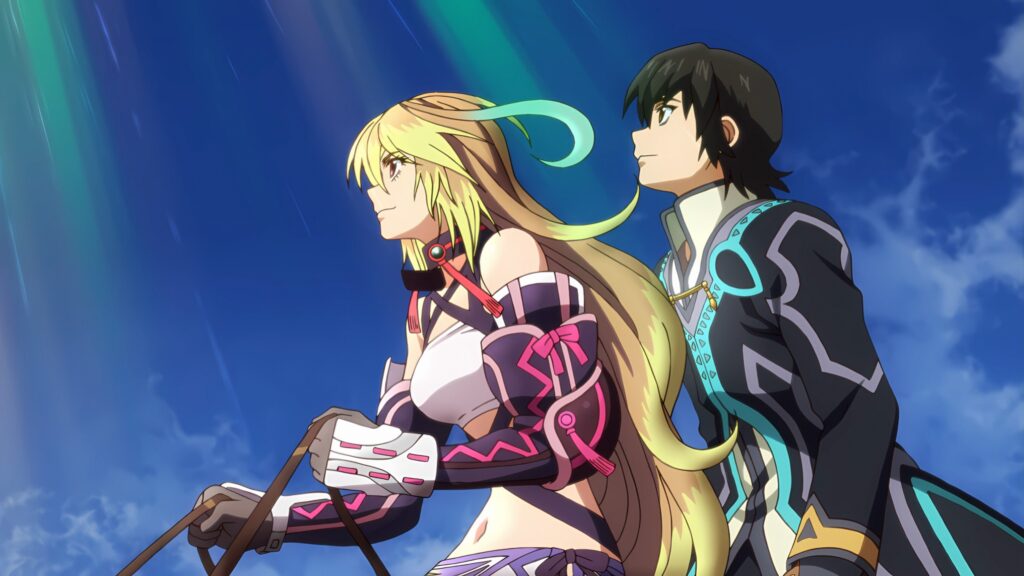
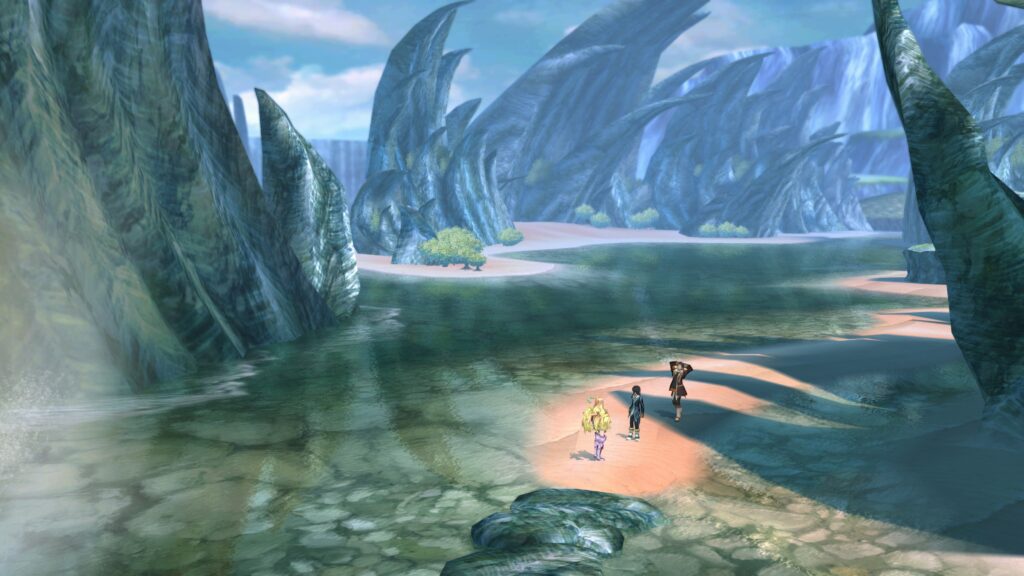
Visually, the remaster breathes new energy into Rieze Maxia. Towns feel warmer and richer in color. Forests glow with new vibrancy. Character models look cleaner, and the trademark anime inspired cutscenes appear sharper than ever. The art direction shines in this remastered format, bringing out details that were easy to miss on the older hardware.
Audio remains faithful to the original. Voices preserve the emotional quality of the performances and the soundtrack continues to be a standout aspect of the series. The orchestral and synthetic blends complement everything from heartfelt moments to intense battles. Fans of the original score will appreciate how well these audio assets have been preserved.
But even with all improvements, the remaster does not replace the significance of the PlayStation 3 release. There is a sentimental value in experiencing a Tales game on its original platform. Just as Symphonia felt perfect on GameCube, Xillia felt perfect on PlayStation 3. The textures may have been rougher and the frame rate less stable, but the core experience was vibrant and unforgettable. The remaster elevates the game, but the original still carries its timeless charm.
Returning to the characters, this story would not work without the compelling relationships built throughout the adventure. Jude evolves from a shy student into a confident leader driven by empathy and reason. Milla undergoes an extraordinary transformation from a spirit in human form to a true protector who learns what it means to experience loss and rebirth. Alvin’s conflicted loyalties create some of the best tension in the party. Elize’s growth from fear to trust is heartwarming. Rowen’s experience ties the entire narrative to the political backdrop. Leia’s enthusiasm balances the darker themes with genuine charm.
The skits further develop these interactions, providing humor, vulnerability, and emotional bonding that deepen the significance of every major moment. The Tales series has always excelled in skit design and Xillia is no exception. The remaster presents these skits clearly and crisply, allowing players to enjoy them with polished visuals and stable performance.
Exploration across Rieze Maxia remains engaging. The world design blends natural landscapes with fantastical structures. Towns bustle with culture. Wild regions provide variety in enemy types and visual identity. Side quests enrich the world and encourage additional player engagement. The Steam version benefits from faster load times, making backtracking and questing far more enjoyable.
One of the most impressive aspects of Xillia is how it handles its central themes. Conviction is not simply a catchphrase. It is a philosophy that drives every major character. Some believe they must sacrifice others to save their world. Others believe understanding and cooperation will create a path forward. These conflicting beliefs collide in ways that feel both intimate and globally significant.
As a remaster, the Steam version honors these themes faithfully. Nothing is altered that would weaken the original vision. Instead, everything is enhanced so the emotional weight of the story feels even more impactful with modern polish. Fans returning after many years will likely find new appreciation for the writing and character growth.
The legacy of Tales of Xillia is also worth noting. It inspired a direct sequel. It influenced later entries in the series. It represented a turning point for the franchise as it moved toward more cinematic storytelling and real time action. With this remaster, new players can experience this pivotal chapter and understand why it holds such a beloved place in the series history.
Despite the series evolving with newer entries like Berseria and Arise, Xillia remains a crucial piece of the Tales identity. It balances tradition with innovation. It respects the classic ideals of the series while introducing bold new mechanics. And it tells a story that remains relevant today especially in a world where conflict between nations, resources, and beliefs continues to shape our real lives.
Tales of Xillia Remastered also serves as an invitation for new players to explore the entire Tales catalog. From the early adventures of Phantasia to the revolutionary impact of Symphonia to the darker emotional tones of Berseria, every entry brings something meaningful. Xillia sits proudly among these titles, offering a complete and satisfying experience that blends heart, action, and imagination.
As someone who began this journey with Symphonia on the GameCube, I find Xillia Remastered to be a reminder of why I fell in love with the series. It contains the spirit of adventure. It contains the sense of wonder. It contains the kind of storytelling that does not shy away from complex emotions. And while it does not surpass the personal importance of Symphonia for me, nothing ever could, it still stands as one of the strongest Tales adventures ever created.
In conclusion, Tales of Xillia Remastered is a fantastic return to one of the most memorable entries in the franchise. It elevates the original in meaningful ways while preserving the charm and heart that made it special. The improved visuals, smoother combat, modern quality upgrades, and fully included extras make this the definitive way to experience Milla and Jude’s journey. Yet the original PlayStation 3 release retains its irreplaceable legacy because role playing games often feel best on their native hardware, just as Symphonia remains forever tied to the GameCube in my heart.
Tales of Xillia Remastered shines as a richly told story of conviction, coexistence, sacrifice, and hope. It is an essential play for fans of the genre and a powerful celebration of the values that define the entire Tales series. The journey through Rieze Maxia feels just as magical today as it did more than a decade ago, and this remaster ensures that its legacy will continue for many years to come.