Summary
Romancing SaGa: Minstrel Song offers a uniquely free-form RPG experience built around exploration, choice, and emergent storytelling. While its systems can feel harsh and unclear at first, those who commit to learning them will find a rewarding and highly replayable adventure. With its non-linear progression, open quest structure, and flexible party building, Romancing SaGa: Minstrel Song stands as one of the most distinctive JRPGs ever made. It challenges traditional RPG expectations and rewards players who embrace discovery and experimentation, making it a standout title for genre veterans.
Developer – Red Art Games
Publisher – SQUARE ENIX
Platforms – PS4/PS5, Nintendo Switch(Reviewed)
Review copy given by Publisher
Romancing SaGa: Minstrel Song is a remake of a 1992 classic PS1 title. With this new re-release of the remastered version, you can experience the game in different languages. After a brief tutorial where everyone I know and love dies horribly, you start by picking up an ally in a tavern. Minstrel Song – Remastered International comes with updated visuals, quality-of-life improvements, and a wider European language selection.
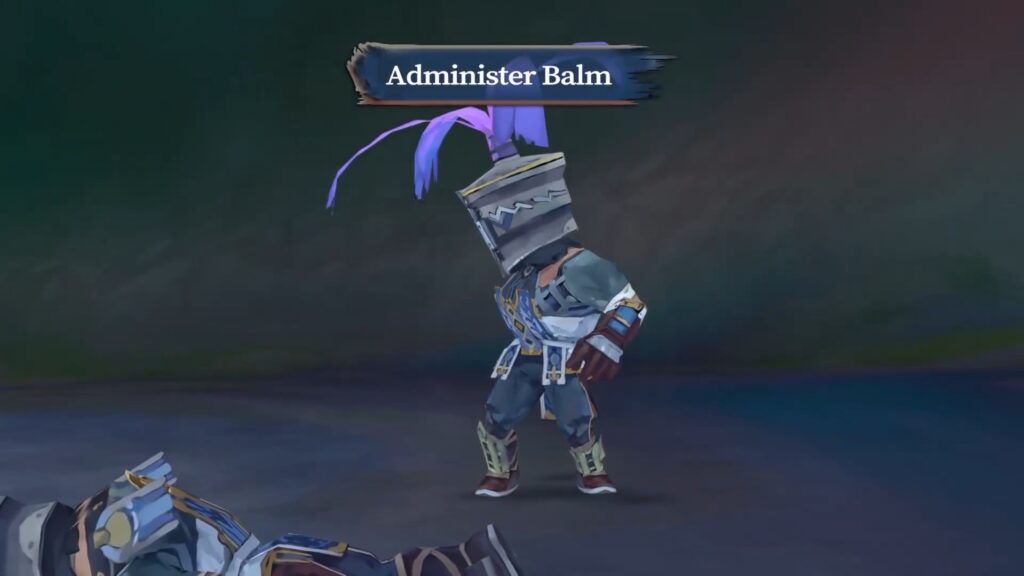
I feel that this isn’t the kind of RPG that walks you gently into its world. The game initiates by choosing one of eight protagonists, each with a completely different starting point. One protagonist placed me in a snowy northern village, and that was hilarious. The version lacks cinematic introductions or pages of lore. However, you get guidance from an NPC in the first hub. You’ll start recruiting party members from local taverns or by talking to characters.
It’s a significant release for a franchise that’s iconic in Japan, but still something of a hidden gem in the West. Set in the world of Mardias, the story lays out an ancient conflict between the gods where the evil deity Sorain was once sealed away using sacred fate stones and a sacrifice of the hero Mercer. A thousand years later, the fate stones are scattered, dark forces are stirring, and eight protagonists set off on journeys that may eventually shape the fate of the world.
It’s a grand setup, but as with most saga games, the story you get depends heavily on how you choose to play. This is where Minstrel Song’s trademark free scenario system comes into play. From the very start, you pick one of eight heroes, each with their own backstory, starting point, and introductory quests. These prologues can last anywhere from a few minutes to an hour. Once they wrap, the real structure of the game reveals itself.
I think that the game leans into polished low-poly designs, but has Final Fantasy Crystal Chronicles style energy with refined character models. One thing I personally feel is that the game demands patience, experimentation, and a willingness. The quality of life changes in this version of the game are greatly appreciated. The turbo mode makes the fight and exploration more challenging.
Exploration, side quests, and lots of freedom. The main narrative, however, barely asserts itself until the near end. Those expecting a traditional JRPG arc may find the pacing a bit disorienting. This twisting part here is that no two players will ever have the same experience. Starting the game alongside a friend means you’ll both very likely end up with entirely different quests, companions, stories, and outcomes. In that sense, it’s one of the most uniquely replayable RPGs ever made.
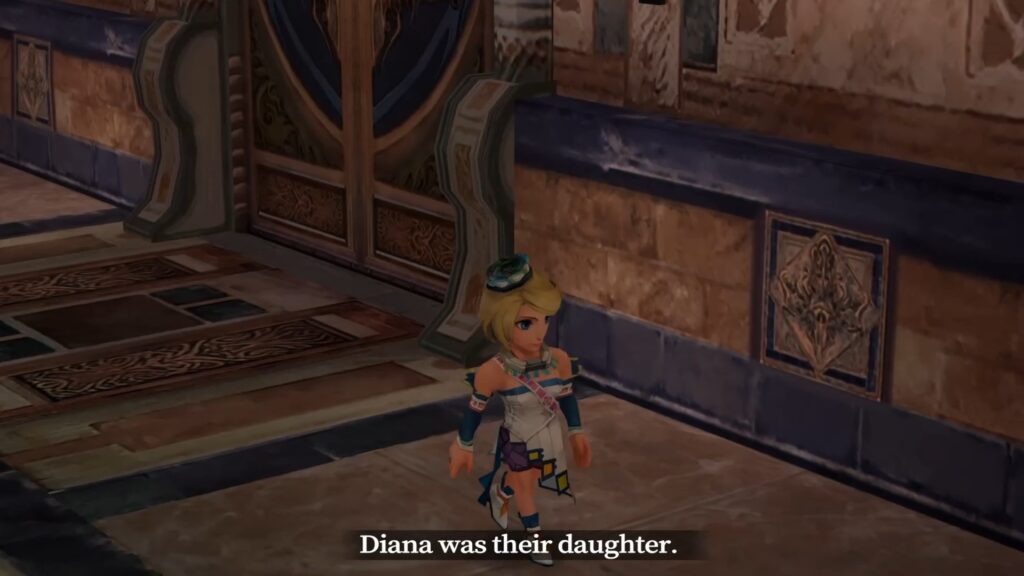
With the true ending requiring eight playthroughs, one for each protagonist, this remaster certainly provides value for those who fall in love with its structure. Marina, Flammar, Monica, and Schiele are the four new characters that can join your team. Aldora is included in the second set of events. Combat remains one of the strongest aspects of Minstrel Song.
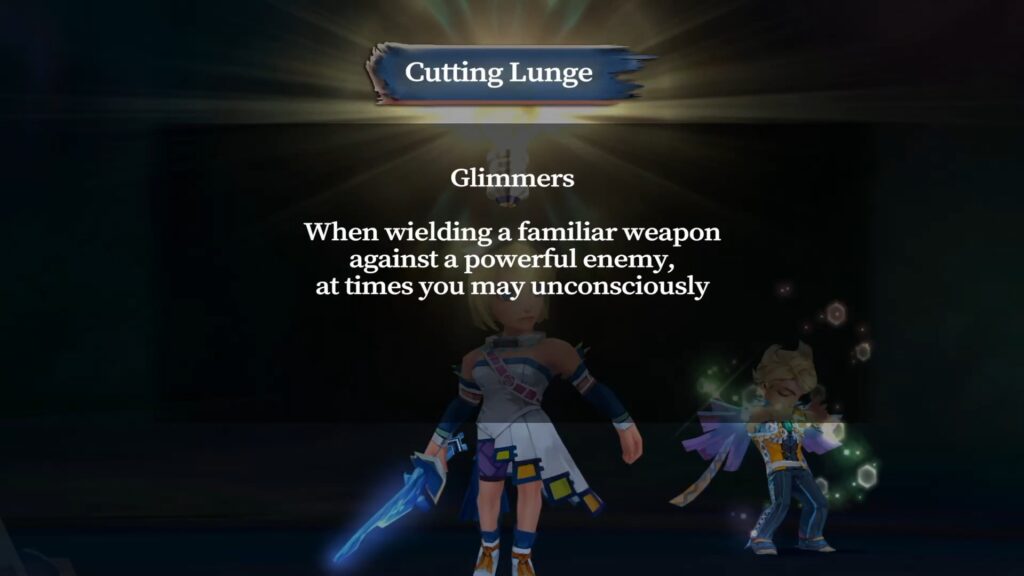
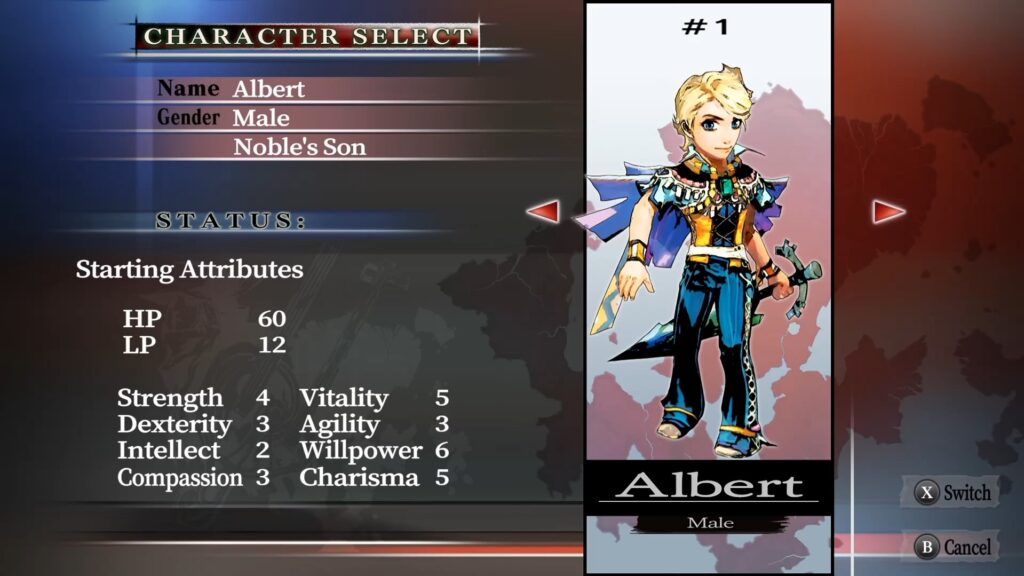
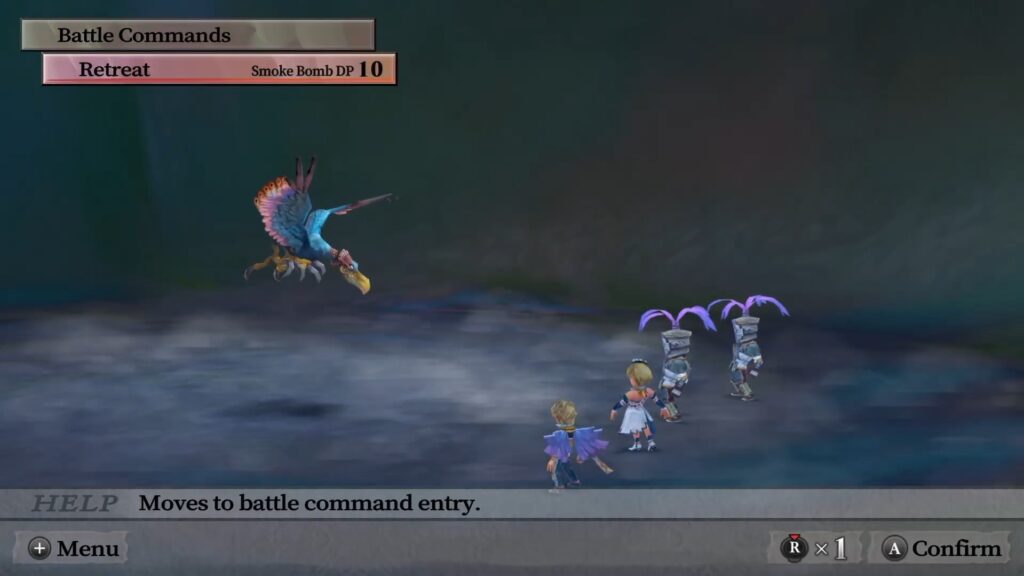
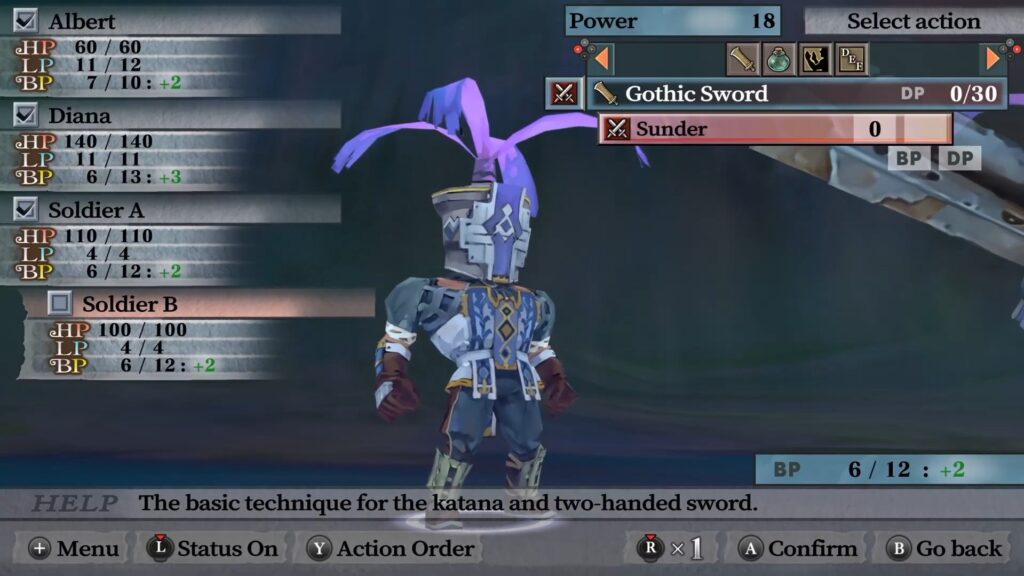
Each character has their own stats like Strength, Dexterity, Intellect, Compassion, Vitality, Agility, Willpower, and Charisma. Keep monitoring your HP and LP, as they deplete quickly. It’s classic turn-based JRPG combat that admittedly feels a bit dated today. I think this introduces enough unique mechanics to stay engaging throughout the long playthroughs. The glimmer system allows new abilities to trigger mid-battle. Combos can chain together to unleash powerful multi-character attacks, and BP management adds a strategic twist.
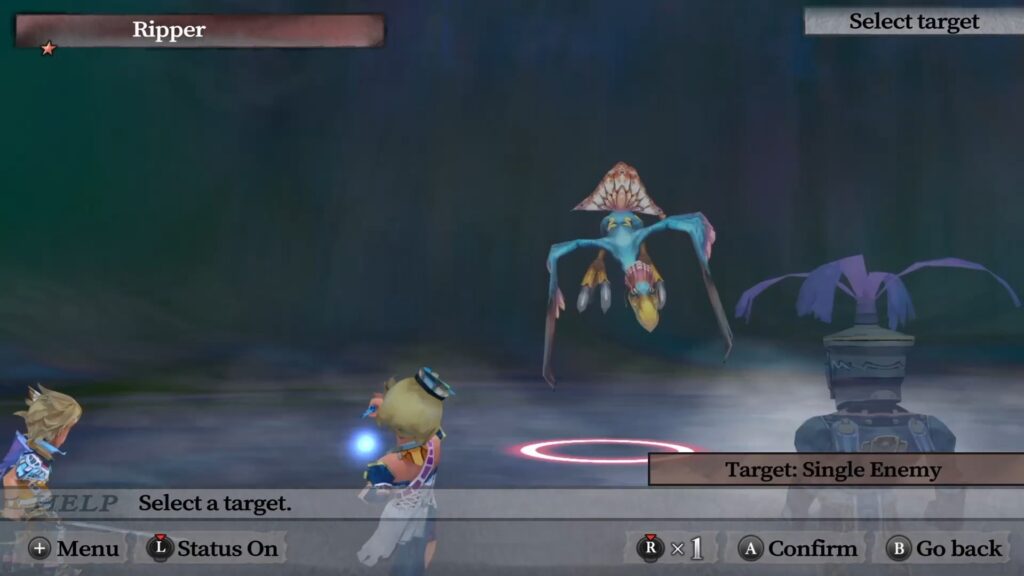
It’s worth mentioning that the weapons can break, but Ins and blacksmiths mostly reduce this system from a frustration to a mild consideration. It’s not groundbreaking compared to modern RPG combat systems, but it works, and it works consistently. One of the game’s biggest strengths is its enormous cast of recruitable characters. There are dozens of potential party members scattered across the world, including the seven protagonists you didn’t initially pick.
Only five can join your party at once, but the sheer variety encourages experimentation. Exploration plays a huge role in shaping your personal adventure areas of varying size and scope. However, some regions contain time-sensitive quests or ones that depend on earlier choices, meaning it’s impossible to complete everything in a single run.
Quests aren’t marked with glowing indicators in this remastered version. However, you can speak with the NPCs, read hints in your notes in the menu, and use your map to find out your destination. You choose all your actions first in combat. Enemies hit harder than expected, and you have HP and Life Points that quickly drop while taking the damage.
It’s a deliberate design choice meant to keep each playthrough fresh. It also means newcomers may feel overwhelmed by the lack of direction. This is a game that expects you to talk to NPCs, read between the lines, and piece together your own path. While many aspects feel updated and more approachable, the camera remains a persistent annoyance. You can’t rotate it at all. And this feels very rigid. Navigating caves, dungeons, or maze-like towns becomes unnecessarily frustrating.
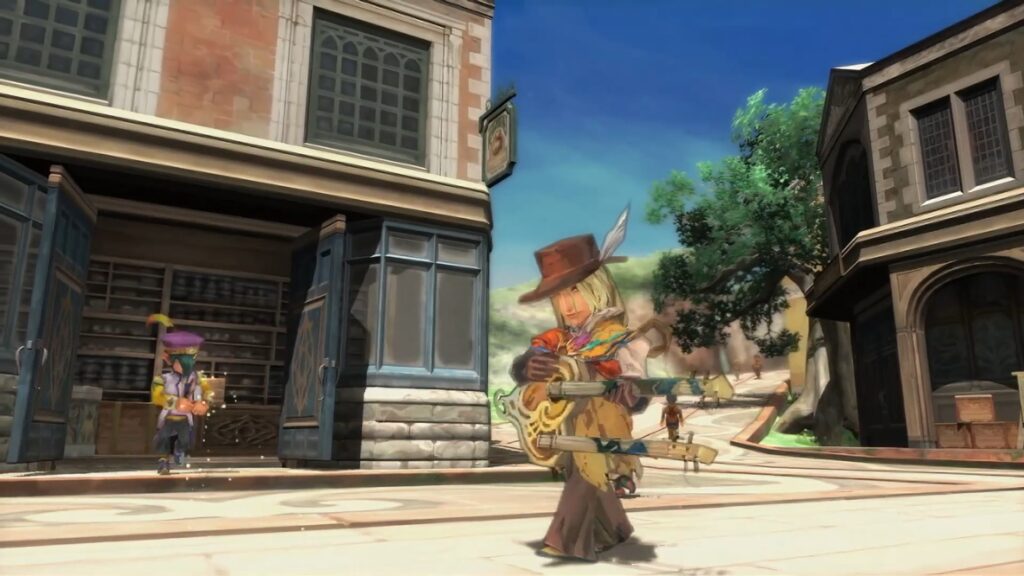
I think this is especially true when the game’s environments are fully 3D and clearly capable of supporting camera rotation. There were many times when my finger was on the right stick, just trying to move that camera. Visually, the remaster is quite striking. Character models have a cell-shaded quality that gives them a crisp, almost toylike appearance. Environments are simple but vibrant, and despite some textures and FMVs not being fully modernized. The HD upgrade breathes new life into the game. The art style remains divisive.
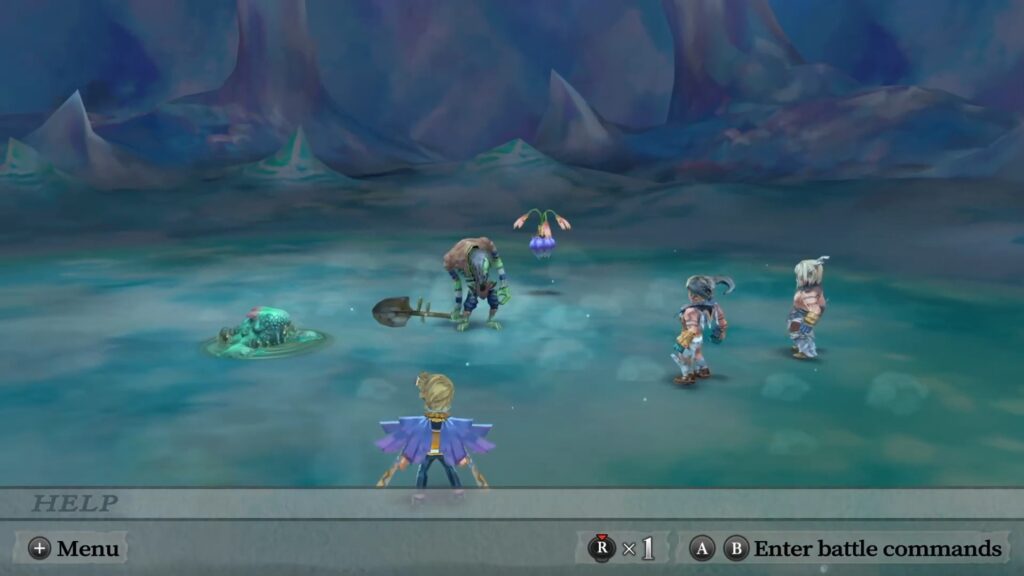
Its proportions and stylization are intentionally odd, almost like what a 16-bit sprite would look like in 3D, but it’s memorable. I really like the soundtrack because it remains exceptional. From sweeping battle themes to soft town melodies, the music carries the experience. The addition of both Japanese and English voices is appreciated. The new feature helps smooth the experience.
A high-speed mode, improved growth rate, auto saves, quick saves, mini maps, and a new game plus all significantly enhance playability. Combined with the new localization options, this really is the definitive version of Minstrel Song.