

Summary
Blood Reaver stands as a strong entry in the genre. It takes the familiar foundation of round based shooters like Call of Duty Zombies and Killing Floor, then builds on it with relics, spells, and layered progression systems that give it its own identity. It may not completely reinvent the formula, but it refines it in ways that matter, making it an easy recommendation for anyone looking to lose themselves in a brutal, fast paced fight against the forces of hell.
Developer:Hell Byte Studios
Publisher: Hell Byte Studios
Platforms – PC (Reviewed)
Review copy given by Developer

Blood Reaver wastes very little time showing you exactly what it wants to be. From the first wave, it is clear this is a game cut from the same cloth as Call of Duty Zombies and Killing Floor, but with a dark fantasy identity that leans heavily into magic, cursed warriors, and a constant hunger for power. It is a round based shooter at its core, but it layers in spells, relics, and evolving abilities in a way that makes every run feel more dynamic than its inspirations.
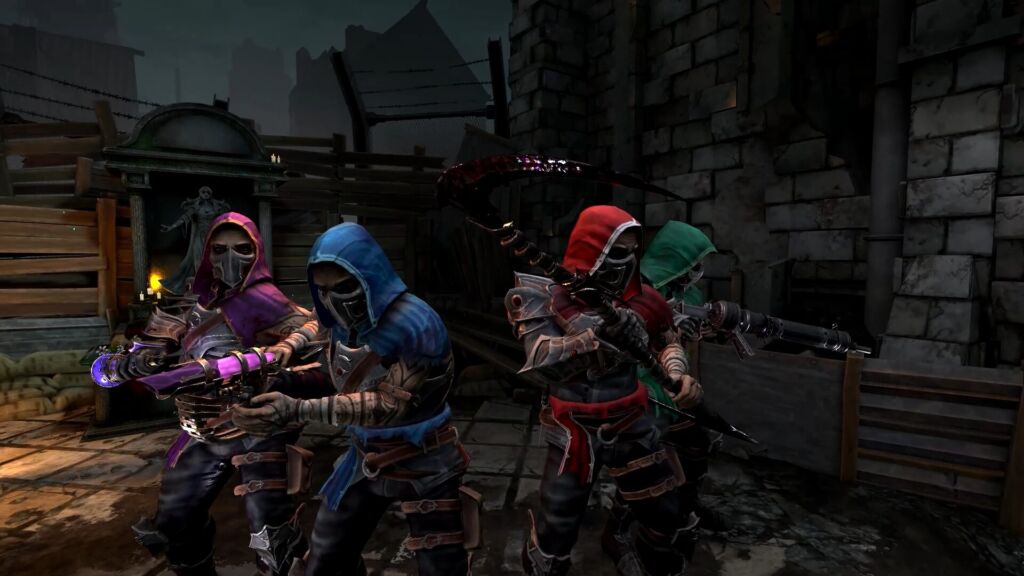
You step into the role of a Blood Reaver, one of a group of cursed warriors tasked with holding back a demonic invasion. The premise is simple enough, but the game builds on it with a steady drip of lore and environmental storytelling. There is a sense that this world has history, and even though the narrative never overwhelms the action, it is always present in the background, nudging you forward.
The story unfolds through secrets, hidden interactions, and small discoveries scattered across each map. It never slows the pace down with long cutscenes or exposition dumps. Instead, it rewards curiosity. If you want to dig deeper into the conflict between earth and hell, the tools are there. If not, you can simply focus on surviving wave after wave of increasingly aggressive enemies.
Combat is where Blood Reaver shines brightest. The gunplay feels tight and responsive, with each weapon carrying a satisfying weight. There is a strong emphasis on movement, encouraging players to stay mobile and avoid being cornered. The familiar loop of kiting enemies, finding safe angles, and managing space is present, but it is elevated by the addition of abilities and spells.
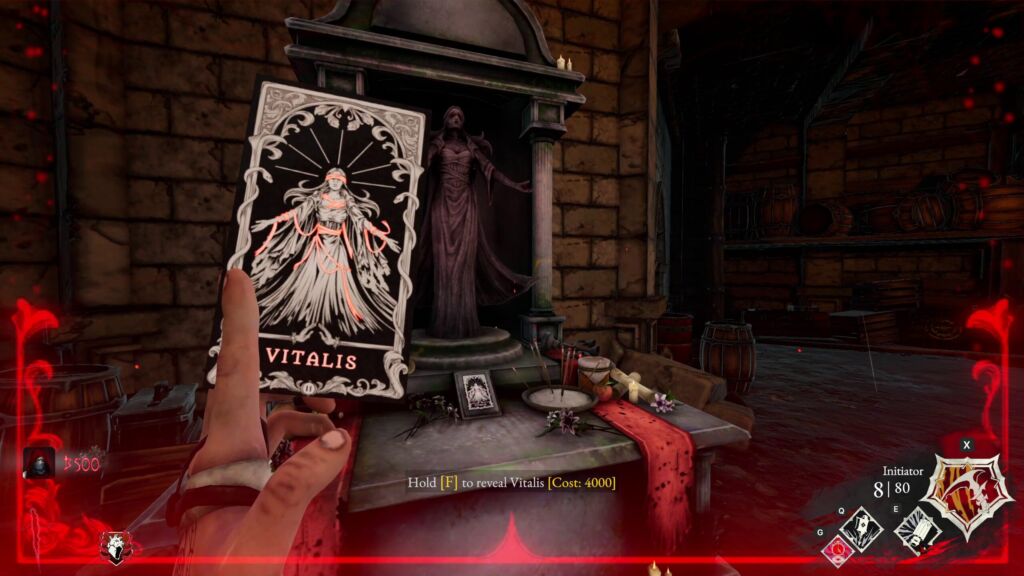
What sets Blood Reaver apart is how it blends traditional shooting with magical systems. You are not just firing bullets into hordes. You are casting spells, triggering abilities, and weaving together different effects to control the battlefield. It adds a layer of strategy that keeps things from feeling repetitive, even deep into a run.
The blood harvesting mechanic is a standout feature. As you take down enemies, you collect their blood to fuel your abilities. It creates a constant push and pull between aggression and survival. The more you fight, the stronger you become, but the greater the risk of being overwhelmed. It is a clever system that ties progression directly to performance.
Weapons follow a familiar progression path, starting basic and growing more powerful over time. The twist comes with Blood Infusions, which allow you to upgrade your arsenal with unique properties. These upgrades can drastically change how a weapon behaves, encouraging experimentation and adaptation depending on the situation.
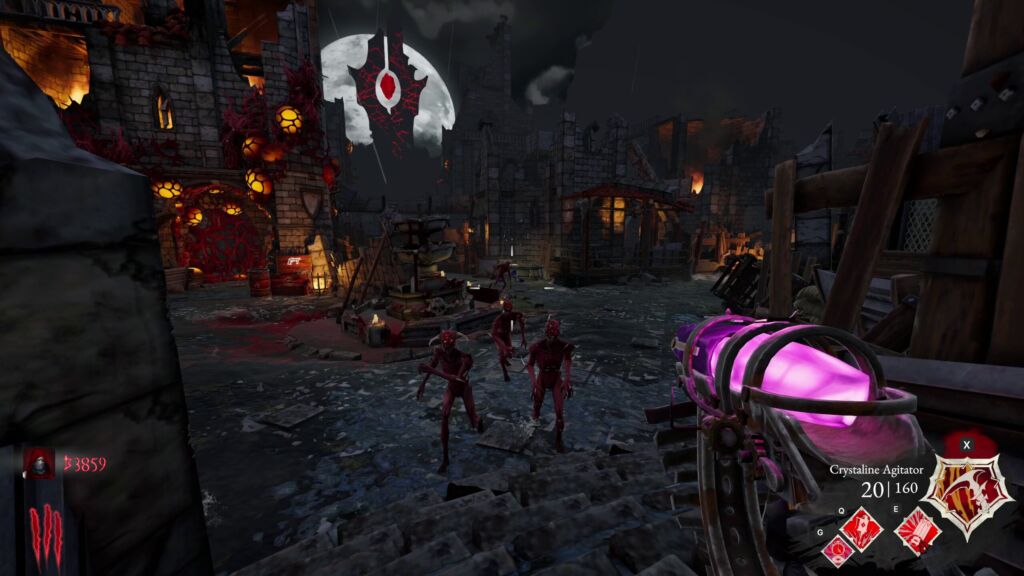
Spells and abilities are where the game truly opens up. You can mix and match different powers to create devastating combinations. Some focus on crowd control, others on raw damage, and others on utility. The ability to swap spells mid run adds flexibility, letting you adjust your strategy on the fly.
There is a satisfying sense of synergy when everything clicks. Freezing enemies in place before unleashing a high damage ability, or warping through space to escape a tight corner while setting up a counterattack, feels great. These moments are where Blood Reaver feels most distinct from other wave shooters.
The inclusion of different magical disciplines adds further depth. Blood Magic focuses on aggressive, close range play. Ethereal Arts introduces more tactical options, manipulating time and space. Then there is the Forbidden realm, which leans into riskier, more volatile powers. Each path offers a different playstyle, and mixing elements between them creates interesting builds.
In wave progression is handled through systems like the Deck of Fates. Between rounds, you draw cards that grant buffs and enhancements. This adds a roguelike element, ensuring no two runs play out exactly the same. Some cards can dramatically shift your build, forcing you to rethink your approach.
The Blood Infuser serves as another key progression tool. Offering up your weapons to be enhanced adds a layer of decision making. Do you invest in your current gear, or hold out for something better? These choices matter, especially in later waves where the difficulty ramps up significantly.
Relics add yet another layer of customization. These persistent upgrades can be carried into battle, giving you a sense of long term progression beyond individual runs. It helps maintain a feeling of growth, even when a session ends in failure.
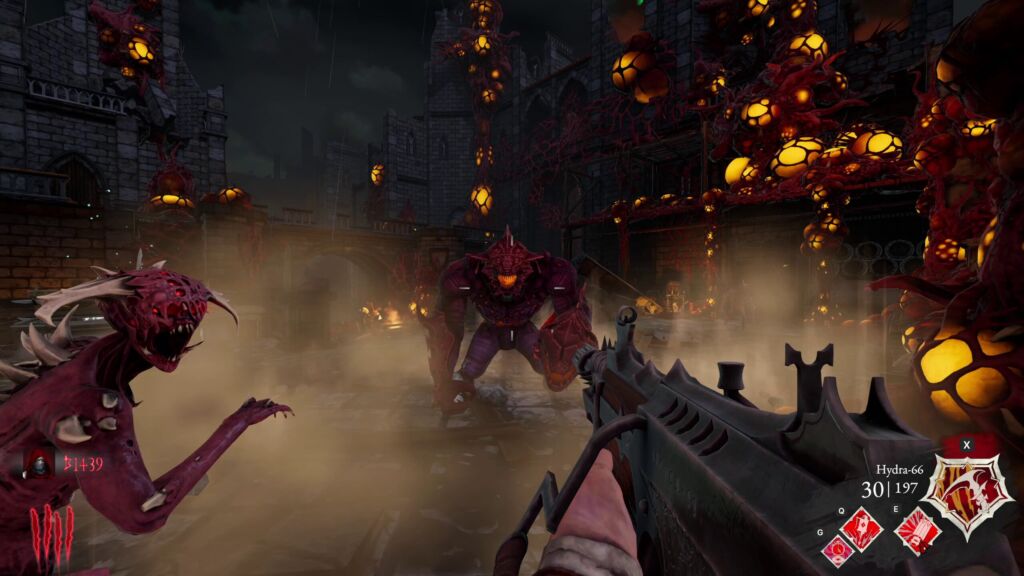
Enemy design is solid across the board. There is a good variety of demonic foes, each with their own behaviors and threats. Some rush you down, others attack from range, and some require more careful handling. As waves progress, the combinations become more dangerous, forcing you to stay alert.
Boss encounters and special enemies help break up the flow of standard waves. They introduce moments of heightened tension, where coordination and proper use of abilities become critical. These fights often serve as highlights, testing everything you have learned up to that point.
Maps are another strong point. Each location brings its own mechanics and layout challenges. Some are tight and claustrophobic, while others offer more open spaces. Learning the flow of each map, including where to kite enemies and where to hold your ground, is key to survival.
There are also secrets scattered throughout these environments. Hidden rooms, easter eggs, and lore elements encourage exploration. It adds an extra layer for players who enjoy digging deeper, without getting in the way of those who just want to focus on the action.
Co op play is where Blood Reaver truly comes alive. Playing with up to four players transforms the experience into something far more chaotic and rewarding. Coordinating abilities, sharing resources, and covering each other’s weaknesses creates a strong sense of teamwork.
Solo play is still viable, but it feels more punishing. Without teammates to rely on, every mistake carries more weight. That said, it can also be more satisfying for players who enjoy mastering systems and pushing themselves to the limit.
Accessibility is decent, though not exceptional. The core mechanics are easy to grasp, especially for anyone familiar with wave based shooters. The deeper systems take time to fully understand, but the game does a reasonable job of introducing them gradually. More robust tutorials would have helped ease new players into its more complex features.
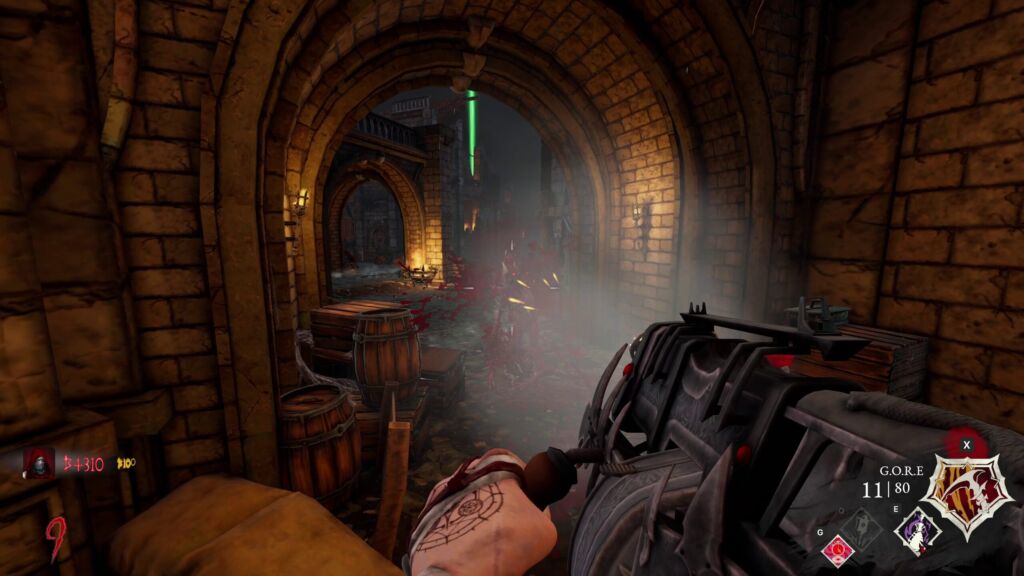
On a technical level, Blood Reaver performs well. The visuals lean into a gritty dark fantasy aesthetic, with plenty of gore and atmosphere. Effects from spells and abilities can get intense, especially in later waves, but they rarely become overwhelming or hard to read.
Audio design supports the experience nicely. Weapons sound impactful, spells have a satisfying punch, and the enemy audio cues help you stay aware of incoming threats. The soundtrack leans into a heavy, ominous tone that fits the setting perfectly.
There are moments where repetition can start to creep in, especially during longer sessions. While the systems add variety, the core loop remains the same. Those who are not already fans of this style of game may find it wearing thin over time.
Even so, the combination of shooting, magic, and progression systems does a lot to keep things engaging. It feels like a natural evolution of the wave shooter formula, rather than just a simple reskin.
By the time you finish a few runs, it becomes clear that Blood Reaver understands what makes games like this work. It delivers the satisfaction of mowing down hordes, while adding enough depth to keep players invested beyond the initial novelty.
Blood Reaver stands as a strong entry in the genre. It takes the familiar foundation of round based shooters like Call of Duty Zombies and Killing Floor, then builds on it with relics, spells, and layered progression systems that give it its own identity. It may not completely reinvent the formula, but it refines it in ways that matter, making it an easy recommendation for anyone looking to lose themselves in a brutal, fast paced fight against the forces of hell.

Will is a long-time veteran of the game review world. He is a QA Tester of not only video games, with his name in many game credits, but has also worked QA for many of our favorite tech products for multiple companies. Will can almost always be found gaming while also chatting away on Discord.
- 01NewsPoppy Playtime: Chapter 5 comes to Xbox, PS4, PS5, and Switch on May 27
- 02EditorialWhen Did Every Game Become 150GB? The Case for Smaller Installs
- 03GuidesRed Dead Redemption 2 – Exit Pursued By A Bruised Ego Walkthrough
- 04GuidesDiablo IV: Horadric Cube All Recipes
- 05NewsIs A Sonic CD Port Actually In Development?