Summary
Even with all the upgrades, these remain old school fantasy adventures at heart. Their charm comes from their simple stories, earnest characters, and classic turn based battles that helped define the genre. What the remake achieves so well is balancing that vintage appeal with modern readability and improved pacing, making both quests approachable without losing their original personality.
Taken together, Dragon Quest I and II HD 2D Remake feels like a lovingly restored treasure. It honors the history of the role playing genre while making the earliest steps of the Erdrick trilogy more enjoyable than ever for both returning fans and new adventurers.
Developer – Square Enix, ARTRDINK
Publisher – Square Enix
Platforms – Nintendo Switch/Switch 2, PS5 , Xbox Series S|X,PC (Reviewed)
Review copy given by Publisher
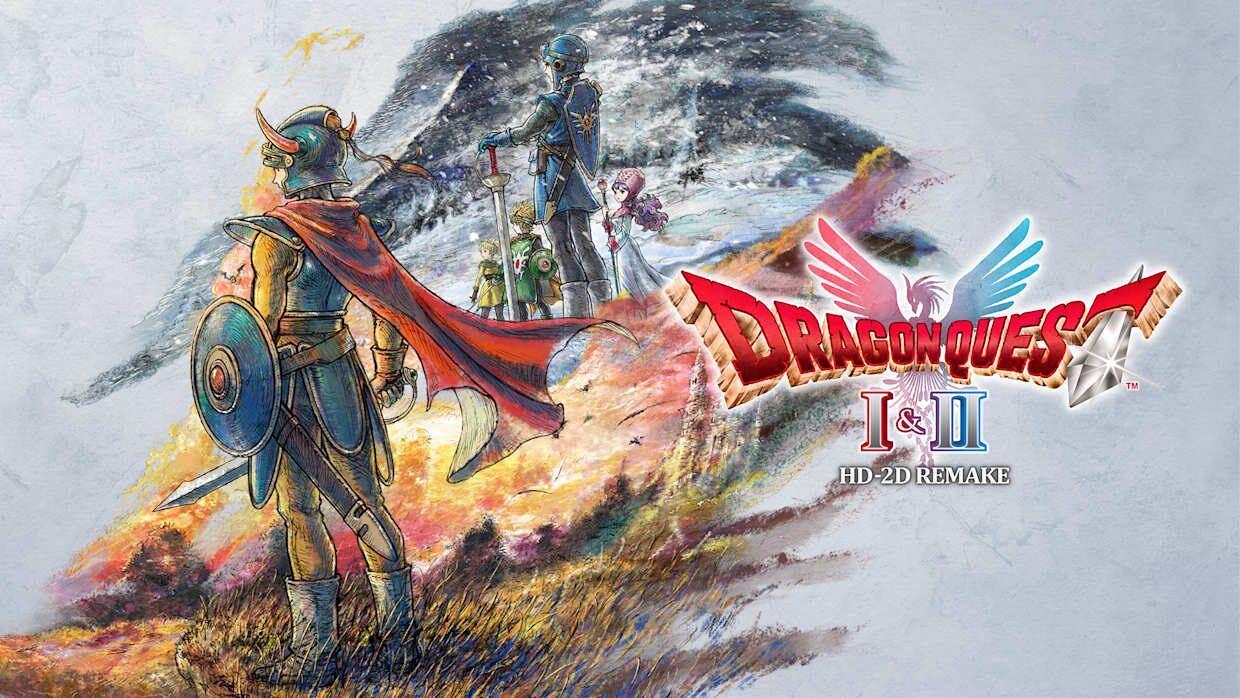
Dragon Quest I and II HD 2D Remake arrives as both a celebration of where this legendary series began and a thoughtful modernization that finally lets these two classics shine the way players always imagined. Presented together in one package, the remake blends nostalgic charm with a warm storybook look that brings every region, castle, and monster to life. What makes this release special is how faithfully it preserves the core identity of each game while elevating their worlds with richer detail and a smoother, more inviting presentation. Let’s dive deep into each game seperatly.
DRAGON QUEST I HD-2D REMAKE :
Dragon Quest I in the HD 2D Remake package feels like a quiet kind of magic. It is the very first blueprint for an entire genre brought into a modern light, and even though the adventure is simple at its core, the remake gives it a sense of presence that makes Alefgard feel alive in a way it never has before. The new art direction brings a warm glow to every forest and village, while still preserving the straightforward pacing that defined the classic game.
The story opens with a legendary bloodline. Erdrick once saved Alefgard, but the land has fallen into peril again under the shadow of the Dragonlord. You step in as a lone descendant who must restore peace. It is a familiar setup, but the remake presents it with a more cinematic charm that elevates every milestone along the journey.
The moment you step out of Tantegel Castle, the HD 2D art pulls you in. The countryside feels serene and colorful, and the lighting makes even short walks between towns feel scenic. This is a world created by the goddess Rubiss, and the remake manages to give the land a timeless look without breaking its minimalist spirit.
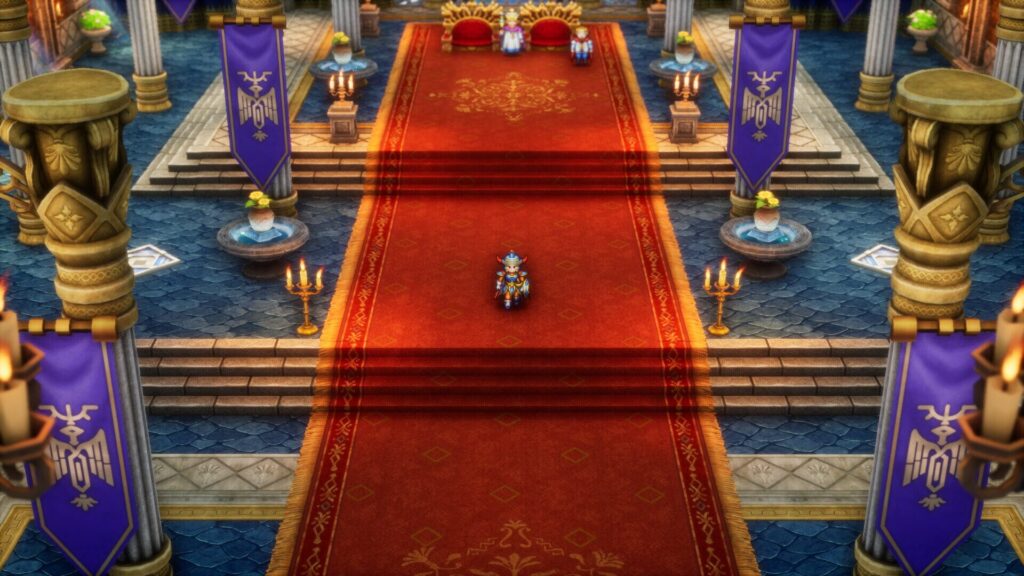
Dragon Quest I has always been a solitary adventure, and that feeling remains intact. You explore the world on your own, meet eccentric characters, and take on monsters that slowly increase in ferocity. The simple structure works surprisingly well here because the remake embraces the original pacing instead of trying to stretch it into something grander.
Combat remains fully turn based, and the new presentation gives battles more personality. Slimes wobble with charming detail, drackies flap with smooth animation, and every spell sparkles a bit more than before. There is no real complexity to the system, but the ebb and flow of leveling and planning routes is still satisfying.
One thing the remake improves greatly is travel clarity. The towns and their layouts feel easier to read in this art style. You always know where shops are or where to look for story hints, and this makes exploration feel rewarding without taking away the old school vibe.
The writing remains earnest, sometimes humorous, and surprisingly warm. Even small side characters add flavor whenever you stop to chat, and this helps build a sense of community across the land. The world is small, but every location feels like it adds something to the journey.
The quest for artifacts and key items feels smoother now because the presentation helps highlight what is important. Caves are easier to navigate, towers feel more vertical in a visual sense, and treasure glints more clearly. It never turns the game into something hand holdy, but it removes the frustration of missing essential items.
As the hero grows stronger, your sense of momentum builds. This is still a game about grinding and patience, but the remake makes that loop feel nostalgic rather than tedious. Audio cues and battle animations help keep encounters feeling brisk, and the new score arrangements give each fight more energy.
Boss encounters remain simple but effective milestones. The lead up to the Dragonlord carries an appropriate weight, and the final confrontation benefits from the stronger atmosphere the remake creates in his castle. The sense of dread as you approach him is more pronounced thanks to lighting and music that add tension.
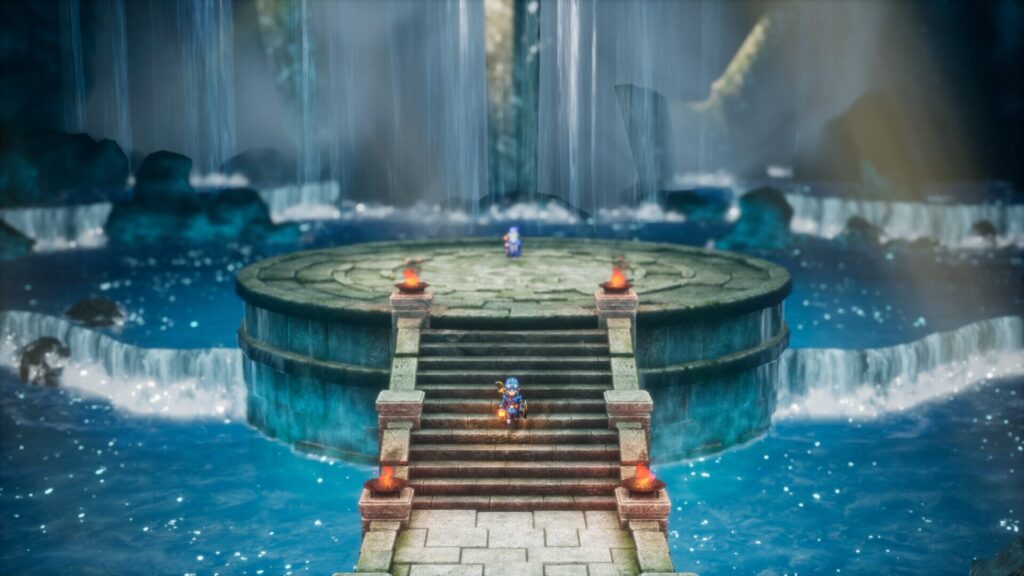
Exploring Alefgard is still a journey of gradual mastery. You go from cautious wanderer to powerful heir of Erdrick, and the remake frames this growth with subtle visual changes that make you appreciate how far you have come. It is a brief adventure, but it remains effective.
Even with its simplicity, Dragon Quest I feels like a piece of gaming history that has been lovingly restored. The remake never tries to replace the classic design, it just polishes it in a way that respects the past while making the game more accessible.
There is a charm in how straight faced the narrative is. The looming threat, the missing princess, and the royal duties all unfold in a clear and classic fantasy rhythm. The remake makes this resonate more through expressive visuals and cleaner storytelling pacing.
The game also benefits from gentle quality of life adjustments that remain invisible. Things like map readability, visual signposting, and smoother transitions all make the old school structure feel fresh without changing its identity.
This version feels like the definitive way to experience the first Dragon Quest. It captures the curiosity and determination that defined early role playing games, while finally giving its world a sense of enchantment that matches what long time fans always imagined in their heads.
Alefgard becomes a place worth wandering for its own sake. Villages glow at night, forests look lush and inviting, and dungeons have a sense of depth that feels impressive despite the simplicity of their layouts. That visual enhancement alone makes the journey more enjoyable.
The balance between nostalgia and modern presentation makes the game feel timeless. It does not matter if you are discovering the series for the first time or revisiting it after decades, the remake offers a comfortable but satisfying style of adventure.
The emotional payoff still lands as you finish the quest. The music swells, the kingdom rejoices, and your journey as the lone hero ends the way classic fantasy should. There is elegance in that simplicity, and the remake delivers it beautifully.
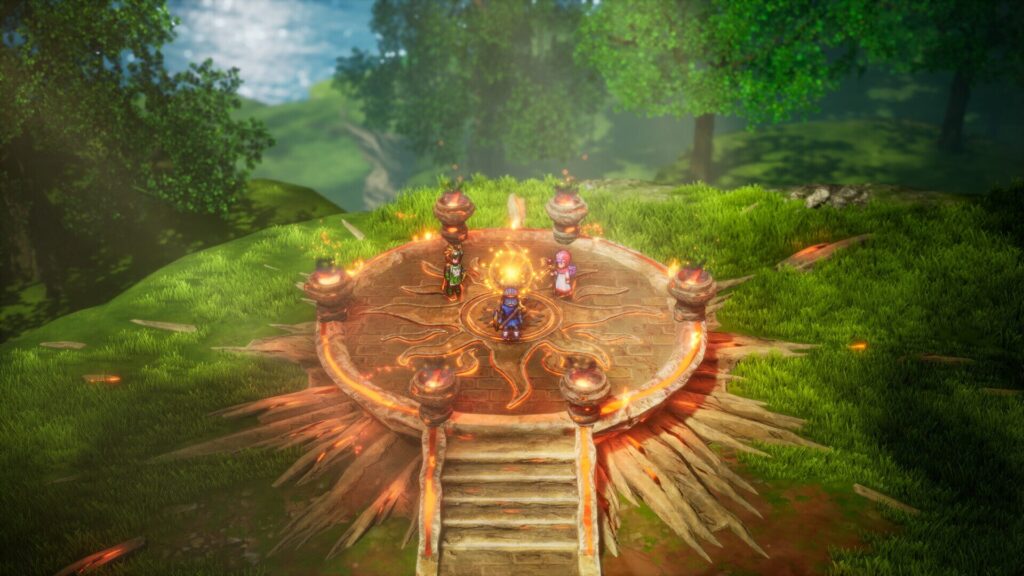
The game respects your time, never overstays its welcome, and still manages to feel meaningful. That is not easy for a remake of something so old, but this version understands exactly what made the original work.
In the end, Dragon Quest I in HD 2D is a wonderfully restored slice of role playing history. It invites you to explore, to grow stronger, and to save a land defined by myth and legacy. It succeeds because it remains true to its roots.
This adventure stands as a reminder that sometimes the most straightforward quests can feel the most memorable when presented with care and artistry.
Dragon Quest I HD 2D is a short and heartfelt triumph, offering a respectful and charming revival of a legendary beginning.
DRAGON QUEST II HD-2D REMAKE:
Where Dragon Quest I feels like the dawn of a legend, Dragon Quest II in the HD 2D Remake package feels like the moment that legend becomes expansive. Everything is bigger, richer, and more ambitious. The story opens with a brutal invasion, the fall of a kingdom, and a sense of urgency that immediately sets the tone for a broader adventure.
Many years have passed since the hero of the first game restored peace to Alefgard. His descendants founded three kingdoms, and for a while the world enjoyed prosperity. That peace shatters under a sudden assault led by a resurrected evil force, and the remaining heirs of Erdrick must rise to stop it. The stakes feel larger, and the HD 2D presentation gives the opening scenes a striking emotional weight.
This time you play as the Prince of Midenhall, but you are not alone. You gather your cousins, including the Prince of Cannock, the Princess of Moonbrooke, and for the first time ever in this version, the Princess of Cannock. The party dynamic transforms the journey, making the world feel busier and more alive.
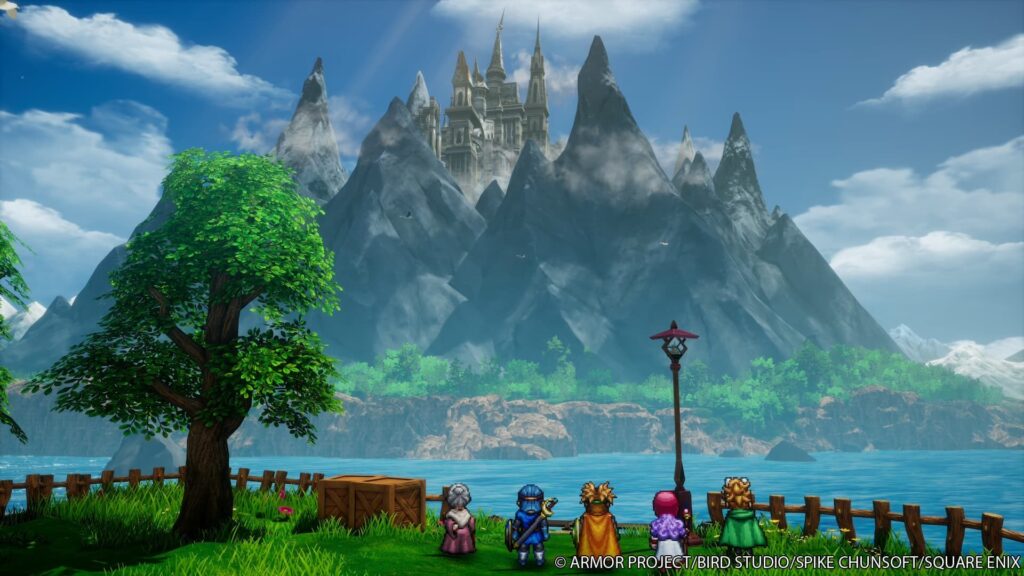
The HD 2D visuals shine particularly well in this game because of its diverse landscape. You travel through snow covered regions, deserts, grand cities, and eerie ruins, and every one of them feels more distinctive than ever before. The layered art makes continents look sprawling without becoming overwhelming.
The expanded world map is one of the game’s biggest strengths. Once you earn a ship, the entire adventure shifts from a guided path to near total freedom. You can sail to distant islands, explore abandoned temples, and pursue clues scattered across countless towns. The remake helps make this freedom more manageable by improving clarity without reducing the sense of discovery.
Combat is still fully turn based, but the presence of three or four characters adds depth. The Prince of Midenhall hits harder, the Prince of Cannock specializes in hybrid roles, and the Princesses bring healing and powerful spells. The variety makes encounters more strategic and more enjoyable than in the first game.
Monsters show more expressive animations thanks to the HD 2D art style. Groups of enemies fill the screen with personality. Classic creatures like baboons, gremlins, and lizard men feel more imposing and distinct. The effect is subtle but helps give each encounter flavor.
The story benefits tremendously from the visual remake. The fall of Moonbrooke early in the narrative feels tragic in a way the original hardware could never convey. When you discover what happened to its princess, the presentation helps emphasize the gravity of the situation. It makes the reunion with the surviving characters more impactful.
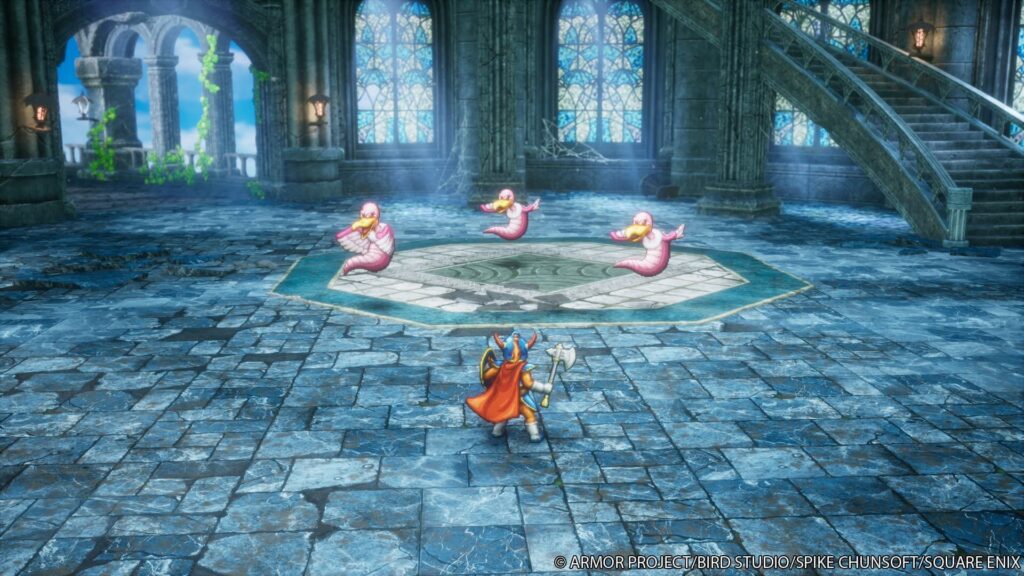
There is a strong sense of legacy that runs through the entire adventure. References to the hero from the first game appear throughout the world, and visiting familiar locations is a nostalgic thrill. The remake highlights these moments with soft lighting and detailed backgrounds, making the world feel steeped in history.
Exploration is the heart of Dragon Quest II, and the remake treats it with care. Towns are more atmospheric, caves feel more dangerous, and castles carry a sense of scale. Every place feels like it has a story, and talking to NPCs becomes more engaging thanks to the improved presentation.
The soundtrack carries more emotional nuance too. New arrangements add grandeur to the overworld theme and a sense of dread to dungeons. The battle music remains lively, helping keep the flow of combat exciting even during longer grinding sessions.
The pacing feels more mature. You constantly alternate between narrative beats, exploration heavy segments, and moments where your party must grow stronger. The remake smooths out rough edges while leaving the core progression intact.
There are several memorable story highlights. The curse of Moonbrooke, the secrets hidden in large temples, and the climax against the final evil force all feel more cinematic now. The HD 2D art allows these scenes to carry a surprise emotional punch.
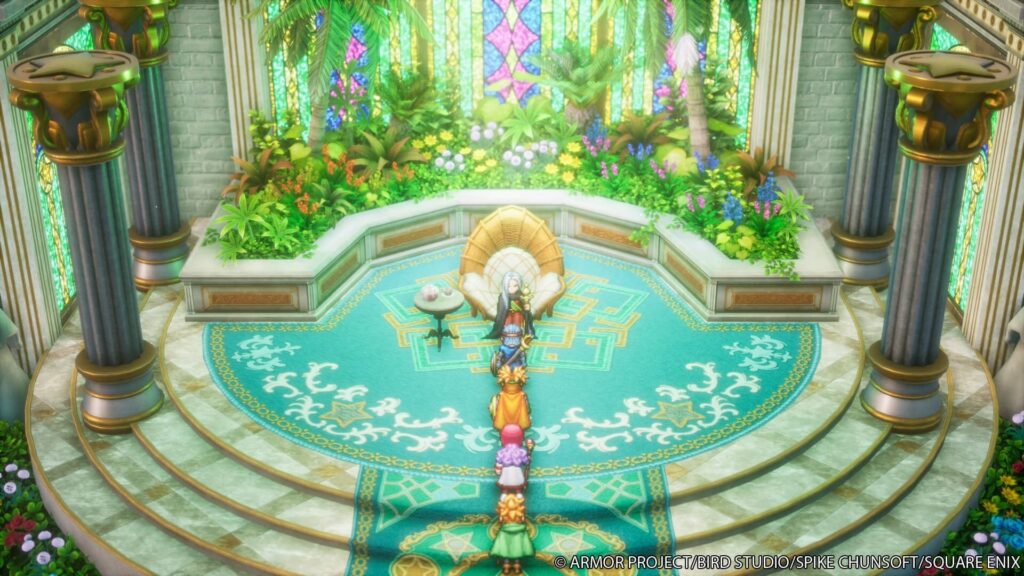
While the world is larger, the remake keeps navigation from becoming confusing. The visual clarity makes charting routes easier without sacrificing the adventure vibe. There is a careful balance between guidance and freedom that makes the game feel rewarding to explore.
Character progression feels meaningful because each added spell or ability noticeably changes your approach to battle. You end up thinking like a group rather than a lone hero, which gives the second game a very different flavor from the first.
Sailing across the ocean remains one of the best parts of the journey. The water shimmers with layered effects, islands glow with tiny environmental touches, and every coastline invites curiosity. It is the moment the remake shows the true breadth of its visual upgrade.
As the party grows, the sense of camaraderie becomes more apparent. Even without heavy dialogue, the group feels cohesive thanks to the story beats and the variety each character brings to combat. It is a subtle but effective strength.
Dungeons in this game offer more variety, from multi floor caves to large haunted ruins. The HD 2D treatment makes them feel atmospheric and occasionally ominous. It helps make treasure hunting and key item searches more engaging.
The final hours build toward a strong payoff. The story unfolds with real weight, the final region feels appropriately dangerous, and the last confrontation is dramatic and satisfying. The visual and musical work in the remake elevates everything.
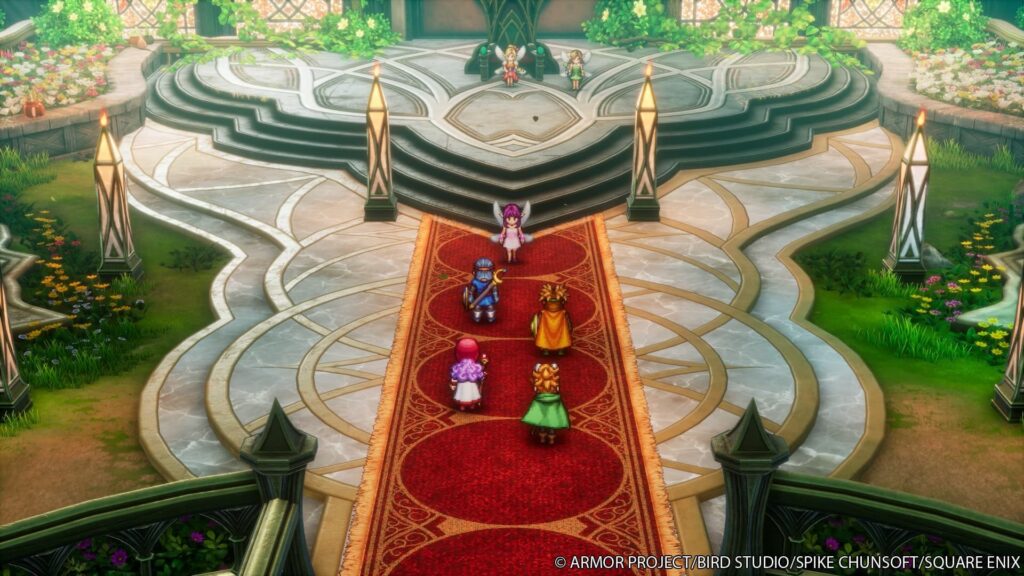
By the time the credits roll, the adventure feels epic compared to the first game. It carries themes of lineage, duty, and resilience that land well in this remade form. The larger scale helps the story feel like a proper continuation of the Erdrick saga.
Dragon Quest II HD 2D succeeds because it preserves the heart of the original while polishing its ambition. It offers freedom, personality, and a world that feels meaningful to explore. It stands as a fantastic second act to the legendary trilogy.
This version feels like the definitive way to experience the adventure, allowing both longtime fans and newcomers to appreciate what made Dragon Quest II so important in shaping the role playing genre.
Even with all the upgrades, these remain old school fantasy adventures at heart. Their charm comes from their simple stories, earnest characters, and classic turn based battles that helped define the genre. What the remake achieves so well is balancing that vintage appeal with modern readability and improved pacing, making both quests approachable without losing their original personality.
Taken together, Dragon Quest I and II HD 2D Remake feels like a lovingly restored treasure. It honors the history of the role playing genre while making the earliest steps of the Erdrick trilogy more enjoyable than ever for both returning fans and new adventurers.