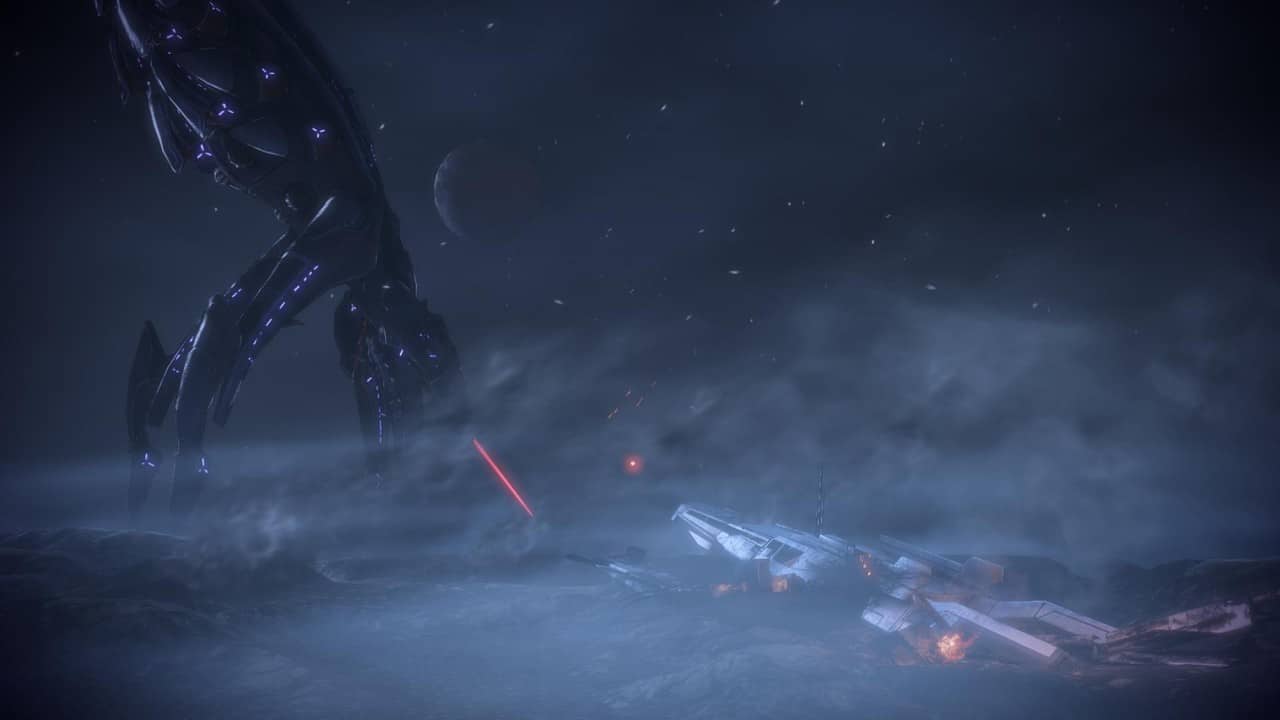
Since the dawn of home consoles it has been a tradition that around every five years or so a replacement would come along and everything would start over from scratch. This meant new system architectures so all of those games you had for your previous system would not work on your new fangled toy. Developers then had to get to grips with the new technologies on offer and as we went along in the life of the console the tools and methods would improve, meaning the games would keep getting technically better and better…right up until the moment where they decided to release the next iteration, and the cycle repeats itself like a Reaper culling of all life in the universe.
This has meant getting new peripherals etc for each generation which is costly and a total pain in the ass, especially when you haven’t got rid of a system in 20 years and they just keep stacking up. However, as of 2013 things started to change and this change has led to a complete blurring of the lines of what a console ‘generation’ now is.
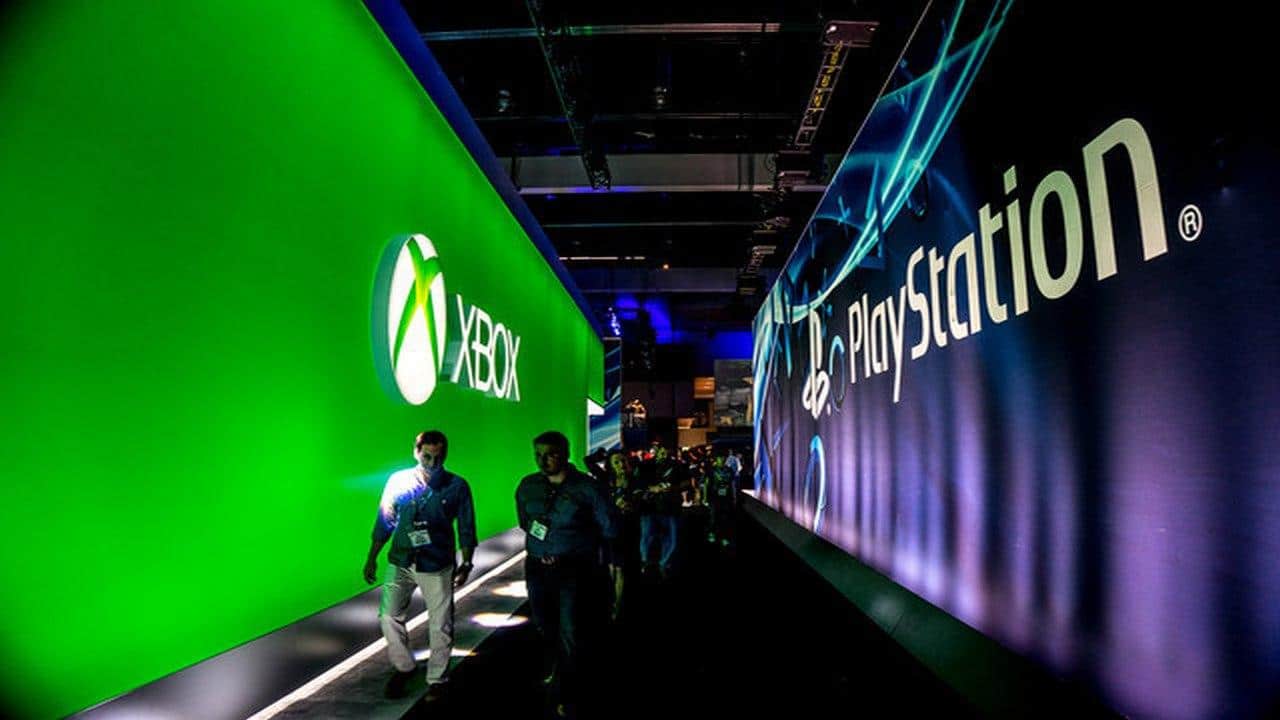
The big change was moving away from the super complex architectures of yesteryear, such as the CELL chip in the Playstation 3, which was made specifically for the console and was horribly complicated making development both costly and time consuming. As of 2013 with the release of the Xbox One and Playstation 4 the architecture is now the same as it is for a PC. x86.
So why does this make such a big difference? Well the biggest plus point is the fact that now that all of the main systems (barring Nintendo, because you know…Nintendo) now run on x86, it makes it much easier for developers to access the power of the console from the off with as little work needed when making versions for each system. The second plus point is backwards compatibility. Some consoles have had this through emulation or even having a chip from the previous console inside the new one to allow you to just pop your game in as normal. This wasn’t true backwards compatibility however whereas now with x86 it can be just as it is on the PC. This leads to the blurring of the lines.
Late 2017 will see the arrival of Project Scorpio – a new console from the Xbox team that will supposedly deliver 4K gaming and VR compatibility. Normally we would say that with it being over four years and with it bringing four times the power of the Xbox One, that this would be the start of a new console generation. But is it? It will still run on the same architecture as the Xbox One meaning you can pop in any game you currently own and it will run on Scorpio. Peripherals should also be compatible. So what makes it a new generation? The power? It hasn’t always defined a generational leap before…
I think what we have to take from this is that the game has now changed. Project Scorpio would normally be classed as the ‘next generation’, however what is now looking likely is that we’ll maybe get new iterations with better hardware every few years and it will work just like PC, where the older system eventually can’t run all of the games being released on the most up to date system. To me that sounds like the best thing for players, giving much greater longevity to their systems.
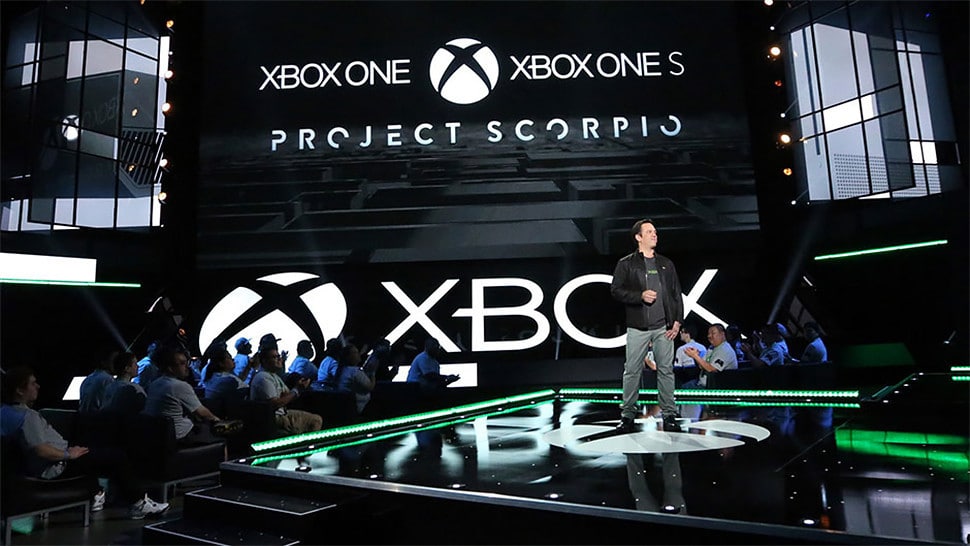
There are a lot of gamers out there that have reacted angrily to this as though they’ve only had the current generation for a short amount of time and now the next big thing is coming along to replace it. The lines going forward are a little blurred too. There is no replacing going on. At least on the Xbox front. The One S and Scorpio will be sold alongside each other offering different entry points into the Xbox ecosystem. Sony however seems to be replacing their PS4 with the Neo which may not go down so well and it will be interesting to see which approach works best.
The one thing we do know is that the term ‘console generation’ isn’t as clearly defined as it once was and may well disappear very soon indeed. I think we would all be better off for it.

- Uncategorized
 Mini Review: Shadow Tactics: Blades of the Shogun (Switch 2 Edition)
April 6, 2026
- Uncategorized
 Nintendo announces Treehouse: Live featuring Pokemon Pokopia and Super Mario Bros Wonder
February 23, 2026
- Uncategorized
 Sonic Racing: CrossWorlds Nintendo Switch 2 Edition releases December 4
November 6, 2025

- UncategorizedMini Review: Shadow Tactics: Blades of the Shogun (Switch 2 Edition)
April 6, 2026
- UncategorizedNintendo announces Treehouse: Live featuring Pokemon Pokopia and Super Mario Bros Wonder
February 23, 2026
- UncategorizedSonic Racing: CrossWorlds Nintendo Switch 2 Edition releases December 4
November 6, 2025
- Uncategorized
 Review: Yooka-Replaylee
October 30, 2025