Summary
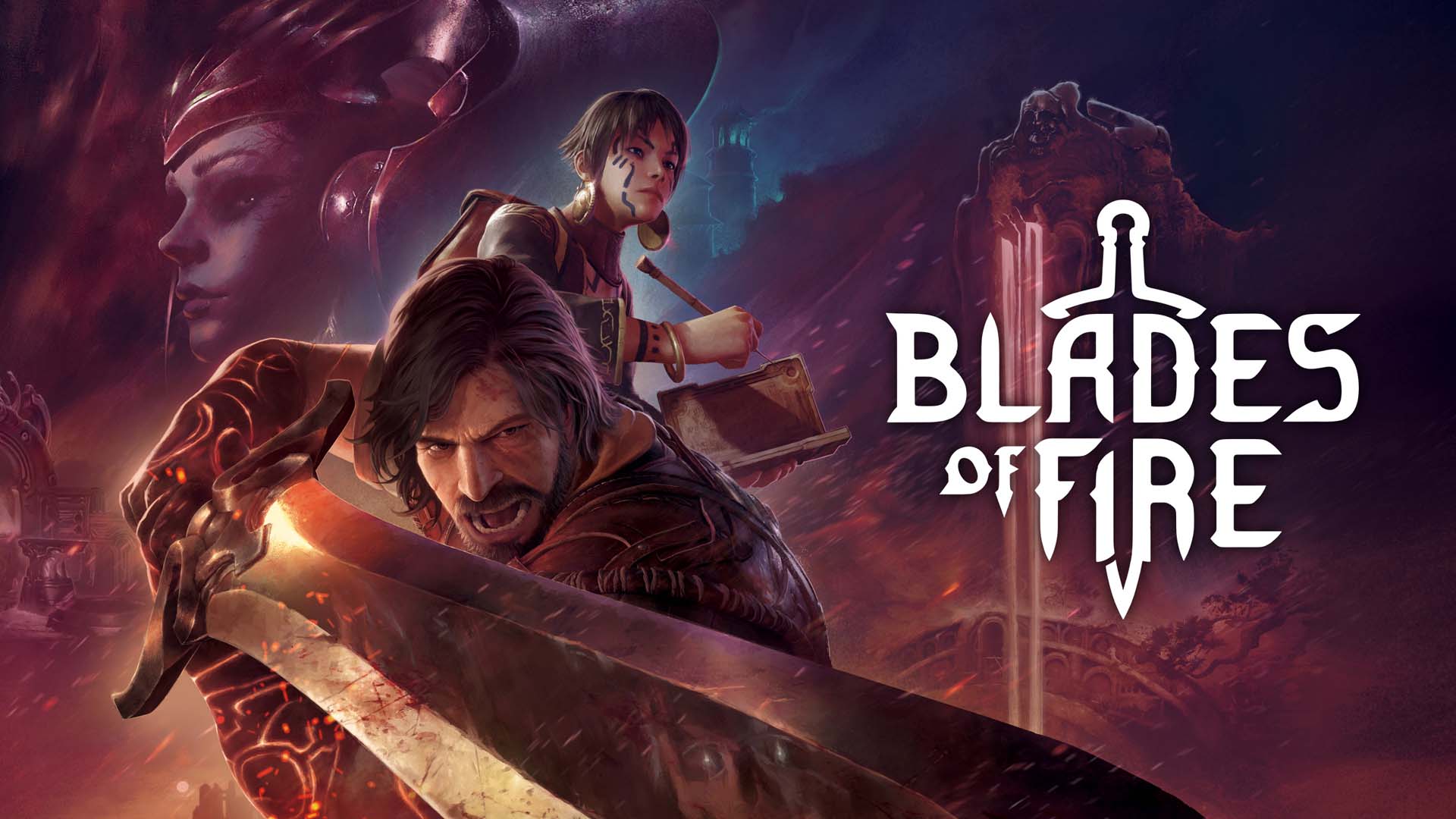
Blades of Fire brings fast-paced combat with a weapon-based combat system. Strengthen your weapons and understand your enemies’ weaknesses to succeed. Figuring out how all the mechanics work together is difficult and the story is predictable. The game puts a new spin on the action-adventure genre that pays off, though it won’t break much new ground.
Developer – MercurySteam
Publisher – 505 Games
Platforms – PC, Xbox Series X|S, PS5 (reviewed)
Review copy given by Publisher
Finding a good weapon is standard fare for an action-adventure game. Blades of Fire takes that concept and runs with it, making you forge weapon after weapon in pursuit of greatness. As your weapons degrade from the pressures of combat, you must create better ones to match the threats you face. Combat is also tactical despite the fast pace; you must watch attacks and hit the correct spots to win. These don’t stay constant and you must remain observant.
Blades of Fire takes Souls-like combat and adds in-depth forging as your means of getting stronger. Gather materials and continually forge stronger weapons as your old ones degrade. Targeting weaknesses adds a new dimension to combat that rewards your quick thinking. The story isn’t remarkable and there is a large learning curve, not to mention the weapon forging is time-consuming. Stay the course and the game’s advantages will shine, but it needs lots of time.
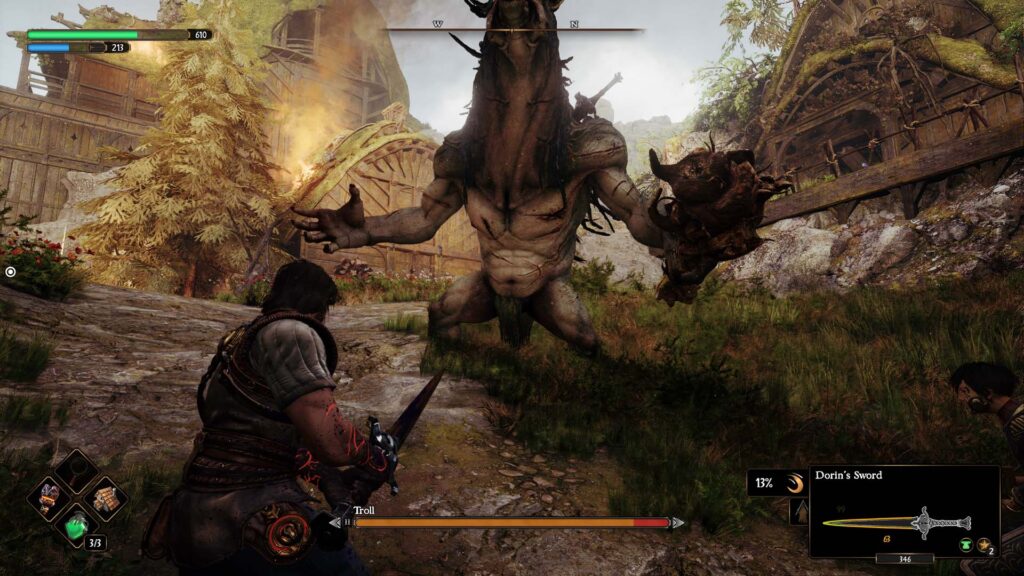
You play as Aran de Lira, a former knight of the kingdom who leads a retired life. After a spiritual being alerts him to danger, he tries to save an old man with his apprentice Adso. Aran can only save Adso, who gives him a Sacred Hammer that lets him create steel weapons. The current ruler, Queen Nerea, is turning steel into stone on a massive scale. Aran must wield the Sacred Hammer and journey with Adso to stop the Queen’s plans and restore the world.
The characters get rough introductions that don’t tell you much about them. As you adventure and learn more about the characters, their initial characterizations seem odd. For example, Aran seems to enjoy life away from duty but he jumps back in almost as if he regrets the lifestyle. Glinda, another character you meet later, changes her entire view of Aran in a few minutes. This doesn’t endear you to the cast until their personalities solidify by mid-game.
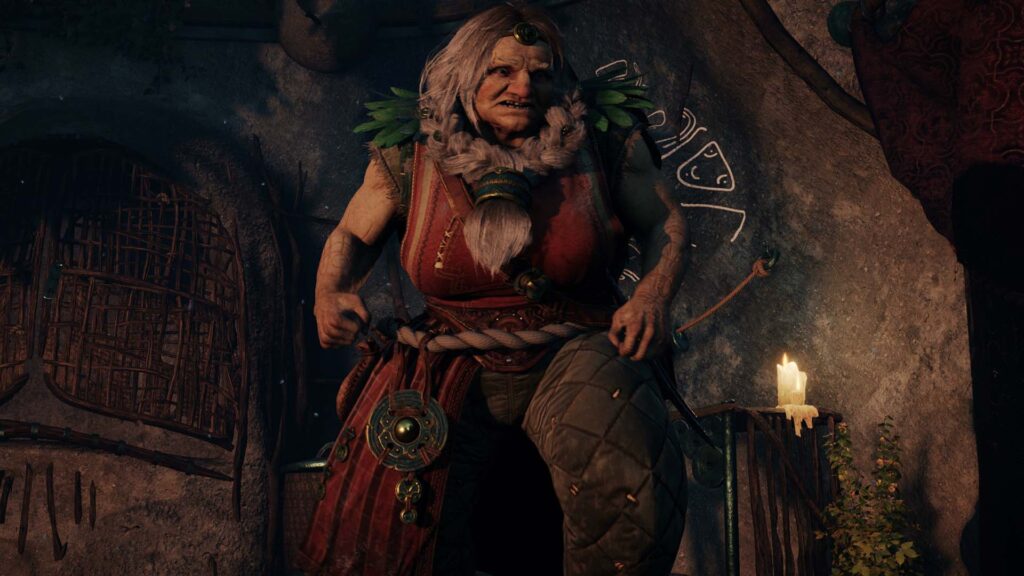
This is the typical save-the-world narrative and you likely know what’s going to happen if you play other action-adventure games. Blades of Fire doesn’t reinvent the wheel though it does have different story beats like Nerea turning steel into stone. Thanks to the characterization, it does feel that the story is hastily put together instead of being a strong narrative. Fortunately, the gameplay is where the bulk of the features lie and you won’t think much about the story.
The main feature of Blades of Fire is the weapon system. While you have a variety of weapon types available to you, they all degrade after extensive use. You must gather materials from enemies and use them to forge stronger weapons. This continues throughout the whole game, forcing you to use every weapon at your disposal. You can develop your favorites but you will learn how to use each weapon type effectively in combat.
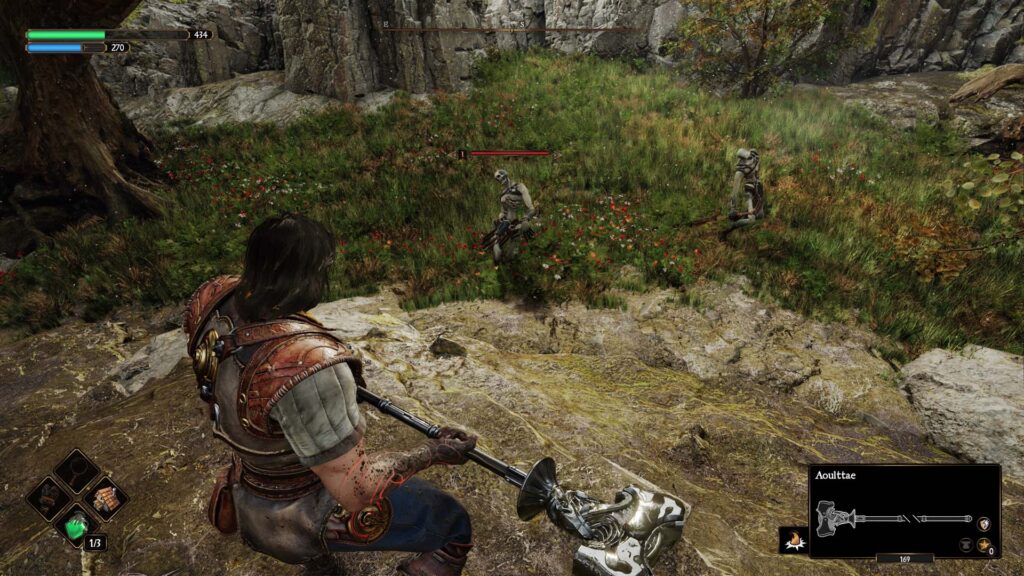
Weapons start out by only having one form of damage, like piercing or slashing. As you fight enemies and discover more weapon variations, weapons may have two forms like blunt and piercing. Enemies have certain weaknesses and you must exploit them or your attacks won’t land. This means switching weapons depending on the enemies you fight and ensuring you hit the correct areas. Some enemy weak spots change throughout the battle and you must target the proper area to deal damage.
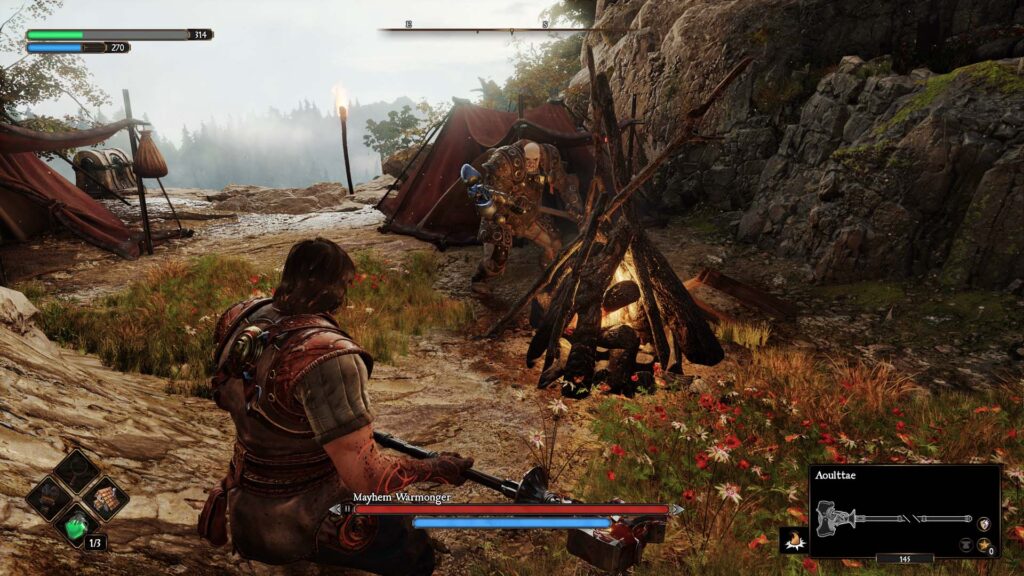
The advantage is that this allows you to become proficient with every weapon and provides variety to combat. You have directional strikes that aren’t just for show; they let you target weaknesses. Weapon quality must be decent or they might not hurt enemies at all. There’s also charged attacks or Mutilations that deal increased damage if you pull them off. Having to constantly use different weapons shakes up the formula enough to stand out.
Despite having a goal, you can explore the open world as you wish. Adso helps you record information about enemies or solve certain puzzles. There’s no wrong answer or path as long as you keep exploring more of the map. Treasures await in chests while weapon statues let you obtain more parts. Blades of Fire rewards exploration by giving you more tools and that immerses you in the world.
However, the constant weapon usage is also a double-edged sword. Since you must keep forging better weapons, that means part of your time is spent hunting for materials. This pads out the game length and sometimes forces you to stay in certain areas. You get a decent amount of materials as you play but it quickly runs out if you truly want to experience the weapon forging system.
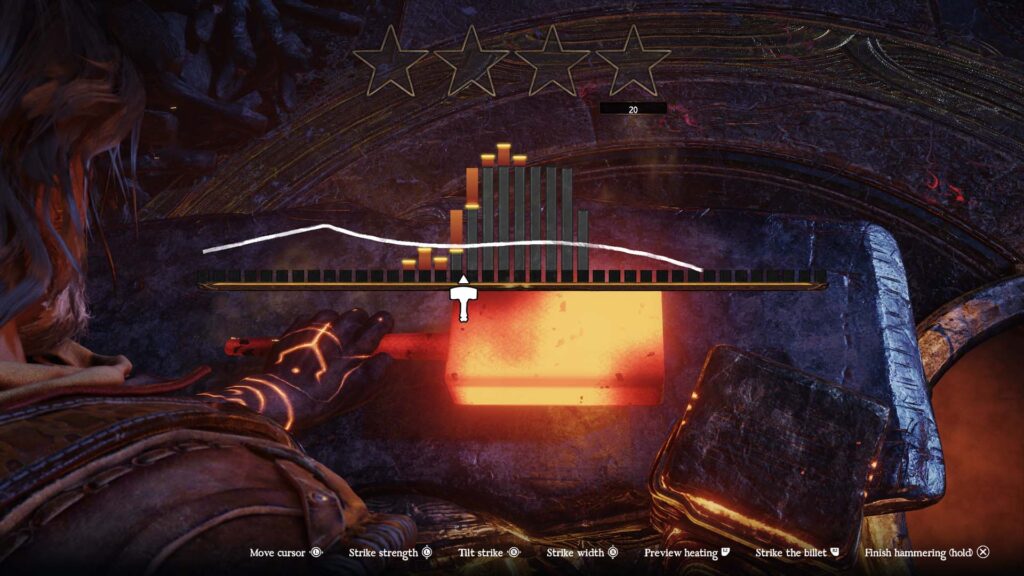
Forging weapons is also difficult because you can only repair them a certain number of times. If you forge them well, you can repair them up to five times. It’s hard to reach that number as your forging will likely be rough. This leads to lots of weapons that you recycle or discard because they wear out too quickly. Even if you can save your excellent forges to shortcut the process later, it takes a lot of effort to get there.
Blades of Fire may not re-invent the wheel for action-adventure games. However, the premise and gameplay are interesting enough to keep your interest. The world is genuinely fun to explore with surprises at every turn. Combat is difficult but rewarding and you can always adjust the difficulty later. It’s certainly time-consuming with a story that isn’t very engaging and forging that’s tough to master. But dedicate the time and there’s good fun to be had.