Summary
By the final whistle, FC 26 stands as the most complete and confident entry of the new EA Sports FC era. It may not be revolutionary, but it’s the most balanced and satisfying football simulation EA has released in years. The divide between Authentic and Competitive play is a masterstroke, the AI and physics feel genuinely refined, and the quality-of-life improvements finally make Ultimate Team and Clubs worth investing in again.
Developer – EA Canada, EA Romania
Publisher – Electronic Arts
Platforms – Nintendo Switch/Switch 2,PS4/5, Xbox One , Xbox Series S|X, PC (Reviewed)
Review copy given by Publisher
EA Sports FC 26 opens with a sense of quiet confidence. After the bold first step away from the FIFA brand last year, this follow-up feels less like a risky debut and more like a studio fine-tuning a new era. EA isn’t reinventing the pitch this time; it’s reinforcing the foundation it built. What emerges is a football game that plays smarter, feels fairer, and delivers a more authentic experience for those who demand realism while still rewarding the competitive edge of its online scene.
The first thing you notice is how FC 26 splits its identity in two. For the first time in the series, there’s a clear divide between Authentic and Competitive gameplay presets. Authentic is designed for offline play, with deliberate pacing, tactical depth, and a focus on the physical side of the sport. Competitive, on the other hand, sharpens everything to a razor’s edge, catering to the faster, reaction-driven intensity of online modes. It’s a surprisingly effective solution to a long-standing problem: trying to please both camps with one set of rules. Here, both sides finally get what they’ve been asking for.
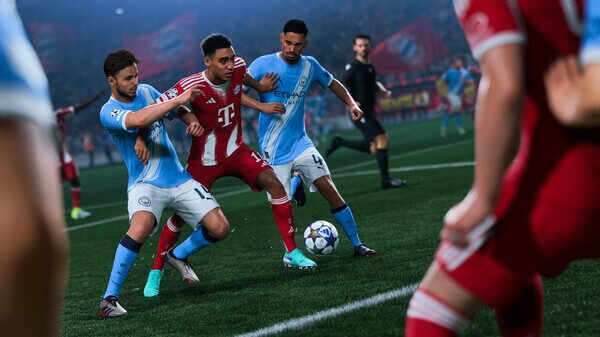
In motion, the improvements feel immediate. Tackles connect with more weight, players respond faster, and collisions don’t send you spinning into chaos. EA has clearly spent time listening to complaints about last year’s “pinball” physics, reducing those frustrating rebounds that used to gift goals to undeserving opponents. When you win the ball, you actually feel like you earned it. When you lose it, you can usually see where you went wrong. That’s the difference between frustration and fair play, and FC 26 lands firmly on the right side of it.
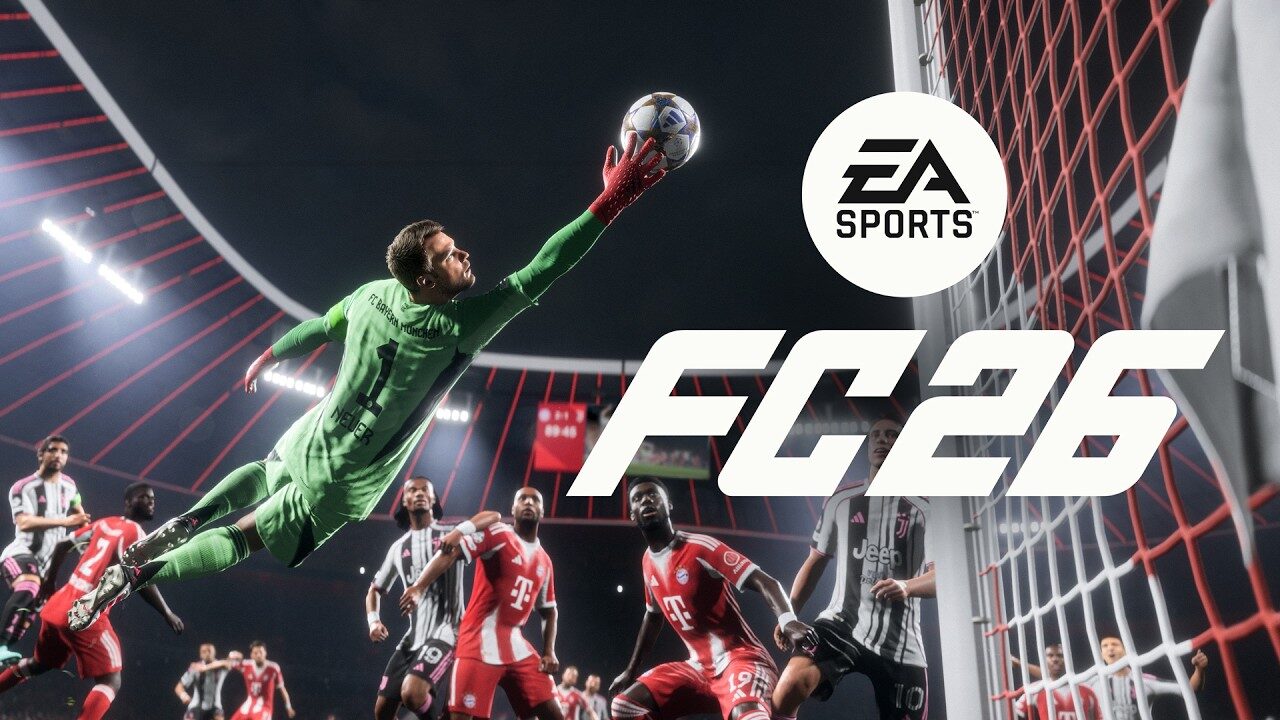
Goalkeepers, too, are no longer the erratic gamble they once were. They’re better positioned, react with believable timing, and are far more consistent when it comes to parries and saves. The days of a keeper casually batting a ball into the striker’s path seem, mercifully, over. It’s a small change in theory, but a big one in how it affects match flow. Defending feels more dependable, and scoring feels like a genuine accomplishment instead of the result of weird physics or bad luck.

The new PlayStyles and player roles bring another welcome touch of personality. While this was technically introduced last year, FC 26 refines it with expanded customization that finally makes each player feel distinct. A winger who thrives on explosive bursts plays differently from one who relies on technical finesse. You can feel the difference in motion, not just in stats. It’s the closest EA has come in years to bridging the gap between a football simulation and the real sport’s individuality.
One of the less flashy but most impactful updates lies in how FC 26 handles online play. Disconnects and rage quits have long plagued Ultimate Team and other competitive modes, but the new handling system finally punishes the right people. If a match ends abruptly, the player left standing doesn’t automatically suffer. Instead, context matters: draws can become wins, and consistent quitters face clearer penalties. It’s a thoughtful change that shows EA is paying attention to the community’s long-standing grievances.
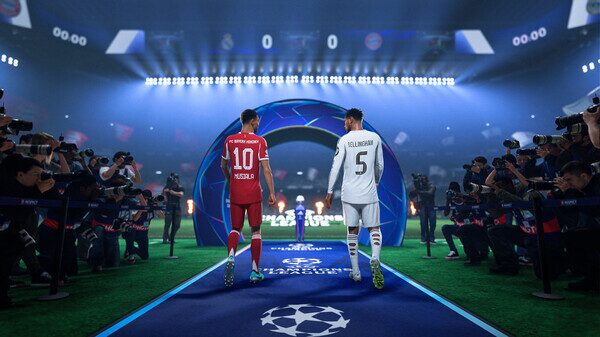
Ultimate Team itself continues to evolve, this time in a player-friendly direction. Evolutions can now be repeated, decorative elements stay attached even as cards improve, and the interface feels cleaner and faster. It’s still the mode designed to keep you grinding, but it’s also one that respects your investment a bit more. The balance between progression and personalization has never been smoother, and while the economy remains a grind for some, the friction has definitely eased.
The addition of tiered access to the transfer market might raise some eyebrows, but it’s a necessary safeguard. New accounts now have to earn their way into full trading privileges, cutting down on fraud and manipulation. It’s not the kind of feature that excites players, but it’s one that keeps the community healthier. EA’s decision to implement these security measures shows a maturity in how it handles its most volatile ecosystem.
Clubs mode sees a surprising boost this year, with players now able to affiliate with up to three clubs simultaneously. It’s a small but liberating change that makes it easier to experiment with different playstyles or friend groups without losing progress. Match presentation has also improved, with cleaner transitions, better lighting, and smarter use of crowd animation to bring life to each stadium. It doesn’t revolutionize the look of the game, but it gives every match a more broadcast-like energy.
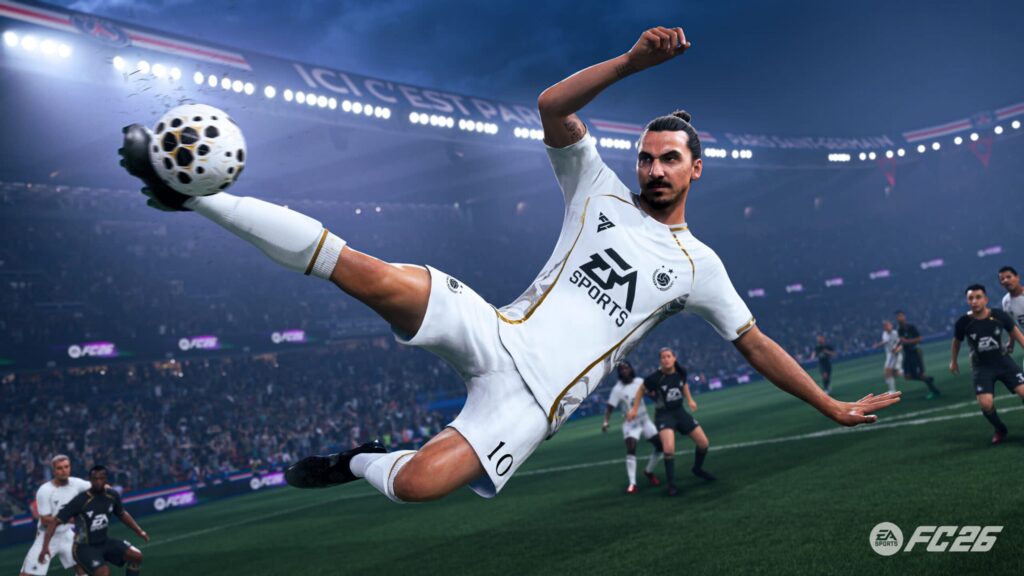
One of the quieter but commendable additions is High Contrast Mode, a simple yet powerful accessibility tool. It may not get as much attention as new mechanics or Ultimate Team tweaks, but it represents an important step toward inclusivity. For players who struggle with visibility, this feature is a game-changer. It’s encouraging to see EA continue expanding its accessibility options in meaningful ways.
On the pitch, the balance between realism and responsiveness is where FC 26 shines brightest. The Authentic preset’s slower tempo and deliberate passing rhythm create matches that feel like real football—gritty, tactical, and demanding. Meanwhile, Competitive mode turns everything up just enough to make every match online feel like a test of reflexes and control. Neither approach feels compromised, which is impressive given how different their goals are.
Still, not everything lands perfectly. Some physics quirks persist, particularly in crowded box play where player collisions can still lead to awkward animations. Refereeing remains inconsistent, and the AI occasionally forgets what urgency looks like in defensive transitions. But these moments are exceptions rather than the rule, and they no longer define the experience the way they used to.

The technical side remains robust, if not revolutionary. Frostbite continues to deliver detailed player models, dynamic lighting, and believable stadiums. It’s not a visual leap over FC 25, but performance feels smoother, and the visual polish in replays and camera cuts adds a layer of professionalism to each match. Presentation-wise, FC 26 feels cohesive, confident, and clearly benefiting from the series’ newfound independence.
Where FC 26 truly wins is in its intent. This is a game made to rebuild trust. EA isn’t chasing gimmicks or throwing experimental mechanics onto the field. Instead, it’s polishing, balancing, and listening—three things the franchise desperately needed. Every change, from the improved tackles to the new gameplay split, feels like a direct response to what players actually said last year.
As a result, FC 26 doesn’t feel like a yearly iteration. It feels like a correction—a statement that EA Sports FC is here for the long run, not just as a name change but as a reinvention of philosophy. There’s a stronger sense of player agency, a fairer competitive scene, and a renewed emphasis on authenticity that gives the sport room to breathe.
By the final whistle, FC 26 stands as the most complete and confident entry of the new EA Sports FC era. It may not be revolutionary, but it’s the most balanced and satisfying football simulation EA has released in years. The divide between Authentic and Competitive play is a masterstroke, the AI and physics feel genuinely refined, and the quality-of-life improvements finally make Ultimate Team and Clubs worth investing in again.