
Summary
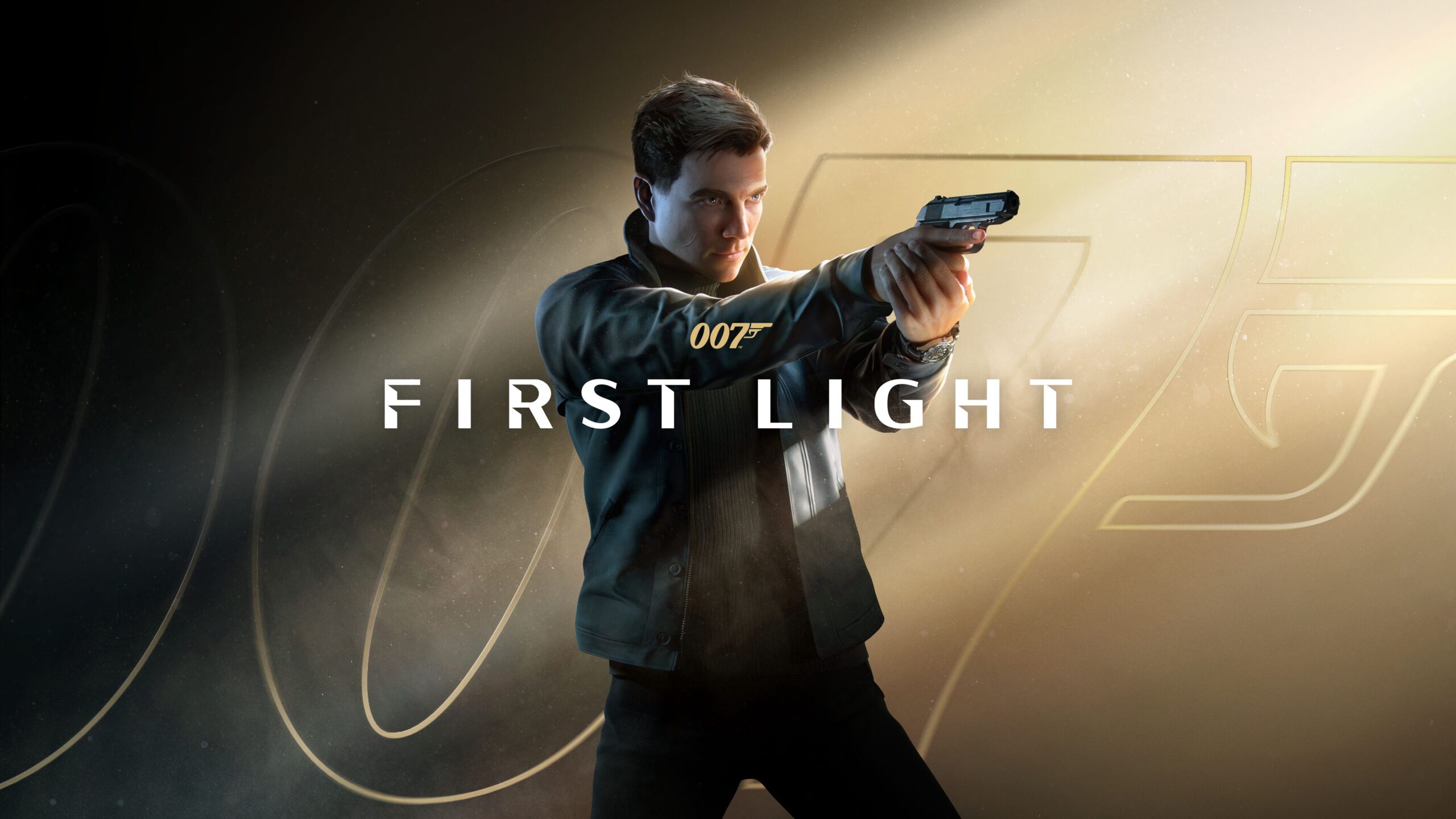
007 First Light is an excellent stealth-action game wrapped in one of entertainment's most iconic licenses. It offers gorgeous visuals, strong performances, satisfying stealth mechanics, and an engaging origin story for James Bond. At the same time, it leans so heavily on the foundation established by Hitman that longtime fans may struggle to see it as a truly original experience. If you've always wanted Hitman with more story, more action, and the unmistakable style of James Bond, you'll probably have a fantastic time. If you were hoping for a revolutionary reinvention of the spy genre, you may walk away feeling like you've simply replayed a familiar masterpiece dressed in a tuxedo.
Developer: IO Interactive A/S
Publisher: IO Interactive A/S
Platforms – Ps5, Xbox Series X|S,Nintendo Switch 2 , PC (Reviewed)
Review copy given by Publisher
That’s the question I kept asking myself throughout my entire playthrough. I want to know what you think before we even get started: If a developer reuses the mechanics, animations, and overall design philosophy from one successful game but wraps it in a new franchise, does it actually become a new game—or is it just the same experience wearing a more expensive suit? Let me know where you stand, because after finishing 007 First Light, I have a lot to say.
The first thing that immediately stood out to me wasn’t the James Bond atmosphere or the espionage. It was how familiar everything felt. Not in the nostalgic way where a game reminds you of a classic, but in the way where you instantly recognize systems you’ve spent hundreds of hours with before.
If you’ve ever played Hitman, you’ll probably notice it within the first hour. The movement, the pacing, the stealth mechanics, environmental interactions, NPC behavior, level layouts, and even the overall rhythm of missions all carry unmistakable DNA from IO Interactive’s previous work.
That’s not necessarily a bad thing. Hitman is one of the best stealth franchises ever made, and building on a successful formula makes perfect business sense. The problem is that 007 First Light often feels less like evolution and more like recycling.
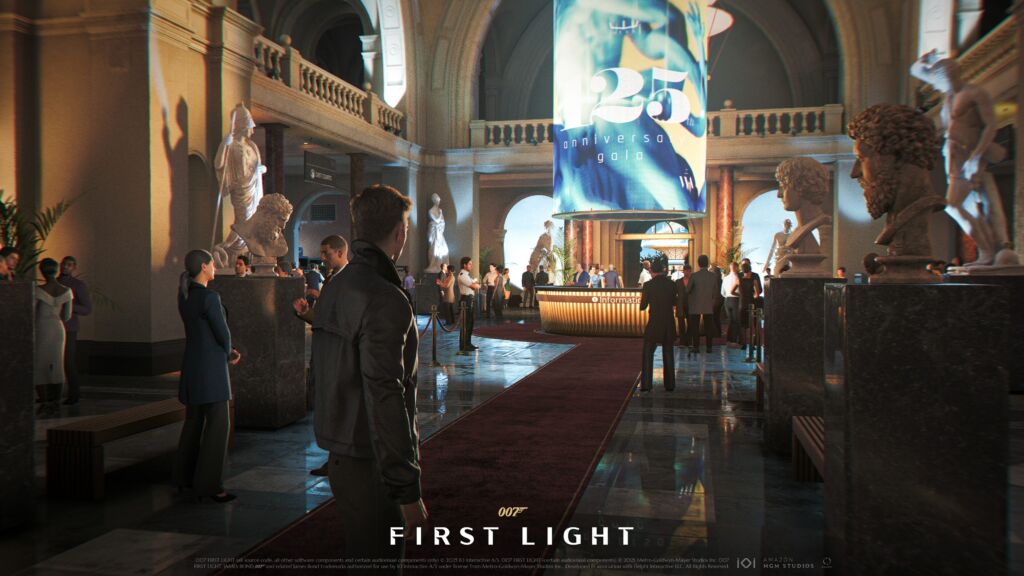
It’s almost as if the developers opened a folder labeled “Hitman Assets,” copied everything inside, replaced Agent 47 with a younger James Bond, added a cinematic spy story, sprinkled in a few gadgets, and called it a brand-new experience.
Again, that isn’t saying the game is bad. Far from it. The gameplay is polished, responsive, and technically solid. But polished gameplay doesn’t automatically equal originality.
Mission after mission, I couldn’t shake the feeling that I wasn’t discovering something new. Instead, I was revisiting mechanics I’d already mastered years ago, only this time my character introduced himself as Bond instead of remaining silent behind a barcode.
Even the level design follows that familiar blueprint. Large sandbox environments encourage experimentation, multiple routes lead to objectives, disguises become tools for infiltration, and patience is rewarded over brute force. Sound familiar? It should.
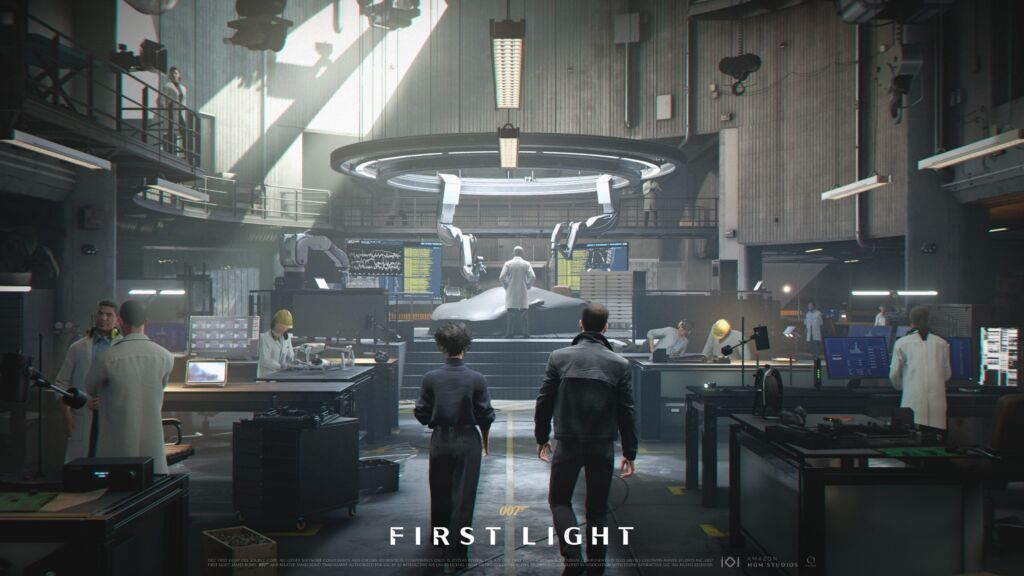
The biggest difference is that First Light leans much harder into cinematic storytelling. Bond actually talks. Relationships matter. Conversations carry emotional weight, and the game tries to build a more personal narrative than Hitman ever attempted.
That story is genuinely one of the stronger aspects of the experience. Watching Bond evolve into the legendary secret agent fans know gives players a reason to stay invested beyond simply completing objectives.
The developers clearly wanted to create an origin story rather than another collection of disconnected assassination missions. In that respect, they deserve credit. The narrative feels more cohesive and character-driven than what many players expected.
However, gameplay ultimately occupies far more hours than cutscenes, and that’s where the similarities become impossible to ignore.
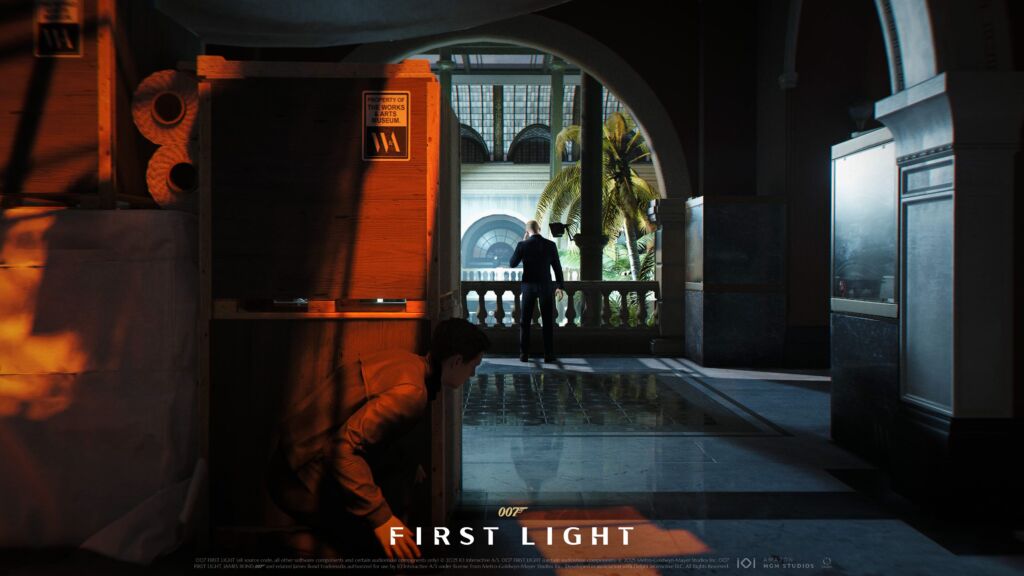
Stealth encounters rarely surprise you if you’ve spent enough time with Hitman. Guards react the way you’d expect. Restricted areas function almost identically. Opportunities appear through overheard conversations, environmental clues, and carefully scripted routines.
Instead of feeling like James Bond learning the trade, I often felt like Agent 47 pretending to be James Bond.
The gadgets certainly help distinguish the experience. Bond has access to spy technology that creates entertaining moments and occasionally changes how objectives can be approached. These additions inject some fresh energy into familiar systems.
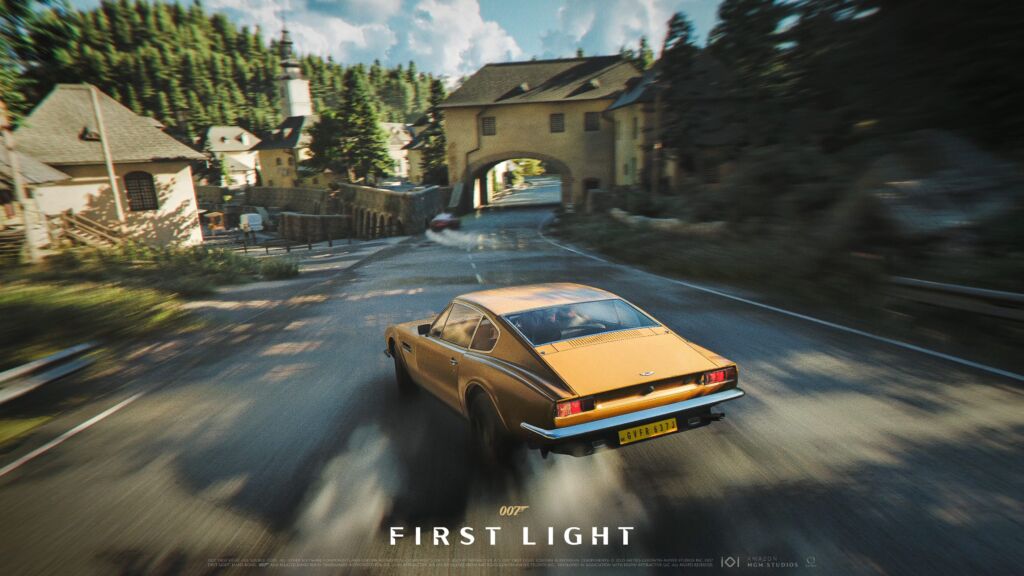
Action sequences also receive more attention than Hitman traditionally allowed. Bond isn’t just an assassin hiding in the shadows—he’s expected to survive car chases, firefights, dramatic escapes, and blockbuster-style set pieces.
Those moments are exciting, but they also feel somewhat disconnected from the slower stealth gameplay. Sometimes the game wants to be a tactical sandbox. Other times it wants to be an action movie. The transition between those identities isn’t always seamless.
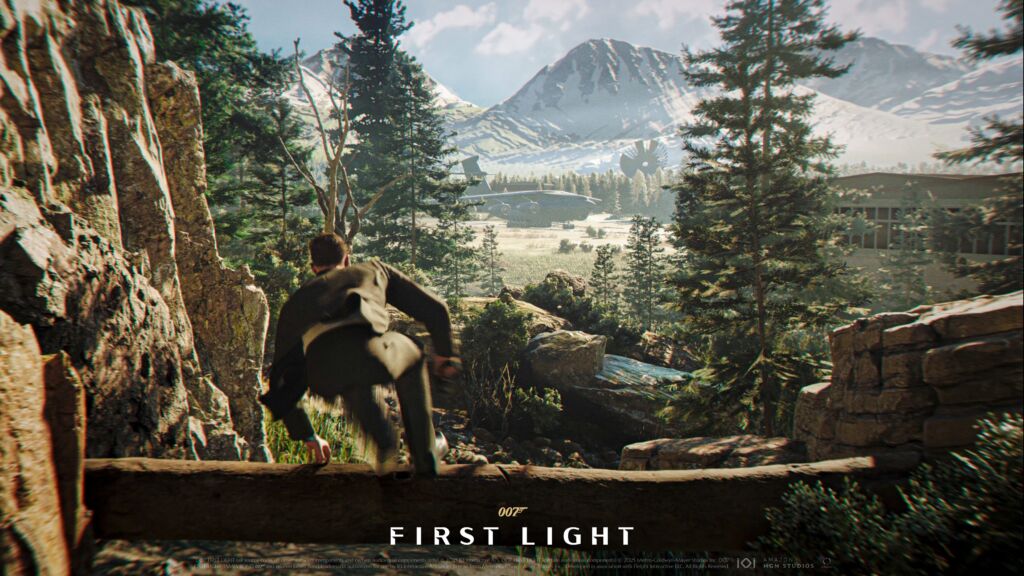
Visually, though, there’s very little to criticize. The environments are detailed, lighting is excellent, animations remain smooth, and character models look fantastic throughout the campaign.
Audio design deserves recognition as well. The soundtrack successfully captures that unmistakable Bond atmosphere without relying entirely on nostalgia. Voice acting is consistently strong, helping sell the emotional beats of the story.
Performance is another area where the game shines. Whether sneaking through luxury casinos, infiltrating enemy compounds, or navigating crowded public spaces, everything feels stable and well optimized.
Ironically, that polish also reinforces my biggest criticism.
Because the gameplay is so refined, it’s obvious the developers knew exactly what they were building. They weren’t experimenting with a radically different formula. They were refining one they already perfected.
That creates an unusual dilemma.
If you’ve never touched Hitman before, 007 First Light will probably feel incredible. You’ll experience sophisticated stealth systems, excellent mission design, memorable environments, and an engaging spy narrative all at once.
But if you’re a longtime Hitman fan, there’s a very real chance you’ll constantly recognize the framework underneath the Bond branding.
There’s absolutely nothing wrong with reusing successful design philosophies. Every developer builds upon previous work. The issue arises when the new experience struggles to establish an identity distinct enough to justify feeling entirely fresh.
First Light succeeds as a James Bond game because it understands the fantasy of being Britain’s greatest spy. It delivers stylish infiltrations, tense escapes, clever gadget use, and cinematic storytelling exactly where fans expect them.
What it doesn’t fully accomplish is convincing me that I’m playing something fundamentally different from the studio’s previous masterpiece.
In many ways, 007 First Light feels like a beautifully tailored suit made from fabric we’ve all worn before. It fits perfectly. It looks fantastic. It’s undeniably high quality. But underneath the polished exterior lies a design philosophy that’s instantly recognizable. That doesn’t make it a failure , it simply makes it familiar.